 EN
EN


Procurement teams responsible for warehouse equipment, garage storage systems, and facility organization face a critical question: when is the right time to audit their tool rack for garage supplier? This decision carries significant weight, as the quality, reliability, and compliance of storage solutions directly impact operational efficiency, workplace safety, and long-term cost management. Understanding the optimal timing for supplier audits helps procurement professionals prevent costly disruptions, maintain quality standards, and ensure that their tool rack for garage supplier meets evolving business requirements. The frequency and triggers for these audits depend on multiple factors including contract terms, performance history, regulatory changes, and organizational growth patterns.
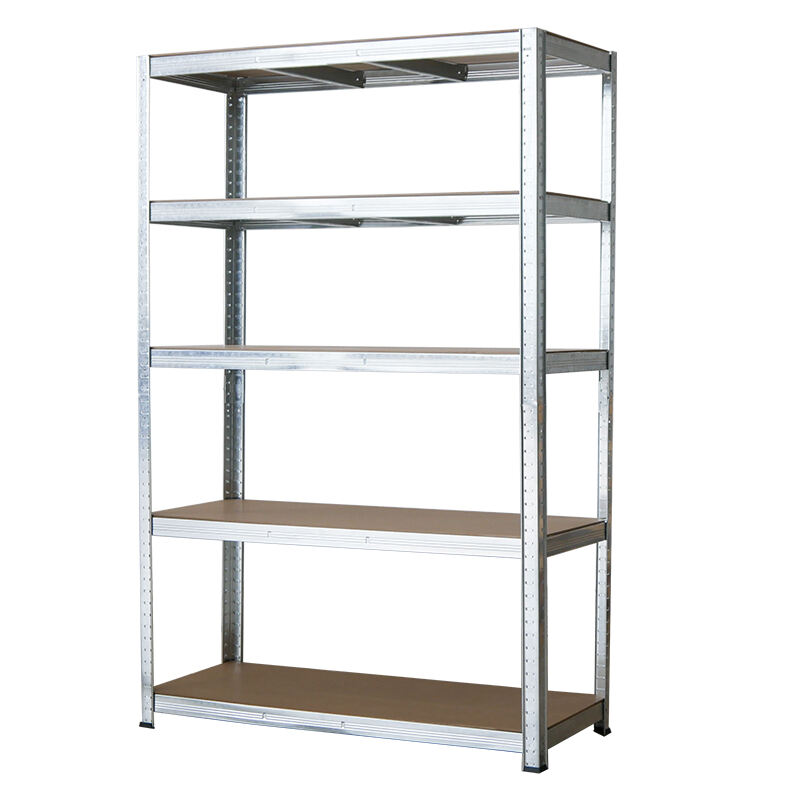
The decision to conduct a supplier audit should never be arbitrary or solely calendar-based. Instead, procurement teams must recognize specific conditions and trigger events that signal the need for immediate review. Whether dealing with an established tool rack for garage supplier or evaluating new partnerships, the audit timing must align with risk factors, performance indicators, and strategic business objectives. This article explores the precise circumstances that warrant supplier audits, the critical timing considerations for procurement teams, and the practical frameworks that determine when an audit delivers maximum value while minimizing disruption to ongoing operations and supplier relationships.
Critical Timing Triggers for Initial Supplier Audits
Pre-Contract Award Assessment Window
The most foundational audit timing occurs before finalizing any contractual agreement with a potential tool rack for garage supplier. Procurement teams should schedule comprehensive audits during the final vendor selection phase, typically after shortlisting candidates but before signing binding contracts. This pre-award timing allows teams to verify manufacturing capabilities, quality control systems, and compliance documentation without the complications of existing contractual obligations. The audit should occur within 30 to 45 days of the anticipated contract signature, providing sufficient time to address any identified gaps while maintaining procurement timeline momentum.
During this initial assessment period, procurement professionals must evaluate whether the supplier's production capacity genuinely matches their stated capabilities for delivering garage storage systems at required volumes. This timing is crucial because it allows teams to observe actual manufacturing processes, inspect quality control procedures, and verify certifications before committing to long-term supply relationships. The pre-contract audit serves as the baseline against which all future performance will be measured, making its timing strategic rather than perfunctory.
Post-Contract Onboarding Verification
Following contract signature, procurement teams should conduct a secondary audit within the first 90 days of the supplier relationship. This post-award timing serves a distinct purpose: verifying that the tool rack for garage supplier maintains the same standards and practices that were documented during the pre-contract assessment. Early relationship audits often reveal discrepancies between promised capabilities and actual delivery performance, allowing procurement teams to address issues before they become systemic problems affecting multiple deliveries or projects.
The three-month window provides sufficient time for the supplier to complete initial orders and demonstrate their operational rhythm under real contract conditions. This timing captures the supplier's behavior during the critical ramp-up phase when processes are being established and communication patterns are forming. Procurement teams can use this audit to confirm that quality standards, lead times, and documentation practices align with contractual requirements while the relationship is still flexible enough to implement corrective measures without major disruption.
High-Volume Order Preparation Reviews
When procurement teams anticipate placing significantly larger orders than the established baseline, an audit should precede the order placement by at least 45 to 60 days. This timing is essential because scaling production often reveals capacity constraints, quality control weaknesses, or supply chain vulnerabilities that remain hidden during standard order volumes. A tool rack for garage supplier may perform excellently with routine orders but lack the infrastructure, workforce, or material sourcing capability to handle volume increases without compromising quality or delivery schedules.
The pre-scaling audit allows procurement teams to assess whether the supplier has adequate raw material inventory, sufficient production floor space, appropriate workforce levels, and robust quality assurance processes to handle increased demand. This timing protects organizations from accepting large-volume commitments from suppliers who cannot deliver, preventing project delays, budget overruns, and the operational disruptions that occur when emergency alternative sourcing becomes necessary.
Performance-Based Audit Timing Frameworks
Quality Deviation Response Schedules
Procurement teams must establish clear triggers for immediate audits based on quality performance metrics. When a tool rack for garage supplier delivers products with defect rates exceeding agreed-upon thresholds—typically 2% to 5% depending on contract specifications—an audit should be scheduled within 15 to 30 days of identifying the quality deviation. This rapid response timing prevents quality issues from becoming normalized and demonstrates to suppliers that performance standards will be actively enforced rather than merely documented in contracts.
The timing of quality-triggered audits should correlate with the severity and frequency of defects. A single isolated quality issue may warrant a focused virtual audit or documentation review, while recurring problems or safety-related defects demand immediate on-site inspection. Procurement professionals should maintain a tiered response framework where minor deviations trigger audits within 30 days, moderate issues within 15 days, and critical safety or structural failures within 7 days. This graduated timing approach ensures audit resources are deployed proportionally to risk levels.
Delivery Performance Decline Indicators
When on-time delivery rates from a tool rack for garage supplier fall below 90% over a three-month rolling period, procurement teams should initiate audit scheduling within the following month. This timing allows sufficient data accumulation to distinguish between temporary logistics disruptions and systematic supply chain problems. Rushing to audit after a single late delivery wastes resources on potentially anomalous events, while waiting too long allows delivery problems to compound and affect downstream operations.
The audit timing should also consider seasonal factors and known industry disruptions. If delivery delays correlate with predictable peak seasons or raw material shortages affecting the entire industry, the audit timing might be adjusted to occur after the disruption period ends, focusing instead on how the supplier managed the challenge and what preventive measures were implemented. However, if delivery problems appear disconnected from external factors, immediate audit scheduling becomes critical to identifying internal supplier issues before they escalate.
Cost Variation Investigation Windows
Unexplained cost increases or pricing inconsistencies should trigger audits within 45 days of identification. When a tool rack for garage supplier requests price adjustments outside of contractually agreed escalation clauses, or when invoice amounts consistently vary from quoted prices, procurement teams need to investigate whether these changes reflect legitimate cost pressures or indicate problems with the supplier's financial stability, material sourcing, or operational efficiency. The 45-day window provides time to gather pricing documentation, market comparisons, and cost structure analysis before conducting the audit.
This timing also allows procurement teams to assess whether pricing changes are isolated to their account or reflect broader supplier pricing strategies. An audit conducted too quickly may not capture sufficient data to distinguish between temporary market fluctuations and systematic overcharging. Conversely, delaying beyond 60 days allows inflated pricing to become embedded in the supply relationship, making cost corrections more difficult to negotiate and implement.
Regulatory and Compliance Audit Scheduling
Certification Renewal Alignment
Procurement teams should schedule audits to coincide with the renewal periods of critical supplier certifications, typically 60 to 90 days before existing certifications expire. Quality management system certifications, safety standards compliance, and industry-specific accreditations all undergo periodic renewal cycles. Auditing a tool rack for garage supplier during these renewal windows allows procurement teams to verify that the supplier maintains current certifications and hasn't allowed standards to slip while awaiting recertification inspections.
This timing strategy ensures that procurement teams identify certification lapses before they affect product compliance or create liability exposures. Many organizations only discover that a supplier's certifications have expired when conducting routine invoice reviews or during crisis management situations. By proactively scheduling audits around certification renewal dates—information that should be documented in supplier qualification files—procurement teams prevent compliance gaps and maintain uninterrupted supply chain integrity.
Regulatory Change Implementation Periods
When new safety regulations, building codes, or industry standards take effect that impact garage storage products, procurement teams should audit their tool rack for garage supplier within 90 to 120 days of the regulation's effective date. This timing allows suppliers reasonable implementation periods while ensuring that compliance measures are actually deployed rather than merely documented. Early post-implementation audits catch non-compliance before large inventories of non-conforming products are produced or delivered.
The audit timing should also account for transition periods often built into new regulations. If regulations allow a 12-month compliance transition, audits might be strategically scheduled at the 3-month, 6-month, and 11-month marks to verify progressive implementation rather than waiting until the final deadline when correction options become limited. This phased timing approach enables procurement teams to support supplier compliance efforts while protecting their organizations from regulatory exposure.
Import and Export Compliance Verification
For international suppliers, procurement teams should conduct compliance-focused audits at minimum annually, with additional audits triggered within 30 days of any changes to import regulations, tariff classifications, or trade agreement terms. The timing of these audits is critical because customs and trade compliance issues can result in shipment holds, unexpected duties, or legal penalties that disrupt supply continuity. A tool rack for garage supplier operating across borders must maintain current documentation for country-of-origin certifications, material composition declarations, and trade compliance registrations.
Changes in international trade policy often occur with limited advance notice, making rapid audit response essential. When new tariffs are announced or trade agreements are modified, procurement teams have narrow windows to verify that their suppliers can provide accurate documentation and maintain compliant shipping practices. Delaying these audits beyond 60 days of regulatory changes creates risk exposure as non-compliant shipments may already be in transit or delivered.
Strategic Business Event Audit Timing
Supplier Ownership or Management Changes
Procurement teams should initiate audits within 60 days of learning about significant ownership changes, management restructuring, or mergers affecting their tool rack for garage supplier. These business events fundamentally alter the organization with which procurement teams have established relationships and performance expectations. New ownership often brings different quality priorities, cost management philosophies, or operational strategies that may not align with existing supply agreements.
The timing of post-transition audits must balance allowing the new management structure to stabilize while preventing quality or service degradation from becoming entrenched. Auditing too quickly—within the first 30 days—may capture only transitional chaos rather than the new operational baseline. However, waiting beyond 90 days allows potentially problematic changes to become normalized, making corrective action more difficult. The 60-day window typically provides sufficient time for new management to implement initial changes while remaining early enough to influence ongoing direction.
Facility Relocation or Expansion Verification
When a tool rack for garage supplier relocates manufacturing facilities or opens new production sites, procurement teams should schedule audits to occur within the first 45 days of the new facility becoming operational. This timing is critical because facility moves often disrupt established quality control procedures, workforce expertise, and equipment calibration. Even when suppliers intend to maintain identical standards, the physical relocation process introduces variables that can affect product consistency and delivery performance.
The audit should verify that quality control equipment has been properly reinstalled and calibrated, that key personnel have transferred to the new facility or that replacement staff are adequately trained, and that material handling and storage systems maintain product integrity. Conducting this audit during the early operational phase of the new facility allows procurement teams to identify and address setup issues before they affect large-scale production runs or critical delivery schedules.
Financial Stability Assessment Intervals
Procurement teams should conduct financial stability audits annually for standard suppliers, with frequency increasing to quarterly or upon-trigger for suppliers showing warning signs. When a tool rack for garage supplier exhibits indicators such as delayed invoice submissions, requests for advance payments, or difficulty meeting standard payment terms, immediate financial audits should occur within 30 days. The timing of financial assessments protects procurement teams from supply disruptions caused by supplier bankruptcy, sudden closures, or inability to purchase raw materials.
Financial audits should also be triggered by external indicators such as credit rating downgrades, bankruptcy filings by major supplier customers, or significant litigation disclosures. These events may not immediately affect product quality but can rapidly impact a supplier's ability to maintain operations. Early audit timing allows procurement teams to develop contingency sourcing plans before supplier financial problems create emergency situations requiring rushed alternative supplier qualification.
Periodic Maintenance Audit Schedules
Standard Relationship Audit Cadence
For established suppliers with strong performance history, procurement teams should maintain baseline audit schedules conducting comprehensive reviews every 18 to 24 months. This timing balances the cost and disruption of audits against the need for ongoing verification of supplier capabilities and compliance. A tool rack for garage supplier demonstrating consistent quality, reliable delivery, and stable operations may not require more frequent auditing unless triggered by specific events or performance changes.
The biennial standard creates predictability for both procurement teams and suppliers, allowing both parties to prepare documentation, schedule facility access, and allocate personnel resources efficiently. This timing also aligns well with many certification renewal cycles and provides sufficient interval to observe operational changes, process improvements, or emerging issues. Organizations with particularly risk-averse cultures or operating in highly regulated industries may shorten this interval to 12 to 15 months while maintaining the same comprehensive audit scope.
High-Risk Supplier Monitoring Frequency
Suppliers classified as high-risk due to prior performance issues, financial instability, or production of safety-critical components require more frequent audit timing, typically every 6 to 12 months until they demonstrate sustained improvement. When a tool rack for garage supplier has been placed on corrective action plans or probationary status, the elevated audit frequency serves both monitoring and motivational purposes, demonstrating procurement commitment to performance standards while providing regular opportunities to document improvement.
The timing of these intensive monitoring audits should be clearly communicated as part of supplier development programs rather than punitive measures. Establishing a formal schedule—such as quarterly reviews for six quarters followed by transition to semi-annual audits if performance targets are met—creates clear pathways for suppliers to return to standard audit frequencies. This structured timing approach incentivizes improvement while maintaining appropriate oversight during the elevated risk period.
New Product Introduction Validation
When procurement teams plan to source new product lines or significantly different tool rack configurations from an existing tool rack for garage supplier, validation audits should occur 60 to 90 days before first production runs. This timing allows verification that the supplier has appropriate tooling, trained personnel, and quality control procedures specific to the new product requirements without the pressure of imminent delivery deadlines.
The pre-production audit timing is particularly critical when new products involve different materials, manufacturing processes, or technical specifications than existing supply items. A supplier with excellent performance on standard garage tool racks may lack the capability to produce specialized configurations without process modifications. Auditing well before production commitments allows time for capability development or alternative sourcing decisions without project delays.
FAQ
How quickly should an audit be scheduled after identifying recurring quality defects from a tool rack for garage supplier?
When recurring quality defects are identified, procurement teams should schedule an on-site audit within 15 to 30 days depending on defect severity. Critical safety issues warrant immediate audits within 7 days, while less severe but persistent quality problems should be addressed within the 30-day window. This timing prevents quality issues from becoming normalized while providing sufficient time to organize audit resources and notify the supplier. The audit should focus on root cause analysis of the quality control breakdown and verification of corrective action implementation timelines.
Should procurement teams audit a tool rack for garage supplier before renewing a multi-year contract?
Yes, procurement teams should conduct comprehensive renewal audits 90 to 120 days before multi-year contract expiration dates. This timing provides sufficient lead time to address any identified issues before contract renewal decisions become urgent, and allows adequate time to qualify alternative suppliers if the audit reveals significant problems. The renewal audit should assess whether the supplier's capabilities, quality systems, and compliance status remain aligned with organizational requirements, and whether their performance trajectory justifies continued partnership. This pre-renewal timing protects organizations from automatically extending relationships with declining suppliers.
What audit timing is appropriate when a tool rack for garage supplier reports significant operational changes?
When suppliers proactively report major operational changes such as facility relocations, equipment upgrades, or management restructuring, procurement teams should schedule verification audits within 45 to 60 days of the change implementation. This timing allows the supplier to stabilize new operations while remaining early enough to identify and address any negative impacts before they affect multiple delivery cycles. The audit should specifically verify that the reported changes have been properly implemented and that quality control systems remain effective under the new operational configuration.
How does supplier performance history affect audit timing decisions?
Supplier performance history directly determines audit frequency and trigger sensitivity. Suppliers with consistent excellent performance over 36 months or longer may operate on extended 24-month audit cycles, while suppliers with performance issues require 6 to 12-month audit frequencies until sustained improvement is demonstrated. Additionally, high-performing suppliers typically receive audits only for major trigger events, whereas suppliers with marginal performance should be audited for minor deviations that would not trigger audits for stronger performers. This risk-based timing approach allocates audit resources proportionally to supplier risk profiles while maintaining appropriate oversight across the supply base.
Table of Contents
- Critical Timing Triggers for Initial Supplier Audits
- Performance-Based Audit Timing Frameworks
- Regulatory and Compliance Audit Scheduling
- Strategic Business Event Audit Timing
- Periodic Maintenance Audit Schedules
-
FAQ
- How quickly should an audit be scheduled after identifying recurring quality defects from a tool rack for garage supplier?
- Should procurement teams audit a tool rack for garage supplier before renewing a multi-year contract?
- What audit timing is appropriate when a tool rack for garage supplier reports significant operational changes?
- How does supplier performance history affect audit timing decisions?

