 EN
EN

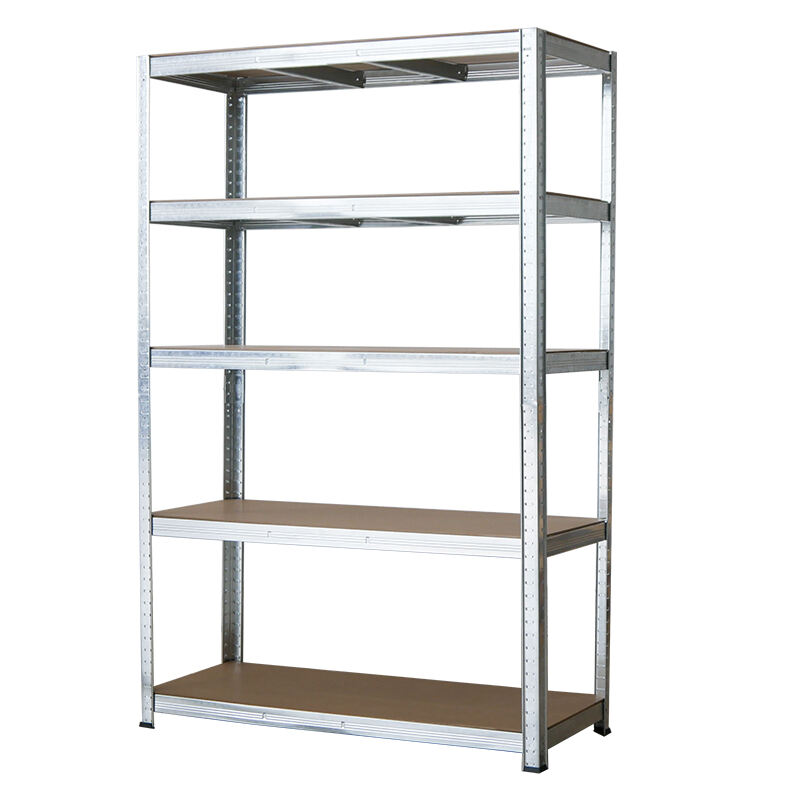
When sourcing garage storage solutions for commercial, industrial, or high-volume residential projects, selecting the right tool rack for garage supplier becomes a critical decision that impacts long-term operational efficiency, cost management, and customer satisfaction. Buyers must navigate a complex landscape of manufacturers offering varying levels of quality, customization capability, lead times, and after-sales support. The process of comparing suppliers extends far beyond price comparison—it requires a structured evaluation of production capacity, material standards, design flexibility, compliance certifications, logistics capabilities, and the supplier's track record in delivering consistent quality across multiple order cycles. This comprehensive guide walks buyers through the essential comparison framework needed to identify suppliers who can meet both immediate project requirements and support long-term partnership objectives in the competitive garage storage market.
Effective supplier comparison begins with understanding that not all tool rack for garage supplier operations maintain equivalent capabilities in engineering, manufacturing precision, or quality control systems. Professional buyers recognize that the cheapest quote rarely delivers the best total cost of ownership, especially when factoring in product durability, warranty support, replacement rates, and the reputational risk associated with inferior storage systems. The comparison methodology must therefore encompass quantifiable metrics such as load capacity certification, surface treatment durability testing, dimensional tolerance standards, and documented compliance with relevant safety regulations. Additionally, buyers should evaluate softer but equally important factors including communication responsiveness, technical support availability, customization willingness, and the supplier's ability to scale production volumes in response to fluctuating demand without compromising quality standards or delivery schedules.
Manufacturing Capability and Production Infrastructure Assessment
Production Capacity and Scalability Verification
When evaluating any tool rack for garage supplier, buyers must first assess whether the manufacturer possesses sufficient production capacity to fulfill current order volumes while maintaining reserve capacity for future growth or urgent replenishment needs. This assessment should include plant tours or detailed facility documentation showing the number of production lines, shift operations, daily output rates, and peak production capabilities. Suppliers with dedicated garage storage production lines typically demonstrate better quality consistency compared to those treating tool racks as secondary products within diversified manufacturing portfolios. Request specific production timeline data including average lead times for standard configurations, rush order capabilities, and historical on-time delivery performance metrics across various order sizes to understand realistic fulfillment expectations.
Manufacturing scalability becomes particularly critical for buyers managing seasonal demand fluctuations or rapid business expansion scenarios. A competent tool rack for garage supplier should articulate clear processes for ramping up production without quality degradation, including contingency plans for material procurement, labor scaling, and quality control maintenance during high-volume periods. Evaluate whether the supplier maintains relationships with multiple raw material sources to prevent supply chain bottlenecks, and whether they hold adequate inventory of long-lead components such as specialized fasteners, powder coating materials, or custom extrusions. Suppliers demonstrating proactive capacity planning and transparent communication about production constraints typically prove more reliable partners than those overpromising delivery capabilities they cannot consistently maintain.
Equipment Technology and Automation Levels
The technological sophistication of manufacturing equipment directly influences product quality consistency, dimensional accuracy, and unit cost efficiency. When comparing tool rack for garage supplier options, investigate the age and capability of critical equipment including CNC punching machines, automated welding systems, powder coating lines, and quality inspection stations. Modern automated production lines produce more consistent hole patterns, cleaner welds, more uniform coating thickness, and tighter dimensional tolerances compared to manual or semi-automated operations. Request information about equipment maintenance schedules, calibration protocols, and recent capital investments in production technology, as suppliers continuously upgrading their manufacturing capabilities generally demonstrate stronger long-term viability and quality improvement trajectories.
Advanced manufacturing technology also impacts a supplier's customization capabilities and design flexibility. Suppliers equipped with CAD/CAM integration, laser cutting systems, and programmable bending equipment can accommodate custom dimensions, hole patterns, and accessory configurations with minimal setup time and cost penalties. Evaluate whether the tool rack for garage supplier utilizes automated powder coating systems with precise temperature and coating thickness controls, as manual coating processes often result in inconsistent finish quality and reduced corrosion resistance. Additionally, assess whether the supplier employs automated packaging systems that ensure consistent product protection during shipping, reducing damage rates and associated replacement costs that can significantly impact total landed costs for volume buyers.
Quality Control Systems and Testing Protocols
Robust quality control infrastructure separates professional industrial suppliers from opportunistic manufacturers entering the garage storage market without appropriate quality safeguards. When evaluating any tool rack for garage supplier, request detailed documentation of their quality management systems including ISO 9001 certification status, internal quality control procedures, inspection frequency protocols, and statistical process control implementations. Examine whether the supplier conducts incoming material inspections to verify steel thickness, yield strength, and coating adhesion properties before production begins, as material quality variations represent the primary source of structural performance failures in garage storage systems.
Comprehensive testing protocols should include load capacity verification testing, coating adhesion and salt spray testing, weld strength assessment, and dimensional accuracy measurements conducted at defined intervals throughout production runs. A credible tool rack for garage supplier maintains documented testing records that buyers can audit, along with clear non-conformance procedures and corrective action processes when products fail to meet specifications. Request sample test reports and ask specific questions about testing frequency, acceptable tolerance ranges, and the percentage of production subject to destructive testing versus visual inspection only. Suppliers reluctant to share detailed quality documentation or unable to demonstrate systematic testing protocols present elevated risk profiles that may result in field failures, safety incidents, and costly product recalls.
Material Standards and Product Durability Evaluation
Steel Grade Selection and Thickness Verification
The structural integrity and load-bearing performance of garage tool racks depend fundamentally on the steel grade and thickness used in manufacturing. When comparing tool rack for garage supplier options, buyers must verify that quoted specifications accurately reflect delivered products, as material substitution represents a common cost-cutting practice among less reputable manufacturers. Request mill certificates or material test reports documenting the exact steel grade, yield strength, and tensile strength of materials used in frame construction, shelf panels, and reinforcement components. Cold-rolled steel generally provides superior surface finish and dimensional consistency compared to hot-rolled alternatives, though hot-rolled steel may offer cost advantages for heavy-duty industrial applications where surface appearance holds lower priority.
Steel thickness verification requires particular attention, as nominal thickness specifications may differ from actual measured thickness due to manufacturing tolerances or intentional under-specification. Professional buyers should request actual thickness measurements rather than accepting nominal specifications, and consider conducting independent thickness verification on sample units using calibrated measuring instruments. A reputable tool rack for garage supplier welcomes such verification and maintains consistent thickness across production batches, whereas suppliers showing resistance to measurement verification or significant thickness variations between samples may indicate quality control deficiencies or deliberate material cost reduction practices that compromise structural performance and safety margins.
Surface Treatment Quality and Corrosion Resistance
Surface treatment quality directly determines the functional lifespan of garage storage systems, particularly in environments with elevated humidity, temperature fluctuations, or exposure to corrosive substances common in automotive and industrial settings. When evaluating any tool rack for garage supplier, examine the specific coating system employed, including surface preparation methods, coating material composition, application thickness, and curing protocols. Powder coating represents the industry standard for garage storage applications due to superior durability, impact resistance, and environmental compliance compared to liquid paint systems. However, powder coating quality varies dramatically based on pre-treatment processes, with phosphate conversion coating or zinc phosphate pre-treatment delivering significantly better corrosion resistance than simple cleaning and degreasing.
Request salt spray test results demonstrating coating performance under accelerated corrosion conditions, with professional-grade systems typically achieving 500+ hours without visible corrosion compared to 100-200 hours for basic powder coating applications. Evaluate coating thickness specifications and uniformity, as inadequate coating thickness on edges, corners, and weld zones creates vulnerability points for corrosion initiation. A quality-focused tool rack for garage supplier maintains detailed coating process documentation including pre-treatment chemistry, coating powder specifications, oven temperature profiles, and post-cure quality inspections. Consider requesting samples exposed to your specific operating environment for extended periods to assess real-world performance beyond standardized test conditions, particularly for harsh industrial applications or coastal regions with elevated salt exposure.
Welding Quality and Joint Integrity Assessment
Weld quality represents a critical but often overlooked factor in garage storage system durability and safety performance. Poor welding practices create structural weak points that may not manifest during initial load testing but progressively deteriorate under cyclic loading conditions or impact events common in active garage environments. When comparing tool rack for garage supplier candidates, examine welding specifications including weld type, penetration depth, and inspection standards. Continuous welds generally provide superior strength and appearance compared to spot welds, though they require greater skill and production time. Request information about welder certification levels, welding procedure specifications, and whether the supplier employs automated welding systems that deliver more consistent weld quality compared to manual operations.
Visual weld inspection should reveal consistent bead appearance, complete penetration without gaps or porosity, and smooth transitions without excessive spatter or grinding marks that might compromise coating adhesion. Professional tool rack for garage supplier operations conduct regular weld strength testing through destructive sampling, maintaining statistical records of weld performance across different production periods and welding stations. Ask specific questions about weld defect rates, rework percentages, and whether the supplier employs non-destructive testing methods such as ultrasonic or magnetic particle inspection for critical structural welds. Suppliers demonstrating systematic weld quality management with documented procedures and testing records present substantially lower risk profiles than those relying solely on visual inspection without quantitative performance verification.
Design Flexibility and Customization Capabilities
Standard Product Range and Configuration Options
A comprehensive standard product portfolio indicates a tool rack for garage supplier with deep market understanding and design maturity. Evaluate whether the supplier offers multiple height options, depth configurations, and load capacity ratings to accommodate diverse storage requirements without requiring custom engineering for common applications. Suppliers with well-developed standard ranges typically maintain better inventory availability, shorter lead times, and more competitive pricing compared to those requiring custom design for each project variation. Examine dimensional modularity to ensure compatibility with standard garage dimensions and the ability to create integrated storage systems combining different rack types, workbenches, and accessory components within unified design aesthetics.
Configuration flexibility within standard product lines demonstrates design sophistication and manufacturing capability. Assess whether the tool rack for garage supplier offers adjustable shelf positioning systems, interchangeable accessory mounting patterns, and modular expansion capabilities that allow customers to adapt storage configurations as needs evolve without replacing entire systems. Suppliers offering tool-free assembly options, reversible components, and standardized connection interfaces typically deliver better long-term value through enhanced reconfiguration flexibility and reduced installation labor costs. Request detailed product catalogs including load capacity charts, dimensional specifications, and accessory compatibility matrices to evaluate the breadth and coherence of the standard product offering before considering custom development requirements.
Custom Design and Engineering Support Services
For projects requiring specialized dimensions, unique load requirements, or integration with existing infrastructure, custom design capability becomes essential. When evaluating tool rack for garage supplier options for custom applications, assess the availability and expertise of in-house engineering resources capable of translating customer requirements into manufacturable designs. Professional suppliers maintain dedicated engineering teams with garage storage specialization who can provide load calculations, stability analysis, seismic compliance verification, and integration planning rather than simply modifying dimensions of existing designs without structural validation. Request examples of previous custom projects with complexity similar to your requirements, including design documentation, load testing results, and customer references.
Engineering support quality manifests through communication effectiveness, design iteration responsiveness, and technical documentation completeness. A capable tool rack for garage supplier provides detailed CAD drawings, material specifications, load capacity certifications, and installation instructions tailored to custom configurations. Evaluate whether the supplier offers 3D modeling and visualization services that help stakeholders understand proposed designs before manufacturing commitment, and whether they maintain design revision processes accommodating reasonable modifications during development phases. Suppliers demonstrating collaborative engineering approaches with structured communication protocols, regular progress updates, and transparent timeline expectations typically deliver superior custom project outcomes compared to those treating custom design as an administrative burden rather than value-added service opportunity.
Accessory Integration and System Expandability
Complete garage storage solutions require comprehensive accessory ecosystems beyond basic shelving structures. When comparing tool rack for garage supplier alternatives, evaluate the breadth and quality of compatible accessories including tool hooks, bin holders, drawer units, workbench integration components, and mobile cart systems. Suppliers offering integrated accessory lines with standardized mounting interfaces provide customers with greater flexibility to customize storage configurations for specific tool collections and workflow requirements. Examine whether accessories share consistent design language, finish quality, and load ratings with primary rack systems, as accessory quality inconsistency often indicates sourced components rather than controlled manufacturing.
System expandability represents a critical consideration for customers anticipating future storage needs or operating in evolving business environments. Assess whether the tool rack for garage supplier maintains product design continuity across model years, ensuring that expansion components purchased years after initial installation remain compatible with existing infrastructure. Suppliers frequently redesigning products without backward compatibility create orphaned installations requiring complete replacement rather than incremental expansion. Request information about product lifecycle management policies, component availability commitments, and whether the supplier maintains spare parts inventory for discontinued models to support long-term system maintenance and expansion requirements.
Compliance Verification and Safety Standards Assessment
Regulatory Compliance and Certification Documentation
Operating in regulated commercial and industrial environments requires garage storage systems meeting specific safety standards and compliance certifications. When evaluating any tool rack for garage supplier, verify compliance with relevant regional standards such as ANSI MH16.1 for industrial storage racks in North America, European EN 15512 for adjustable pallet racking, or equivalent standards governing your target markets. Request copies of actual test reports and certification documents rather than accepting verbal compliance claims, and verify that certifications apply to the specific models and configurations you intend to purchase rather than unrelated product lines. Third-party certification from recognized testing laboratories carries substantially greater credibility than supplier self-certification or testing conducted by affiliated organizations.
Compliance documentation should include detailed test methodologies, sample identification, load testing results, stability assessments, and clear statements of rated capacities under defined loading conditions. A professional tool rack for garage supplier maintains organized certification records readily accessible to customers and can articulate how product designs incorporate safety factors beyond minimum regulatory requirements. Evaluate whether the supplier demonstrates understanding of compliance requirements in your specific markets and can provide guidance on proper installation practices, load distribution protocols, and user safety training to ensure compliant deployment beyond simply supplying compliant products. Suppliers treating compliance as regulatory burden rather than quality commitment often demonstrate deficiencies in other quality-critical areas.
Load Capacity Testing and Performance Verification
Accurate load capacity ratings represent fundamental safety and performance specifications that buyers must verify independently rather than accepting manufacturer claims without substantiation. When comparing tool rack for garage supplier options, request detailed load testing reports documenting test methodologies, loading configurations, deflection measurements, and failure modes under overload conditions. Professional testing protocols should include both uniformly distributed load testing and concentrated load scenarios reflecting real-world usage patterns where heavy equipment or toolboxes create localized stress concentrations. Examine whether testing includes cyclic loading simulations that reveal fatigue characteristics and long-term performance degradation not apparent in static load tests.
Load capacity verification should extend beyond individual shelf ratings to include system-level stability testing under maximum rated loads with realistic load distribution patterns. A responsible tool rack for garage supplier conducts tip-over testing to verify stability under unbalanced loading conditions and earthquake simulation testing for applications in seismically active regions. Request safety factor information indicating the margin between rated capacity and actual failure loads, with professional industrial products typically incorporating 3:1 or higher safety factors compared to consumer-grade systems with minimal safety margins. Consider conducting independent load testing on sample units through qualified testing laboratories if purchasing large quantities or deploying in critical safety applications where failure could result in injury or significant property damage.
Installation Safety and User Documentation Quality
Even perfectly engineered garage storage systems present safety risks when improperly installed or used beyond design parameters. Evaluate whether the tool rack for garage supplier provides comprehensive installation documentation including anchor specifications, wall attachment requirements, leveling procedures, and load distribution guidelines. Professional-grade documentation includes detailed diagrams, step-by-step assembly instructions, torque specifications for critical fasteners, and clear warnings about improper installation practices that void warranties or create safety hazards. Suppliers offering installation training, video tutorials, or technical support hotlines demonstrate commitment to proper deployment and reduced liability exposure compared to those providing minimal documentation and assuming customers possess installation expertise.
User documentation quality extends beyond installation to include ongoing maintenance requirements, capacity limitation warnings, and guidance on proper loading techniques. Assess whether the supplier provides durable capacity placards designed for permanent attachment to installed racks, ensuring that users understand load limits even when original documentation becomes separated from equipment. Examine whether documentation addresses common misuse scenarios such as using racks as climbing structures, exceeding shelf capacity through improper load stacking, or removing structural components for convenience. A quality-focused tool rack for garage supplier treats documentation as liability management and customer success tool rather than regulatory formality, investing in clear communication that prevents misuse and extends product service life through proper maintenance practices.
Commercial Terms and Partnership Value Assessment
Pricing Structure Transparency and Total Cost Analysis
Price comparison represents the most obvious supplier evaluation criterion but requires sophisticated analysis beyond simple unit cost comparison. When evaluating tool rack for garage supplier pricing, examine complete cost structures including tooling charges for custom configurations, packaging costs, freight terms, minimum order quantities, and payment terms that impact cash flow and working capital requirements. Suppliers quoting artificially low unit prices while imposing high tooling fees, premium packaging charges, or unfavorable payment terms may deliver higher total costs than competitors with transparent all-inclusive pricing. Request detailed quotations breaking down all cost components and clearly stating what services and features each price tier includes to enable accurate comparison.
Total cost of ownership analysis must incorporate factors beyond initial purchase price including expected service life, maintenance requirements, warranty coverage, and replacement rates due to quality failures. A tool rack for garage supplier offering premium pricing but delivering superior durability, extended warranties, and comprehensive technical support may provide better five-year total cost compared to budget suppliers requiring frequent replacements, generating higher defect-related handling costs, or lacking responsive support when problems arise. Consider requesting customer references operating similar applications for extended periods to understand real-world durability and hidden costs not apparent in initial procurement decisions. Develop standardized cost comparison spreadsheets incorporating all relevant cost factors weighted by importance to your specific application to enable objective supplier comparison beyond superficial price comparison.
Lead Time Reliability and Delivery Performance History
Delivery reliability directly impacts project schedules, inventory carrying costs, and customer satisfaction in distribution or project-based business models. When comparing tool rack for garage supplier alternatives, investigate historical on-time delivery performance through customer references and request documented delivery metrics covering recent 12-month periods. Professional suppliers maintain delivery performance statistics and can articulate typical lead times for standard products versus custom configurations, rush order capabilities with associated premium costs, and communication protocols for potential delays. Examine whether the supplier provides production status updates, shipment tracking information, and proactive delay notifications rather than requiring customers to initiate inquiries about order status.
Lead time consistency proves particularly critical for buyers managing just-in-time inventory strategies or coordinating garage storage installation with broader construction or facility modification projects. Evaluate whether the tool rack for garage supplier demonstrates understanding of your delivery timing requirements and can accommodate specific scheduling needs including staged deliveries, precise delivery windows, or coordination with third-party installation teams. Suppliers maintaining safety stock of popular configurations, offering flexible production scheduling, and demonstrating transparent communication about capacity constraints typically deliver superior schedule reliability compared to those operating at maximum capacity with no buffer for demand fluctuations or production disruptions. Request contingency plans for supply chain disruptions, production equipment failures, or force majeure events to understand business continuity capabilities and backup sourcing options.
Warranty Coverage and After-Sales Support Quality
Warranty terms reveal supplier confidence in product quality and commitment to long-term customer relationships. When evaluating any tool rack for garage supplier, examine warranty coverage scope including duration, covered defects, exclusions, claim procedures, and remedy options. Professional industrial warranties typically cover structural defects and coating failures for 3-5 years while explicitly excluding damage from misuse, overloading, or improper installation. Evaluate whether warranty terms include parts-only coverage requiring customer labor for replacement or comprehensive coverage including installation of replacement components. Suppliers offering extended warranties or warranty upgrade options demonstrate quality confidence, while those providing minimal warranty coverage or imposing restrictive claim procedures may anticipate higher defect rates.
After-sales support quality manifests through technical assistance availability, replacement parts inventory, claim processing efficiency, and willingness to address issues beyond strict warranty terms when customer satisfaction merits accommodation. Assess whether the tool rack for garage supplier maintains dedicated customer service teams with technical product knowledge capable of troubleshooting installation challenges, recommending accessory solutions, or advising on capacity optimization. Request information about average response times for technical inquiries, replacement parts lead times, and customer satisfaction metrics if available. Consider testing support responsiveness by submitting technical questions during the evaluation phase to experience actual service quality rather than relying solely on marketing claims. Suppliers demonstrating responsive, knowledgeable support during pre-sale phases typically maintain superior service levels throughout customer relationships compared to those showing limited engagement before order commitment.
FAQ
What minimum order quantities should buyers expect from tool rack for garage supplier sources?
Minimum order quantity requirements vary significantly based on supplier business models and target customer segments. Large-scale manufacturers focusing on wholesale distribution typically impose minimum orders ranging from 50 to 200 units for standard configurations, while suppliers accommodating retail or small commercial buyers may accept orders as small as 10-20 units with premium pricing. Custom configurations generally require higher minimum quantities, often 100-500 units, to justify tooling costs and production setup time. Professional buyers should clarify MOQ requirements early in supplier evaluation, understanding that suppliers willing to accommodate smaller initial orders often provide valuable flexibility for market testing or project-specific procurement, while those enforcing strict high-volume minimums may offer better unit economics for established high-volume relationships. Some suppliers employ tiered pricing structures where unit costs decrease at defined quantity breakpoints, allowing buyers to optimize order sizes based on inventory carrying costs versus volume discount benefits.
How can buyers verify the actual manufacturing capacity of a tool rack for garage supplier?
Verifying manufacturing capacity requires moving beyond supplier claims to examine tangible evidence including facility tours, equipment inventories, labor force size, and historical production records. Request detailed facility information specifying factory square footage, number of production lines, shift operations, and monthly output capacity for relevant product categories. During facility visits, observe production floor organization, equipment utilization rates, work-in-process inventory levels, and quality control stations to assess whether observed operations align with stated capacity claims. Professional buyers should request customer references with similar order volumes and ask specific questions about the supplier's ability to meet delivery commitments during peak demand periods. Examine whether the supplier operates dedicated garage storage production lines or shares capacity with unrelated product categories that might create scheduling conflicts. Third-party factory audit reports from quality assurance firms or trade compliance auditors provide independent capacity verification, though buyers should ensure audits occurred recently enough to reflect current operations rather than historical capabilities that may have changed through equipment sales, facility relocations, or business restructuring.
What red flags indicate potentially unreliable tool rack for garage supplier partners?
Several warning signs suggest elevated risk when evaluating potential suppliers. Reluctance to provide detailed product specifications, test reports, or manufacturing process documentation indicates potential quality control deficiencies or deliberate opacity about inferior materials or construction methods. Suppliers unable to provide customer references, offering only testimonials from unknown sources, or showing resistance to facility visits raise concerns about actual manufacturing capabilities or product quality. Significant price disparities compared to market averages without clear explanations regarding cost advantages may indicate material substitution, inadequate quality control, or unsustainable pricing designed to win initial orders before implementing price increases. Communication inconsistencies including slow response times, vague answers to technical questions, or frequent personnel changes in customer-facing roles suggest organizational instability or limited technical expertise. Suppliers pressuring rapid purchase decisions without allowing adequate evaluation time, offering unusually aggressive payment terms heavily favoring the supplier, or demonstrating unfamiliarity with relevant quality standards and compliance requirements present elevated partnership risk requiring enhanced due diligence before commitment.
How should buyers evaluate the environmental and social responsibility of tool rack for garage supplier operations?
Environmental and social responsibility assessment increasingly influences supplier selection decisions as buyers face stakeholder pressure regarding supply chain sustainability. Evaluate whether suppliers maintain environmental management certifications such as ISO 14001, implement waste reduction and recycling programs, and utilize powder coating systems with low volatile organic compound emissions compared to solvent-based alternatives. Examine energy efficiency initiatives in manufacturing operations, renewable energy adoption, and carbon footprint reduction commitments. Social responsibility evaluation should include workplace safety records, employee welfare policies, fair wage practices, and absence of child or forced labor throughout the supply chain. Request documentation of third-party social compliance audits conducted by recognized organizations, and evaluate whether suppliers maintain transparent reporting about environmental performance and social responsibility initiatives. Buyers prioritizing sustainability should ask specific questions about recycled content in steel materials, end-of-life product recyclability, and take-back programs for obsolete equipment. Suppliers demonstrating genuine commitment to environmental and social responsibility through certified management systems, transparent reporting, and continuous improvement programs typically operate more professionally across all business dimensions compared to those treating sustainability as marketing exercise without substantive operational implementation.
Table of Contents
- Manufacturing Capability and Production Infrastructure Assessment
- Material Standards and Product Durability Evaluation
- Design Flexibility and Customization Capabilities
- Compliance Verification and Safety Standards Assessment
- Commercial Terms and Partnership Value Assessment
-
FAQ
- What minimum order quantities should buyers expect from tool rack for garage supplier sources?
- How can buyers verify the actual manufacturing capacity of a tool rack for garage supplier?
- What red flags indicate potentially unreliable tool rack for garage supplier partners?
- How should buyers evaluate the environmental and social responsibility of tool rack for garage supplier operations?

