 EN
EN

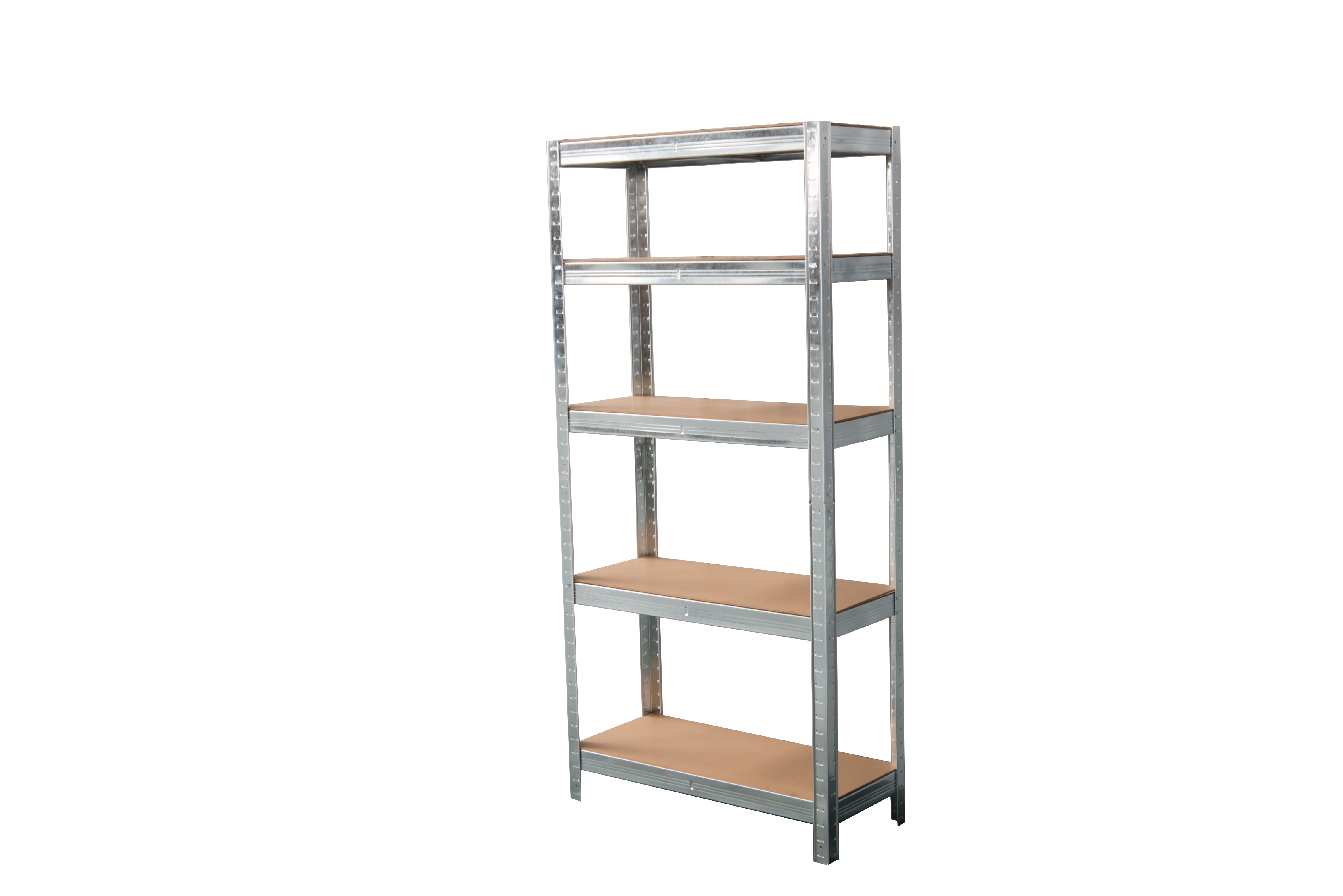
Commercial kitchens operate in environments where durability, hygiene, and efficiency are non-negotiable. Every piece of equipment must withstand constant use, rigorous cleaning protocols, and the physical demands of food preparation at scale. In this context, the choice of storage infrastructure becomes a critical operational decision. A reliable metal kitchen shelves supplier provides more than just products—they deliver structural solutions engineered to meet health code standards, maximize space utilization, and support the logistical complexity of high-volume food service. The dependency on specialized suppliers stems from the unique intersection of material science, regulatory compliance, and the operational realities that generic retail shelving simply cannot address.
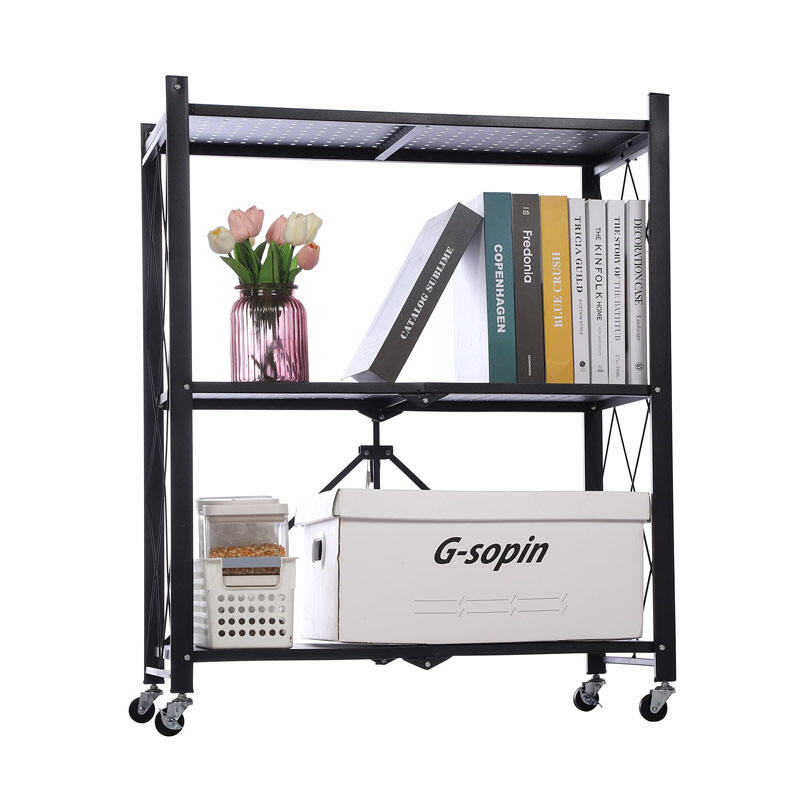
The reliance on dedicated metal kitchen shelves suppliers is rooted in the technical specifications and certification requirements that distinguish commercial-grade shelving from residential alternatives. Food safety regulations mandate materials that resist corrosion, prevent bacterial growth, and endure repeated exposure to moisture and cleaning chemicals. Suppliers specializing in commercial kitchen equipment understand these regulatory frameworks and engineer their products accordingly. They provide documentation, material certifications, and design features that align with NSF International standards and local health department requirements. This specialized knowledge transforms a supplier from a vendor into a compliance partner, ensuring that storage solutions contribute to rather than compromise food safety protocols.
Material Engineering and Structural Integrity
Corrosion Resistance in Demanding Environments
Commercial kitchens expose shelving to conditions that would rapidly degrade ordinary metal storage. A professional metal kitchen shelves supplier sources materials specifically engineered for corrosive environments. Stainless steel grades such as 304 and 316 offer chromium and nickel compositions that form passive oxide layers, preventing rust even under continuous moisture exposure. This material selection is not arbitrary but based on electrochemical principles that govern metal stability in high-humidity, high-temperature conditions. Suppliers understand the difference between decorative chrome finishes and structural corrosion resistance, providing shelving that maintains integrity through years of dishwasher proximity and steam exposure.
The welding techniques and joint construction methods employed by specialized suppliers further enhance structural durability. Commercial-grade shelving uses TIG welding or robotic MIG processes that create uniform, penetration welds without compromising the corrosion resistance of base materials. These manufacturing details matter because failure points in commercial environments typically occur at joints and connections where stress concentrates. A knowledgeable metal kitchen shelves supplier designs shelf systems with reinforced corners, gusseted supports, and weight distribution geometries that prevent sagging under heavy loads. This engineering approach addresses the practical reality that commercial shelving must support industrial mixers, bulk ingredient containers, and stacked cookware that far exceed residential weight requirements.
Load Capacity Specifications and Safety Margins
Weight capacity represents a critical specification that separates commercial from consumer shelving products. Restaurants, hotels, and institutional kitchens require storage solutions capable of supporting several hundred pounds per shelf while maintaining structural stability. A specialized metal kitchen shelves supplier provides engineering documentation that specifies not just maximum load but also load distribution parameters and safety factors. This technical transparency allows kitchen managers to make informed decisions about storage configuration and prevents catastrophic failures that could result in injury, product loss, or operational shutdown.
The physics of load distribution in multi-tier shelving systems requires understanding of vertical load paths, lateral stability, and dynamic loading scenarios. When kitchen staff retrieve items from upper shelves or accidentally impact units with carts, the shelving must absorb these forces without tipping or collapsing. Professional suppliers design systems with low centers of gravity, wide footprints, and optional wall-mounting brackets that address these real-world usage patterns. They also provide adjustable shelf heights that allow operators to optimize storage for different item sizes while maintaining structural integrity. This flexibility, combined with robust engineering, explains why commercial operations consistently turn to specialized suppliers rather than attempting to adapt residential storage solutions.
Regulatory Compliance and Health Code Alignment
NSF Certification and Material Standards
Health departments across jurisdictions reference NSF International standards when evaluating commercial kitchen equipment for approval. These standards establish specific requirements for materials, construction methods, and cleanability that directly impact food safety. A reputable metal kitchen shelves supplier maintains NSF certification for their product lines, which involves rigorous testing protocols and ongoing compliance audits. This certification provides kitchen operators with documented evidence that their storage infrastructure meets regulatory requirements, simplifying inspection processes and reducing the risk of violations that could result in operational shutdowns or fines.
The material composition requirements within NSF standards address concerns beyond simple cleanliness. They specify acceptable alloy compositions, surface finish characteristics, and manufacturing processes that prevent contamination. For example, standards prohibit materials that might leach chemicals into food contact zones or harbor pathogens in microscopic surface irregularities. When a metal kitchen shelves supplier provides NSF-certified products, they guarantee that every component from shelf surfaces to connector hardware meets these material purity standards. This level of quality control is impossible to verify with generic industrial shelving not designed for food service applications.
Sanitation Design Principles
Commercial kitchen shelving must facilitate rather than impede cleaning protocols. Health codes require that storage units allow easy access for cleaning all surfaces and prevent accumulation of debris or moisture. Specialized suppliers incorporate sanitary design principles such as open wire construction that prevents dust accumulation, sloped surfaces that prevent water pooling, and seamless construction that eliminates crevices where bacteria could colonize. These design features reflect deep understanding of microbial growth patterns and cleaning efficacy, knowledge that generic equipment manufacturers typically lack.
The spacing between wire grids, the radius of corner bends, and the clearance between shelves and walls all influence cleanability in ways that impact health inspection outcomes. A professional metal kitchen shelves supplier designs products with specific clearance dimensions that allow cleaning tools to reach all surfaces while maintaining structural efficiency. They also provide installation guidance regarding floor clearance requirements and wall spacing that align with local health codes. This attention to regulatory detail transforms equipment selection from a purchasing decision into a compliance strategy, explaining why kitchen operators view supplier relationships as partnerships rather than simple vendor transactions.
Operational Efficiency and Space Optimization
Vertical Storage Maximization
Commercial kitchen real estate costs demand maximum utilization of available cubic footage. A knowledgeable metal kitchen shelves supplier offers systems engineered for vertical storage density without sacrificing accessibility. Multi-tier configurations with adjustable shelf heights allow operators to customize storage for items ranging from small ingredient containers to bulk food service supplies. This configurability addresses the reality that kitchen inventory varies seasonally and operationally, requiring storage infrastructure that adapts rather than constrains operational flexibility.
The vertical load-bearing capacity of commercial shelving enables stacking strategies that multiply effective storage area within existing floor space. When properly engineered, a six-tier shelving unit occupies the same floor footprint as a two-tier system while tripling storage capacity. Professional suppliers design these systems with stability features such as inter-unit connectors, seismic bracing options, and heavy-gauge posts that maintain safety even at maximum height configurations. This engineering expertise allows kitchen managers to implement dense storage layouts that reduce retrieval distances and improve workflow efficiency without compromising safety or code compliance.
Mobility and Reconfiguration Capabilities
Commercial kitchens frequently reconfigure layouts to accommodate menu changes, seasonal volume fluctuations, or operational improvements. Mobile shelving systems with industrial casters provide the flexibility to reorganize storage zones without permanent installation. A specialized metal kitchen shelves supplier offers mobility solutions engineered for commercial environments, featuring locking casters rated for loaded weight, corrosion-resistant wheel mechanisms, and braking systems that prevent unintended movement during use. These components represent significant engineering beyond consumer-grade casters, addressing the reality that commercial units may weigh several hundred pounds when fully loaded.
The ability to quickly reconfigure storage layouts supports operational agility that directly impacts profitability. During high-volume periods, mobile units can be repositioned to reduce travel distances for frequently accessed items. During cleaning operations, mobile shelving allows thorough floor sanitation without permanent obstacles. This operational flexibility explains why kitchen managers increasingly specify mobile configurations when working with their metal kitchen shelves supplier, viewing mobility not as a convenience feature but as a strategic operational capability that enhances both efficiency and sanitation compliance.
Total Cost of Ownership and Long-Term Value
Durability and Replacement Cost Avoidance
Initial purchase price represents only one component of storage infrastructure costs. Commercial operations must evaluate total cost of ownership including replacement frequency, maintenance requirements, and operational disruption from equipment failure. A quality metal kitchen shelves supplier provides products engineered for decade-long service lives, dramatically reducing lifecycle costs compared to frequent replacement of lower-grade alternatives. The stainless steel construction, reinforced joints, and corrosion-resistant finishes that characterize commercial-grade shelving maintain structural integrity and appearance through years of demanding use, preserving asset value and avoiding premature replacement expenses.
The hidden costs of equipment failure in commercial kitchens extend beyond replacement expenses to include operational disruption, safety risks, and potential health code violations. When shelving collapses or corrodes, the resulting product loss, cleanup requirements, and inspection complications can exceed the cost of proper equipment many times over. Professional suppliers mitigate these risks through engineering that builds in safety margins and material specifications that prevent degradation. This risk management value proposition explains why experienced kitchen operators view supplier selection as a strategic decision rather than a commodity purchase, understanding that quality differences have material financial implications over equipment lifecycles.
Scalability and System Expansion
Growing food service operations require storage infrastructure that can scale incrementally without complete replacement. A forward-thinking metal kitchen shelves supplier offers modular systems with standardized components that allow expansion by adding units rather than replacing entire installations. This modularity provides financial flexibility by spreading capital investment over time while maintaining system consistency and compatibility. The ability to match existing configurations years after initial purchase requires suppliers to maintain stable product lines and component availability, distinguishing professional suppliers from retailers focused on rapid model turnover.
System compatibility extends beyond physical dimensions to include finish consistency, load rating uniformity, and accessory interchangeability. When kitchens expand operations or add storage capacity, matching existing installations maintains visual consistency and operational familiarity. Professional metal kitchen shelves suppliers understand this requirement and engineer product lines with long-term stability, providing documentation and specifications that enable precise matching even years after initial installation. This commitment to system continuity reflects understanding that commercial clients make infrastructure investments with multi-year planning horizons, requiring supplier partnerships that extend beyond individual transactions to support ongoing operational evolution.
Supplier Expertise and Technical Support
Application Engineering and Custom Solutions
Standard shelving configurations address common requirements, but many commercial kitchens face unique spatial constraints or specialized storage needs. A capable metal kitchen shelves supplier provides application engineering support that translates operational requirements into custom storage solutions. This engineering capability includes spatial analysis, load calculation, and configuration design that optimizes storage density while maintaining code compliance. The ability to specify custom dimensions, specialized finishes, or unique mounting configurations distinguishes suppliers with deep technical capabilities from simple product distributors.
The consultation process between experienced suppliers and kitchen operators often reveals opportunities for efficiency improvements beyond basic storage provision. Suppliers familiar with commercial kitchen workflows can identify bottlenecks in current layouts and propose storage reconfigurations that reduce retrieval times, improve inventory rotation, or enhance sanitation access. This advisory role transforms the supplier relationship from transactional to strategic, providing value that extends beyond product delivery to encompass operational optimization. Kitchen managers increasingly seek these consultative relationships when selecting their metal kitchen shelves supplier, recognizing that technical expertise represents a differentiating capability with tangible operational impact.
Installation Support and Compliance Documentation
Proper installation of commercial shelving systems requires understanding of weight distribution, anchoring requirements, and spatial clearances that affect both functionality and code compliance. Professional suppliers provide installation guidance, mounting hardware specifications, and assembly documentation that ensures correct implementation. This support reduces installation errors that could compromise structural integrity or create health code violations, protecting both the equipment investment and operational continuity.
The documentation provided by quality metal kitchen shelves suppliers includes material certifications, load rating specifications, and compliance statements that facilitate health inspections and insurance reviews. This paperwork represents more than administrative overhead—it provides auditable evidence of due diligence in equipment selection and installation. When health inspectors question storage infrastructure, operators can reference supplier documentation to demonstrate compliance with material and construction standards. This documentation support represents a value component that generic equipment sources cannot provide, explaining why commercial operators consistently prefer specialized suppliers despite potentially higher initial costs.
FAQ
What makes commercial metal kitchen shelving different from residential storage racks?
Commercial metal kitchen shelving differs fundamentally in material specifications, load capacity, and regulatory compliance. While residential racks may use lower-grade steel with decorative finishes, commercial units employ food-grade stainless steel alloys engineered for corrosion resistance in high-moisture environments. Load capacities typically range from three hundred to eight hundred pounds per shelf compared to residential ratings of fifty to one hundred pounds. Most critically, commercial shelving must meet NSF International standards for material composition, construction methods, and cleanability—requirements that residential products do not address. These differences reflect the operational realities of food service environments where equipment faces constant use, rigorous cleaning, and health department inspection.
How do health departments evaluate metal shelving during kitchen inspections?
Health inspectors assess shelving based on material suitability, cleanability, and installation compliance with local codes. They verify that surfaces are smooth and non-absorbent, constructed from approved materials that will not contaminate food or harbor bacteria. Inspectors check for proper floor clearance, typically six inches minimum to allow cleaning beneath units and prevent pest harborage. They evaluate whether shelving design allows complete cleaning access without disassembly and whether units are properly anchored to prevent tipping hazards. Documentation from a reputable metal kitchen shelves supplier demonstrating NSF certification and material compliance significantly facilitates this inspection process by providing objective evidence of regulatory conformance.
Can mobile shelving units meet the same durability standards as fixed installations?
High-quality mobile shelving from specialized commercial suppliers meets identical structural and material standards as fixed units while adding mobility components engineered for loaded operation. The key difference lies in caster specification—commercial mobile units employ heavy-duty locking casters rated for the combined weight of the shelving structure and maximum load capacity. These industrial casters feature corrosion-resistant construction and braking mechanisms designed for frequent engagement under load. Properly specified mobile units from professional metal kitchen shelves suppliers maintain the same stainless steel construction, load ratings, and NSF compliance as stationary configurations, with mobility representing an added capability rather than a durability compromise.
What factors should determine the load capacity requirements for commercial kitchen shelving?
Load capacity specifications should reflect the heaviest items stored plus a safety margin to account for uneven weight distribution and dynamic loading during retrieval. Consider that bulk ingredient containers, commercial mixers, and stacked cookware can exceed two hundred pounds per item. Professional metal kitchen shelves suppliers recommend calculating total anticipated weight per shelf and selecting units rated at least fifty percent above that figure to ensure long-term structural integrity. Also factor in the cumulative weight on lower shelves in multi-tier configurations, as vertical load paths concentrate weight on base supports. Kitchen operations storing heavy equipment or bulk supplies should consult with their supplier's engineering team to verify that proposed configurations maintain adequate safety margins under realistic loading conditions.
Table of Contents
- Material Engineering and Structural Integrity
- Regulatory Compliance and Health Code Alignment
- Operational Efficiency and Space Optimization
- Total Cost of Ownership and Long-Term Value
- Supplier Expertise and Technical Support
-
FAQ
- What makes commercial metal kitchen shelving different from residential storage racks?
- How do health departments evaluate metal shelving during kitchen inspections?
- Can mobile shelving units meet the same durability standards as fixed installations?
- What factors should determine the load capacity requirements for commercial kitchen shelving?

