Storage Racks Factory - Custom Industrial Storage Solutions Manufacturing

Contact me immediately if you encounter problems!

All Categories

storage racks factory

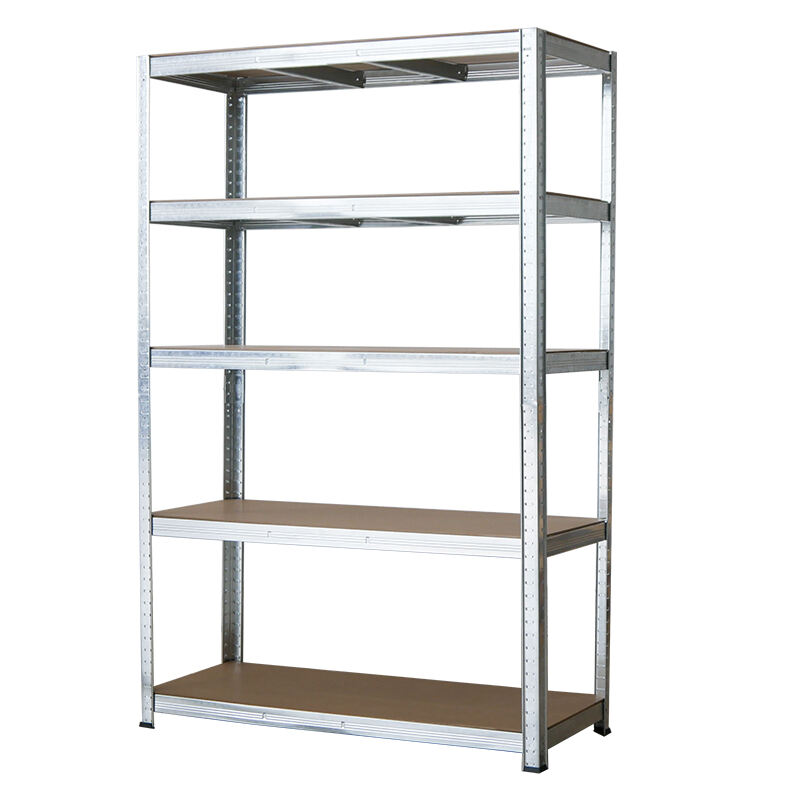
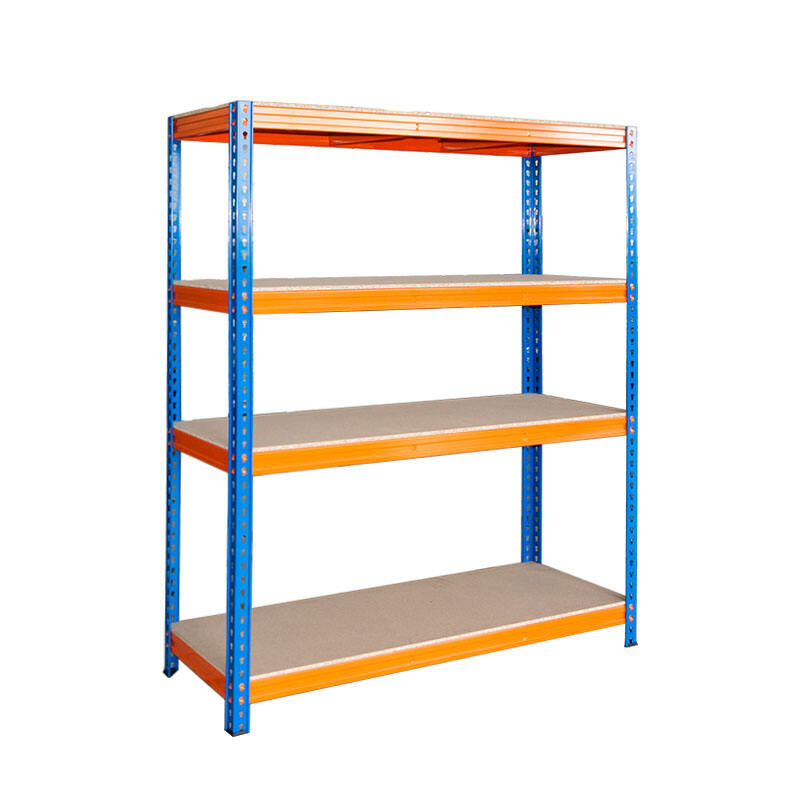
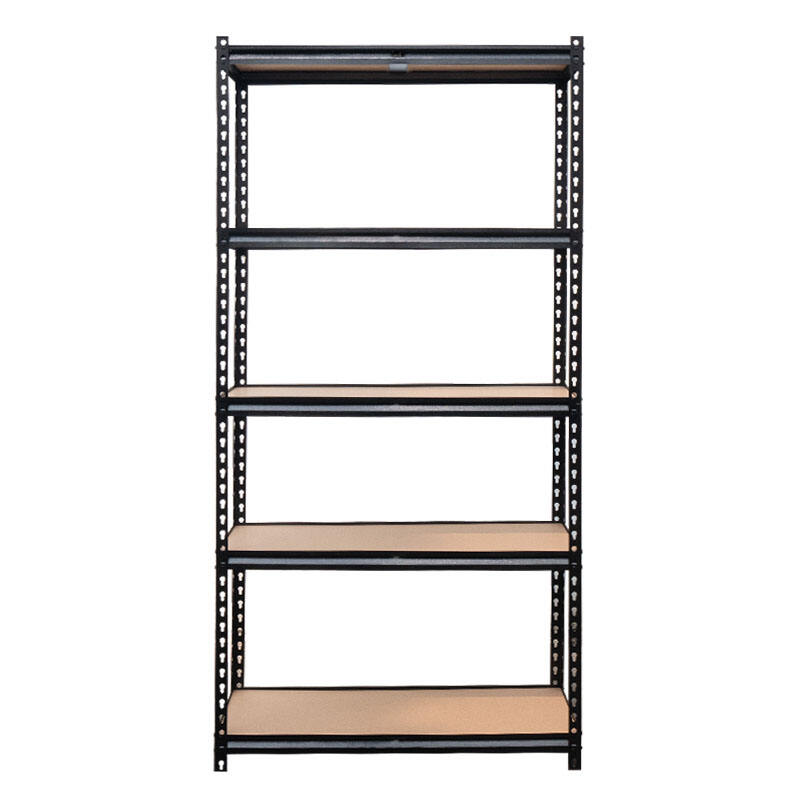
A storage racks factory represents a specialized manufacturing facility dedicated to designing, engineering, and producing comprehensive storage solutions for diverse industries worldwide. These factories serve as the backbone of modern warehousing and logistics operations, creating everything from basic shelving units to sophisticated automated storage systems. The primary function of a storage racks factory involves transforming raw materials like steel, aluminum, and specialized alloys into durable, functional storage infrastructure that maximizes space utilization and improves operational efficiency. Through advanced manufacturing processes, these facilities produce pallet racking systems, cantilever racks, mezzanine floors, drive-in racking, push-back systems, and customized storage configurations tailored to specific client requirements. The technological features integrated within modern production environments include computer-aided design software, precision laser cutting equipment, automated welding stations, powder coating lines, and quality control systems that ensure every product meets international safety standards such as ISO certifications and local building codes. Manufacturing capabilities extend beyond standard products to encompass custom engineering solutions that address unique spatial challenges, weight-bearing requirements, and operational workflows. The applications of products manufactured in these facilities span numerous sectors including retail distribution centers, pharmaceutical warehouses, automotive parts storage, cold storage facilities, food and beverage logistics, manufacturing plants, e-commerce fulfillment centers, and archive storage systems. A professional storage racks factory employs skilled engineers, experienced welders, quality assurance specialists, and logistics coordinators who collaborate to deliver reliable storage infrastructure. The production process typically involves material procurement, cutting and forming operations, welding and assembly, surface treatment through galvanizing or powder coating, rigorous testing procedures, and finally packaging for shipment. By maintaining strict quality protocols and investing in cutting-edge manufacturing technology, these factories ensure their products deliver long-term value, safety, and performance in demanding warehouse environments where reliability directly impacts business productivity and profitability.

Popular Products

Choosing products from a dedicated storage racks factory provides numerous practical benefits that directly impact your operational success and bottom line. First and foremost, you gain access to cost-effective solutions because manufacturers eliminate middleman markups, passing savings directly to customers while maintaining superior quality standards. Direct factory relationships mean you can customize dimensions, load capacities, colors, and configurations to perfectly match your specific warehouse layout and inventory requirements without paying premium prices for standard off-the-shelf alternatives. The engineering expertise housed within these facilities ensures every rack system is designed with safety as the paramount concern, utilizing proper load distribution calculations, seismic considerations where applicable, and structural integrity testing that protects both your inventory and personnel. Quality control measures implemented throughout the manufacturing process guarantee consistent product standards, with each component inspected multiple times before leaving the facility, reducing the likelihood of installation problems or premature equipment failure. Another significant advantage involves shorter lead times when ordering directly from the source, as factories maintain raw material inventories and production schedules that can accommodate urgent projects without the delays associated with distributor networks. Technical support becomes more accessible and knowledgeable when dealing directly with manufacturing teams who understand every aspect of their products, providing accurate guidance on installation procedures, weight capacity questions, expansion possibilities, and maintenance requirements. The warranty and after-sales service offered by reputable factories typically exceeds what resellers provide, giving you peace of mind knowing that any manufacturing defects or structural issues will be promptly addressed by the entity responsible for creating the product. Scalability represents another crucial benefit, as established relationships with a factory allow your storage infrastructure to grow seamlessly alongside your business, with consistent product specifications and compatible expansion components readily available for future phases. Environmental considerations have become increasingly important, and modern factories implement sustainable practices including recyclable materials, energy-efficient production methods, and powder coating processes that eliminate harmful volatile organic compounds. The documentation and certification provided directly from manufacturing sources simplifies compliance with building codes, insurance requirements, and safety inspections, as you receive authentic load capacity charts, engineering specifications, and material certificates that inspectors and insurance adjusters require. Finally, the innovation and continuous improvement culture within progressive factories means you benefit from the latest design enhancements, material improvements, and engineering solutions that emerge from ongoing research and development investments, keeping your storage infrastructure aligned with industry best practices.

Latest News

What's the ROI of Aluminum Carts vs. Steel for Food Processing Plants?

28

Apr

What's the ROI of Aluminum Carts vs. Steel for Food Processing Plants?

Food processing plants operate under demanding conditions where equipment selection directly impacts operational efficiency, maintenance costs, and long-term profitability. When evaluating material handling solutions, plant managers face a critical d...
View More
What Specs Guarantee a Heavy-Duty Platform Trolley for Industrial Use?

29

Apr

What Specs Guarantee a Heavy-Duty Platform Trolley for Industrial Use?

Industrial environments demand equipment that can withstand continuous stress, heavy loads, and rigorous daily use. A heavy duty platform truck trolley is not merely a convenience—it is a critical asset that directly impacts operational efficiency, w...
View More
When does supplier capacity matter for wire garage shelving orders?

30

Apr

When does supplier capacity matter for wire garage shelving orders?

Selecting a wire garage shelving supplier involves more than comparing price lists and lead times. Supplier capacity—the ability to fulfill orders at scale, maintain consistent quality, and adapt to demand fluctuations—directly impacts your project t...
View More
When should procurement teams audit garage tool rack suppliers?

30

Apr

When should procurement teams audit garage tool rack suppliers?

Procurement teams responsible for warehouse equipment, garage storage systems, and facility organization face a critical question: when is the right time to audit their tool rack for garage supplier? This decision carries significant weight, as the q...
View More

Get a Free Quote

Our representative will contact you soon.
Email Adress
Your Name
Phone
Company Name
Message
0/1000

storage racks factory

Advanced Manufacturing Capabilities and Precision Engineering

Advanced Manufacturing Capabilities and Precision Engineering

The cornerstone of any reputable storage racks factory lies in its advanced manufacturing capabilities and commitment to precision engineering that transforms conceptual designs into robust, reliable storage infrastructure. Modern facilities invest millions in state-of-the-art equipment including CNC laser cutting machines that achieve tolerances measured in fractions of millimeters, ensuring perfect hole alignments for easy assembly and structural consistency across thousands of identical components. Automated welding robots execute consistent, high-quality welds that eliminate human error and variability, creating joints that exceed strength requirements and withstand decades of heavy-use cycles in demanding warehouse environments. The engineering teams within these factories utilize sophisticated finite element analysis software to simulate stress distributions, identify potential weak points, and optimize material usage without compromising structural integrity or safety margins. This computational approach allows designers to create lighter yet stronger rack configurations that reduce material costs and installation labor while maintaining or exceeding load capacity specifications. The manufacturing process benefits from integrated quality management systems that track every component from raw material receipt through final inspection, creating complete traceability and accountability that proves invaluable when certifications or compliance documentation is required. Surface treatment represents another critical manufacturing capability, with in-house powder coating lines applying durable, corrosion-resistant finishes in virtually any color specification, while hot-dip galvanizing options provide maximum protection for racks deployed in harsh environments with temperature extremes, moisture exposure, or chemical presence. The precision achieved through advanced manufacturing directly translates to installation efficiency, as components fit together seamlessly without field modifications, reducing labor hours and minimizing the frustration associated with poorly manufactured products that require on-site adjustments. Furthermore, the capacity to produce custom configurations without significant cost premiums or extended lead times provides businesses with storage solutions perfectly matched to their unique operational requirements, whether that involves unusual ceiling heights, specialized load patterns, or integration with existing infrastructure and material handling equipment.
Comprehensive Quality Assurance and Safety Standards Compliance

Comprehensive Quality Assurance and Safety Standards Compliance

Quality assurance and rigorous safety standards compliance distinguish professional storage racks factory operations from low-quality manufacturers who cut corners and create liability risks for unsuspecting customers. The quality journey begins with incoming material inspection, where metallurgical testing confirms that steel grades, thicknesses, and chemical compositions meet specified requirements, preventing substandard materials from entering the production stream. Throughout fabrication, dimensional checks verify that components conform to engineering drawings, with regular sampling and measurement protocols ensuring consistency across production runs. Weld quality receives particular attention, with certified welding inspectors conducting visual examinations and periodically performing destructive testing on sample welds to validate that joint strength exceeds minimum requirements by comfortable safety margins. Load testing represents perhaps the most critical quality assurance activity, where representative rack configurations are subjected to forces far exceeding their rated capacities to verify structural performance and identify the actual failure modes and safety factors built into the design. These tests generate empirical data that supports load capacity ratings and provides the technical foundation for engineering certifications and approvals from building officials. Compliance with international standards such as RMI specifications in North America, FEM guidelines in Europe, and AS4084 in Australia requires detailed documentation, third-party audits, and ongoing vigilance as standards evolve to incorporate new safety research and industry best practices. Reputable factories maintain relationships with independent testing laboratories and certification bodies who periodically audit manufacturing processes, review technical documentation, and witness load tests to provide unbiased verification that products meet claimed performance specifications. The safety culture extends beyond product testing to encompass comprehensive installation instructions, clear load capacity markings, safety accessory offerings like column protectors and safety netting, and customer education about proper loading procedures and ongoing inspection requirements. Insurance companies and risk management professionals increasingly recognize that storage infrastructure quality directly impacts liability exposure, making the comprehensive quality assurance programs of established factories a valuable risk mitigation tool that protects both property and personnel while potentially reducing insurance premiums through demonstrated commitment to safety excellence.
Customization Flexibility and Application-Specific Solutions

Customization Flexibility and Application-Specific Solutions

The ability to deliver customization flexibility and develop application-specific solutions represents a fundamental advantage that distinguishes working directly with a storage racks factory from purchasing generic products through distributors or online marketplaces. Every warehouse and storage facility presents unique challenges related to building dimensions, column spacing, ceiling heights, floor load capacities, inventory characteristics, material handling equipment, operational workflows, and future expansion possibilities that generic solutions cannot adequately address. Professional factories employ applications engineering teams who collaborate with customers to understand these specific requirements, conducting site surveys when necessary, reviewing building drawings, analyzing inventory profiles, and developing optimized layouts that maximize storage density while maintaining safe and efficient access to stored materials. The customization capabilities extend to virtually every product dimension, including upright heights manufactured to utilize full clear ceiling height, beam lengths sized to match existing building modules, depth selections optimized for specific pallet dimensions or product types, and load capacities engineered precisely for actual inventory weights rather than over-specifying and wasting resources on unnecessary structural capacity. Specialized industries benefit tremendously from application-specific expertise, such as cold storage facilities requiring specific materials and coatings that withstand extreme temperature cycling, pharmaceutical warehouses needing validated systems with lot traceability and FIFO rotation capabilities, or automotive parts storage demanding specialized hanging systems and small-parts organization integrated with bulk pallet storage. The manufacturing flexibility of established factories allows them to accommodate these specialized requirements without the prohibitive costs associated with completely custom one-off designs, as their engineering teams have developed proven solutions for common applications while retaining the capability to innovate when truly unique challenges arise. Color customization provides branding opportunities and visual organization benefits, with powder coating lines capable of matching corporate color schemes or implementing color-coding systems that enhance picking accuracy and inventory management. Accessory integration represents another dimension of customization, with factories offering or accommodating wire decking, pallet supports, row spacers, seismic bracing, column protectors, safety barriers, identification signage, and specialized attachments that transform basic racking into comprehensive storage systems optimized for specific operational requirements. The relationship-based approach of working directly with manufacturing teams creates opportunities for iterative design refinement, value engineering suggestions that reduce costs without compromising functionality, and phased implementation strategies that align infrastructure investments with business growth trajectories and capital availability.
email goToTop