 EN
EN

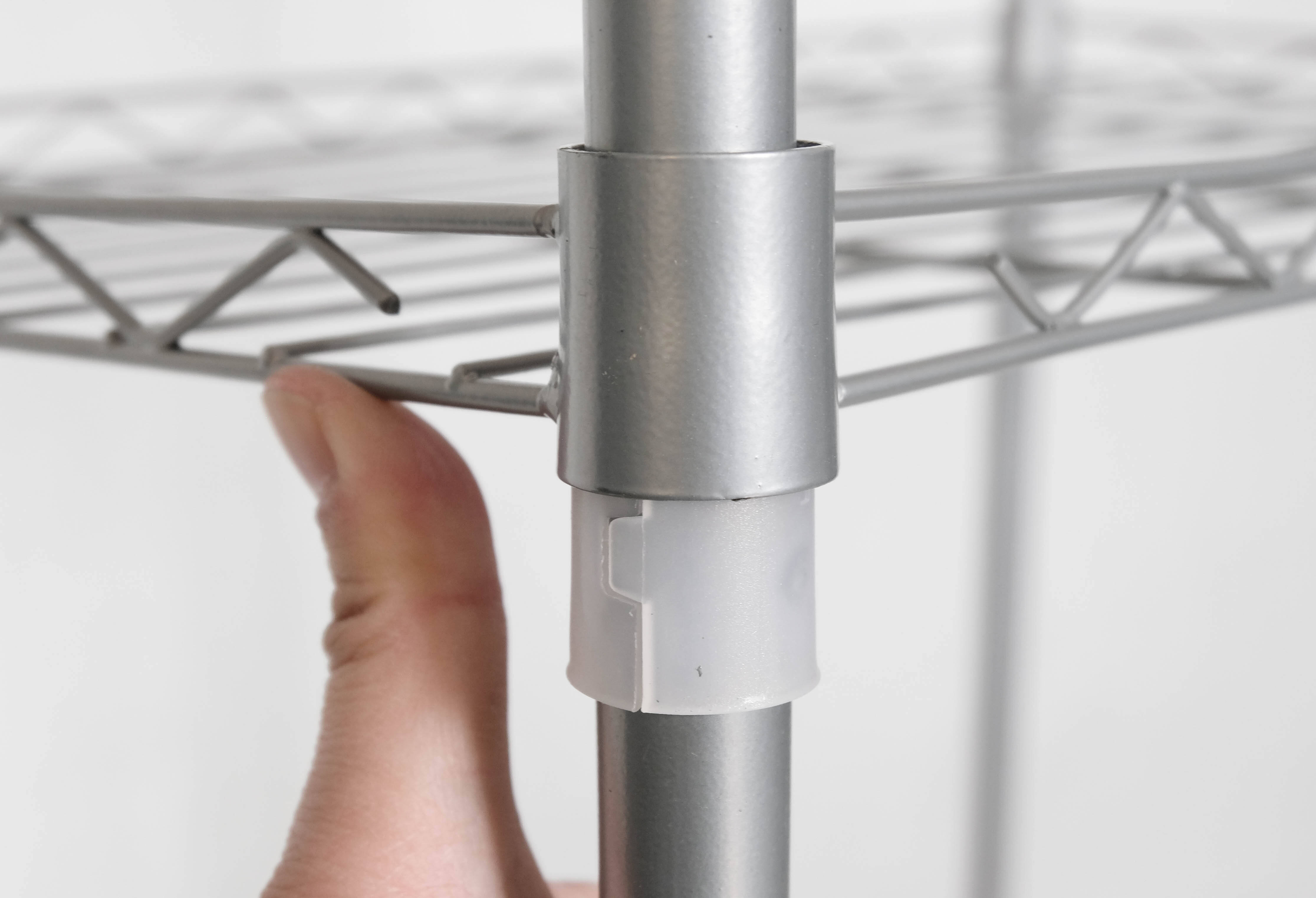
In high-airflow environments, storage design has a direct effect on product integrity, sanitation outcomes, and day-to-day operating stability. The main reason to use a heavy duty wire shelf is that it supports airflow instead of blocking it, while still carrying substantial loads without deformation. That combination matters in facilities where ventilation is engineered to control heat, humidity, particles, or drying time. A heavy duty wire shelf helps operations maintain process consistency without forcing a tradeoff between circulation and strength.
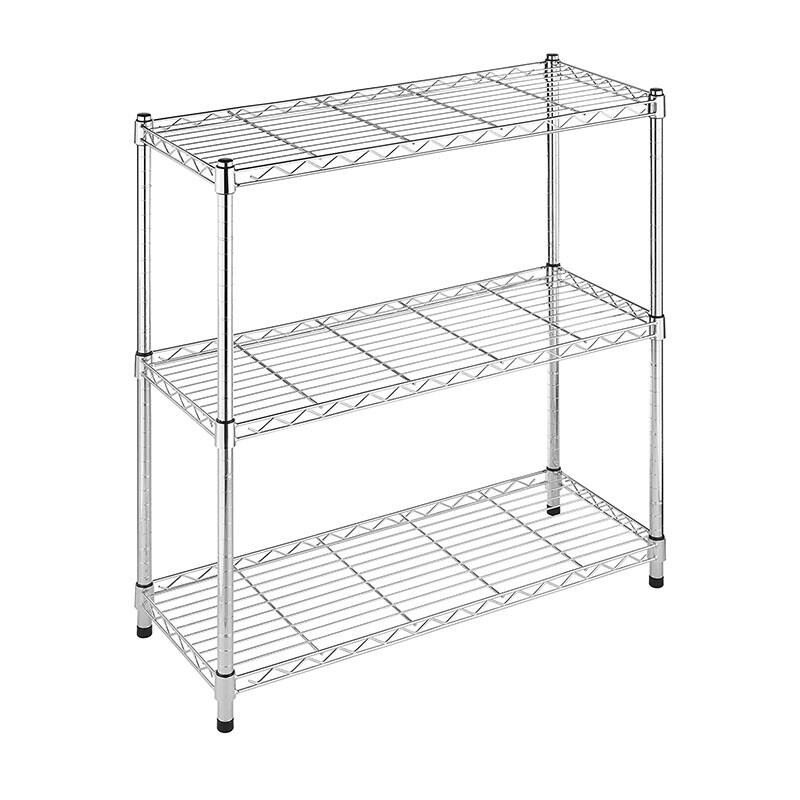
For B2B operators, the decision is rarely about storage alone. It is about protecting throughput, reducing contamination risk, simplifying cleaning, and avoiding structural failure during constant handling. A heavy duty wire shelf aligns with those priorities because its open geometry works with forced air systems, and its reinforced frame tolerates repetitive loading cycles. In practical terms, a heavy duty wire shelf supports both environmental control and operational discipline in spaces where airflow performance is part of production quality.
Airflow Performance Starts with Shelf Geometry
Open wire construction supports continuous circulation
High-airflow facilities depend on unobstructed movement of air around stored materials, containers, and packaging. A solid platform can create dead zones where temperature and humidity diverge from target conditions, especially on lower tiers and near walls. By contrast, a heavy duty wire shelf allows vertical and horizontal flow to pass through each level, which helps ventilation systems perform as designed. This makes environmental control more uniform across the storage footprint.
When facilities run fans, HVAC balancing, or pressure-managed rooms, micro-obstructions can add up quickly. A heavy duty wire shelf minimizes broad surface barriers, so conditioned air is not trapped under products. Teams often see fewer localized hot spots and less moisture accumulation when switching to a heavy duty wire shelf layout in airflow-managed zones. The value is operational, not cosmetic: more predictable storage conditions support more predictable outcomes.
Reduced surface contact lowers moisture retention
In humid, chilled, or washdown-adjacent areas, retained moisture on flat shelves can become a recurring source of cleaning burden. Because contact points are narrower, a heavy duty wire shelf reduces pooled condensation compared with continuous surfaces. Stored items dry faster after transfer from wet process steps, and shelf surfaces themselves are less likely to hold standing water. That directly supports airflow-driven drying strategies.
Moisture control is also a reliability issue. If water sits under containers, labels can degrade, packaging can soften, and handling friction can increase. A heavy duty wire shelf helps keep airflow active around the base of stored goods, which supports better material condition at the point of use. In environments where consistency matters shift after shift, this is a practical reason many teams standardize around heavy duty wire shelf systems.
Operational Reliability in Demanding Facilities
Load stability under frequent handling
High-airflow environments are often high-activity environments, with constant replenishment, picking, and movement. Storage must stay stable under uneven loading and repeated contact from carts or manual handling. A heavy duty wire shelf is built for these conditions, with structural members designed to carry weight without noticeable sag that can disrupt spacing and airflow paths. Stable tiers help teams keep both safety and circulation performance intact.
Over time, weaker shelving can bow, loosen, or shift, creating both ergonomic risk and airflow inefficiency. A heavy duty wire shelf reduces those drift effects, so aisle geometry and shelf clearances remain closer to original setup. That matters because airflow plans are typically based on known distances and open channels. With a heavy duty wire shelf, mechanical strength supports environmental performance rather than undermining it.
Durability through washdowns and temperature swings
Many industrial spaces pair high airflow with strict cleaning schedules, including chemical wipe-downs or frequent rinsing. Materials and finishes that cannot handle this cycle degrade quickly, leading to corrosion, rough surfaces, and sanitation concerns. A heavy duty wire shelf intended for industrial use is chosen for durability under repeated cleaning exposure, preserving smooth contact areas and structural integrity across long operating periods. That durability reduces unplanned replacement events.
Temperature variation is another stressor, especially near dock transitions, cooled rooms, or process-adjacent heat zones. Expansion and contraction can loosen low-grade assemblies over time. A properly specified heavy duty wire shelf maintains frame integrity across these shifts, which protects both load capacity and airflow clearance. The result is a more dependable storage baseline, even when environmental conditions change throughout the day.
Hygiene, Compliance, and Risk Control
Faster inspection and cleaning access
In regulated or audit-sensitive operations, visibility is critical. A heavy duty wire shelf allows line-of-sight through tiers, making it easier to spot dust, debris, leaks, or packaging residue before problems spread. Inspection routes become faster because technicians can assess multiple levels without moving every item. That efficiency supports better routine control with the same labor resources.
Cleaning teams also benefit from easier access around and below stored goods. With fewer broad surfaces and better airflow around each shelf level, drying after sanitation can be quicker and more consistent. A heavy duty wire shelf helps reduce hidden residue zones that consume rework time during verification. For facilities under strict hygiene expectations, that reduces process friction and improves audit readiness.
Contamination prevention in airflow-critical zones
Airflow is often part of contamination management, whether the goal is particulate control, humidity moderation, or rapid drying. Storage that blocks circulation can create pockets where contaminants settle or remain undisturbed. A heavy duty wire shelf keeps air pathways more open, which helps facility controls remove or dilute unwanted particles. This is especially useful where stored inputs move directly into sensitive process stages.
Risk control is stronger when storage, ventilation, and cleaning procedures reinforce each other. A heavy duty wire shelf supports that integration by making airflow behavior more predictable and by reducing moisture-retention surfaces. Teams can then calibrate cleaning frequency and airflow settings with fewer unknowns. In practical business terms, a heavy duty wire shelf lowers the chance that storage becomes the weak link in quality control.
Cost Efficiency Across the Asset Lifecycle
Longer service life reduces replacement cycles
Initial purchase price rarely reflects true storage cost in industrial settings. Frequent replacement, downtime during changeouts, and labor for reconfiguration often exceed small upfront savings. A heavy duty wire shelf typically delivers better lifecycle value because it remains serviceable longer under real operating stress. That reduces disruption to daily flow and avoids repeated procurement cycles.
Lifecycle stability also improves planning accuracy. When shelf performance is predictable, maintenance teams can schedule inspections instead of reacting to failures. A heavy duty wire shelf supports this approach by holding alignment and load behavior over time. As a result, budget forecasts for storage infrastructure become more reliable and less reactive.
Layout flexibility protects future capacity
Airflow-managed facilities often evolve as product mix, container formats, or throughput targets change. Storage that cannot adapt forces expensive redesigns or inefficient temporary fixes. A heavy duty wire shelf can be integrated into modular layouts, allowing tier adjustments and zone rebalancing while preserving open-air characteristics. That adaptability helps operations grow without sacrificing environmental control.
Future-proofing is a core reason to choose a heavy duty wire shelf early in facility planning. As workflow shifts, teams can maintain airflow corridors and safe load distribution without rebuilding every storage bay. This preserves continuity in validated processes and reduces implementation risk during expansion. In high-airflow environments, a heavy duty wire shelf is not just a rack choice, it is an operational resilience decision.
FAQ
Does a heavy duty wire shelf always improve airflow performance?
A heavy duty wire shelf usually improves airflow compared with solid shelving, but final performance depends on layout, spacing, and room ventilation design. Shelf depth, distance from walls, and product placement all influence circulation. The shelf creates the right foundation, while facility setup determines the full result.
Is a heavy duty wire shelf suitable for sanitation-focused environments?
A heavy duty wire shelf is commonly selected for sanitation-focused spaces because it improves visibility, supports quicker drying, and reduces broad moisture-holding surfaces. Suitability still depends on finish quality, cleaning chemistry, and inspection protocols. When those factors are matched correctly, it supports cleaner and more controllable operations.
How do I decide load requirements for a heavy duty wire shelf?
Define expected static and dynamic loads, include peak handling conditions, and account for uneven placement patterns. A heavy duty wire shelf should be specified with margin above normal demand to preserve long-term stability. It is also important to verify capacity per shelf level and for the full assembled unit.
Can a heavy duty wire shelf reduce operating costs over time?
Yes, in many facilities a heavy duty wire shelf lowers total cost through longer service life, fewer replacement events, and reduced cleaning inefficiency tied to poor airflow. Savings are most visible when storage is heavily used and environmental control is critical to quality. The financial benefit comes from reliability and process consistency, not from a short-term price difference alone.

