 EN
EN

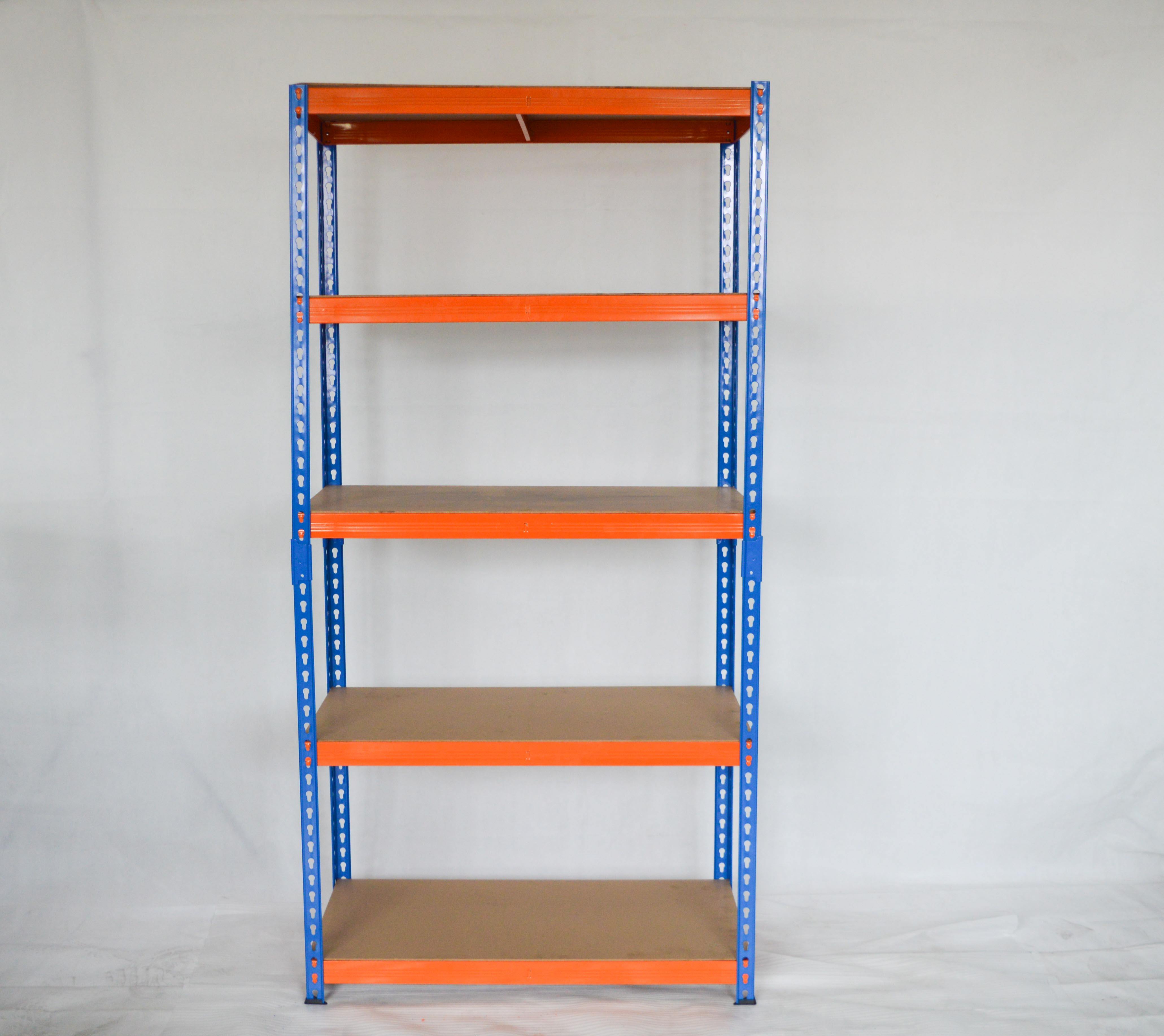
A commercial retail floor rarely becomes disorganized because staff do not care. It becomes disorganized when layout logic, replenishment rhythm, and storage infrastructure are out of sync. In that context, the short answer to the title is yes: a shelving unit can be a core driver of retail organization, but only when it is selected and deployed as part of an operating system, not as a standalone fixture. The right shelving unit gives products a predictable home, supports faster recovery, and reduces friction between backroom flow and customer-facing presentation.
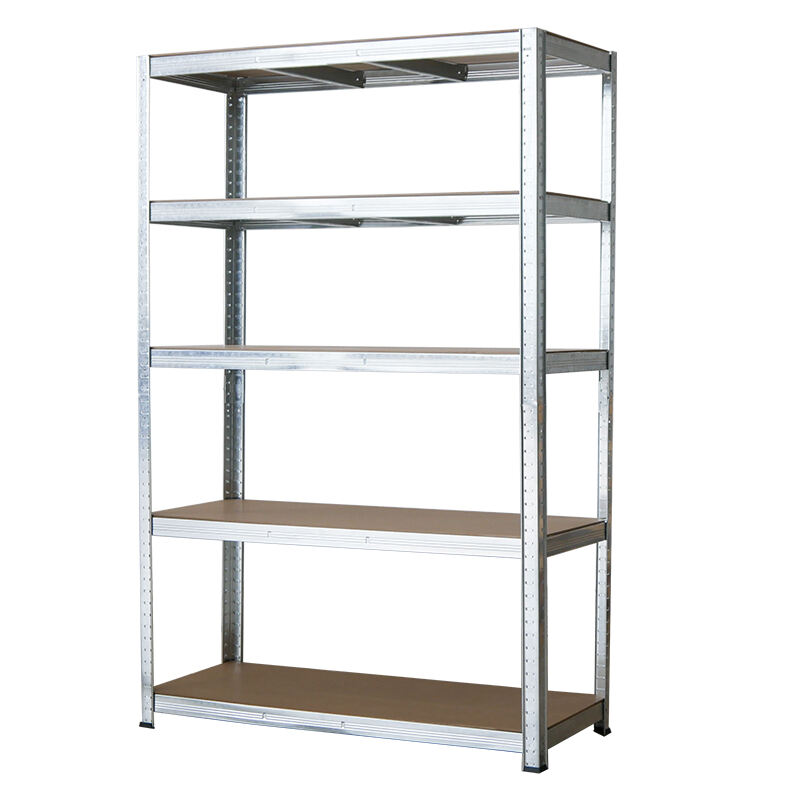
What many operators miss is that retail organization is not just visual neatness. It is operational clarity across receiving, sorting, stocking, facing, and replenishment. A properly specified shelving unit influences each of those moments by defining how much inventory is visible, how easily stock can be reached, and how consistently teams can reset the area. When the shelving unit matches product mix and traffic behavior, the store feels controlled without feeling rigid, and the organization holds even during busy cycles.
Why a shelving unit directly affects retail organization
Organization begins with fixed product logic
Retail teams work faster when every SKU category has a stable location and clear capacity boundary. A commercial shelving unit creates those boundaries physically, which is more reliable than relying on memory or temporary signage. Staff can replenish by section, not by guesswork, and supervisors can spot drift immediately. This turns organization from a periodic cleanup task into a daily operating habit.
Without a durable shelving unit, products migrate into convenient gaps, creating visual noise and inventory confusion. With a consistent bay structure, teams can standardize where high-turn lines, seasonal lines, and buffer stock sit. That consistency shortens handover time across shifts and reduces the number of correction touches per day. In practical terms, the shelving unit becomes the map that keeps the retail floor readable.
Visual order improves decision speed for staff and shoppers
Shoppers do not read planograms; they scan shapes, spacing, and product blocks. A well-proportioned shelving unit supports cleaner vertical and horizontal zoning, so customers find what they need with less hesitation. At the same time, staff can run recovery passes faster because misplacements stand out. Better visual order therefore improves both selling flow and operational rhythm.
The effect is strongest when shelf depth, bay width, and load class are matched to the merchandise profile. A mismatched shelving unit can create overhang, dead corners, and awkward reach zones that invite disorder. A suitable shelving unit minimizes those failure points and keeps product presentation stable over the trading day. That is why fixture design is not cosmetic; it is functional retail control.
How a shelving unit supports daily retail workflows
Receiving to shelf transfer becomes more predictable
Most retail disorganization starts upstream, during inbound handling and unpacking. When teams know the exact destination capacity of each shelving unit, they can sort inbound cartons by zone before opening every box. That prevents partial stock dumps in random locations and reduces aisle obstruction. The shelving unit effectively acts as a capacity signal that guides labor allocation during rush receipts.
During replenishment windows, fixed shelf architecture also lowers cognitive load. Staff are not deciding where items could fit; they are restoring each shelving unit to predefined levels. This repeatability reduces training time for new hires and part-time teams. As a result, organization becomes less dependent on a few experienced employees and more resilient across staffing variability.
Recovery and cycle counts become faster and cleaner
End-of-day recovery often consumes more labor than planned because every zone needs interpretation. A standardized shelving unit configuration narrows that interpretation gap by making out-of-place items obvious. Teams can sweep, face, and correct in fewer passes because the baseline is visually consistent. This is one reason high-discipline stores treat each shelving unit as an operational checkpoint, not just display furniture.
Cycle counting benefits in the same way. Count accuracy improves when each shelving unit has predictable facings and known overflow rules, reducing hidden stock and duplicate placement. Managers can investigate variance by bay rather than broad department, which speeds root-cause identification. Over time, a disciplined shelving unit layout supports tighter stock integrity and more confident replenishment decisions.
Conditions that make a shelving unit a true organizational advantage
Specification must match product weight, dimensions, and turn rate
Not every retail category needs the same fixture profile, so organization depends on fit quality. A shelving unit that is too shallow causes unstable stacking, while one that is too deep hides inventory and delays picking. Load rating also matters because deflection and wobble quickly degrade visual order and safety confidence. Choosing a commercial-grade shelving unit aligned with actual stock behavior is the difference between temporary neatness and sustained control.
Turn rate should influence shelf spacing and accessibility. Fast movers need a shelving unit setup that allows rapid front-fill without repeated full-bay disruption. Slower items can sit higher or deeper with clear labeling discipline. When a shelving unit is configured around movement patterns, teams spend less time correcting avoidable disorder.
Layout logic must connect backroom and sales floor
A common failure point is treating front-of-house and backroom as separate systems. The same shelving unit logic should connect reserve stock handling and floor replenishment pathways to avoid duplicate sorting effort. When binning, carton break, and floor location naming are synchronized, replenishment becomes linear and cleaner. That integration is where the organizational impact of a shelving unit multiplies.
It also helps to standardize bay identifiers and recovery ownership by zone. Each shelving unit should have a clear responsibility model so corrections are immediate rather than deferred. Where teams need durable modular storage, many operators review options like this shelving unit to support consistent structure across stockholding areas. The key is not the product page itself; it is applying a repeatable fixture standard that staff can execute daily.
Limits, exceptions, and practical implementation reality
A shelving unit is powerful but not a standalone cure
Calling a shelving unit the secret to retail organization is directionally right, but incomplete. Fixture quality cannot compensate for missing replenishment routines, unclear ownership, or poor assortment discipline. If teams lack reset standards, any shelving unit will eventually carry mixed stock and visual drift. Organization holds when fixture design and process discipline reinforce each other every day.
This is why rollout should include simple operating rules. Define maximum fill levels, backstock limits, and frequency of recovery by area for each shelving unit. Train to those rules with real examples from current assortment patterns. When procedures are concrete, the shelving unit becomes an execution tool rather than a static asset.
Implementation succeeds through phased operational adoption
Large fixture resets can overwhelm teams if introduced all at once. A phased approach lets managers validate how each shelving unit configuration performs under real traffic and staffing conditions. Start with high-impact zones where disorder creates the most customer friction, then scale based on measurable labor and recovery gains. This reduces disruption while building internal confidence in the new standard.
Review cadence is equally important after installation. In the first weeks, audit each shelving unit for misfit signs such as chronic overfill, inaccessible facings, or repeat misplacements. Adjust shelf heights and zoning quickly before bad habits settle. With iterative tuning, a commercial shelving unit moves from initial improvement to durable retail organization capability.
FAQ
Is a shelving unit enough to fix a disorganized store by itself?
A shelving unit can create the physical structure needed for order, but results depend on operating discipline. Stores still need replenishment rules, ownership clarity, and regular recovery cycles. When those process elements are in place, the shelving unit dramatically improves consistency and speed.
How quickly can a new shelving unit setup improve day-to-day operations?
Most teams see early gains within days because each shelving unit reduces search time and placement ambiguity. Stronger benefits appear over several weeks as staff habits stabilize and layout adjustments are made. The faster the team adopts standard routines, the faster the shelving unit delivers sustained organization.
What should managers check first when a shelving unit area keeps falling into disorder?
Start by checking capacity fit, shelf depth, and item zoning for that shelving unit. Repeated disorder usually signals a mismatch between fixture design and product behavior, or unclear recovery ownership. Correcting those fundamentals restores control more reliably than increasing cleanup frequency alone.
Can one shelving unit standard work across different retail categories?
A single shelving unit standard can work at a structural level, but spacing and zoning rules should be adapted by category. Heavy, bulky, and fast-turn products create different handling patterns that affect organization. The best outcome comes from a consistent shelving unit platform with category-specific configuration logic.

