 EN
EN

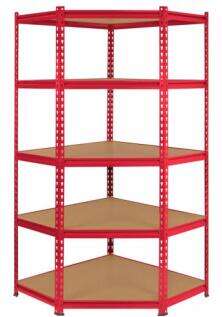
A boltless shelving unit is faster to install in warehouses because the design removes the slowest parts of traditional assembly: bolt alignment, tool changes, and repeated tightening checks. In a busy facility, installation speed is not just a setup detail. It affects when inventory can be received, how quickly aisles become productive, and how soon teams can move from project mode to daily operations. That is why many warehouse managers evaluate a boltless shelving unit as an operational decision, not only a storage purchase.
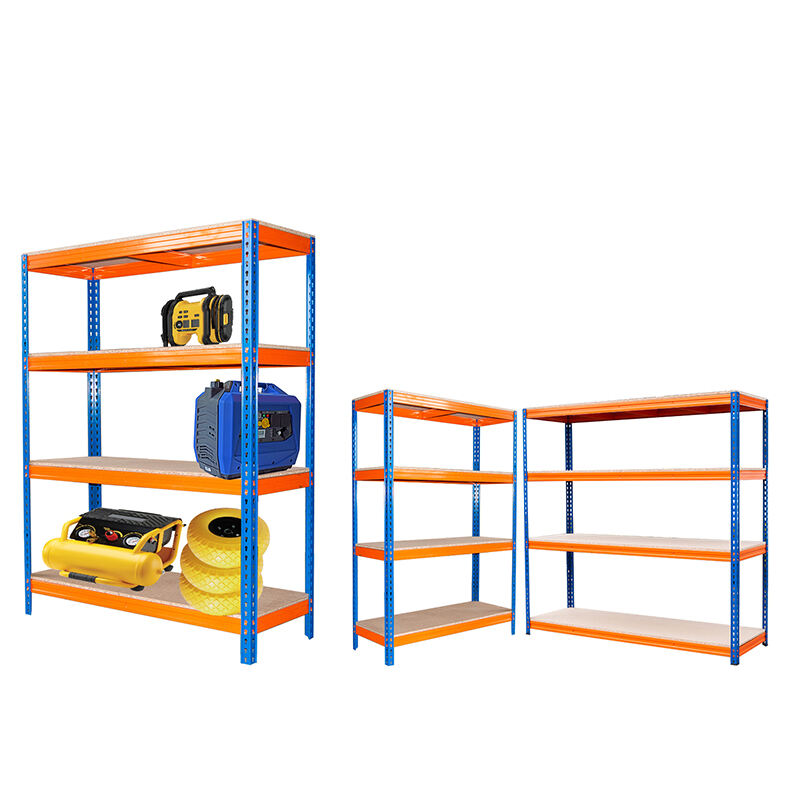
When the frame and beam connections are engineered to lock by slot-and-tab engagement, each shelving unit can be assembled in a repeatable rhythm with fewer pauses. Teams spend more time placing components and less time correcting hardware issues. As a result, a boltless shelving unit often shortens commissioning timelines, especially in projects where dozens or hundreds of bays must be installed under tight deadlines.
Installation speed starts with simplified connection mechanics
Fewer fastening steps reduce assembly time per bay
In a bolted system, every shelving unit requires multiple micro-actions: insert bolt, hold nut, align hole, tighten, and recheck torque. Those actions multiply quickly across an entire warehouse. A boltless shelving unit replaces most of that sequence with direct engagement points, so installers complete structural joins in fewer motions.
This reduction in fastening steps creates a predictable cycle time. Each shelving unit follows the same pattern, which makes labor planning easier and reduces variance between crews. Even when team experience levels differ, the boltless format helps maintain pace because the method is less dependent on advanced tool handling.
Tool-light workflows cut delays and interruptions
Tool dependency is a hidden source of delay in warehouse projects. A conventional setup may require sockets, spanners, extension bars, and torque checks. By contrast, a boltless shelving unit typically needs minimal tooling, so crews avoid frequent stops to switch tools, recharge equipment, or locate missing hardware.
Less tooling also lowers congestion in active work zones. When installers can build each shelving unit with fewer accessories, aisle access stays cleaner and movement remains fluid. That improves crew throughput, particularly in phased installations where some warehouse sections continue operating during setup.
Warehouse labor efficiency improves with boltless design
Training time is shorter for mixed-skill teams
A warehouse installation team often includes supervisors, internal maintenance staff, and temporary labor. A boltless shelving unit is faster to teach because its connection logic is visual and repetitive. New team members can become productive quickly, which helps project managers scale labor without long onboarding cycles.
Shorter training has direct schedule impact. If every installer reaches stable output sooner, total project duration drops. That is one reason a boltless shelving unit is frequently selected when facilities need rapid expansion before seasonal peaks or contract launches.
Lower assembly complexity reduces rework
Rework consumes time quietly but heavily. Misaligned holes, under-tightened bolts, and uneven levels can force partial disassembly. A boltless shelving unit reduces these failure points by limiting the number of precision fastening decisions required during build.
With fewer error-sensitive steps, each shelving unit is more likely to pass inspection on first completion. That reduces stop-start cycles and prevents schedule drift. In large warehouses, avoiding rework on even a small percentage of bays can save several labor days.
Layout flexibility accelerates warehouse commissioning
Rapid adjustment supports changing slotting plans
Warehouse slotting plans often evolve during implementation as SKU dimensions, flow patterns, and replenishment rules are validated in real conditions. A boltless shelving unit enables faster shelf height changes and bay reconfiguration, so teams can adapt without major teardown.
This agility shortens the path from installation to stable operations. Instead of pausing the project to reorder structural elements, teams can tune each shelving unit in place and keep commissioning on schedule. That is especially valuable in facilities handling mixed cartons, bins, and reserve stock in the same zone.
Phased deployment becomes easier across active sites
Many warehouses cannot stop operations for a full installation window. They roll out storage in stages by aisle or zone. A boltless shelving unit fits this model because crews can assemble quickly, clear the area, and hand it back to operations with minimal overlap.
In phased projects, the speed of each handover matters more than total material volume. A faster-built shelving unit helps operations teams begin using completed sections sooner, which lowers temporary overflow pressure and reduces dependence on short-term staging space.
Business impact extends beyond installation day
Faster setup reduces downtime and opportunity cost
When storage is unavailable, inbound receipts may slow, picking routes may lengthen, and labor productivity may dip. Installing a boltless shelving unit faster helps avoid these indirect losses. The warehouse reaches usable capacity sooner, so service levels stabilize earlier in the transition period.
For B2B operations, timing can influence contract performance. If a new storage area goes live late, order cycle times may suffer. A quicker installation of each shelving unit lowers that risk and supports smoother onboarding of new product lines or customer programs.
Maintenance and future modifications stay efficient
Speed advantages do not end after initial assembly. Over a warehouse lifecycle, storage systems are adjusted, expanded, and relocated. A boltless shelving unit remains easier to modify because teams can change configuration with fewer disassembly steps and less hardware management.
This matters in environments with frequent SKU turnover or process redesign. A flexible shelving unit allows maintenance crews to execute changes during short windows, reducing disruption to picking, replenishment, and cycle counting activities.
FAQ
Is a boltless shelving unit always faster to install than a bolted system?
In most warehouse scenarios, yes, because a boltless shelving unit removes many fastening steps and tool changes. Speed gains are strongest when many bays are installed, when labor skill levels vary, and when layout adjustments are expected during commissioning. Final performance still depends on site readiness, crew coordination, and clear installation sequencing.
Does faster installation mean lower structural reliability?
Not inherently. A boltless shelving unit can deliver dependable performance when load ratings, beam engagement, decking selection, and anchoring practices match the operational requirement. Reliability comes from correct specification and proper assembly, not from bolt count alone.
What warehouse conditions maximize the speed advantage?
The largest gains appear in projects with tight timelines, phased rollouts, or frequent post-install reconfiguration. In these conditions, a boltless shelving unit saves time during initial setup and later adjustments. Clear aisle access, staged components, and trained supervisors further improve installation velocity.
How should teams evaluate ROI from faster shelving installation?
Teams should measure direct labor hours per shelving unit, rework rates, commissioning duration, and the time to operational readiness for each zone. They should also estimate indirect impact, such as reduced overflow handling and earlier throughput stabilization. This approach captures the full value of choosing a faster-installation shelving unit model.

