 EN
EN

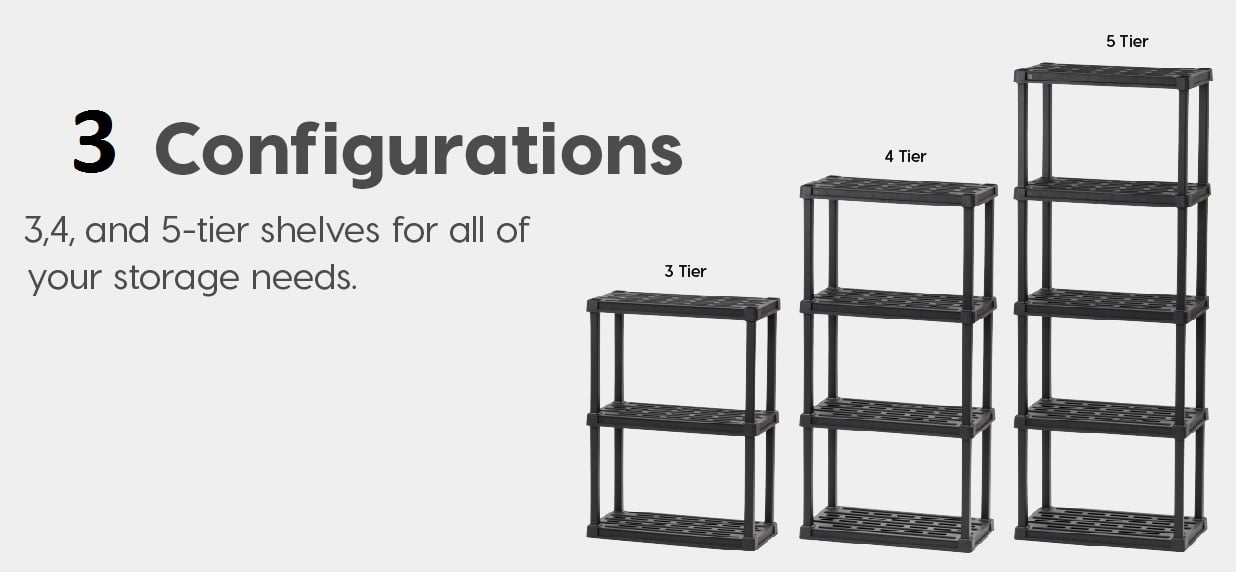
In humid locker environments, storage materials are exposed to constant moisture, temperature swings, and restricted airflow. Those conditions quickly reveal whether a shelf system is built for real operational stress or only for dry, controlled spaces. The reason plastic shelving is often preferred is straightforward: it handles moisture without rusting, swelling, or degrading as fast as many alternative materials. For facilities teams managing locker rooms, workplace changing areas, aquatic centers, and process-floor storage zones, plastic shelving consistently reduces avoidable maintenance pressure.
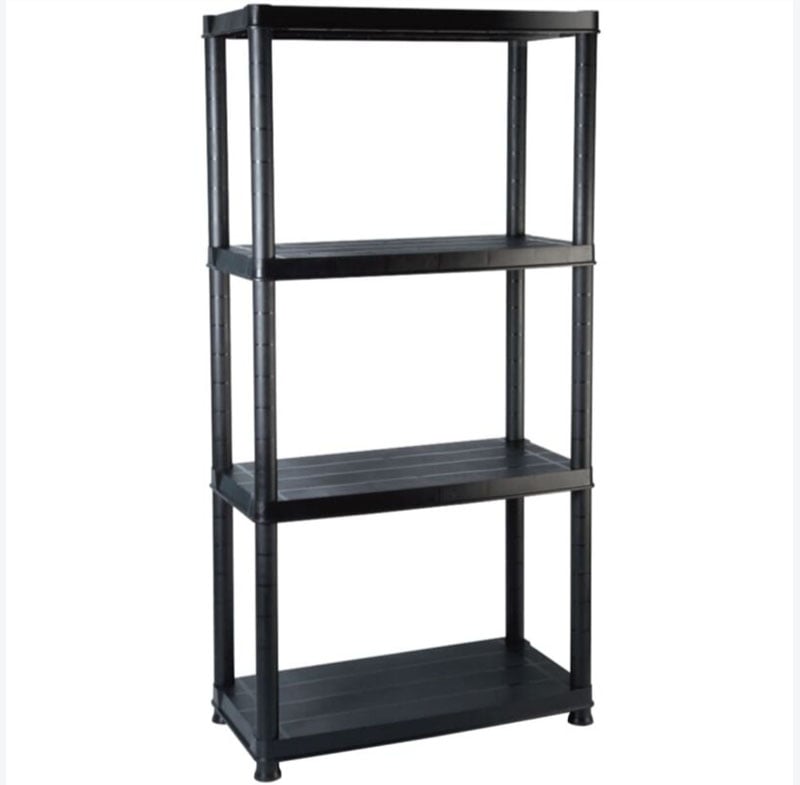
Humidity is not just a comfort issue; it is a material performance test that repeats every day. When lockers trap damp clothing, wet PPE, or cleaning residue, surfaces stay moist for long periods and often dry unevenly. Under that cycle, plastic shelving provides a practical advantage because it remains dimensionally stable and easier to sanitize. This is why many operators evaluating long-term durability in damp spaces select plastic shelving as a reliable baseline rather than a specialty upgrade.
Moisture resistance is the primary performance driver
Non-corrosive behavior in persistent humidity
The first reason humid lockers favor plastic shelving is that moisture does not trigger corrosion in the way it does with untreated metal components. Even when humidity spikes daily, plastic shelving avoids rust formation that can stain surrounding surfaces and weaken contact points over time. In locker settings where wet uniforms and towels are common, this non-corrosive behavior directly protects storage integrity.
Corrosion is rarely a one-time failure event; it is usually a slow decline that starts with appearance issues and ends with functional loss. Because plastic shelving does not oxidize, managers can maintain more consistent conditions across multiple locker banks without constant touch-up work. That stability is valuable in facilities where maintenance teams already handle high task volume and cannot afford frequent shelf interventions.
Dimensional stability during damp-dry cycles
Humid lockers create repeated damp-dry transitions, and those transitions are hard on materials that absorb water or react to temperature changes. A key advantage of plastic shelving is that it generally maintains form better under these cycles, preserving shelf alignment and usable spacing. Consistent dimensions matter for day-to-day locker organization because users rely on predictable clearance for shoes, bags, helmets, and folded garments.
When shelf geometry stays stable, load distribution also remains more predictable. That means less wobble, fewer stress points, and lower risk of premature replacement in high-use zones. In practical terms, plastic shelving helps keep locker interiors functional for longer periods, even when moisture exposure is routine rather than occasional.
Hygiene control improves with easier surface maintenance
Faster cleaning routines for operations teams
Locker environments require regular cleaning, and material choice directly affects labor time. Because many plastic shelving surfaces are non-porous and smooth, wipe-down and disinfection workflows are usually more efficient. Dirt, residue, and splashed liquids can be removed with less scrubbing effort, which improves cleaning consistency across large facilities.
In B2B operations, cleaning speed is not only a housekeeping preference; it influences staffing efficiency and service continuity. If each locker bank takes less time to sanitize, teams can reallocate labor to higher-priority maintenance needs. This operational benefit is one of the practical reasons plastic shelving is treated as a preferred choice in humid, high-turnover locker areas.
Lower risk of odor retention and surface contamination
Humidity often amplifies odor and microbial concerns, especially when damp textiles sit in enclosed spaces. Plastic shelving supports hygiene programs because it does not trap moisture in the same way absorbent materials can. When moisture retention is reduced, surfaces dry more effectively between cleaning cycles, helping teams maintain more stable sanitary conditions.
This does not remove the need for disciplined cleaning protocols, but it makes those protocols more effective. Facility managers can pair plastic shelving with ventilation and routine disinfecting to reduce recurring hygiene complaints and improve user confidence. For organizations with strict compliance expectations, material behavior under real humidity is a critical part of risk control.
Lifecycle economics favor predictable durability
Reduced maintenance disruption over time
The preference for plastic shelving in humid lockers is not only technical; it is financial. Materials that fail early under moisture create hidden costs through inspections, repairs, and replacement scheduling. By resisting common humidity-related degradation, plastic shelving often lowers disruptive maintenance events that interrupt locker availability.
For multi-site operators, fewer unplanned interventions create better budgeting accuracy. Instead of reacting to uneven failures across locker rooms, teams can standardize maintenance windows and inventory planning. That predictability is a major reason procurement teams view plastic shelving as a lower-friction long-term decision in damp applications.
Better total cost control in high-use facilities
Initial purchase price alone rarely reflects true ownership cost in humid environments. Labor hours, replacement frequency, cleaning complexity, and downtime all influence lifecycle economics. Plastic shelving performs well in this context because it supports lower-effort upkeep while maintaining usable condition across repeated exposure to moisture.
When locker zones serve large workforces or public users, small performance differences become significant over time. A shelf material that remains stable and easy to maintain can reduce compounding operational expense. This is why decision-makers often conclude that plastic shelving is not just acceptable for humid lockers but genuinely preferable for cost control.
Functional design compatibility strengthens daily locker use
Fit with airflow-focused locker layouts
Humid lockers perform better when storage design supports airflow rather than blocking it. Plastic shelving is commonly available in configurations that integrate well with ventilation-oriented locker interiors, helping moisture dissipate instead of accumulating around stored items. Improved air movement contributes to faster drying and better day-to-day locker conditions.
This compatibility matters in environments where users store damp gear at the start of a shift and retrieve it hours later. If shelves work with airflow strategy, lockers remain more usable and comfortable over repeated cycles. In those conditions, plastic shelving supports both material durability and practical moisture management outcomes.
User safety and handling consistency
Safety is another reason humid locker projects lean toward plastic shelving. Corroded edges, coating failure, and rough contact points can become handling concerns in frequently accessed lockers. With properly manufactured plastic shelving, surfaces are typically easier to keep clean and consistent, reducing avoidable friction during daily use.
From an operations perspective, safer handling and consistent shelf condition improve user experience and reduce complaints. Teams spend less time addressing minor surface issues and more time on preventive maintenance priorities. This practical reliability reinforces why plastic shelving is widely viewed as the preferred material in humid locker applications rather than a temporary workaround.
FAQ
Is plastic shelving strong enough for commercial locker environments?
Yes, commercial-grade plastic shelving can be suitable for demanding locker use when load requirements are matched to product specifications. Strength depends on design, reinforcement, and installation quality, so facilities should align shelf selection with actual stored items. In humid lockers, the combination of adequate load capacity and moisture resistance is what makes plastic shelving practical.
Does plastic shelving require special cleaning chemicals in humid lockers?
In most cases, plastic shelving can be maintained with standard facility cleaning protocols, provided chemical compatibility guidelines are followed. The key advantage is that routine wipe-down and disinfection are typically straightforward due to non-porous surfaces. This helps teams keep humid locker zones hygienic without introducing complicated maintenance steps.
How long does plastic shelving typically last in damp locker rooms?
Service life varies by usage intensity, load, cleaning frequency, and installation quality, but plastic shelving generally performs consistently in moisture-prone settings when properly selected. Because humidity-related corrosion is not a concern, deterioration patterns are often easier to manage than with moisture-sensitive alternatives. That consistency is one reason organizations continue choosing plastic shelving for damp locker environments.
What is the main reason plastic shelving is preferred for humid lockers?
The main reason is dependable performance under constant moisture exposure. plastic shelving combines humidity resistance, easier sanitation, and predictable maintenance needs, which directly supports operational reliability. When facilities evaluate durability, hygiene, and lifecycle cost together, plastic shelving aligns well with the real demands of humid locker use.

