 EN
EN

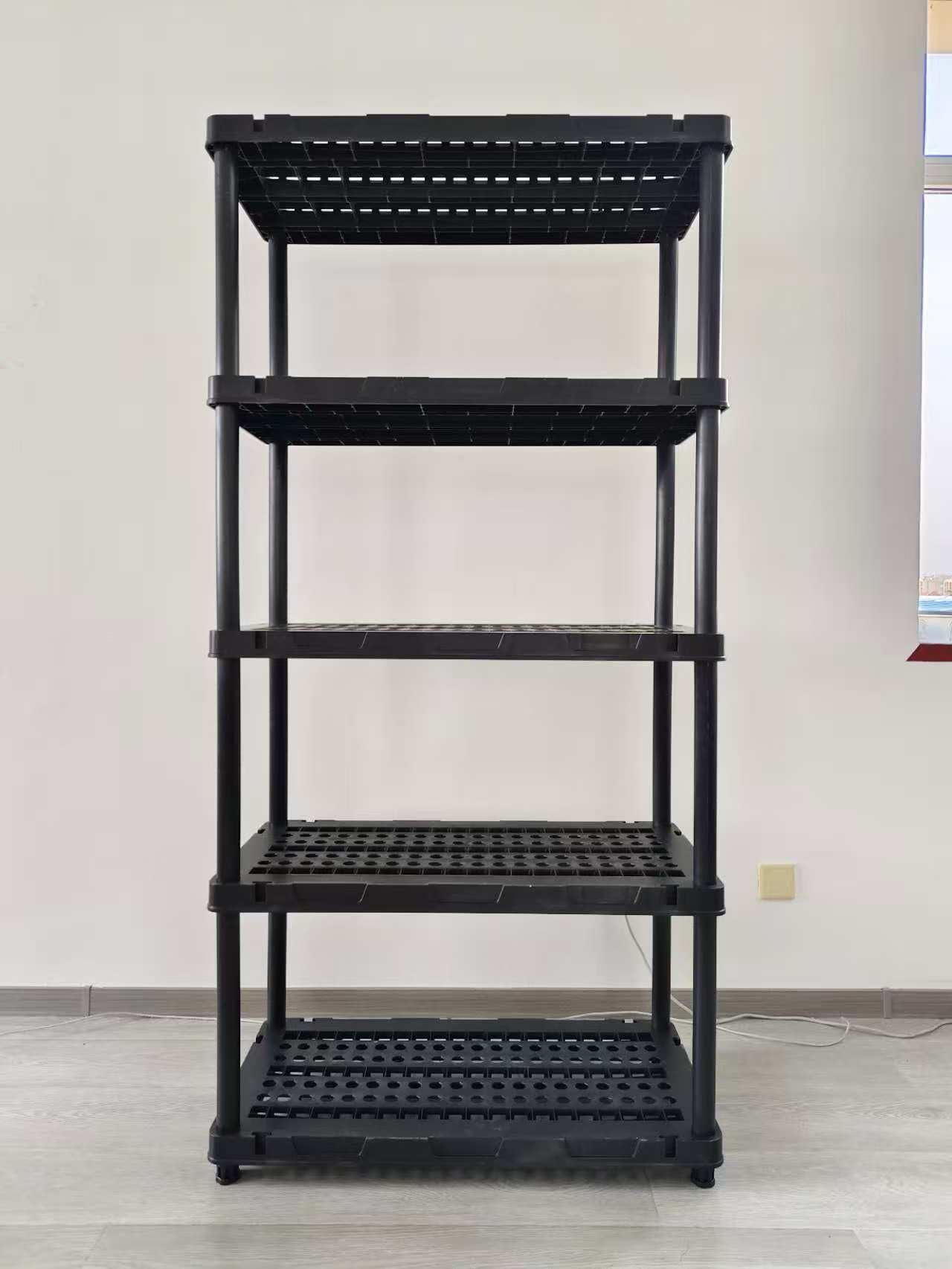
When it comes to pharmaceutical storage, the choice of shelving is far more than a practical convenience — it directly affects product integrity, regulatory compliance, and workplace safety. Among the many options available, ventilated plastic shelving has become a subject of increasing interest for facility managers and pharmacy operators. The central question is whether this specific design format offers genuine advantages over solid-surface plastic shelving or traditional metal alternatives in controlled pharmaceutical environments.
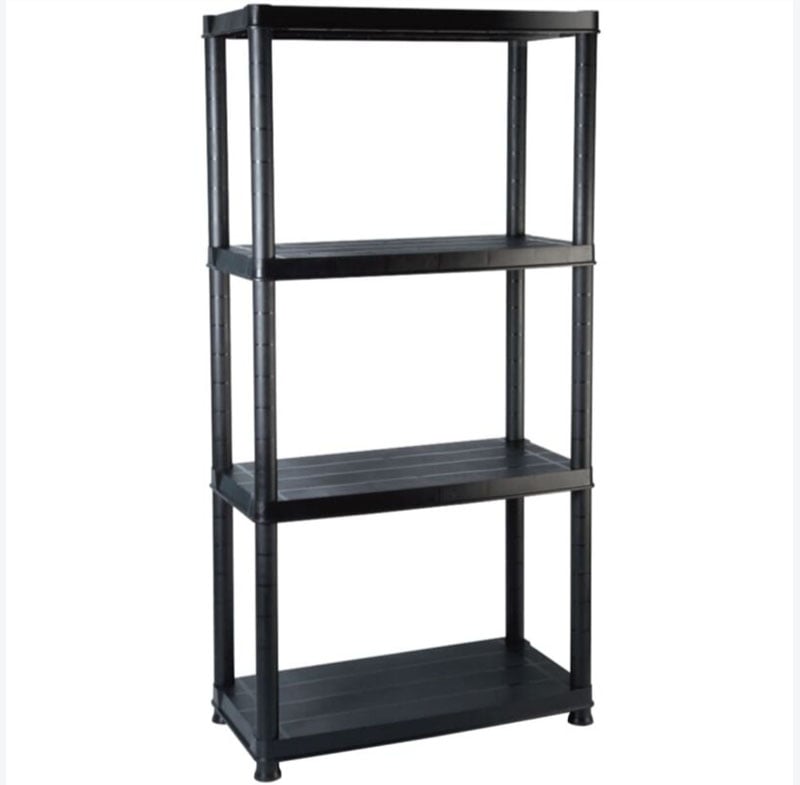
Pharmaceutical storage demands consistency in temperature, humidity, and air circulation. Plastic shelving, particularly when designed with open or ventilated shelf panels, can support these environmental requirements more effectively than solid alternatives. Understanding the structural and functional distinctions between ventilated plastic shelving and other formats allows procurement teams and compliance officers to make well-informed decisions for their facilities.
Why Ventilation Matters in Pharmaceutical Environments
Air Circulation and Temperature Uniformity
Pharmaceutical products, including medications, biologics, and diagnostic reagents, require precise temperature conditions. Solid plastic shelving can act as a barrier to airflow between shelf levels, creating microclimates that trap heat or cold. Ventilated plastic shelving, with its open-panel or grid-format shelf surfaces, allows conditioned air to flow freely across all stored items. This design feature makes plastic shelving significantly more compatible with climate-controlled rooms and cold storage units.
When plastic shelving supports open airflow, the risk of temperature variance between the top and bottom shelf levels is reduced. For storage areas where refrigeration or air conditioning units distribute air through the room, ventilated plastic shelving ensures that airflow reaches products uniformly rather than being blocked by dense surface shelving materials. This directly contributes to maintaining temperature-sensitive pharmaceutical products within their required storage ranges.
Humidity Control and Moisture Prevention
Moisture accumulation is a serious concern in pharmaceutical warehouses and dispensaries. Solid plastic shelving can trap humidity beneath stored items, leading to condensation, label degradation, or packaging damage. Ventilated plastic shelving minimizes trapped moisture by allowing humidity to dissipate naturally. This is particularly important for products stored in environments subject to seasonal humidity changes or in high-traffic facilities where temperature differentials cause condensation to form.
Plastic shelving with ventilated surfaces also reduces the risk of mold or microbial development on shelf surfaces, which can be a compliance issue in pharmaceutical facilities subject to Good Storage Practice or GDP audits. A surface that does not retain moisture is inherently easier to keep clean and maintain within regulatory standards.
Structural and Material Advantages of Plastic Shelving
Corrosion Resistance and Chemical Compatibility
One of the most consistent advantages of plastic shelving in pharmaceutical environments is its immunity to corrosion. Metal shelving, even when coated, can rust or degrade when exposed to cleaning agents, disinfectants, or spilled liquids — all of which are common in pharmaceutical storage areas. Plastic shelving does not corrode, oxidize, or shed particulate matter from rust. This makes plastic shelving a more hygienic long-term choice for facilities that conduct regular deep-cleaning procedures.
High-density polyethylene and polypropylene plastic shelving materials are also chemically resistant to most pharmaceutical-grade cleaning solutions. This compatibility means that plastic shelving can be sanitized without degrading the shelf surface or introducing contaminants into the stored environment. In cleanroom-adjacent storage areas, the chemical stability of plastic shelving becomes a critical selection criterion.
Load Capacity and Structural Integrity
Modern plastic shelving units designed for industrial and pharmaceutical applications are engineered to carry significant weight per shelf tier. Multi-tier plastic shelving configurations allow facilities to maximize vertical storage capacity while keeping each shelf level appropriately loaded. The structural rigidity of high-quality plastic shelving ensures that shelves do not sag, warp, or deform under sustained load, which could misalign products or compromise visual inventory inspections.
Ventilated plastic shelving maintains its structural strength even with an open-grid panel design. The engineering of load-bearing ribs within the plastic shelving panel distributes weight evenly across the shelf surface. This means that plastic shelving can remain ventilated without sacrificing the load-bearing performance required for pharmaceutical stock, including bottled liquids, boxed supplies, and bulk packaging.
Compliance, Hygiene, and Practical Fit for Pharma Storage
Meeting GDP and GMP Storage Guidelines
Regulatory frameworks such as Good Distribution Practice and Good Manufacturing Practice include guidance on storage shelving materials and design. These guidelines generally favor non-porous, cleanable, and well-ventilated storage surfaces. Ventilated plastic shelving satisfies each of these criteria directly. Plastic shelving that features open shelf surfaces allows auditors to visually inspect beneath and between stored items, which supports compliance documentation and reduces risk during formal inspections.
Plastic shelving is also non-porous, meaning it does not harbor bacteria in surface cracks or pores the way wood or certain composite materials might. For pharmaceutical facilities seeking materials that support FIFO stock rotation and easy product identification, the open-panel format of ventilated plastic shelving further assists staff in visually locating and accessing products without obstruction.
Installation, Mobility, and Long-Term Maintenance
Beyond compliance, plastic shelving offers practical operational advantages. Most plastic shelving units are modular and require no tools or specialized skills for assembly. Adjustable shelf heights allow plastic shelving configurations to be modified as product lines change, making plastic shelving a flexible long-term asset rather than a fixed infrastructure cost. Wheeled versions of plastic shelving units allow facilities to rearrange storage layouts quickly during facility reorganizations or audits.
Maintenance costs for plastic shelving are lower than for metal alternatives. Plastic shelving does not require repainting, rust treatment, or surface reconditioning. Routine cleaning with standard disinfectants is sufficient to keep plastic shelving in compliance-ready condition throughout its service life. Over a multi-year period, the total cost of ownership for plastic shelving in a pharmaceutical environment is typically more favorable than comparable metal or coated-wire shelving systems.
FAQ
Is ventilated plastic shelving compliant with pharmaceutical storage regulations?
Ventilated plastic shelving is generally well-aligned with pharmaceutical storage regulations including GDP and GMP guidelines, which require non-porous, cleanable, and well-ventilated storage materials. However, compliance depends on the specific product standards of your regulatory authority. Always verify that your plastic shelving meets the applicable material and hygiene standards before installation in a regulated storage environment.
How does ventilated plastic shelving compare to wire shelving for pharmaceutical use?
Both ventilated plastic shelving and wire shelving allow airflow, but plastic shelving offers advantages in terms of surface hygiene and chemical resistance. Wire shelving can harbor debris and is susceptible to corrosion under repeated exposure to cleaning agents. Plastic shelving provides a smoother, non-porous surface that is easier to sanitize and less prone to degradation from pharmaceutical-grade disinfectants.
What load capacity should pharmaceutical plastic shelving support?
The required load capacity for plastic shelving in pharmaceutical storage depends on the types of products being stored. A standard multi-tier plastic shelving unit should ideally support between 150 and 300 kilograms per shelf level for general pharmaceutical stock. For heavier bulk storage, reinforced plastic shelving units with load-rated panels and heavy-duty frames are available. Always check the manufacturer-specified load rating before selecting plastic shelving for a specific pharmaceutical application.

