 EN
EN

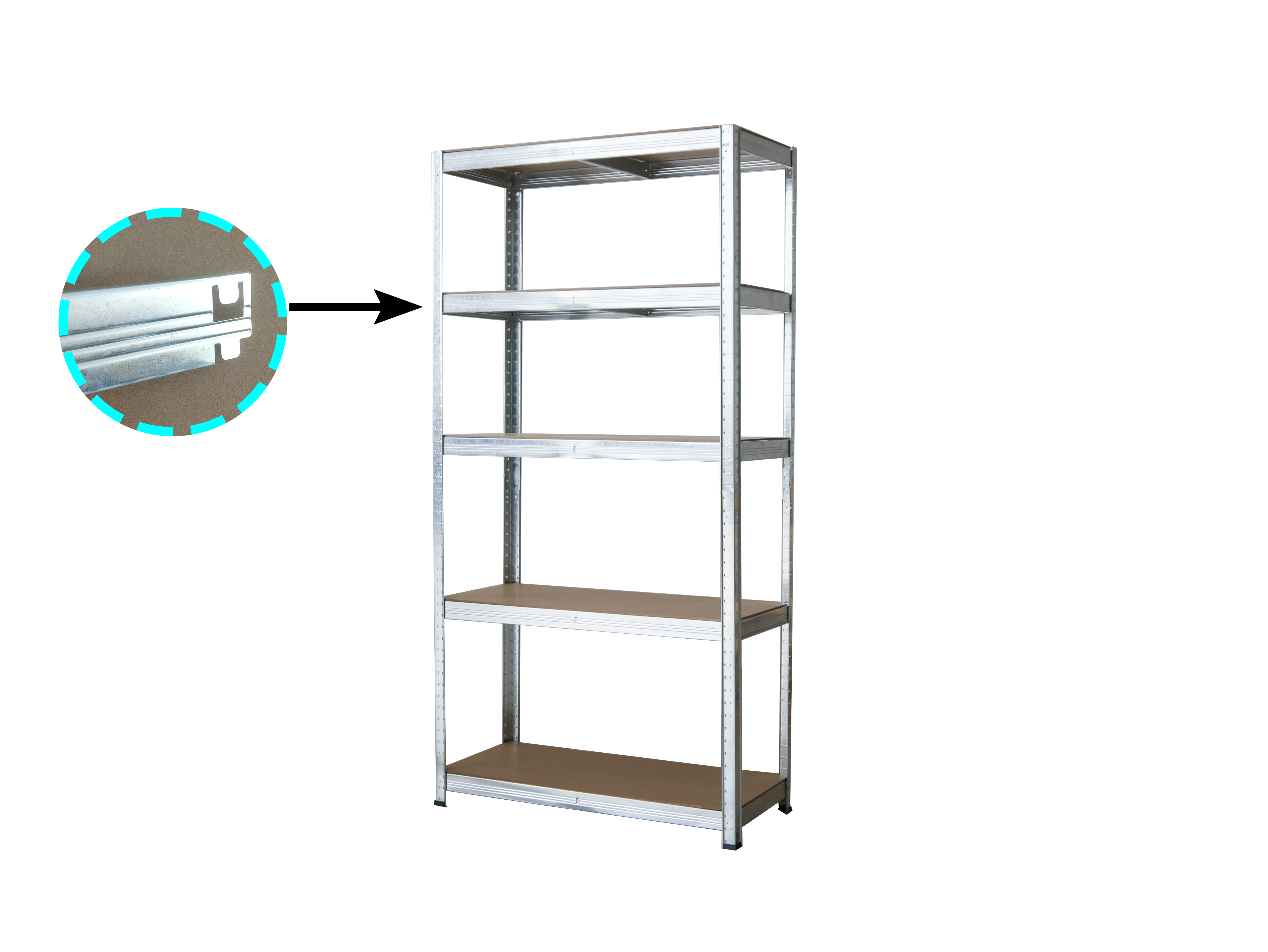
A modular storage shelf is often better than fixed racking because it aligns with how real warehouses, workshops, and B2B fulfillment environments actually change over time. Demand shifts, SKU mix changes, packaging formats evolve, and picking paths get redesigned. In that reality, a storage shelf that can be adjusted in height, depth configuration, and bay layout gives operations teams a practical advantage that fixed racking cannot match without disruption. The value is not theoretical; it appears in uptime, labor efficiency, and lower rework when business conditions move faster than facility infrastructure.
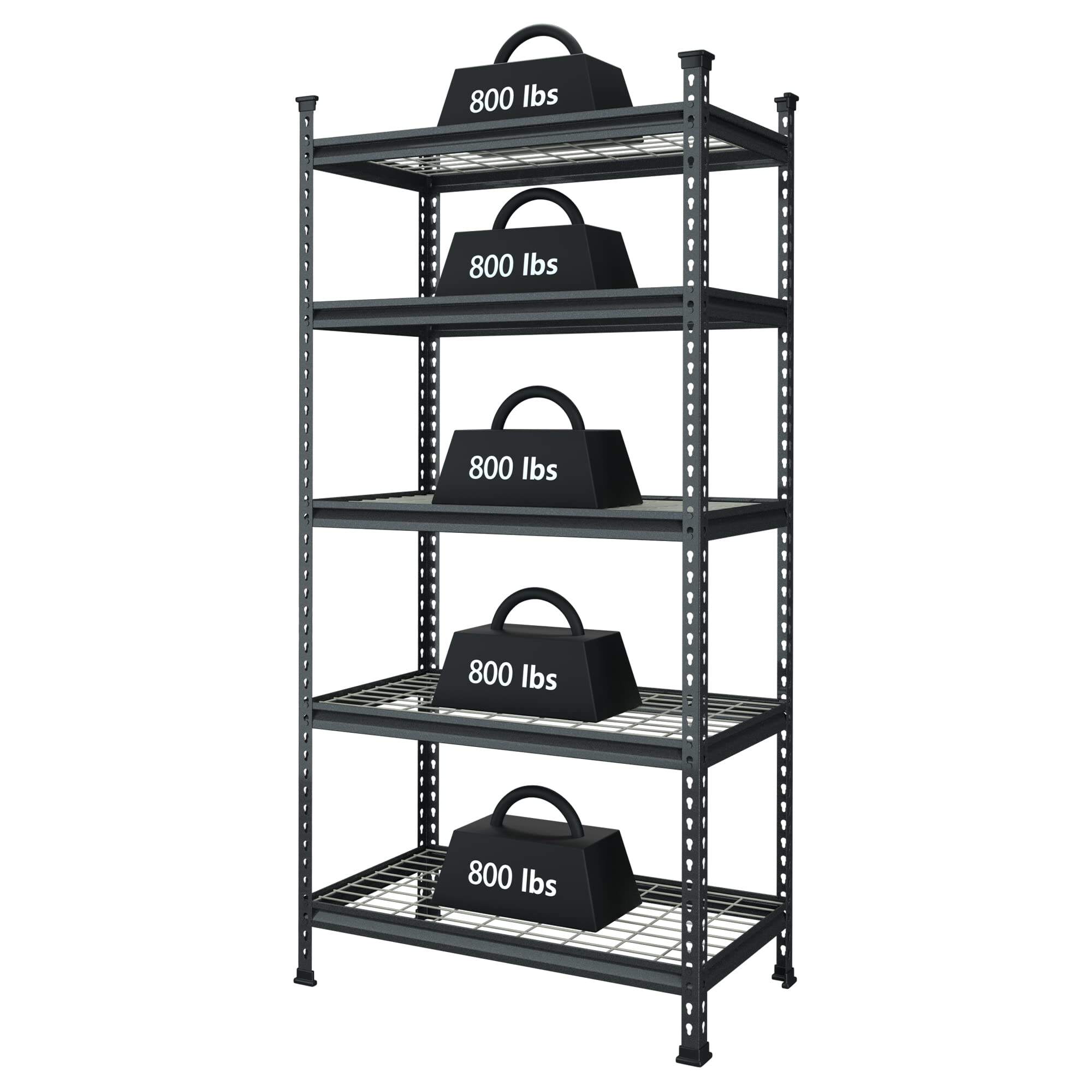
For industrial buyers, the better choice is rarely the heaviest frame by default; it is the system that protects throughput while controlling lifecycle cost. A modular storage shelf supports phased expansion, faster slotting adjustments, and easier maintenance planning. Fixed racking can still fit highly stable operations, but in most mixed-use facilities a storage shelf with modular logic gives stronger long-term performance. That is why decision makers evaluating storage shelf strategy increasingly prioritize adaptability over rigid permanence.
Operational reality favors adaptable infrastructure
Changing inventory profiles demand adjustable space logic
Most facilities do not keep one inventory profile for years. Case sizes, unit loads, and order frequency change as customer contracts and product lines evolve. A modular storage shelf allows teams to reset shelf elevation and spacing so volume is used efficiently instead of leaving costly air gaps. Fixed racking often locks geometry too early, which turns simple SKU changes into layout projects.
When slotting teams can reconfigure each storage shelf quickly, they keep fast-moving items in ergonomic zones and reduce unnecessary travel. This directly improves pick speed and lowers fatigue over a shift. In contrast, rigid systems can force compromises where inventory location stays wrong because changing structure is too slow. Over time, that mismatch creates hidden labor cost that exceeds the original installation savings.
Workflow redesign becomes easier with modular layouts
Process improvement never stops in competitive B2B operations. Teams revise receiving, replenishment, kitting, and dispatch flows as order patterns mature. A modular storage shelf supports this continuous improvement cycle because bays can be moved, expanded, or split with less downtime. That flexibility helps managers redesign zones without a full shutdown.
A fixed system can be structurally strong but operationally inflexible, especially when pathways and staging requirements change. With a modular storage shelf, facilities can trial a new layout, measure impact, and refine quickly. This ability to test and adapt is a strategic advantage, not just a convenience. It turns the storage shelf from static furniture into an operational tool that supports lean execution.
Cost performance improves across the full lifecycle
Lower reconfiguration cost protects budget stability
Procurement decisions should consider total lifecycle cost, not only initial capital expense. A modular storage shelf typically reduces future modification spending because many adjustments use existing components. Instead of replacing entire rows, teams can reposition beams, reallocate decks, or add levels as needed. That keeps cost predictable when growth or product changes occur.
Fixed racking can become expensive when requirements shift, since structural changes often require specialist intervention, longer lead times, and partial area shutdowns. A modular storage shelf limits those disruptions and preserves budget for value-creating projects. Finance teams appreciate this because the storage shelf investment remains useful under multiple operating scenarios. The result is better return on assets over several planning cycles.
Phased scaling reduces overbuild risk
Many facilities overbuild storage to prepare for uncertain future volume. That ties up capital and leaves sections underused for long periods. A modular storage shelf supports phased deployment, so operators install only what current demand justifies and expand when data confirms the need. This aligns capacity with real throughput and improves cash discipline.
During expansion, compatibility matters. A modular storage shelf architecture can extend bay by bay while keeping layout logic consistent for operators. That continuity reduces retraining and preserves process stability as footprint grows. For organizations managing multiple sites, a standardized storage shelf approach also simplifies spare component planning and internal maintenance routines.
Safety, ergonomics, and reliability benefit from modular design
Better fit to load and handling conditions
Safety performance improves when storage geometry matches actual load behavior. A modular storage shelf can be configured so shelf heights, decking types, and access clearances suit the specific items being stored. This reduces awkward lifts, unstable stacking, and ad hoc workarounds that appear when space does not fit inventory. Fixed layouts may remain technically compliant yet still create daily handling strain.
In practical terms, teams can keep heavier cases in lower zones and fast picks in the optimal reach band by adjusting each storage shelf. That reduces overextension and repetitive stress in manual operations. It also lowers accidental product damage because placement is intentional, not forced. When ergonomics and load fit are designed into the storage shelf configuration, safety becomes easier to sustain.
Maintenance and replacement become less disruptive
No storage system is maintenance-free, especially in industrial environments with constant movement. A modular storage shelf allows selective replacement of affected components instead of large structural intervention. If one level or deck section is damaged, teams can isolate and correct the issue with less impact on surrounding bays. This supports higher uptime and cleaner maintenance scheduling.
A rigid structure may require broader shutdown when local damage occurs, which increases operational risk during repair windows. Modular architecture makes condition management more granular and practical. For many operators, this is a core reason a storage shelf with modular design is better than fixed racking in day-to-day reliability terms. It keeps the facility resilient under routine wear.
Implementation value appears in planning and execution
Faster commissioning supports business timelines
Project schedules are often tight when new contracts launch or facilities are reorganized. A modular storage shelf system can shorten commissioning because installation and adjustment are straightforward and repeatable. Teams can bring priority zones online early and complete refinements in parallel with initial operations. This staged readiness is difficult with heavily fixed systems that demand all-or-nothing completion.
When speed matters, decision makers often evaluate a storage shelf solution that can be configured without complex structural redesign at each change point. The advantage is not only quick setup; it is quick correction after go-live. Early operational feedback can be translated into layout updates without major project friction. That makes launch performance more predictable.
Data-driven optimization is easier to apply
Modern facilities rely on cycle count trends, pick-path analytics, and replenishment frequency data to improve layout quality. A modular storage shelf turns those insights into action because physical configuration can be adjusted to match observed demand. Fixed racking often traps operations in legacy assumptions made before accurate data was available. Modular design keeps infrastructure aligned with measurable reality.
As demand seasons change, the same storage shelf footprint can be tuned for different velocity profiles. Slow movers can shift outward while high-frequency SKUs gain proximity and access efficiency. Over repeated cycles, that adaptability compounds into meaningful labor and service gains. This is why a modular storage shelf is better than fixed racking for organizations committed to continuous improvement.
FAQ
Is a modular storage shelf always the right choice for every warehouse?
Not always. If product dimensions, throughput, and process design are extremely stable for many years, fixed racking can still be suitable. The key reason a modular storage shelf is often better is that most facilities experience change, and flexibility protects performance when those changes happen. The decision should match volatility, growth plans, and how frequently slotting logic is updated.
Does a modular storage shelf compromise structural reliability?
A properly specified modular storage shelf is designed to meet defined load requirements and operational conditions. Reliability depends on correct configuration, installation quality, and disciplined use, not on rigidity alone. In many industrial settings, modular systems remain highly dependable while adding adaptability that fixed formats lack. Regular inspection and documented load practices are still essential for any storage shelf system.
How does modular design affect long-term operating cost?
A modular storage shelf usually lowers long-term cost by reducing reconfiguration labor, minimizing downtime during changes, and extending useful system life through component-level updates. Fixed racking can perform well initially but may create higher adaptation cost when business needs evolve. Over several years, the ability to rework a storage shelf without full replacement often improves total cost performance. This is especially relevant in multi-SKU B2B operations.
What should buyers evaluate before selecting a modular storage shelf?
Buyers should define load characteristics, handling method, growth scenarios, and expected layout change frequency before selection. They should also assess how the storage shelf will integrate with receiving, picking, and replenishment workflows. A modular storage shelf delivers the strongest value when its configuration logic is aligned with real process behavior rather than only current volume snapshots. Clear operational criteria lead to better outcomes than choosing by upfront price alone.

