 EN
EN

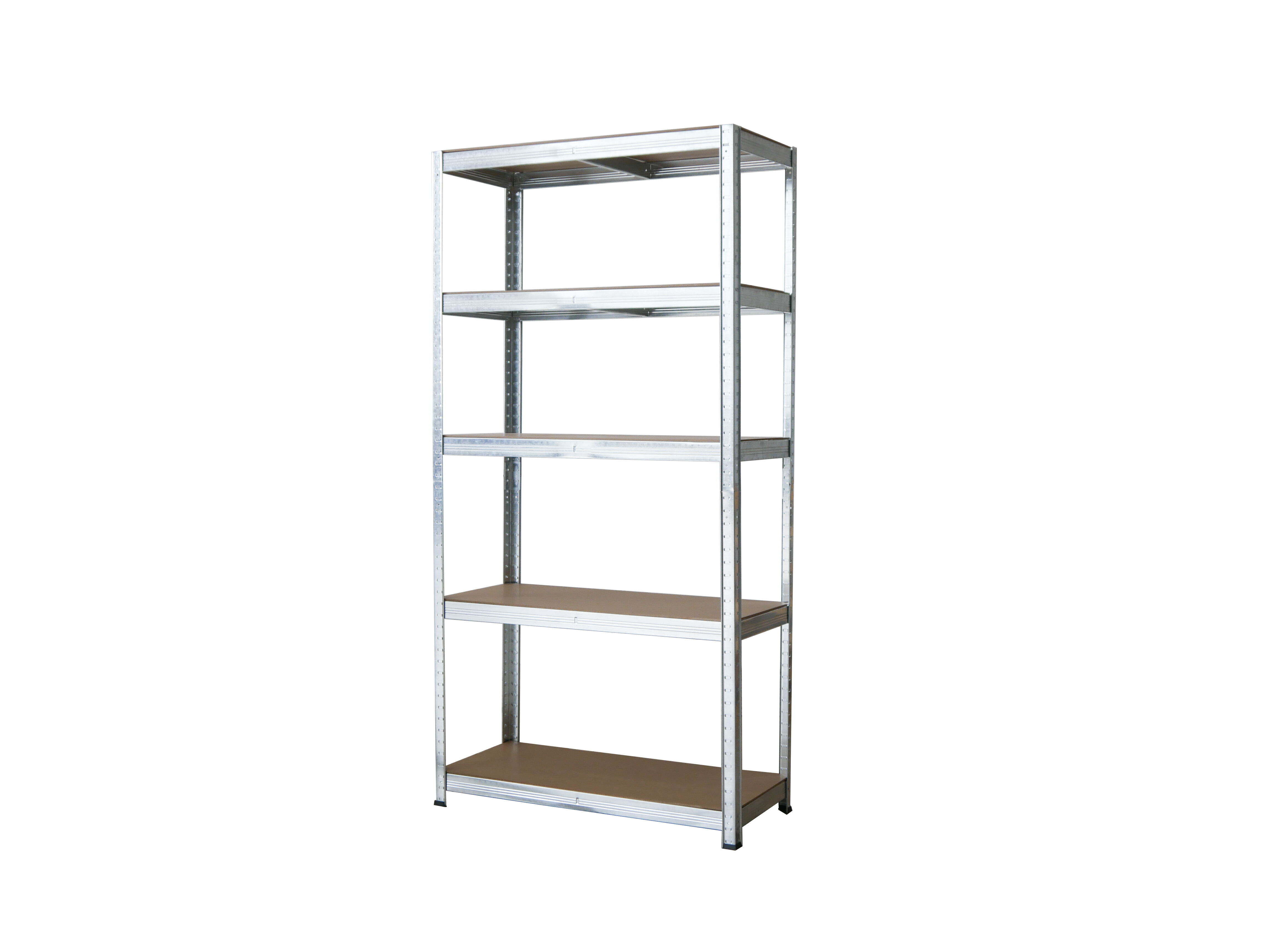
Heavy-duty warehouse operations depend on storage systems that can handle weight, moisture, frequent loading cycles, and changing inventory layouts without constant repair. That is why galvanized shelving is often treated as a core infrastructure decision rather than a simple fixture purchase. In practical warehouse terms, the right shelving affects picking speed, product integrity, worker safety, and long-term maintenance budgets. When managers ask what makes heavy-duty galvanized shelving essential for warehouses, the real answer sits at the intersection of durability, operational stability, and cost control across years of use.
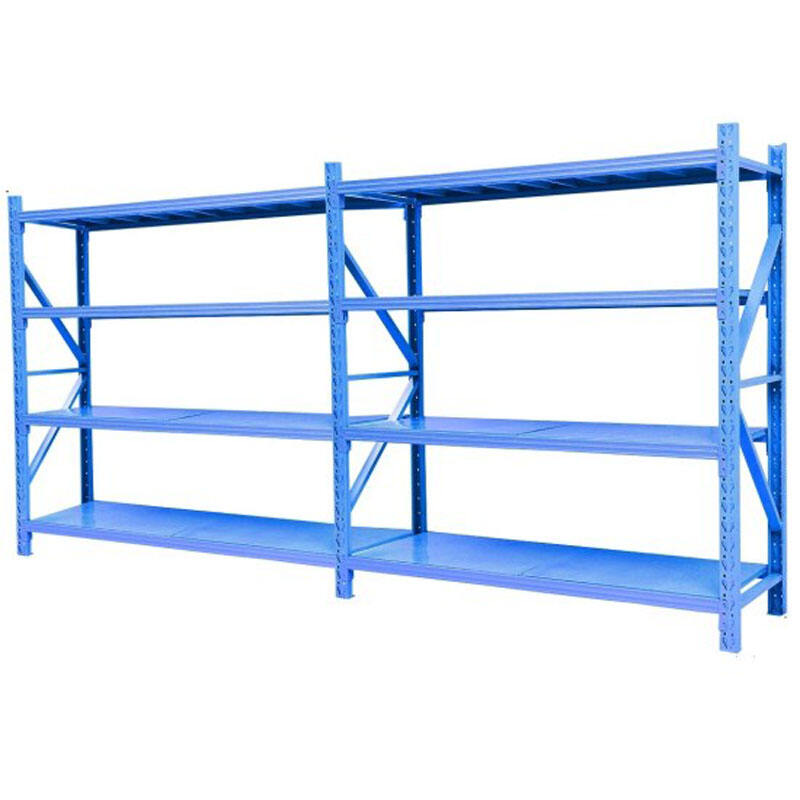
Unlike light-duty storage options that perform well only in clean, low-load areas, galvanized shelving is built for repeated strain and less predictable warehouse environments. Forklift movement, pallet transfers, dust, occasional humidity, and varied SKU dimensions all put pressure on rack performance every day. A heavy-duty galvanized shelving setup supports these demands while reducing rust risk and structural fatigue. That combination is exactly what makes galvanized shelving an essential choice for facilities that prioritize reliable throughput and low disruption.
Structural endurance is the first reason galvanized shelving is essential
Load-bearing consistency protects warehouse flow
The most immediate reason galvanized shelving is essential is predictable load performance under daily stress. Heavy-duty warehouses rarely deal with static conditions, and shelf loads change by shift, season, and receiving cycle. When storage levels flex or deform under pressure, operators lose confidence in safe stacking heights and spend more time redistributing stock. Galvanized shelving provides a stronger baseline for consistent load-bearing, which keeps slotting plans stable and labor use more efficient.
In real operations, consistent structure means fewer emergency adjustments and fewer blocked aisles due to unstable bays. Teams can place inventory according to process logic rather than fear of shelf fatigue. Over time, galvanized shelving helps maintain organized weight distribution, which lowers strain on both equipment and workers. This is one of the clearest practical reasons heavy-duty galvanized shelving becomes indispensable in busy facilities.
Impact resistance supports high-traffic handling zones
Warehouse shelving is exposed to vibration, incidental contact, and repetitive handling impacts that gradually weaken lower-grade materials. Heavy-duty galvanized shelving is better suited to these realities because it combines rigid frame design with corrosion-resistant protection. Even when racks are used in active replenishment lanes, galvanized shelving holds form better and remains serviceable for longer cycles. That resilience directly supports uptime and keeps storage zones operational during peak movement windows.
In facilities where hand loading and equipment loading happen side by side, impact tolerance becomes a safety and productivity issue. A compromised shelf often creates secondary delays, such as temporary relocation or ad hoc safety checks. By reducing those disruptions, galvanized shelving helps maintain predictable workflow and minimizes unplanned intervention. For heavy-duty sites, this reliability is not a convenience, it is an operational requirement.
Corrosion control makes galvanized shelving a long-term warehouse asset
Moisture exposure is common even in indoor facilities
Many warehouses are not climate-perfect environments, and that matters more than it first appears. Seasonal humidity, open dock doors, condensation, and routine cleaning can all introduce moisture to storage infrastructure. In these conditions, galvanized shelving offers a strong defense against corrosion that can otherwise reduce load safety and shorten usable life. This protective quality is a major reason galvanized shelving remains essential in industrial storage planning.
Rust does more than affect appearance; it can weaken joints, create rough surfaces, and increase maintenance demands. Once corrosion starts, inspection frequency and replacement costs tend to rise. With galvanized shelving, protective coating helps delay deterioration and preserve structural integrity over longer periods. That durability reduces maintenance interruptions and supports a more stable total cost profile across the shelving lifecycle.
Lower maintenance burden improves cost predictability
Warehouse leaders value systems that reduce recurring labor demands, and galvanized shelving aligns with that goal. Because galvanized shelving is designed to resist rust and wear, teams spend less time on corrective upkeep and more time on core logistics tasks. Maintenance planning becomes more predictable, and spare-part pressure is generally lower compared with less durable alternatives. This is especially important for operations that run extended shifts and cannot afford frequent storage downtime.
Budget control in warehousing depends on minimizing avoidable surprises. Heavy-duty galvanized shelving contributes by reducing emergency replacement events and extending intervals between major interventions. When facilities scale inventory volume, this stability becomes increasingly valuable because storage reliability affects multiple downstream costs. For that reason, galvanized shelving is often treated as a strategic asset rather than a one-time procurement item.
Operational efficiency improves when galvanized shelving matches warehouse reality
Slotting discipline and accessibility stay intact
Efficient picking depends on a storage layout that remains physically stable over time. If shelf geometry shifts or levels degrade, slotting logic breaks down and travel paths become less efficient. Galvanized shelving supports consistent spacing and dependable access points, which helps preserve the integrity of warehouse layout decisions. That is a key reason warehouses with strict throughput targets rely on galvanized shelving for critical storage lanes.
Stable shelving also improves cycle counting, replenishment accuracy, and visual organization across zones. Teams can trust location labels and inventory positioning because the structure remains aligned with design intent. As a result, galvanized shelving contributes to smoother handoffs between receiving, storage, picking, and dispatch. Operationally, this translates into fewer handling errors and better daily output consistency.
Heavy-duty adaptability supports mixed inventory profiles
Most warehouses handle products with varying dimensions, weights, and turnover rates, so storage must support mixed scenarios. Galvanized shelving performs well in this context because it can be configured for dense storage, reserve stock, and fast-access bays within the same facility logic. A practical example is integrating galvanized shelving in zones that require both high load capacity and regular reconfiguration. This flexibility helps operations maintain order even as SKU profiles shift over time.
When storage systems adapt without sacrificing strength, warehouses avoid the cost of fragmented infrastructure. Teams do not need separate low-capacity stopgap solutions for each inventory change. Instead, heavy-duty galvanized shelving provides a durable base that can evolve with demand patterns and space strategy. That capability is central to why galvanized shelving is considered essential rather than optional.
Risk reduction and compliance readiness depend on dependable galvanized shelving
Safer storage conditions reduce avoidable incidents
Warehouse safety performance is closely tied to storage integrity, especially in high-density areas. Galvanized shelving supports safer conditions by maintaining structural consistency under expected load ranges. When shelving remains stable, the risk of sudden deformation, product displacement, and unsafe manual correction is lower. This makes galvanized shelving a practical contributor to incident prevention and safer daily routines.
Safer storage also has operational side effects that matter in B2B environments. Fewer incidents mean less disruption to shift schedules, less reactive supervision, and more confidence in standard operating procedures. Over long periods, galvanized shelving helps create a work environment where handling practices remain disciplined and repeatable. That outcome supports both productivity and workforce reliability.
Inspection confidence and audit preparation become easier
Warehouses frequently face internal inspections, customer audits, and process reviews that examine physical storage conditions. Galvanized shelving simplifies preparation because corrosion resistance and structural durability make visual and technical assessments more straightforward. Managers can document condition status with greater confidence when shelving performance is stable over time. In many facilities, galvanized shelving reduces the gap between routine operations and audit-ready standards.
This readiness matters for contract retention and service credibility in industrial supply chains. Storage infrastructure that appears degraded can raise concerns about handling discipline, even when procedures are otherwise strong. By maintaining cleaner and more durable storage presentation, galvanized shelving supports trust in warehouse execution quality. That credibility benefit reinforces the essential role galvanized shelving plays in long-term B2B operations.
FAQ
Is galvanized shelving only necessary for very large warehouses?
No. While large facilities gain major advantages, smaller warehouses also benefit when inventory is heavy, turnover is frequent, or environmental conditions include moisture exposure. Galvanized shelving provides durability and corrosion resistance that improve safety and reduce maintenance regardless of total building size. The deciding factor is operational demand, not just square footage.
How does galvanized shelving affect total cost over time?
Galvanized shelving usually improves long-term cost performance by reducing rust-related repairs, lowering replacement frequency, and minimizing downtime from structural issues. Upfront pricing is only one part of the decision. In heavy-duty settings, lifecycle stability is often more valuable than short-term savings from lower-spec storage.
Can galvanized shelving support changing warehouse layouts?
Yes. Heavy-duty galvanized shelving is widely used in operations that regularly adjust slotting, inventory mix, and flow paths. Because galvanized shelving combines strength with adaptable configuration potential, it can support layout evolution without requiring a full infrastructure reset. This makes it a practical fit for facilities that scale or re-balance inventory through the year.
What is the main reason galvanized shelving is considered essential rather than optional?
The main reason is reliability under real warehouse stress. Galvanized shelving supports load consistency, resists corrosion, improves safety conditions, and protects operational continuity. In heavy-duty environments where disruption is costly, those combined benefits make galvanized shelving foundational to stable warehouse performance.
Table of Contents
- Structural endurance is the first reason galvanized shelving is essential
- Corrosion control makes galvanized shelving a long-term warehouse asset
- Operational efficiency improves when galvanized shelving matches warehouse reality
- Risk reduction and compliance readiness depend on dependable galvanized shelving
- FAQ

