 EN
EN

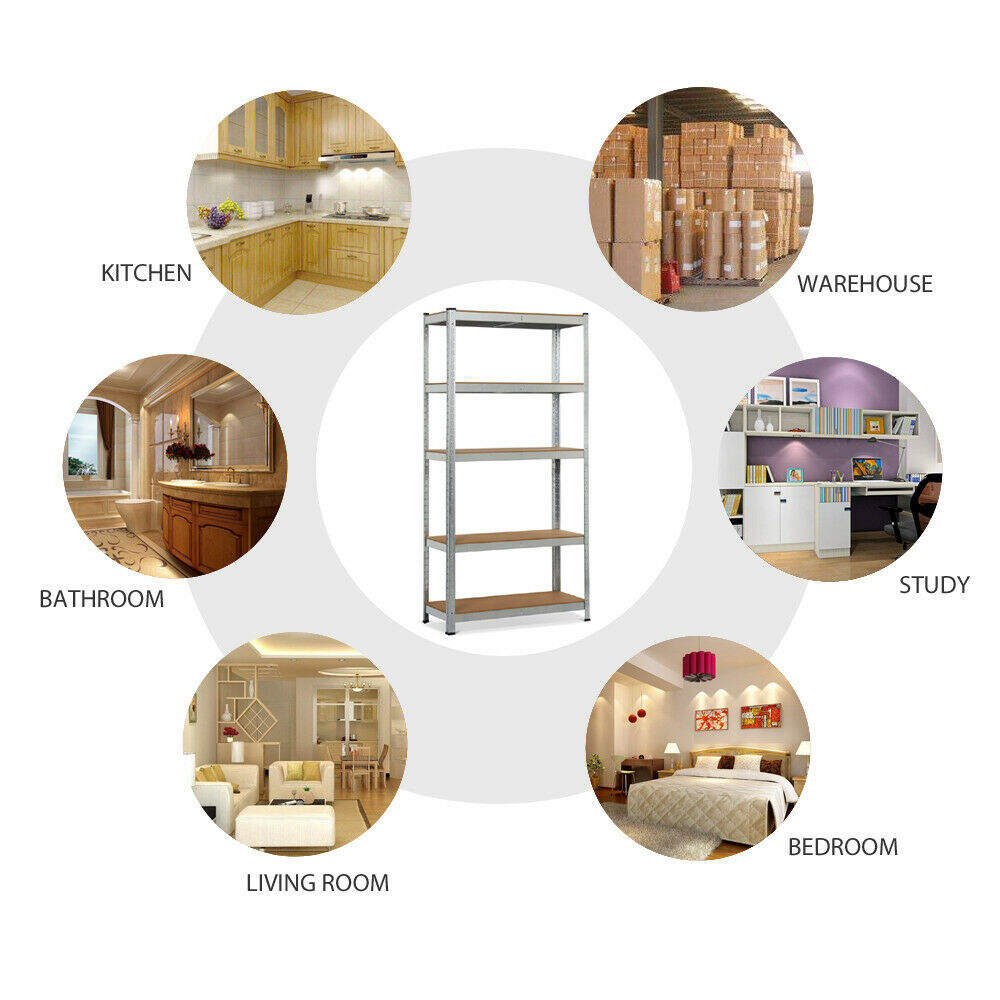
Understanding load standards for garage storage systems forms the foundation of any successful storage project, determining whether your chosen shelving will safely support your tools, equipment, and materials over years of use. Load standards define the maximum weight capacity, structural integrity requirements, and safety margins that separate reliable storage solutions from potential hazards that could damage property or cause injury. When selecting safe racks for garage applications, these engineering specifications provide the critical framework for making informed decisions about which systems can handle your specific storage needs while maintaining long-term stability and safety.
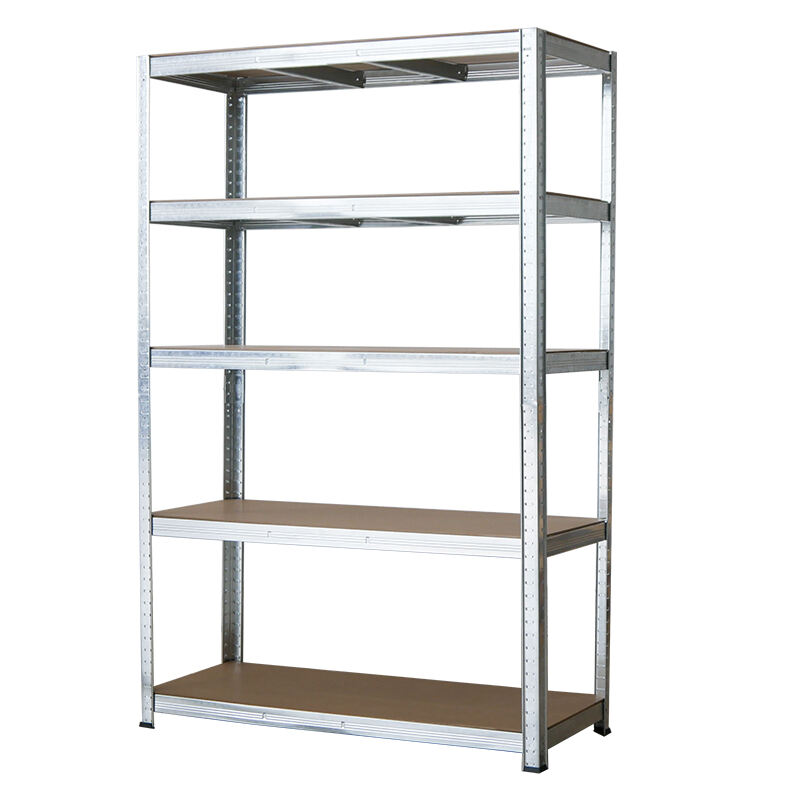
Professional load standards encompass multiple factors including distributed weight limits, point load capacities, material specifications, and environmental considerations that directly impact the performance of safe racks for garage environments. These standards, developed through rigorous testing and engineering analysis, establish clear guidelines for manufacturers and end-users to ensure storage systems can withstand typical garage conditions including temperature fluctuations, humidity variations, and the diverse range of items commonly stored in residential and commercial garage spaces. Understanding these standards enables property owners to select appropriate storage solutions that match their specific requirements while maintaining compliance with safety regulations and best practices.
Understanding Load Capacity Classifications
Distributed Load Versus Point Load Ratings
Distributed load ratings represent the total weight capacity when items are evenly spread across the entire shelf surface, providing the maximum safe loading for safe racks for garage applications under optimal conditions. This measurement assumes weight distribution follows engineering principles where no single area experiences excessive stress concentration, allowing the rack structure to utilize its full design strength efficiently. Professional grade garage racks typically specify distributed loads ranging from 150 to 500 pounds per shelf level, depending on construction materials, support spacing, and overall design architecture.
Point load ratings define the maximum weight that can be safely concentrated in a small area, such as placing a heavy toolbox or equipment piece on a single location of the shelf. These ratings are typically lower than distributed loads because concentrated weight creates stress points that can exceed local material limits even when the total weight remains below the distributed capacity. Understanding this distinction proves crucial when planning storage for heavy tools, automotive parts, or concentrated equipment loads that characterize many garage storage scenarios.
The relationship between distributed and point loads affects daily usage patterns for safe racks for garage installations, requiring users to consider both total shelf weight and individual item placement strategies. Proper load distribution techniques include using load-spreading platforms for heavy items, maintaining adequate spacing between concentrated loads, and avoiding placement of maximum point loads near unsupported shelf edges where structural support is reduced.
Dynamic Load Considerations
Dynamic loading occurs when items are placed on or removed from shelving during normal use, creating temporary stress increases beyond static weight values that safe racks for garage applications must accommodate. Industry standards typically incorporate safety factors ranging from 2:1 to 4:1 to account for dynamic forces generated during loading operations, impact from placing items, and vibrations from garage door operations or nearby traffic.
Temperature cycling in garage environments creates additional dynamic stresses as materials expand and contract with seasonal changes, potentially affecting joint connections, material properties, and overall structural integrity. Quality garage racks incorporate design features such as slotted mounting holes, flexible joint connections, and material selections that accommodate thermal movement without compromising load capacity or structural stability.
Seismic considerations may apply in certain geographical regions where building codes require storage systems to withstand earthquake forces, adding another layer of dynamic load requirements for safe racks for garage installations. These requirements typically mandate specific anchorage methods, lateral bracing systems, and material specifications to ensure storage remains stable during ground motion events.
Material Standards and Structural Requirements
Steel Grade Classifications
Steel grade specifications define the minimum strength, ductility, and corrosion resistance properties required for safe racks for garage applications, with most professional systems utilizing cold-formed steel meeting ASTM A653 or equivalent international standards. These specifications ensure consistent material properties including yield strength typically ranging from 33,000 to 50,000 PSI, providing the structural foundation for reliable load-bearing capacity under normal and extreme conditions.
Galvanization standards such as ASTM A653 Grade 33 require minimum zinc coating thickness to provide corrosion protection in garage environments where humidity, temperature fluctuations, and potential chemical exposure from automotive fluids create challenging conditions for metal storage systems. Proper galvanization extends service life significantly while maintaining structural integrity and load capacity over years of exposure to typical garage conditions.
Alternative materials including powder-coated steel, stainless steel, and composite materials may offer specific advantages for certain applications, but must meet equivalent strength and durability standards to ensure safe racks for garage projects maintain required performance characteristics. Material selection should consider specific environmental factors, intended load types, and long-term maintenance requirements while ensuring compliance with applicable load standards.
Connection and Fastener Standards
Bolt and fastener specifications play critical roles in overall system safety, with professional-grade safe racks for garage applications typically requiring Grade 5 or higher bolts meeting SAE J429 standards for strength and reliability. Proper fastener selection ensures connection points can transfer loads effectively between structural components without failure under normal or exceptional loading conditions.
Welded connections must meet AWS D1.1 structural welding standards where applicable, ensuring consistent penetration, proper filler material selection, and appropriate heat treatment to maintain base material properties. Quality control procedures for welded assemblies include visual inspection, dimensional verification, and load testing to confirm connection integrity meets design requirements for safe operation.
Mechanical connection systems such as boltless assembly designs must demonstrate equivalent strength to welded systems through standardized testing procedures that verify load transfer capability, connection stability, and resistance to loosening under dynamic loading conditions typical of garage storage applications.
Safety Factor Implementation and Testing
Engineering Safety Margins
Professional engineering standards require safety factors typically ranging from 2.5:1 to 4:1 for safe racks for garage applications, meaning actual failure loads must exceed published capacity ratings by these margins to account for material variations, manufacturing tolerances, and unpredictable loading scenarios. These safety factors provide protection against overloading, material degradation, and unexpected failure modes that could occur during extended service life.
Load testing procedures verify that actual capacity exceeds published ratings by required safety margins through controlled testing using calibrated weights, precise measurement equipment, and standardized loading protocols. Professional manufacturers conduct these tests on representative samples from production runs to ensure consistent quality and performance across their product lines.
Environmental testing evaluates how temperature extremes, humidity exposure, and corrosive conditions affect load capacity and structural integrity over time, ensuring safe racks for garage installations maintain performance standards throughout their expected service life. These tests may include accelerated aging, temperature cycling, and salt spray exposure to simulate years of garage environment exposure in compressed timeframes.
Compliance Verification Methods
Third-party testing and certification provide independent verification that storage systems meet published load standards and safety requirements, offering users confidence in manufacturer claims about safe racks for garage applications. Recognized testing laboratories follow standardized protocols such as ANSI MH16.1 for industrial shelving or equivalent international standards to ensure consistent and reliable evaluation methods.
Documentation requirements include detailed test reports, material certifications, engineering calculations, and assembly instructions that demonstrate compliance with applicable standards while providing users with necessary information for safe installation and operation. Comprehensive documentation enables proper system selection, correct installation procedures, and ongoing maintenance planning.
Ongoing quality assurance programs maintain consistency in manufacturing processes, material sourcing, and assembly procedures to ensure production units continue meeting the same standards verified during initial testing and certification processes for safe racks for garage systems.
Application-Specific Load Considerations
Automotive and Tool Storage Requirements
Automotive parts storage creates unique loading scenarios requiring safe racks for garage applications to handle heavy concentrated loads such as engines, transmissions, and wheel assemblies that may exceed typical distributed loading assumptions. These applications often require higher point load ratings, reinforced shelf construction, and specialized load distribution accessories to safely accommodate irregular shapes and significant weight concentrations.
Tool storage requirements vary significantly based on trade applications, with professional mechanics, woodworkers, and general contractors having different load profiles that influence appropriate safe racks for garage selection. Heavy power tools, anvils, vises, and material stocks create specific loading patterns that must be evaluated against system capabilities to ensure safe operation and prevent overloading conditions.
Chemical and fluid storage adds environmental considerations including spill containment, ventilation requirements, and material compatibility that may affect load standard implementation and system selection criteria. Proper planning ensures storage systems can safely handle both the weight and environmental requirements associated with automotive fluids, paints, solvents, and other materials commonly stored in garage environments.
Seasonal and Variable Loading
Seasonal storage patterns in garage environments often involve significant load variations as holiday decorations, lawn equipment, and recreational gear are stored and retrieved periodically throughout the year. Safe racks for garage applications must accommodate these loading cycles without fatigue failure or degradation of structural integrity over repeated loading and unloading operations.
Variable height and bulk storage requirements may necessitate adjustable shelving systems that maintain load capacity across different configurations while providing flexibility for changing storage needs. Understanding how load ratings change with shelf spacing, support arrangements, and configuration modifications ensures safe operation across all intended uses.
Emergency access requirements may influence load standard implementation, ensuring that safe racks for garage installations maintain structural stability even when items must be quickly accessed or removed during emergency situations. Proper planning includes considering access routes, emergency lighting, and structural stability under various loading conditions.
Installation and Maintenance Impact on Load Standards
Foundation and Anchoring Requirements
Foundation adequacy directly impacts the ability of safe racks for garage installations to achieve their rated load capacity, with concrete slab thickness, reinforcement, and condition affecting overall system stability and safety. Professional installation guidelines specify minimum concrete strength, slab thickness, and anchoring requirements necessary to support maximum design loads safely and effectively.
Anchor bolt specifications including type, size, spacing, and installation procedures must meet manufacturer requirements and local building codes to ensure proper load transfer from the storage system to the building structure. Inadequate anchoring can result in system instability, reduced load capacity, or failure under normal loading conditions regardless of the inherent strength of the storage system itself.
Seismic anchoring requirements in applicable regions may mandate specific anchor types, spacing patterns, and connection details that exceed standard installation requirements while ensuring safe racks for garage systems remain stable during ground motion events. Understanding local requirements ensures compliance and safety in all applicable situations.
Ongoing Maintenance and Inspection
Regular inspection procedures help maintain load capacity and safety performance by identifying potential issues such as loose connections, damaged components, or overloading conditions before they compromise system integrity. Professional maintenance schedules typically recommend quarterly visual inspections and annual detailed examinations for safe racks for garage applications in demanding environments.
Component replacement criteria establish guidelines for when damaged or worn parts require replacement to maintain original load ratings and safety performance. Understanding replacement procedures, compatible parts, and acceptable wear limits ensures ongoing compliance with load standards throughout the system's service life.
Load monitoring and documentation help track actual usage patterns against design capacity, identifying potential overloading situations or usage patterns that may require system modifications or user education to maintain safe operation of garage storage systems.
FAQ
What is the difference between distributed load and point load ratings for garage racks?
Distributed load ratings specify the maximum total weight when evenly spread across the entire shelf surface, while point load ratings define the maximum weight that can be concentrated in a small area. Point loads are typically lower because concentrated weight creates stress points that can exceed local material limits even when total weight remains below distributed capacity. Understanding both ratings is crucial for safe loading of heavy tools, automotive parts, or equipment in garage storage applications.
How do safety factors affect the actual load capacity of garage storage racks?
Safety factors typically range from 2.5:1 to 4:1, meaning the actual failure load must exceed published capacity by these margins. This provides protection against material variations, manufacturing tolerances, and unpredictable loading scenarios. For example, a shelf rated at 200 pounds with a 3:1 safety factor must actually support 600 pounds before failure, ensuring safe operation under normal and exceptional conditions.
What steel grade standards should I look for in quality garage racks?
Professional garage racks typically use cold-formed steel meeting ASTM A653 or equivalent standards, with yield strength ranging from 33,000 to 50,000 PSI. Look for galvanized coatings meeting ASTM A653 Grade 33 specifications for corrosion protection in garage environments. These standards ensure consistent material properties and long-term durability under typical garage conditions including temperature fluctuations and humidity exposure.
How often should garage storage racks be inspected to maintain their load ratings?
Professional maintenance schedules recommend quarterly visual inspections for loose connections, damaged components, or overloading conditions, plus annual detailed examinations in demanding environments. Regular inspection helps identify potential issues before they compromise system integrity, ensuring continued compliance with load standards and safe operation throughout the rack's service life. Document any findings and address issues promptly to maintain original safety performance.
Table of Contents
- Understanding Load Capacity Classifications
- Material Standards and Structural Requirements
- Safety Factor Implementation and Testing
- Application-Specific Load Considerations
- Installation and Maintenance Impact on Load Standards
-
FAQ
- What is the difference between distributed load and point load ratings for garage racks?
- How do safety factors affect the actual load capacity of garage storage racks?
- What steel grade standards should I look for in quality garage racks?
- How often should garage storage racks be inspected to maintain their load ratings?

