 EN
EN

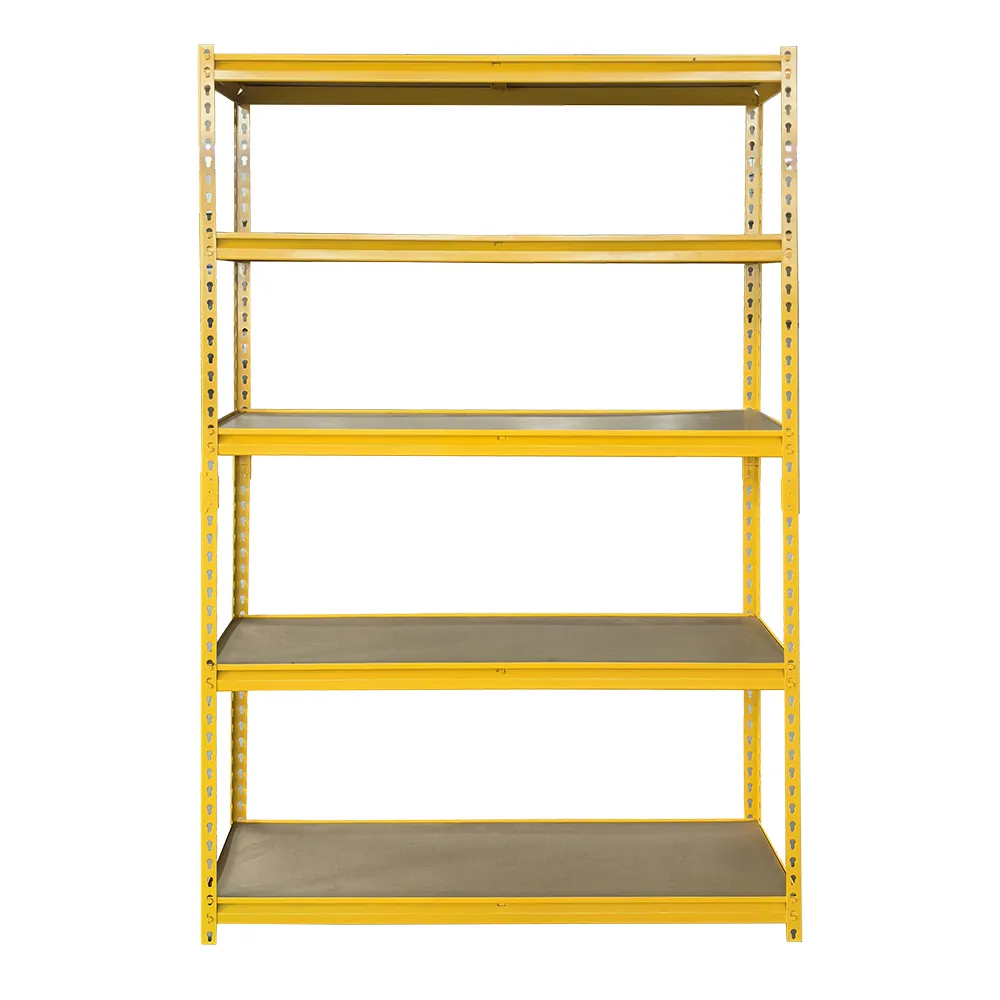
Durable boltless shelving is not an accident of thick steel alone; it is the result of deliberate structural design choices that work together under real warehouse stress. When buyers ask why one boltless shelving unit stays rigid for years while another loosens, sags, or deforms, the answer usually sits in frame geometry, connector behavior, deck support, and load-path consistency. In industrial settings, boltless shelving must survive repeated loading, vibration from nearby equipment, frequent reconfiguration, and occasional impact from handling operations. Understanding these design secrets helps procurement, engineering, and operations teams specify boltless shelving that keeps performance stable instead of chasing repairs later.
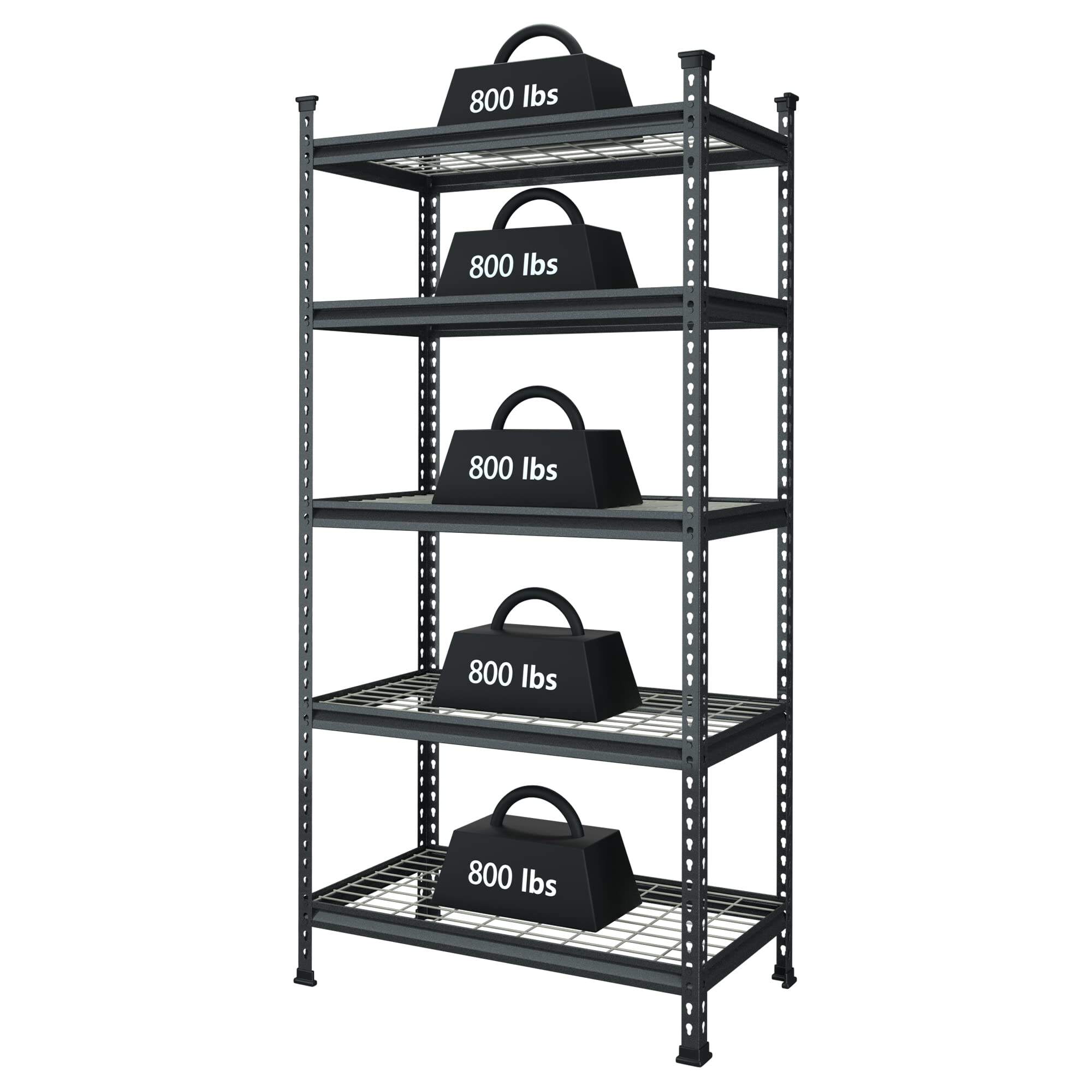
The key point is that durable boltless shelving behaves like a system, not a pile of components. Uprights, beams, decking, bracing, and contact interfaces all influence whether boltless shelving remains square, level, and safe through years of use. Even small details, such as slot precision and beam-end fit, can determine whether boltless shelving locks tighter with load or works itself loose over time. If your goal is long lifecycle value, the design secrets behind durable boltless shelving are practical engineering principles you can verify before purchase and confirm during installation.
Core engineering principles that make boltless shelving durable
Load path continuity and frame geometry
The first design secret in durable boltless shelving is clean load transfer from shelf surface to beam, from beam to upright, and from upright to floor. When boltless shelving channels force directly through aligned structural members, stress concentrations drop and fatigue resistance improves. Poorly aligned geometry forces torsion into parts that were intended for compression, which is why some boltless shelving twists under asymmetrical loading. Durable designs use upright profiles and beam sections that preserve vertical load path continuity even when shelf contents are uneven.
Frame depth-to-height proportion also matters more than many buyers expect. If boltless shelving is very tall but shallow without sufficient rigidity controls, lateral sway increases and connection wear accelerates. Well-designed boltless shelving balances height, bay width, and depth so dynamic movement stays within acceptable limits during daily handling. This is one of the quiet reasons premium boltless shelving continues to feel stable after years in service.
Connection mechanics that resist looseness over time
Because no bolts are used at primary joints, connection design is central to durable boltless shelving. The beam-end tab profile, engagement depth, and slot tolerance determine how firmly boltless shelving locks during assembly and how it reacts under cyclic loading. High-quality boltless shelving uses connector geometry that converts vertical load into tighter seating rather than micro-movement. Over time, this self-seating behavior reduces rattling and helps maintain rack squareness.
Slot manufacturing precision is another hidden differentiator. If the slot is oversized or inconsistently punched, boltless shelving may assemble quickly but lose stiffness under vibration. Durable boltless shelving keeps tolerances controlled so beam connectors seat fully and distribute force evenly across multiple contact points. In practical terms, this means fewer post-installation adjustments and less maintenance intervention.
Material and profile decisions that extend service life
Steel grade, thickness strategy, and section shape
Durable boltless shelving does not always require the thickest steel everywhere; it requires the right steel where stress is highest. Strong boltless shelving designs use thickness strategically in uprights, beam lips, and high-contact zones while keeping weight manageable for installation and reconfiguration. Section shape is equally important, since formed profiles can produce high stiffness without excessive material use. That is why two boltless shelving units with similar nominal gauge can perform very differently under identical loads.
Yield behavior under overload scenarios is part of the design secret. Good boltless shelving is engineered so local deformation gives warning before sudden collapse, allowing teams to detect misuse early. In warehouses, accidental overload events happen, and durable boltless shelving should fail gradually rather than catastrophically. This safety-oriented deformation behavior reflects mature structural design, not marketing language.
Surface protection and corrosion resilience
Corrosion quietly shortens the life of boltless shelving by reducing section strength and damaging connector interfaces. Durable boltless shelving applies surface preparation and coating systems that protect cut edges, formed corners, and high-touch zones where abrasion is common. The coating is not just cosmetic; it directly affects long-term structural reliability in humid or dusty industrial environments. Once rust starts at connection points, boltless shelving can lose rigidity even before obvious visual deterioration appears.
Adhesion quality matters as much as coating thickness. If pretreatment is poor, thick paint may still chip under normal handling, exposing steel and accelerating degradation. Durable boltless shelving uses coating processes designed for repeated contact with cartons, bins, and tools without rapid breakdown. This is one reason industrial teams often evaluate finish performance before scaling boltless shelving across multiple facilities.
Deck and beam design secrets behind real-world load performance
Decking support behavior under static and dynamic use
A frequent mistake is judging boltless shelving by upright appearance while ignoring deck support behavior. Yet decking and beam interaction determines how load spreads and how much deflection develops over each level. Durable boltless shelving keeps span deflection controlled by pairing beam profile strength with decking that resists local punching and edge crush. This protects stored goods and prevents progressive distortion that can weaken boltless shelving over time.
Dynamic use introduces additional demands. Operators place loads quickly, shift containers, and occasionally drag heavy items, creating impact and friction that basic designs do not tolerate well. Durable boltless shelving anticipates these conditions through deck-seat stability and beam-lip reinforcement so local impacts do not create permanent set. In operations with frequent handling, this design secret strongly influences lifecycle cost.
Beam-to-upright interaction during repeated adjustment cycles
One advantage of boltless shelving is easy height adjustment, but frequent reconfiguration can wear weak connectors. Durable boltless shelving is designed so beam tabs can be disengaged and reinstalled without bending or shaving critical contact surfaces. The fit remains tight across multiple adjustment cycles, preserving performance as storage profiles change. For facilities with seasonal SKU variation, this durability factor is essential.
Tolerance stacking across uprights, beams, and deck panels also affects adjustability. Inaccurate component consistency can make boltless shelving increasingly difficult to level after several reconfigurations. Durable boltless shelving controls these tolerances so teams can re-stage bays quickly without sacrificing alignment. That operational reliability is one of the clearest design secrets behind long-term user satisfaction.
System-level durability factors often missed in procurement
Floor interface, anchoring logic, and bay stability
Even strong boltless shelving can underperform if the floor interface is poorly managed. Uneven floors introduce frame twist that preloads connections and reduces effective capacity. Durable boltless shelving accounts for this through leveling strategy, base contact distribution, and where needed, anchoring logic matched to site conditions. When these details are ignored, teams sometimes blame the boltless shelving design for problems caused by installation context.
Bay grouping behavior also matters. Single-bay tests may look solid, but multi-bay runs can behave differently under lateral disturbance. Durable boltless shelving considers how adjacent bays share movement and how continuity affects overall stiffness. For high-traffic aisles, this system view separates merely acceptable boltless shelving from genuinely durable boltless shelving.
Verification practices before full deployment
The most practical design secret is disciplined verification before rollout. Teams should evaluate sample boltless shelving for connection fit, beam deflection behavior, deck seating, coating adhesion, and reconfiguration repeatability under realistic load. A pilot phase reveals whether boltless shelving performance aligns with daily operating patterns rather than catalog assumptions. This approach reduces downstream risk and improves specification quality.
When reviewing options, it helps to inspect a configurable industrial model of boltless shelving to connect design details with application demands. The goal is not to chase the heaviest frame, but to confirm that boltless shelving behaves predictably across load, movement, and adjustment cycles. Procurement decisions become stronger when durability criteria are translated into measurable checks. In B2B environments, that discipline usually determines whether boltless shelving delivers long service life or recurring operational friction.
FAQ
What is the most important design element in durable boltless shelving?
The most important element is connection integrity combined with a clean load path. If beam-to-upright engagement is precise and force transfers directly through the frame, boltless shelving stays rigid longer and resists progressive looseness. Material quality and coating matter, but they cannot compensate for weak connection mechanics. In practice, durable boltless shelving always starts with joint design.
How can buyers evaluate boltless shelving durability without long-term field data?
Buyers can run focused pilot checks on assembly fit, levelness retention, beam deflection under working loads, and connector condition after repeated adjustments. They should also inspect coating adhesion at edges and contact zones where wear begins first. These short-cycle tests provide useful early signals about whether boltless shelving will remain stable in daily operations. Structured validation often predicts long-term behavior better than brochure claims.
Does thicker steel always mean better boltless shelving durability?
Not always, because durability depends on system design, not thickness alone. Boltless shelving with optimized profile geometry and accurate connector tolerances can outperform heavier but poorly engineered alternatives. Strategic reinforcement in critical zones is usually more effective than uniform over-thick material. The best boltless shelving balances strength, stiffness, manufacturability, and adjustability.
Why does boltless shelving sometimes loosen after installation even under normal loads?
Loosening often comes from slot tolerance variation, incomplete connector seating, floor unevenness, or excessive sway in tall shallow bays. These factors create micro-movement that gradually wears contact surfaces in boltless shelving. Once tiny gaps form, vibration and routine handling accelerate the issue. Durable boltless shelving addresses these risks through tighter manufacturing control, better geometry, and proper installation practices.
Table of Contents
- Core engineering principles that make boltless shelving durable
- Material and profile decisions that extend service life
- Deck and beam design secrets behind real-world load performance
- System-level durability factors often missed in procurement
-
FAQ
- What is the most important design element in durable boltless shelving?
- How can buyers evaluate boltless shelving durability without long-term field data?
- Does thicker steel always mean better boltless shelving durability?
- Why does boltless shelving sometimes loosen after installation even under normal loads?

