 EN
EN

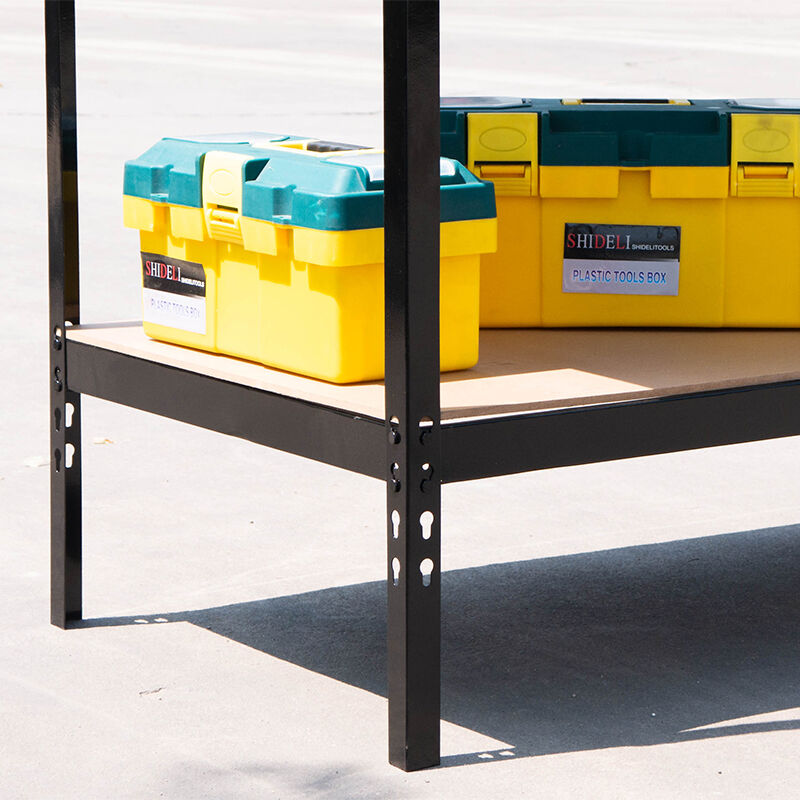
Customizing a garage workbench for industrial use starts with a clear answer: design the station around the task flow, not around a generic table shape. A garage workbench used for assembly, inspection, packing, or repair must match tool reach, part size, force direction, and daily cycle time. When those factors are mapped first, the garage workbench becomes a controlled production point rather than a cluttered surface. This approach improves repeatability, reduces handling errors, and keeps operators physically stable during long shifts.
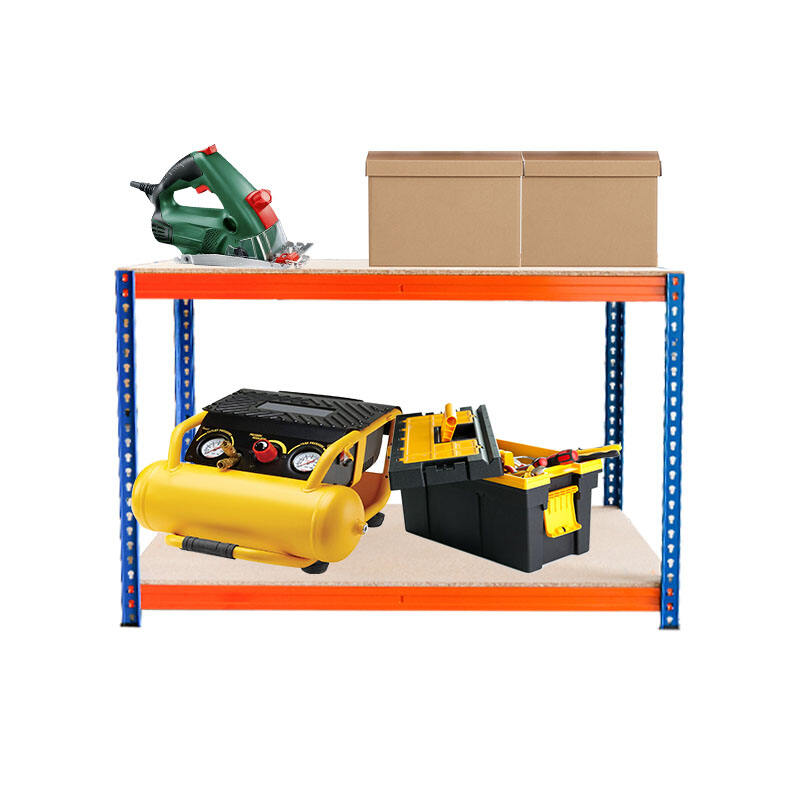
In practice, a garage workbench should be customized in layers: first define the task, then size the frame, then set the surface, then integrate storage, power, and safety controls. Each layer supports the next, so skipping sequence often creates expensive rework later. A garage workbench that looks strong but ignores process sequence will still cause bottlenecks. The right method is to turn the garage workbench into a task-specific workstation with measurable performance goals.
Map Industrial Task Requirements Before Structural Changes
Translate task steps into workstation functions
Before changing dimensions or accessories, break the job into exact steps from incoming part to completed output. For each step, define what the operator touches, where tools are picked, and how many motions are required. This reveals whether the garage workbench needs open front access, side bins, or a clear center zone for fixtures. It also shows where delay is caused by searching, turning, or overreaching.
A garage workbench for precision fitting needs a different top layout than one used for heavy component teardown. If torque tools, gauges, and consumables are used in sequence, position them in that same sequence on the garage workbench. Keeping order consistent lowers cognitive load and reduces process variation between shifts. The workstation then supports standard work instead of depending on individual habits.
Define load, tolerance, and contamination conditions
Every garage workbench should be specified by expected static load, dynamic impact, and vibration profile. Heavy pressing or clamping tasks demand a reinforced frame and cross bracing, while light electronics work prioritizes stable but low-vibration support. If fluids, dust, or metal chips are present, surface sealing and edge treatment become critical. These conditions should guide material selection before procurement.
Tolerance sensitivity also determines how a garage workbench is configured. Fine measurement tasks require flatness stability, controlled lighting angle, and minimal clutter near measurement tools. In contamination-prone environments, separate clean and dirty zones on the garage workbench prevent rework and quality drift. Small zoning decisions usually create large quality gains over time.
Set Dimensions, Height, and Load Paths for the Exact Job
Choose ergonomic height by force and precision profile
Height is one of the highest-impact settings when customizing a garage workbench. For force-intensive work such as pressing or cutting, a slightly lower working height improves leverage and shoulder safety. For inspection or fine assembly, a higher height reduces neck bend and visual strain. A garage workbench that mixes tasks can use modular risers or adjustable legs to support role changes without rebuilding the whole station.
Reach distance should be set around frequent motions, not around total surface area. A larger garage workbench can still perform poorly if primary tools sit outside comfortable reach. Keep high-frequency items in the front arc and lower-frequency items toward the rear or side zones. This preserves speed while reducing repetitive stress during long production windows.
Engineer frame stiffness and load transfer points
Frame design should move force directly into legs and floor contact points instead of into unsupported panels. When a garage workbench handles vises, torque fixtures, or impact tools, mount points must align with structural members. Poor alignment causes flex, loose fasteners, and accuracy loss over time. Reinforcement plates and cross members are often inexpensive compared with downtime from unstable setup.
Floor condition matters as much as frame thickness. A garage workbench placed on uneven concrete may rock slightly, which grows into measurement inconsistency and fastener fatigue. Leveling feet, anchor points, and anti-slip interfaces help maintain a fixed reference plane. Stable load paths make the garage workbench reliable for both heavy handling and repeat precision work.
Configure Surface, Storage, and Utilities Around Workflow
Select worktop material to match process exposure
The surface of a garage workbench should be selected by contact type, heat, chemical exposure, and cleaning method. Metal-facing tops resist abrasion and impact, while coated surfaces may be better for controlled handling and easy wipe-down. If hot parts or soldering are involved, local heat resistance must be built into the garage workbench layout. Surface choice directly affects maintenance intervals and product quality consistency.
Joint lines and edge transitions on a garage workbench should not trap debris in high-precision or cleanliness-sensitive work. Smooth, sealed edges speed cleaning and lower contamination risk between batches. For mixed operations, dividing the garage workbench into dedicated zones preserves process discipline without adding another table. A simple boundary strategy can reduce cross-contamination significantly.
Integrate drawers, shadow zones, and point-of-use utilities
Storage should follow frequency of use and task sequence. Place frequently used tools in shallow top drawers, reserve deeper drawers for fixtures, and keep consumables at point of use on the garage workbench. Visual tool positioning shortens search time and improves handoff between operators. This is where a task-specific garage workbench creates immediate operational value.
Utilities must be routed as part of the workstation design, not added as afterthoughts. Power strips, air lines, and lighting should support the main motion path and avoid cable crossings near the operator zone. A garage workbench with controlled utility routing reduces trip hazards and prevents cable damage from moving parts. Clean routing also improves serviceability during maintenance shutdowns.
Implement Safety Controls and Continuous Improvement Loops
Build safety features into normal operating motion
Safety works best when it is embedded in routine behavior. A garage workbench should include guarded zones for sharp tools, secure clamp points, and clear separation between active and storage areas. Lighting should eliminate shadow pockets where alignment errors or hand injuries can occur. These choices keep safe motion natural rather than dependent on constant reminders.
For tasks with vibration, cutting, or fluid exposure, the garage workbench should include spill control and anti-slip contact surfaces. Edge radiusing and controlled corner geometry reduce snag points during fast movement. If multiple operators share one garage workbench, standardized placement rules prevent unsafe improvisation. Consistency across shifts is a core safety control in industrial settings.
Use performance metrics to refine customization
After deployment, measure cycle time, defect frequency, tool search time, and operator fatigue indicators. These metrics show whether the garage workbench configuration supports real production behavior. Small adjustments in height, drawer layout, or fixture orientation often produce measurable gains within days. Continuous tuning keeps the garage workbench aligned with process changes.
A review cadence helps prevent slow drift back into cluttered operation. Schedule periodic audits for fastener tightness, surface wear, and utility condition on each garage workbench. Documenting these checks creates a repeatable standard for expansion to new lines or cells. Over time, each tuned garage workbench becomes a reusable template for similar industrial tasks.
FAQ
How do I decide whether one garage workbench can support multiple industrial tasks?
One garage workbench can support multiple tasks when the tasks share similar height, load, and contamination requirements. The key is zoning the surface and storage so tools do not conflict and changeover is quick. If task differences are large, modular fixtures and adjustable components are better than forcing a fixed layout. A garage workbench should be multi-purpose only when process control remains stable.
What is the biggest mistake when customizing a garage workbench for production work?
The most common mistake is buying a garage workbench based on appearance or maximum size before mapping workflow. This usually creates long reach distances, poor tool sequence, and unused space that turns into clutter. Another frequent issue is ignoring load path alignment for vises or torque work. A garage workbench performs best when design starts from task motion and force direction.
How often should a customized garage workbench be reviewed and adjusted?
A practical cycle is a short check after initial launch, then regular monthly and quarterly reviews. Early checks validate that the garage workbench supports actual cycle time and quality targets under real shift conditions. Later reviews focus on wear, safety, and process changes such as new tools or part variants. Treating the garage workbench as a living production asset keeps performance from degrading.
Can a garage workbench improve quality control outcomes in industrial operations?
Yes, a properly configured garage workbench improves quality control by stabilizing work position, reducing tool search, and separating clean and dirty actions. Better lighting, controlled reach, and fixed fixture points reduce variation between operators. When measurement tools have dedicated, protected zones, the garage workbench supports more consistent inspection behavior. The result is fewer handling errors and clearer process accountability.
Table of Contents
- Map Industrial Task Requirements Before Structural Changes
- Set Dimensions, Height, and Load Paths for the Exact Job
- Configure Surface, Storage, and Utilities Around Workflow
- Implement Safety Controls and Continuous Improvement Loops
-
FAQ
- How do I decide whether one garage workbench can support multiple industrial tasks?
- What is the biggest mistake when customizing a garage workbench for production work?
- How often should a customized garage workbench be reviewed and adjusted?
- Can a garage workbench improve quality control outcomes in industrial operations?

