 EN
EN

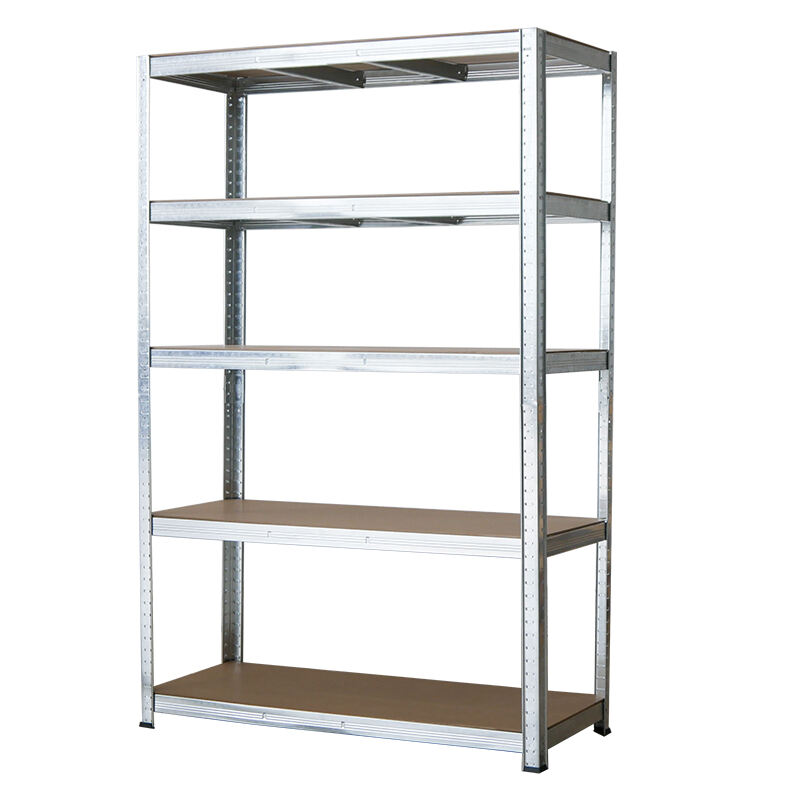
When selecting a galvanized heavy duty shelving system for industrial or commercial applications, understanding the defining buying factors becomes critical for making an informed investment decision. These robust storage solutions represent a significant commitment in terms of budget, space utilization, and long-term operational efficiency, making it essential to evaluate each component that contributes to overall system performance and value.
The complexity of modern warehouse operations, manufacturing environments, and commercial storage requirements demands that buyers examine multiple technical specifications, structural characteristics, and environmental considerations before committing to a galvanized heavy duty shelving system. Each factor influences not only immediate functionality but also long-term return on investment, safety compliance, and operational scalability.
Load Capacity and Structural Engineering Specifications
Weight Distribution Parameters
The primary defining factor for any galvanized heavy duty shelving system centers on its engineered load capacity, which determines the maximum weight distribution across individual shelves and the entire structural framework. Professional-grade systems typically specify both uniform distributed load ratings and concentrated point load limits, providing buyers with precise parameters for safe operation under various loading conditions.
Understanding these weight specifications requires evaluating not just the maximum capacity but also how loads transfer through the vertical posts, horizontal beams, and shelf surfaces. A well-engineered galvanized heavy duty shelving system incorporates safety factors that account for dynamic loading, impact forces, and potential overloading scenarios that occur in real-world applications.
The structural engineering behind load capacity involves sophisticated calculations that consider material properties, joint connections, and overall system stability. Buyers must match these specifications to their specific storage requirements while maintaining adequate safety margins for operational flexibility and compliance with workplace safety regulations.
Frame Construction and Material Thickness
Frame construction quality directly impacts the performance characteristics of a galvanized heavy duty shelving system, with material thickness serving as a primary indicator of structural integrity and longevity. Heavy-duty applications require substantial gauge steel that can withstand continuous loading cycles without fatigue or deformation over extended operational periods.
Professional buyers evaluate frame specifications including post dimensions, beam profiles, and connection methods to ensure compatibility with their operational demands. The relationship between material thickness and load capacity follows engineering principles that account for stress distribution, deflection limits, and overall system stability under maximum loading conditions.
Quality frame construction also incorporates design features that enhance structural performance, such as reinforced connection points, engineered beam profiles, and optimized post configurations that maximize strength while maintaining efficient space utilization within the storage environment.
Galvanization Quality and Corrosion Protection Standards
Hot-Dip Galvanization Process Verification
The galvanization quality of a heavy duty shelving system represents a critical buying factor that directly influences operational lifespan and maintenance requirements. Hot-dip galvanization provides superior corrosion protection compared to alternative coating methods, creating a metallurgical bond between zinc and steel that offers decades of reliable performance in challenging environments.
Buyers should verify galvanization specifications including coating thickness, coverage uniformity, and adherence to recognized industry standards such as ASTM A123 or ISO 1461. These standards establish minimum requirements for coating quality that ensure consistent protection against corrosion, oxidation, and environmental degradation over the system's intended service life.
The galvanization process quality affects not only corrosion resistance but also the overall appearance, surface texture, and compatibility with additional protective coatings or surface treatments that may be required for specific environmental conditions or aesthetic preferences.
Environmental Resistance Characteristics
Environmental resistance capabilities define how effectively a galvanized heavy duty shelving system performs under exposure to moisture, chemicals, temperature variations, and atmospheric contaminants commonly found in industrial and commercial settings. These resistance characteristics determine maintenance intervals, replacement schedules, and overall lifecycle costs.
Galvanized coating effectiveness varies significantly based on environmental exposure conditions, with factors such as humidity levels, chemical exposure, and atmospheric pollutants influencing corrosion rates and coating degradation patterns. Understanding these variables helps buyers select systems with appropriate protection levels for their specific operating environments.
Advanced galvanization treatments may include additional protective measures such as chromate passivation, organic topcoats, or specialized alloy compositions that enhance resistance to specific environmental challenges while maintaining the fundamental benefits of zinc protection.
Assembly Configuration and Installation Requirements
Modular Design Flexibility
Modular design capabilities significantly influence the practical value of a galvanized heavy duty shelving system by determining how easily the structure can be configured, reconfigured, and expanded to meet changing operational requirements. Professional-grade systems incorporate standardized components that enable flexible assembly without compromising structural integrity or load capacity specifications.
The modular approach allows buyers to optimize their initial investment while maintaining options for future expansion or reconfiguration as storage needs evolve. This flexibility becomes particularly important in dynamic operational environments where layout changes, capacity increases, or equipment modifications may require shelving system adjustments.
Quality modular systems feature precise manufacturing tolerances, standardized connection methods, and comprehensive component compatibility that ensures reliable assembly and disassembly without damage to structural elements or coating integrity.
Installation Complexity and Support Requirements
Installation requirements directly impact the total cost of ownership for a galvanized heavy duty shelving system, encompassing both initial setup expenses and ongoing maintenance accessibility. Systems designed for straightforward installation reduce labor costs while minimizing the risk of assembly errors that could compromise safety or performance.
Professional installation considerations include foundation requirements, anchoring specifications, and clearance needs that may affect facility operations during the installation process. Well-designed systems provide clear installation guidance, standardized hardware, and logical assembly sequences that facilitate efficient setup by qualified personnel.
The complexity of installation also influences long-term maintenance accessibility, with thoughtfully designed systems enabling routine inspection, cleaning, and component replacement without requiring complete disassembly or specialized equipment.
Safety Compliance and Regulatory Standards
Workplace Safety Certifications
Safety compliance represents a non-negotiable buying factor for galvanized heavy duty shelving systems, particularly in regulated industries where workplace safety standards carry legal and financial implications. Professional systems undergo rigorous testing and certification processes that verify compliance with relevant safety codes and performance standards.
Certification requirements vary by application and jurisdiction but typically include structural testing for load capacity, stability analysis under seismic conditions, and material verification for fire resistance or chemical compatibility. These certifications provide documented proof of system capabilities and limitations that support regulatory compliance efforts.
Buyers should verify that their selected galvanized heavy duty shelving system meets applicable standards such as RMI (Rack Manufacturers Institute) specifications, OSHA requirements, or international standards that govern industrial storage equipment in their operational jurisdiction.
Risk Management and Liability Considerations
Risk management aspects of shelving system selection extend beyond immediate safety concerns to include liability protection, insurance compliance, and operational risk mitigation. Professional-grade galvanized heavy duty shelving systems incorporate design features and documentation that support comprehensive risk management strategies.
Liability considerations include proper load labeling, clear capacity specifications, and comprehensive installation and operation instructions that establish proper use parameters and maintenance requirements. These documentation elements become critical for defending against potential liability claims related to system misuse or failure.
Insurance requirements may specify minimum standards for storage equipment, including certification levels, load testing documentation, and maintenance protocols that must be maintained throughout the system's operational life to preserve coverage and compliance status.
Cost Analysis and Return on Investment Factors
Initial Investment and Budget Considerations
The initial investment required for a galvanized heavy duty shelving system encompasses not only the equipment purchase price but also installation costs, facility modifications, and any additional accessories or components needed for full operational capability. Understanding these comprehensive costs enables accurate budget planning and informed decision-making.
Cost analysis should consider the relationship between system specifications and pricing, recognizing that higher initial investments in quality components often result in lower lifecycle costs through reduced maintenance, longer service life, and improved operational efficiency.
Budget considerations must also account for potential expansion costs, replacement part availability, and compatibility with existing equipment or facility infrastructure that may influence the total investment required for successful implementation.
Long-term Value and Operational Benefits
Long-term value assessment for galvanized heavy duty shelving systems requires evaluating operational benefits that extend beyond basic storage functionality to include efficiency improvements, space optimization, and maintenance cost reductions over the system's expected service life.
Operational benefits may include improved inventory accessibility, enhanced safety conditions, reduced maintenance requirements, and increased storage density that translates to measurable productivity improvements and cost savings over time.
The durability advantages of galvanized heavy duty shelving systems contribute significantly to return on investment calculations by extending replacement intervals, reducing coating maintenance costs, and providing consistent performance throughout extended operational periods.
FAQ
What load capacity should I specify for a galvanized heavy duty shelving system?
Load capacity specifications for a galvanized heavy duty shelving system should be determined based on your maximum anticipated storage weight plus a safety factor of at least 25-50%. Consider both uniform distributed loads and concentrated point loads, and ensure the system meets or exceeds your heaviest storage requirements while complying with applicable safety standards and workplace regulations.
How does galvanization quality affect the total cost of ownership?
High-quality galvanization significantly reduces total cost of ownership by extending the operational lifespan, minimizing maintenance requirements, and eliminating the need for frequent recoating or replacement. Quality hot-dip galvanization can provide 20-50 years of corrosion protection, compared to 3-7 years for painted alternatives, resulting in substantial long-term savings despite higher initial costs.
Can galvanized heavy duty shelving systems be reconfigured after installation?
Most professional galvanized heavy duty shelving systems feature modular designs that allow reconfiguration and expansion after initial installation. However, any modifications should maintain structural integrity and load capacity specifications, and may require engineering review to ensure continued compliance with safety standards and manufacturer warranties.
What documentation should I expect when purchasing a galvanized heavy duty shelving system?
Complete documentation for a galvanized heavy duty shelving system should include load capacity certifications, galvanization specifications, installation instructions, safety compliance certificates, warranty information, and maintenance guidelines. This documentation supports regulatory compliance, insurance requirements, and proper operational management throughout the system's service life.
Table of Contents
- Load Capacity and Structural Engineering Specifications
- Galvanization Quality and Corrosion Protection Standards
- Assembly Configuration and Installation Requirements
- Safety Compliance and Regulatory Standards
- Cost Analysis and Return on Investment Factors
-
FAQ
- What load capacity should I specify for a galvanized heavy duty shelving system?
- How does galvanization quality affect the total cost of ownership?
- Can galvanized heavy duty shelving systems be reconfigured after installation?
- What documentation should I expect when purchasing a galvanized heavy duty shelving system?

