 EN
EN

Distributors operating in industrial supply chains face a critical challenge when selecting strong plastic shelving systems for their warehouses and client portfolios: accurately assessing load ratings to ensure safety, compliance, and long-term performance. The load capacity of plastic shelving units directly impacts inventory management efficiency, workplace safety standards, and the structural integrity of storage operations. Understanding how to properly evaluate these ratings requires technical knowledge of material science, testing methodologies, and real-world application contexts that extend beyond manufacturer specifications.
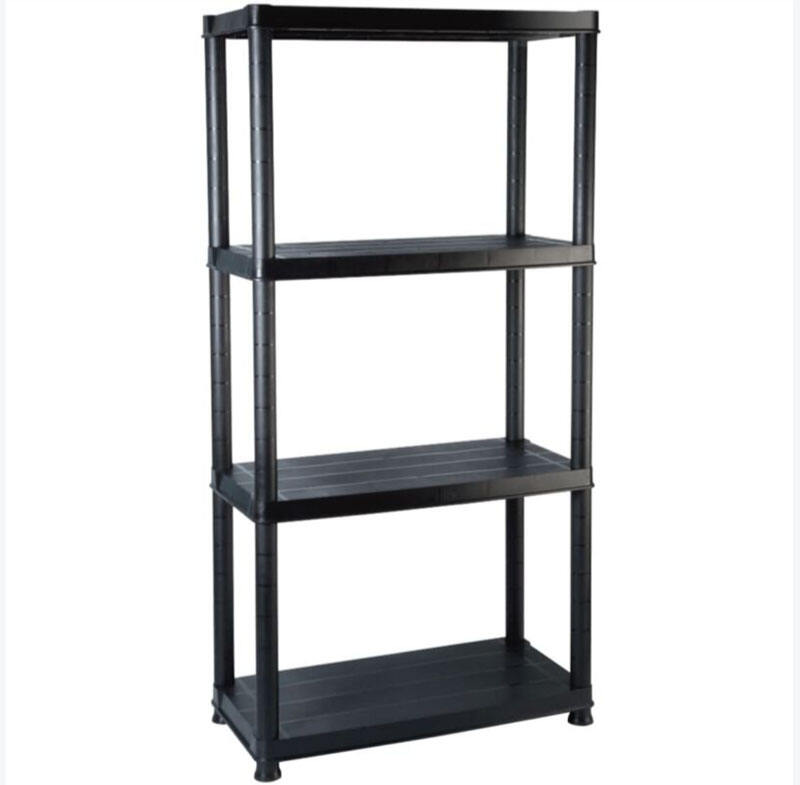
For distributors supplying commercial and industrial clients, the assessment process must balance manufacturer claims with independent verification methods, environmental factors, and the specific storage requirements of end users. This comprehensive evaluation approach protects distributors from liability issues while ensuring that the strong plastic shelving units they recommend can withstand the demands of diverse operational environments. The following analysis provides a structured methodology for distributors to evaluate load ratings with professional rigor and commercial confidence.
Understanding Load Rating Fundamentals for Strong Plastic Shelving Systems
Defining Static Versus Dynamic Load Capacities
The first critical distinction distributors must recognize involves the difference between static and dynamic load ratings for strong plastic shelving. Static load capacity refers to the weight a shelf can support when items remain stationary and evenly distributed, representing the maximum safe weight under ideal conditions. Dynamic load capacity accounts for movement, impact forces, and uneven weight distribution that occur during loading and unloading operations. Manufacturers typically specify static ratings, but distributors must understand that real-world applications involve dynamic stresses that reduce effective capacity by fifteen to thirty percent.
When assessing strong plastic shelving specifications, distributors should request clarification on whether published load ratings represent per-shelf capacity or total unit capacity. A five-tier shelving system rated at 800 pounds might refer to the combined capacity across all shelves or the capacity of individual shelves. This ambiguity creates significant risk if distributors assume total capacity when specifications indicate per-shelf limits. Professional distributors develop verification protocols that include direct manufacturer communication to eliminate these interpretation gaps before recommending products to clients.
The temporal dimension of load ratings also requires careful consideration. Some strong plastic shelving materials exhibit creep behavior, where prolonged exposure to heavy loads causes gradual deformation even when loads remain below stated capacity limits. High-density polyethylene and polypropylene composites demonstrate different creep resistance profiles, affecting their suitability for long-term static storage versus frequent inventory rotation applications. Distributors serving clients with extended storage cycles must factor creep potential into their load rating assessments to prevent structural failure over time.
Material Composition and Structural Design Factors
The polymer composition of strong plastic shelving directly determines load-bearing performance through molecular structure and manufacturing processes. Virgin resin formulations typically provide superior strength characteristics compared to recycled plastic blends, though advanced recycling technologies have narrowed this performance gap. Distributors should inquire about resin quality certifications and the percentage of recycled content when evaluating load ratings, as these factors influence both initial capacity and long-term durability under sustained loads.
Structural reinforcement methods significantly impact how strong plastic shelving distributes weight across its framework. Ribbing patterns, support bracing configurations, and shelf-to-post connection systems create substantial variance in actual load capacity even among units with similar stated ratings. Advanced designs incorporate honeycomb internal structures or cross-bracing that enhance rigidity without adding excessive weight. Distributors who understand these structural engineering principles can better assess whether manufacturer load ratings reflect conservative engineering margins or optimistic laboratory conditions.
The dimensional stability of plastic shelving under load presents another critical assessment factor. Thicker shelf panels and wider support posts generally indicate higher load capacity, but the relationship is not linear. Some strong plastic shelving systems use thinner materials with superior molecular alignment that outperform thicker panels with lower-quality resin. Distributors benefit from requesting detailed material specifications including Shore hardness values, tensile strength measurements, and flexural modulus data that provide objective comparisons beyond simple thickness measurements.
Implementing Practical Testing and Verification Methods
Independent Load Testing Protocols
Responsible distributors implement independent verification procedures rather than relying exclusively on manufacturer certifications when assessing strong plastic shelving load ratings. Practical testing involves gradually loading sample units in controlled environments while measuring deflection at predetermined weight increments. Professional distributors establish deflection limits based on industry standards, typically accepting no more than one-fiftieth of the shelf span as maximum permissible sag under rated loads. This empirical approach reveals how actual performance compares to published specifications under realistic conditions.
Duration testing provides essential insights that momentary load tests cannot capture. Some distributors conduct extended trials where strong plastic shelving units remain under maximum rated loads for periods ranging from seventy-two hours to several weeks. Measurement protocols track any progressive deformation, joint loosening, or material fatigue indicators that suggest the published load rating exceeds sustainable capacity for continuous use. These extended evaluations prove particularly valuable for distributors serving warehousing clients who maintain consistent inventory levels for extended periods.
Environmental stress testing addresses how temperature fluctuations, humidity variations, and UV exposure affect load-bearing performance of strong plastic shelving. Plastics demonstrate temperature-dependent mechanical properties, with elevated temperatures reducing stiffness and load capacity while cold conditions may increase brittleness. Distributors operating across diverse climate zones should conduct comparative testing at temperature extremes relevant to their market regions. A shelving unit performing adequately in climate-controlled facilities may fail prematurely in non-conditioned warehouses experiencing seasonal temperature swings.
Certification Standards and Third-Party Validation
Third-party testing certifications provide objective verification of manufacturer load rating claims for strong plastic shelving products. Organizations such as the American Society for Testing and Materials establish standardized protocols that ensure consistent evaluation methodologies across different manufacturers and product lines. Distributors should prioritize products carrying certifications from recognized testing laboratories rather than accepting unverified manufacturer assertions. These certifications typically specify exact testing conditions, load application methods, and acceptance criteria that allow meaningful comparisons between competing products.
Insurance and liability considerations create additional incentives for distributors to verify load rating accuracy through documented testing evidence. When strong plastic shelving failures result in product damage or safety incidents, distributors may face legal exposure if they recommended products without adequate capacity verification. Maintaining detailed records of load rating assessments, including test protocols, measurement data, and certification documentation, establishes a defensible position demonstrating professional due diligence in product selection and recommendation processes.
Quality consistency across production batches represents another validation concern that distributors must address. Manufacturing variations in resin quality, molding temperatures, and curing processes can create performance differences between test samples and production units. Distributors managing large-volume procurement should implement periodic sampling and testing protocols that verify ongoing compliance with established load ratings. This quality assurance approach protects against gradual manufacturing drift that might compromise the strong plastic shelving performance clients expect based on initial specifications.
Analyzing Application-Specific Load Rating Requirements
Matching Load Ratings to Storage Scenarios
Different storage applications impose distinct loading patterns that distributors must consider when assessing appropriate load ratings for strong plastic shelving. Retail backroom storage typically involves frequent access with lighter individual items but potentially heavy cumulative loads. Industrial parts storage may concentrate significant weight in smaller footprints with less frequent access. Food service applications demand consideration of liquid weights and container configurations that create point-loading scenarios. Distributors who understand these usage pattern distinctions can recommend strong plastic shelving with load ratings appropriately matched to actual operational demands.
Point loading creates particularly challenging assessment scenarios because weight concentration in small areas generates stresses exceeding those from evenly distributed loads. A shelf rated for 500 pounds of evenly distributed weight may fail under 300 pounds concentrated in a six-inch square area. Distributors should question clients about typical stored item configurations to identify point-loading risks. Strong plastic shelving designed for general storage may prove inadequate for applications involving heavy machinery parts, industrial tools, or concentrated liquid containers without specific reinforcement for localized loads.
Vertical storage configurations introduce additional complexity to load rating assessments. The cumulative weight of stacked shelves creates compressive forces on lower support structures that may exceed individual shelf load ratings. When evaluating strong plastic shelving systems, distributors must calculate total system loads including the weight of the shelving structure itself plus maximum inventory across all levels. Some manufacturers provide reduced load ratings for lower shelves in multi-tier configurations, acknowledging these cumulative stress factors. Distributors who overlook this vertical loading dimension may inadvertently recommend inadequate solutions for high-capacity storage applications.
Safety Margin Calculations and Risk Management
Professional distributors incorporate safety margins into load rating assessments rather than recommending strong plastic shelving at maximum rated capacity. Industry best practices suggest applying safety factors ranging from 1.5 to 2.0, meaning recommended working loads should not exceed fifty to sixty-seven percent of published ratings. This conservative approach accounts for manufacturing variations, aging effects, unexpected load spikes, and the inherent uncertainty in real-world storage environments. Distributors who implement explicit safety margin policies demonstrate professional responsibility and reduce liability exposure from overloading incidents.
Risk assessment frameworks help distributors determine appropriate safety margins for different client applications and strong plastic shelving installations. High-consequence environments such as pharmaceutical storage or chemical warehouses warrant more conservative safety factors than general merchandise storage. Similarly, installations in public-access areas where shelving failure could cause injury require greater caution than restricted industrial zones. Distributors should develop structured risk evaluation criteria that systematically account for potential failure consequences, environmental conditions, and operational oversight capabilities when establishing recommended load limits.
Documentation and client communication protocols form essential components of responsible load rating assessment practices. Distributors should provide clients with clear written specifications detailing recommended maximum loads, safety margins applied, and any application-specific limitations for strong plastic shelving installations. This documentation creates accountability while educating clients about proper loading practices. Including periodic inspection recommendations and load monitoring procedures helps ensure that initial load rating assessments remain valid throughout the operational lifespan of the shelving systems.
Evaluating Long-Term Performance and Durability Factors
Material Degradation and Aging Considerations
The load-bearing capacity of strong plastic shelving evolves over time as materials experience degradation from environmental exposure and mechanical stress cycles. Ultraviolet radiation causes photodegradation in many plastics, breaking molecular chains and reducing structural integrity. Temperature cycling induces expansion and contraction that gradually loosens joints and fasteners. Chemical exposure from stored products or cleaning agents may attack polymer matrices. Distributors assessing load ratings must account for these aging mechanisms by considering both initial capacity and projected performance degradation over expected service lifespans.
UV stabilizers and antioxidant additives extend the functional lifespan of strong plastic shelving in challenging environments, but these protective compounds eventually deplete through diffusion and chemical consumption. Distributors should inquire about additive packages and their expected longevity when evaluating products for outdoor applications or facilities with significant natural lighting. Some manufacturers provide degradation curves showing projected capacity retention over five, ten, or fifteen-year periods under specified environmental conditions. This forward-looking performance data enables more accurate lifecycle cost analyses and replacement planning for distributor clients.
Fatigue resistance becomes particularly relevant for strong plastic shelving in applications involving frequent loading and unloading cycles. Repeated stress applications below ultimate strength limits can initiate crack propagation and progressive failure through accumulated damage. High-cycle applications such as order picking operations or frequently rotated inventory impose fatigue stresses that static storage environments do not. Distributors serving clients with dynamic inventory operations should prioritize shelving products with documented fatigue testing results demonstrating sustained performance through thousands of load cycles.
Maintenance Requirements and Inspection Protocols
Load rating maintenance over extended service periods requires systematic inspection and maintenance protocols that distributors should recommend as part of comprehensive strong plastic shelving solutions. Visual inspection procedures identify early warning signs including shelf sagging, connection point loosening, surface cracking, or discoloration indicating material degradation. Distributors who provide clients with detailed inspection checklists and recommended inspection frequencies demonstrate value-added service that extends beyond simple product sales.
Cleaning and maintenance practices directly impact load-bearing performance of strong plastic shelving systems. Abrasive cleaning methods may create surface scratches that serve as stress concentration points and crack initiation sites. Incompatible cleaning chemicals can attack polymer matrices, accelerating degradation. Conversely, proper cleaning removes debris accumulation that might create uneven loading or corrosive conditions. Distributors should provide maintenance guidelines specific to the materials and construction methods of recommended strong plastic shelving products, ensuring clients understand proper care procedures that preserve structural integrity.
Load capacity recalibration procedures account for observed degradation in aging strong plastic shelving installations. Distributors serving long-term clients benefit from offering periodic reassessment services that measure current deflection characteristics and compare them to initial performance baselines. When measurements indicate significant capacity reduction, distributors can recommend load limit adjustments, reinforcement modifications, or replacement schedules that prevent catastrophic failures. This ongoing relationship approach transforms distributors from transaction-focused vendors into strategic partners managing total cost of ownership and operational risk.
FAQ
What is the typical load rating difference between commercial and industrial strong plastic shelving?
Commercial strong plastic shelving typically features load ratings ranging from 200 to 500 pounds per shelf, designed for lighter retail and office applications with frequent access patterns. Industrial-grade strong plastic shelving systems generally provide capacities from 500 to 1,500 pounds per shelf, utilizing reinforced construction and higher-grade resins to support heavier parts, tools, and bulk materials. The distinction reflects different engineering priorities, with commercial units emphasizing accessibility and aesthetics while industrial models prioritize maximum capacity and durability under demanding conditions.
How do temperature variations affect load ratings for strong plastic shelving?
Temperature significantly influences the mechanical properties of strong plastic shelving, with elevated temperatures reducing material stiffness and effective load capacity by twenty to forty percent at extremes above 100 degrees Fahrenheit. Cold temperatures below freezing increase brittleness while maintaining higher static strength, creating risks of sudden failure under impact rather than gradual deformation. Distributors should apply derating factors when recommending strong plastic shelving for non-climate-controlled environments, typically reducing working loads by fifteen to twenty-five percent in facilities experiencing temperature swings beyond standard office conditions.
Should distributors request load testing documentation from manufacturers?
Professional distributors should absolutely require comprehensive load testing documentation including test protocols, sample sizes, environmental conditions, and measurement methodologies used to establish published load ratings for strong plastic shelving. This documentation enables verification that ratings derive from standardized testing rather than theoretical calculations or optimistic projections. Third-party certification from recognized testing laboratories provides additional credibility, while manufacturers unable or unwilling to provide detailed testing evidence warrant skepticism regarding their claimed capacities and overall product quality standards.
How often should distributors reassess load ratings for installed strong plastic shelving?
Distributors should recommend annual visual inspections for all strong plastic shelving installations, with more detailed structural assessments every three to five years depending on environmental conditions and usage intensity. High-stress applications involving maximum loads, temperature extremes, or corrosive environments warrant more frequent evaluations. Reassessment protocols should measure deflection under known loads, inspect connection integrity, and examine material condition for degradation indicators. This proactive approach identifies capacity reductions before failures occur, allowing load limit adjustments or timely replacements that maintain safety and operational continuity for distributor clients.
Table of Contents
- Understanding Load Rating Fundamentals for Strong Plastic Shelving Systems
- Implementing Practical Testing and Verification Methods
- Analyzing Application-Specific Load Rating Requirements
- Evaluating Long-Term Performance and Durability Factors
-
FAQ
- What is the typical load rating difference between commercial and industrial strong plastic shelving?
- How do temperature variations affect load ratings for strong plastic shelving?
- Should distributors request load testing documentation from manufacturers?
- How often should distributors reassess load ratings for installed strong plastic shelving?

