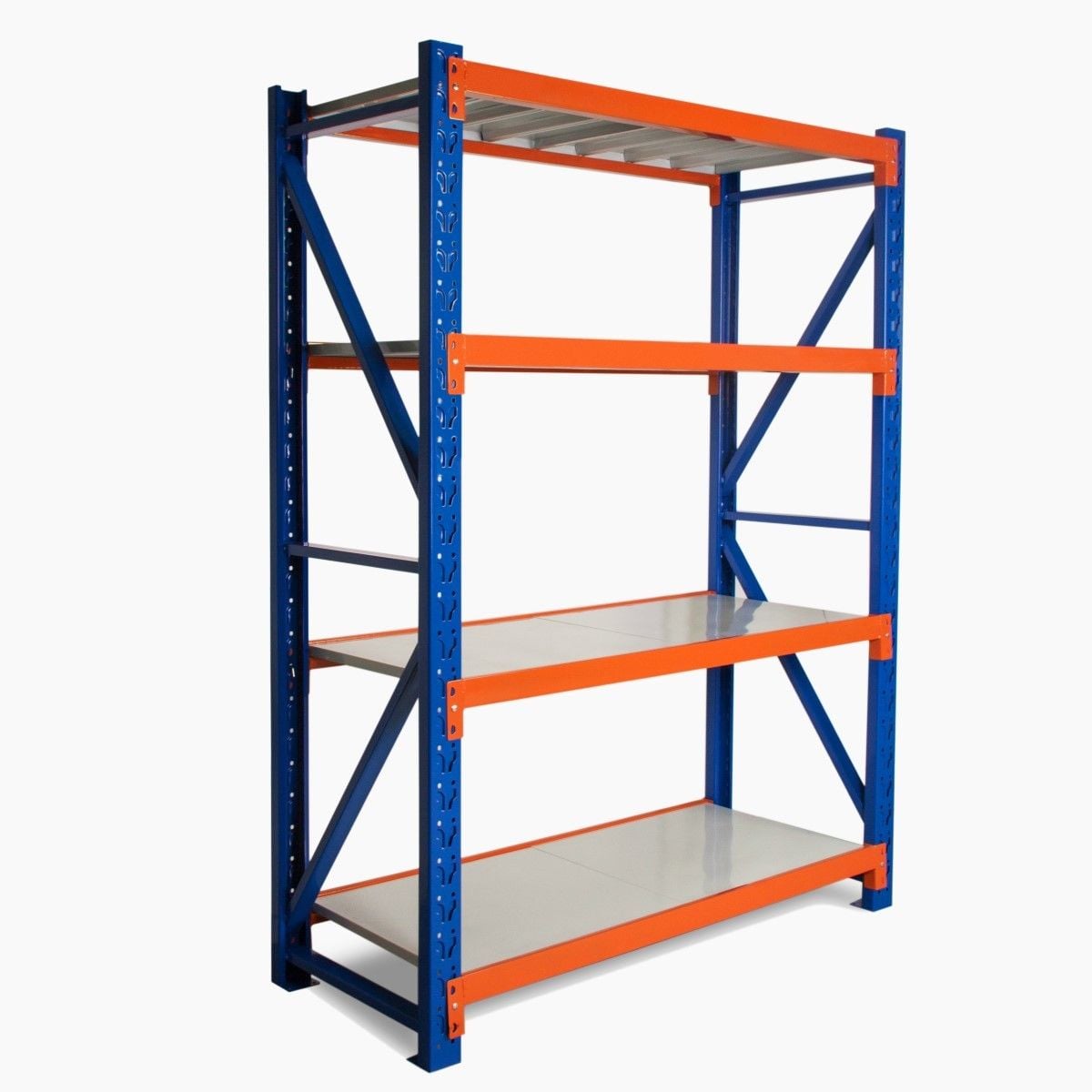
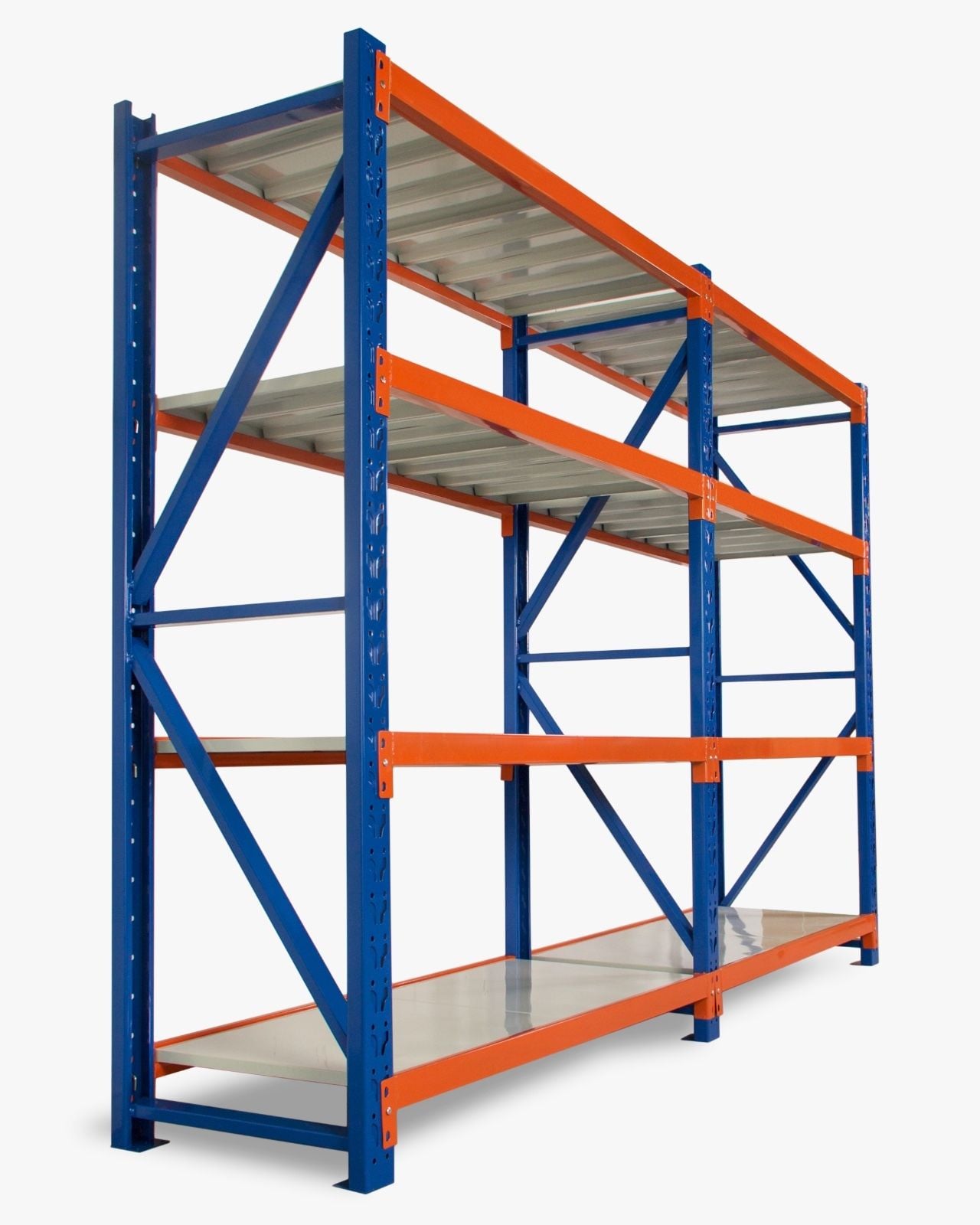
Enhanced Safety Features and Compliance Standards
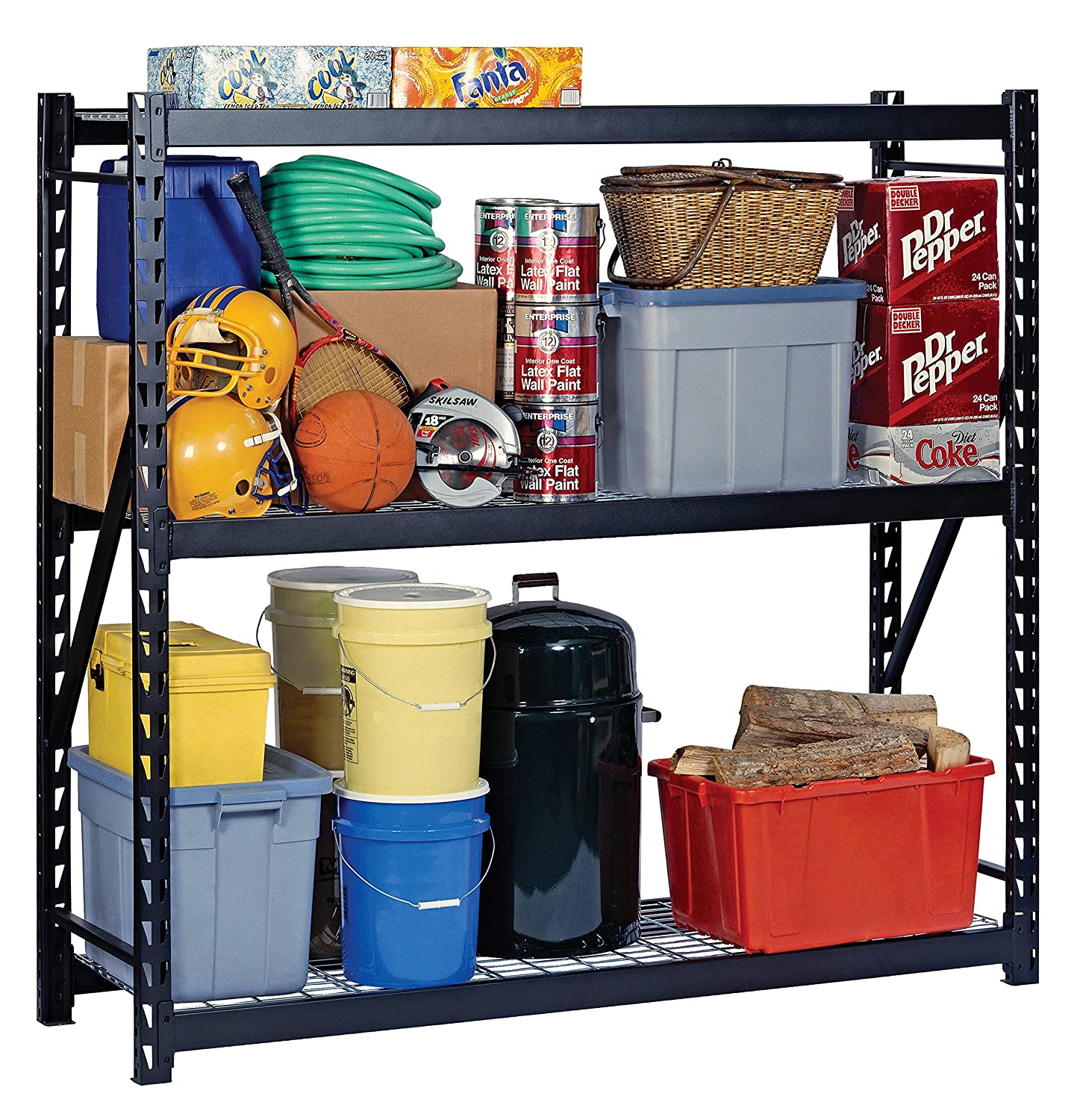
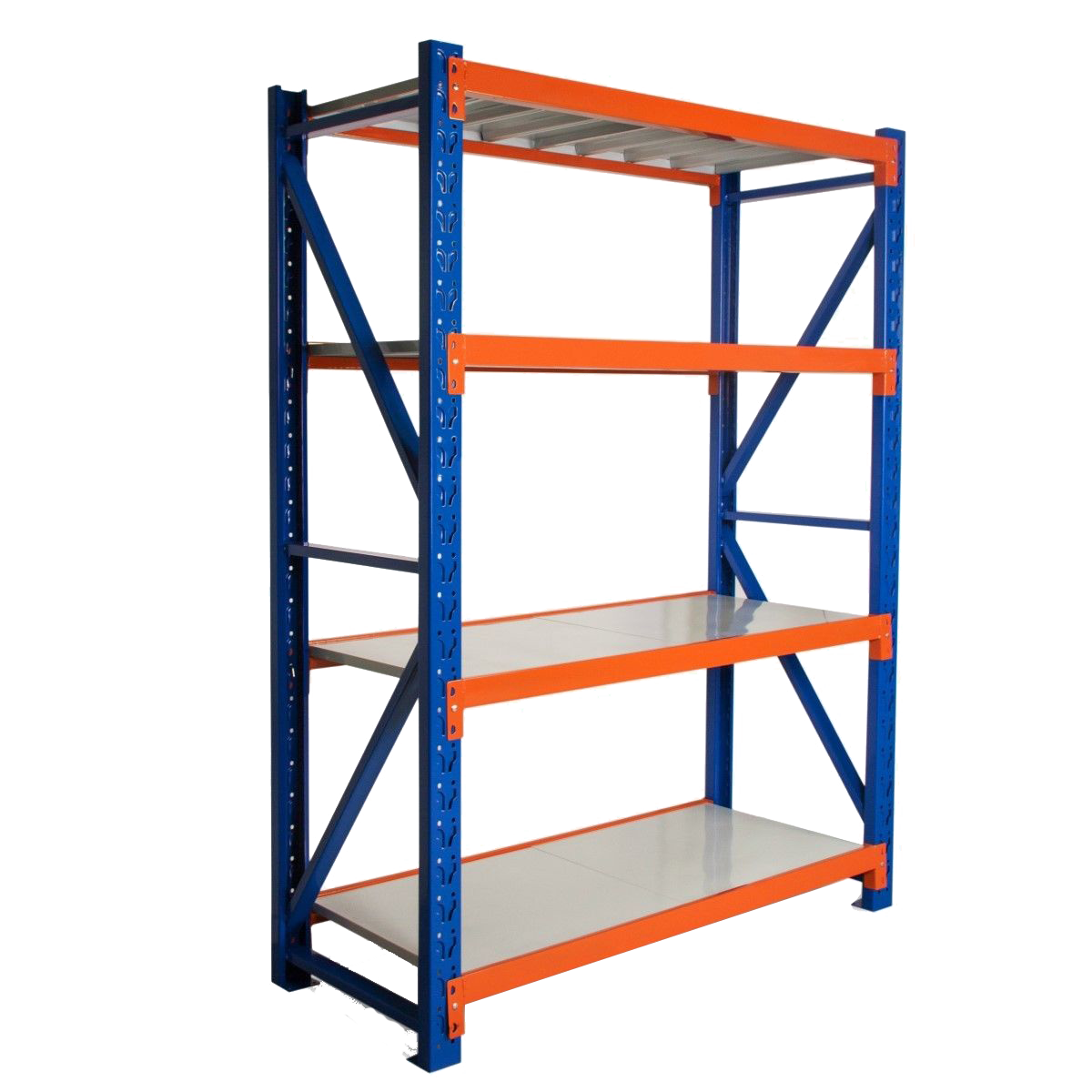
Safety considerations permeate every aspect of modern steel heavy duty racking design, reflecting industry recognition that protection of personnel and inventory represents paramount importance. Structural safety begins with engineering certifications ensuring designs meet or exceed applicable standards including RMI specifications, EN15512 European standards, or AS4084 Australian regulations depending on installation location. Manufacturing quality controls verify that materials match specifications, with mill certifications documenting steel grade and mechanical properties of raw materials before fabrication begins. Welding procedures follow qualified protocols with trained operators producing joints that meet stringent strength and consistency requirements, with random sampling and non-destructive testing confirming quality throughout production runs. Surface protection treatments prevent corrosion-related strength degradation, with powder coating processes creating durable finishes resistant to chipping and chemical exposure while galvanization provides superior protection in harsh environments like coastal locations or chemical storage facilities. Column protectors shield upright frames from forklift impact damage at floor level, absorbing collision energy that might otherwise compromise structural members, with bright safety colors enhancing visibility to reduce impact frequency. End-of-aisle guards create physical barriers preventing vehicles from accidentally entering rack structures from unintended directions, while guide rails along traffic aisles maintain appropriate clearances between forklifts and rack faces. Beam safety clips or locks prevent accidental dislodgement during loading operations, ensuring beams remain properly seated even if struck from below by rising forks or shifting loads. Back guards and mesh decking prevent pallets or individual items from falling through rack structures into adjacent aisles or work areas, eliminating serious injury risks from falling objects. Load capacity signage permanently affixed to rack uprights communicates maximum safe loads per beam level and per bay, providing clear guidance to operators and preventing overloading that could trigger failures. Regular inspection protocols recommended by safety standards include daily visual checks by operators, monthly detailed examinations by facility supervisors, and annual comprehensive assessments by qualified rack safety inspectors. Documentation systems track identified damage, implemented repairs, and configuration changes, creating accountability and ensuring issues receive timely resolution before they compromise safety. Training programs educate forklift operators, warehouse staff, and maintenance personnel about proper loading techniques, damage recognition, and reporting procedures, fostering a safety culture where everyone contributes to maintaining steel heavy duty racking system integrity throughout its operational lifetime.
 EN
EN