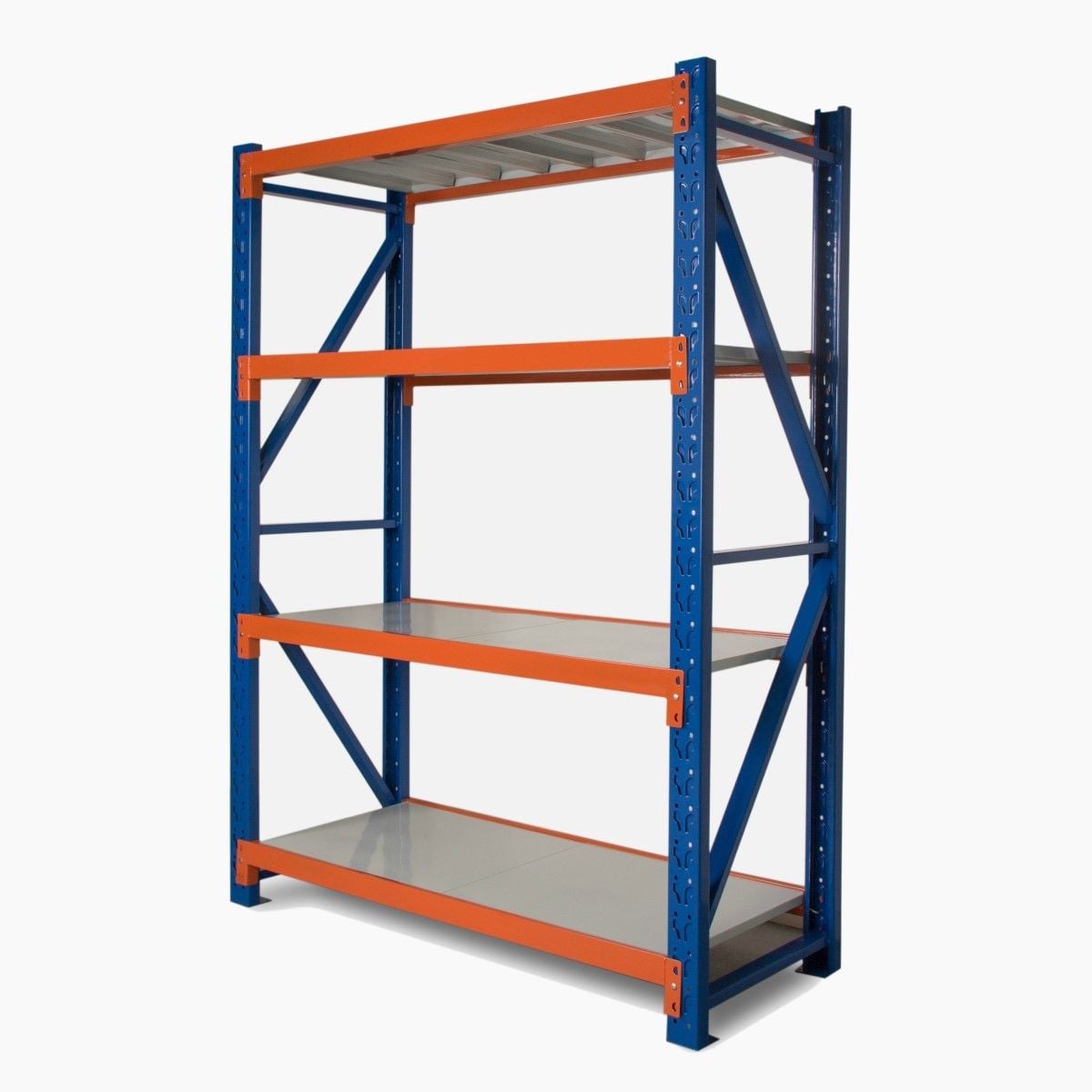
Modular Design Enabling Future-Proof Scalability
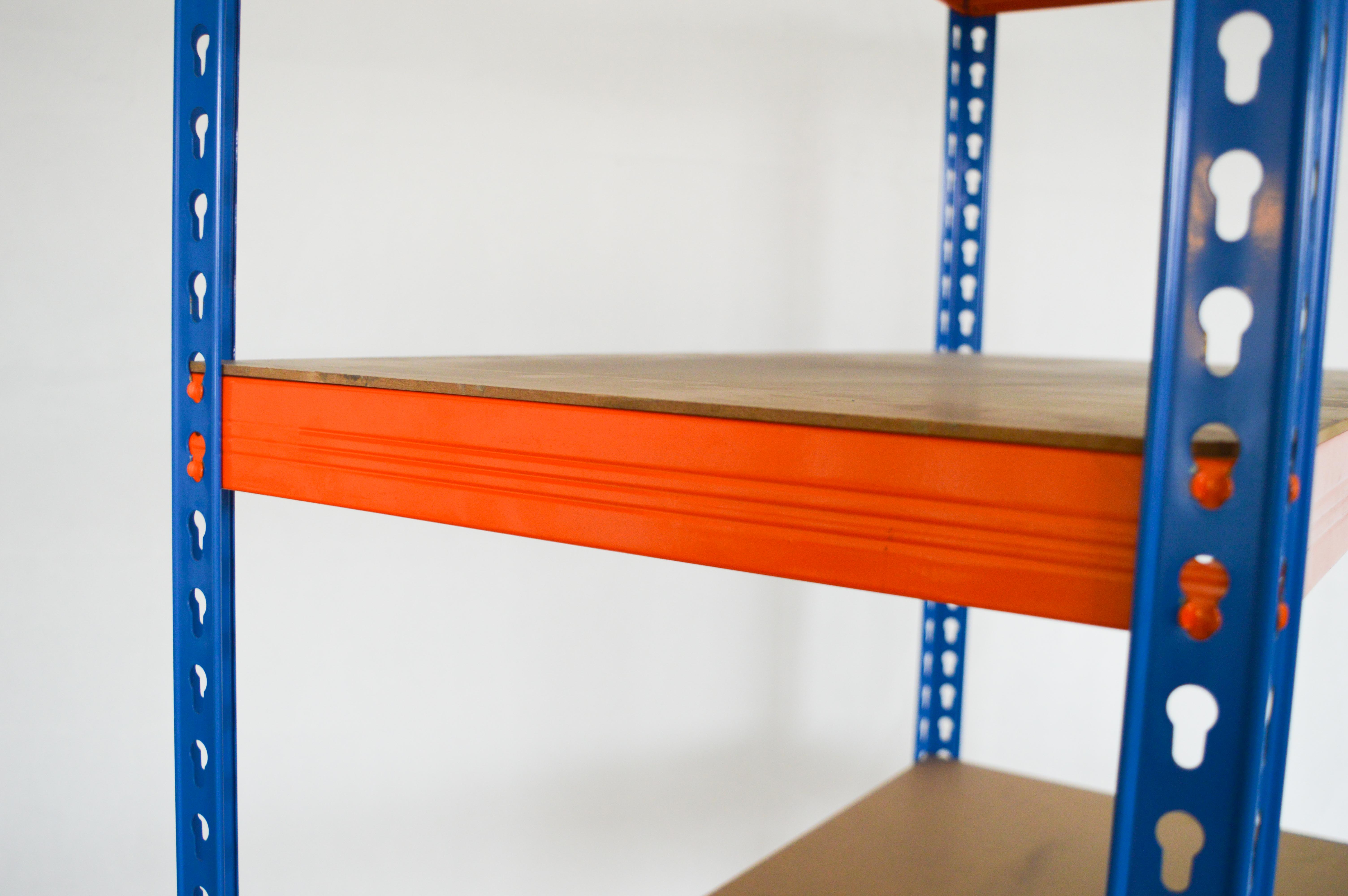
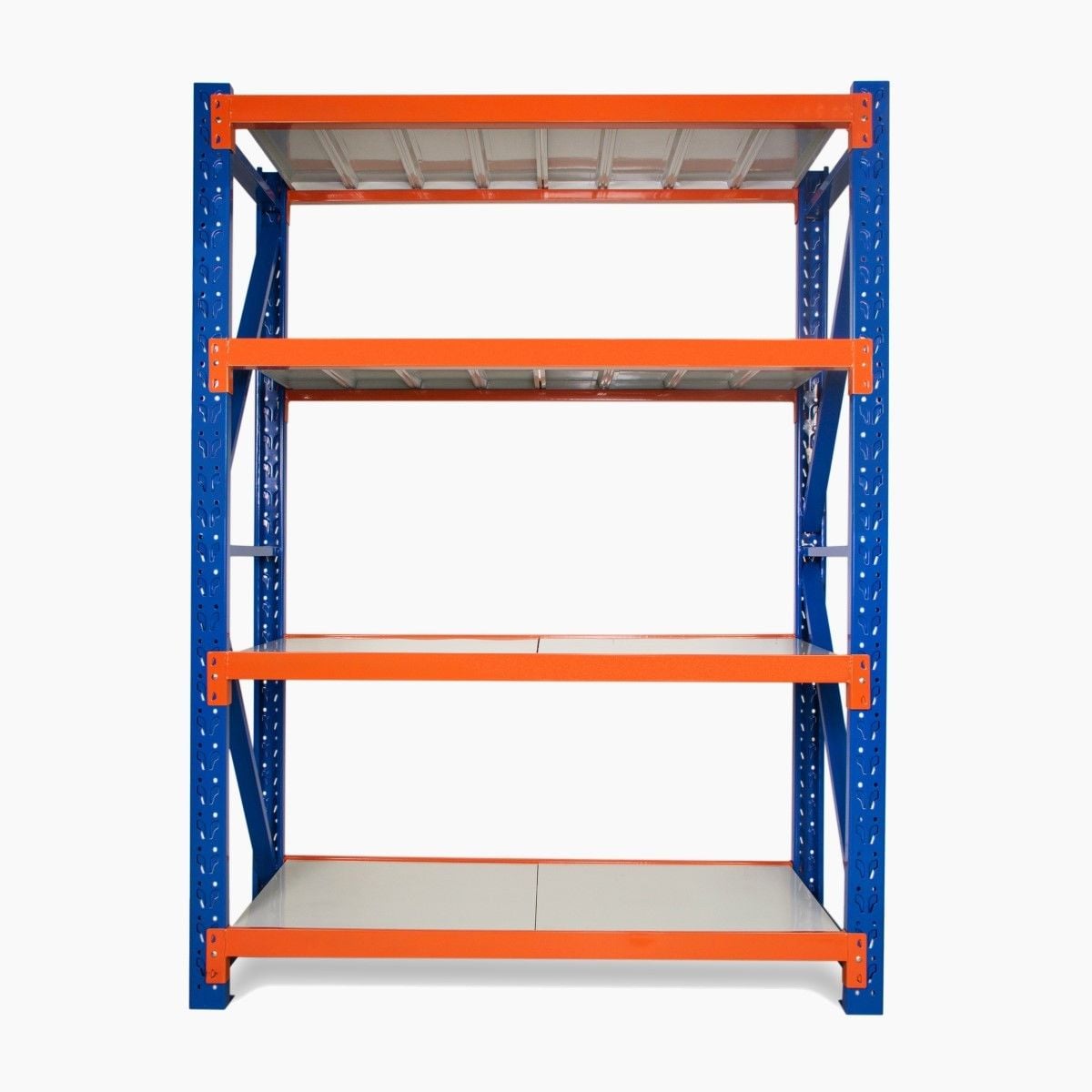
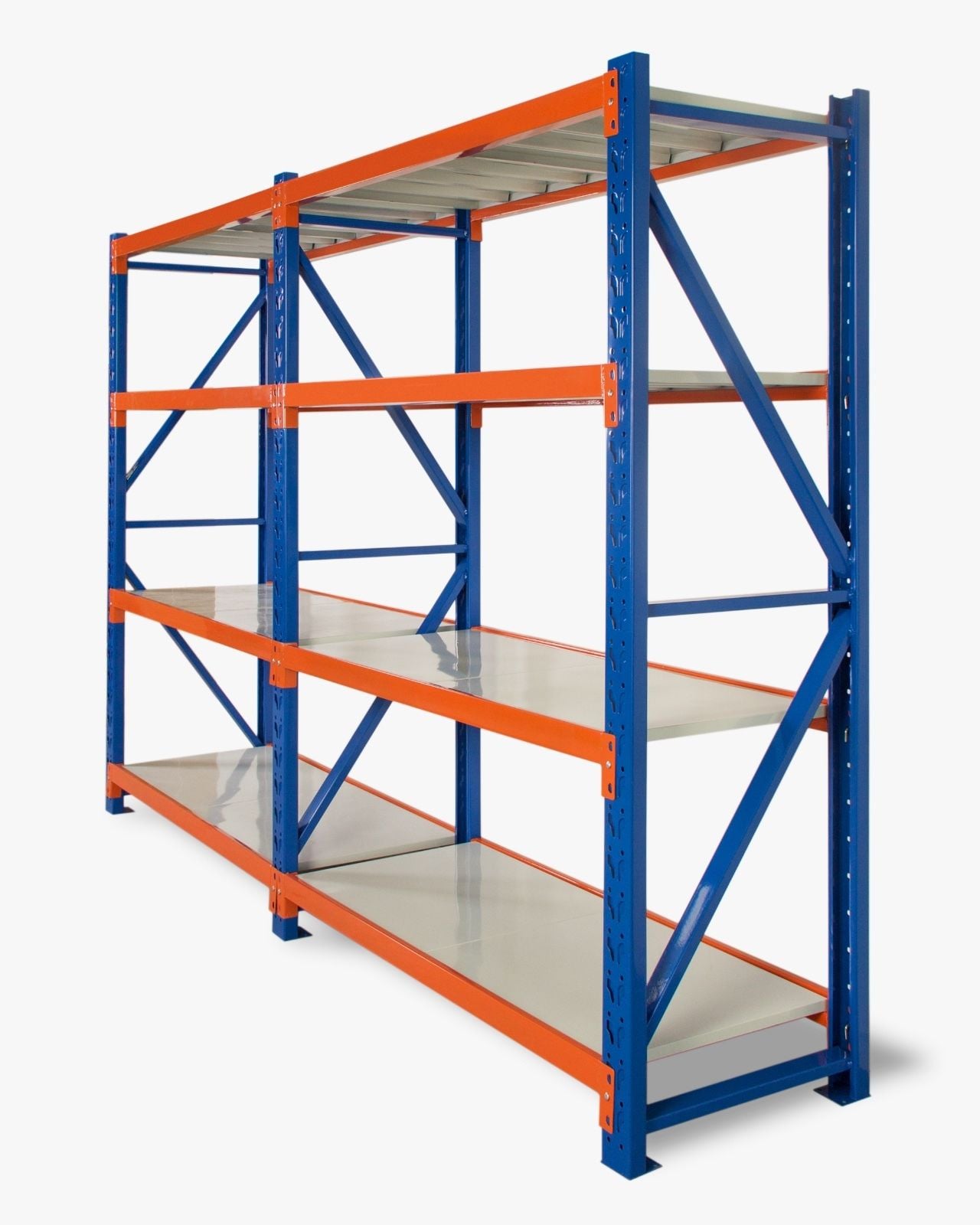
The modular architecture of heavy duty steel racking delivers unprecedented flexibility that adapts to evolving business requirements without requiring complete system replacement. This design philosophy treats each component as an independent element that connects to others through standardized interfaces, allowing infinite configuration possibilities within structural parameters. Uprights, beams, bracing, and accessories interchange seamlessly, enabling you to start with a basic layout and expand incrementally as inventory volumes increase or product lines diversify. The starter bay configuration includes two upright frames connected by beams, creating a standalone racking unit, while add-on bays share uprights with adjacent sections, reducing material costs and maximizing space efficiency in row configurations. This modularity means your initial investment remains relevant regardless of future changes, as components relocate, reconfigure, or integrate with new sections rather than becoming obsolete. Businesses experiencing seasonal fluctuations benefit from the ability to temporarily expand storage capacity during peak periods, then contract layouts when demand normalizes, redeploying components to other facility areas or storing them compactly for future use. The standardization of heavy duty steel racking dimensions across manufacturers ensures component compatibility, allowing you to source replacement or expansion parts from multiple suppliers without compatibility concerns. Beam length options ranging from four to twelve feet accommodate various pallet sizes and aisle width requirements, while upright heights extend from eight to thirty feet or more, utilizing vertical space in facilities with high ceilings. Accessory integration further enhances modularity, as you can add wire decking for smaller item storage, dividers for compartmentalization, or specialized attachments for unique product handling needs. The tool-free assembly process for many heavy duty steel racking systems simplifies reconfiguration, requiring only rubber mallets to disconnect and reconnect beams, enabling warehouse managers to adjust layouts during off-hours without hiring specialized contractors. This agility supports lean inventory practices and just-in-time fulfillment strategies that demand rapid adaptation to changing product mixes. The investment protection inherent in modular design extends beyond physical reconfiguration, as transferability between facilities means your racking system relocates when you move operations, preserving capital investment rather than abandoning fixed infrastructure. Future-proofing your storage infrastructure through modular heavy duty steel racking positions your business to scale efficiently, respond to market opportunities quickly, and maintain operational flexibility that rigid storage solutions cannot provide.
 EN
EN