 EN
EN

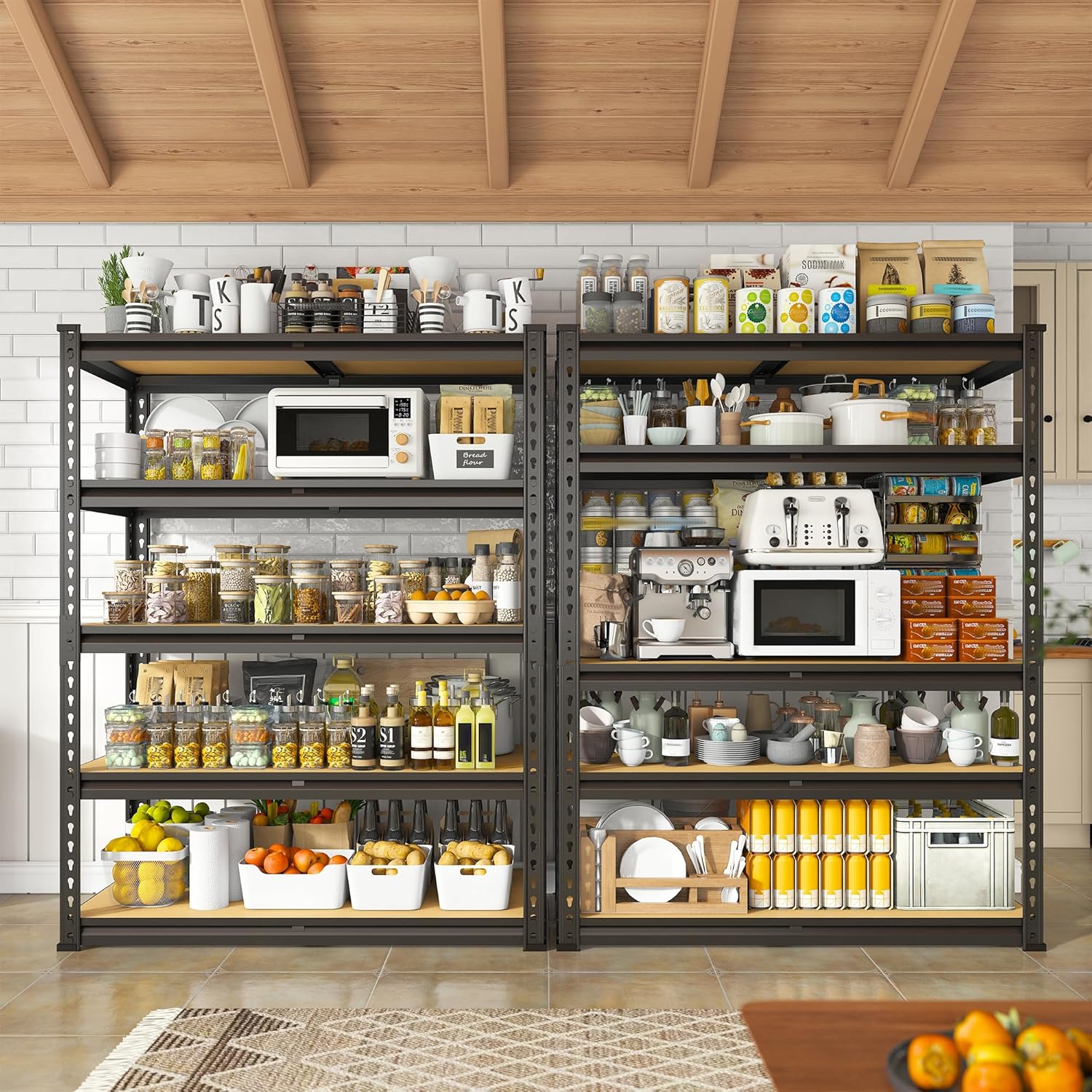
For global procurement teams, working directly with a shelf factory is beneficial because it improves control over cost, quality, delivery, and product fit at the same time. Importing storage systems across regions is not only a pricing decision; it is a risk-management decision tied to consistency, compliance, and replenishment speed. A shelf factory can align manufacturing decisions with actual warehouse, retail, and industrial operating conditions instead of forcing buyers into generic off-the-shelf limitations. That direct alignment is where long-term margin protection usually begins.
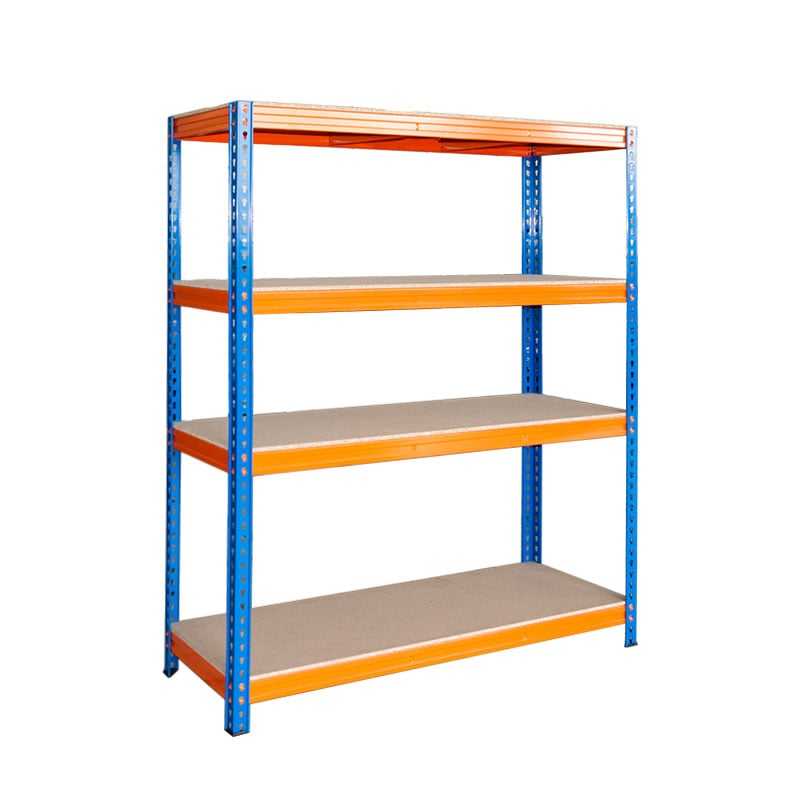
When sourcing spans multiple countries, the operational value of a shelf factory becomes even clearer. Buyers need stable lead times, reliable packaging standards, repeatable load performance, and clear technical communication across time zones and teams. A shelf factory supports those needs through direct process visibility and fewer handoff layers. In practical terms, that means fewer surprises after purchase orders are placed and more predictable performance when goods reach site.
Strategic Cost and Supply Advantages
Direct production economics improve landed cost accuracy
A shelf factory gives buyers cleaner cost structure visibility, which is critical for global budgeting. Instead of paying through multiple trading layers, procurement teams can evaluate material grade, fabrication scope, surface treatment, and packaging decisions in direct discussion with the shelf factory. That transparency helps distinguish between true value engineering and hidden quality reductions. It also supports more accurate landed cost calculations before contracts are finalized.
For international buyers, price alone is rarely the real problem; volatility is. A shelf factory can stabilize quotations by mapping steel input cycles, production windows, and shipping assumptions in a way intermediaries often cannot explain in detail. This reduces unexpected unit-cost shifts during repeat orders. Over a multi-quarter purchasing plan, that predictability can protect margin more effectively than chasing the lowest initial quote.
Better forecast synchronization reduces stock risk
Demand fluctuations create expensive outcomes when shelf supply is disconnected from real usage. Working with a shelf factory enables rolling forecast conversations tied to production capacity, raw material positioning, and container planning. Buyers can stage orders by project phase or regional rollout instead of making oversized one-time commitments. That flexibility lowers the risk of dead inventory and urgent premium freight.
A shelf factory can also coordinate production sequencing around mixed SKU portfolios, such as heavy-duty bays, accessory components, and size variations needed across multiple sites. Coordinated sequencing means global buyers are less likely to receive mismatched shipment compositions. The result is smoother installation timelines and fewer site-level interruptions. In operational terms, better synchronization converts procurement from reactive purchasing into controlled supply planning.
Engineering Consistency for Multi-Market Deployment
Standardized manufacturing improves repeatability across locations
Global buyers often deploy the same storage concept in different warehouses, stores, or service depots. A shelf factory supports this model by maintaining repeatable tooling logic, dimensional controls, and assembly interfaces across production batches. Consistency at the factory level translates into consistent field installation, which reduces labor friction and rework. This matters even more when local installation teams vary by country.
Because a shelf factory owns core process steps, technical clarifications can be handled quickly when tolerances, beam fit, or upright alignment questions arise. That direct engineering loop prevents small design misunderstandings from becoming large deployment delays. It also helps buyers maintain uniform safety and visual standards across facilities. Standardized output is one of the strongest operational reasons global teams prefer a shelf factory relationship.
Configurable design options fit different operational realities
While repeatability is essential, global operations also require adaptation. A shelf factory can adjust shelf dimensions, layer count, load class, connector style, and finish requirements to match each application without abandoning platform consistency. Buyers therefore get localized fit while retaining procurement efficiency. This balance is difficult to achieve through disconnected resale channels.
For projects that need heavier capacity, modular expansion, or specific carton dimensions, direct collaboration with a shelf factory speeds up technical validation. Instead of guessing whether a catalog model will work, teams can review drawings, tolerances, and practical constraints before mass production. Many buyers start with a validated base model such as shelf factory solutions and then refine specifications by environment. This approach reduces retrofit costs after installation.
Quality Assurance and Compliance Confidence
Process visibility lowers quality uncertainty
Quality problems in storage systems often appear after loading begins, when correction is most expensive. A shelf factory gives buyers earlier control points through production-stage visibility, including forming consistency, welding quality, coating integrity, and packing protection. Early visibility makes it easier to prevent defects rather than negotiate compensation later. For global buyers, prevention is always cheaper than recovery.
A shelf factory can define acceptance criteria jointly with procurement and technical teams, making inspection outcomes more objective. Clear checkpoints around load-bearing components and finishing details reduce ambiguity between order intent and delivered goods. This is particularly useful when shipments are distributed to multiple countries with different receiving teams. Common quality language creates consistent decisions regardless of destination.
Documentation discipline supports cross-border confidence
International sourcing requires more than physical product quality; it requires traceable documentation. A shelf factory can provide structured records for materials, production batches, and inspection outcomes that help buyers manage internal governance and customer requirements. This is valuable during onboarding audits, claim investigations, and repeat-order approvals. Documentation quality often determines how smoothly global organizations scale sourcing programs.
When compliance expectations evolve, direct coordination with a shelf factory shortens adjustment cycles. Buyers can update packaging marks, labeling details, and specification files without relaying requests through multiple communication layers. That responsiveness reduces administrative friction and lowers the chance of shipment holds caused by documentation mismatch. In global operations, strong document control is a competitive advantage, not clerical overhead.
Partnership Value Beyond Unit Pricing
Faster issue resolution protects project timelines
In large deployments, minor discrepancies can delay installation crews, disrupt downstream operations, and inflate total project cost. Working with a shelf factory accelerates root-cause analysis because technical and production teams are directly involved. Corrective actions can be defined with practical manufacturing context rather than assumptions. Faster resolution helps buyers protect critical go-live dates.
A shelf factory relationship also supports proactive risk reviews before peak shipping periods. Teams can identify vulnerable points such as packaging stress, mixed-container loading patterns, or tolerance-sensitive components and adjust early. That proactive approach reduces incident frequency during transit and receiving. Over time, fewer disruptions build trust between procurement, operations, and finance stakeholders.
Long-term collaboration strengthens procurement resilience
Global buyers benefit when a shelf factory understands their growth plan, product roadmap, and installation standards over several cycles. This continuity allows the factory to plan capacity, maintain critical tooling readiness, and recommend phased improvements that preserve compatibility. Strategic continuity is difficult to replicate through transactional spot buying. It becomes especially valuable during demand spikes or sudden project acceleration.
A mature shelf factory partnership can also generate measurable lifecycle gains through packaging optimization, component simplification, and assembly efficiency improvements. None of these gains depend on marketing claims; they come from repeated technical collaboration and real operating feedback. For B2B teams accountable for uptime and cost discipline, that is the central benefit of choosing a shelf factory model. The relationship shifts procurement from price chasing to sustained performance management.
FAQ
Why does a shelf factory model matter more for global buyers than local buyers?
Global buyers face higher complexity in freight planning, documentation consistency, and multi-site rollout coordination. A shelf factory helps manage that complexity through direct communication and repeatable production controls. The more regions involved, the greater the value of standardization and traceability. That is why the shelf factory approach scales better for international programs.
Can working with a shelf factory reduce total cost even if unit price is not the lowest?
Yes, because total cost includes defect risk, delay cost, rework labor, emergency freight, and coordination overhead. A shelf factory can lower these hidden costs by improving predictability and technical fit from the start. Buyers often find that stable execution produces stronger financial outcomes than unstable low pricing. Total value is usually created in operations, not just at quotation stage.
How does a shelf factory support product consistency across repeated orders?
A shelf factory maintains control over tooling, process parameters, and inspection criteria, which improves batch-to-batch repeatability. Consistent dimensions and component interfaces simplify installation in different countries and facilities. This reduces rework and supports uniform safety expectations. Repeatability is one of the most practical advantages of factory-direct collaboration.
What should procurement teams prepare before engaging a shelf factory?
Teams should prepare clear load requirements, space constraints, deployment timelines, and packaging expectations, then align these with technical review checkpoints. A shelf factory can work more effectively when specifications and decision criteria are explicit. Early clarity helps avoid late-stage redesign and shipment delays. Preparation turns supplier interaction into structured project execution.
Table of Contents
- Strategic Cost and Supply Advantages
- Engineering Consistency for Multi-Market Deployment
- Quality Assurance and Compliance Confidence
- Partnership Value Beyond Unit Pricing
-
FAQ
- Why does a shelf factory model matter more for global buyers than local buyers?
- Can working with a shelf factory reduce total cost even if unit price is not the lowest?
- How does a shelf factory support product consistency across repeated orders?
- What should procurement teams prepare before engaging a shelf factory?

