 EN
EN

Finding the right racks manufacturer for industrial storage is a risk-management decision as much as a purchasing decision. In most facilities, storage systems affect safety, inventory accuracy, floor productivity, and long-term expansion options, so a weak supplier choice can create operational friction for years. The fastest way to identify a trusted racks manufacturer is to evaluate fit in sequence: requirement clarity, engineering capability, quality control discipline, delivery reliability, and after-sales accountability. When procurement teams follow that sequence, they avoid being impressed by pricing alone and focus on real performance outcomes.
A trusted racks manufacturer should be able to translate storage needs into engineered solutions that remain stable under changing SKUs, seasonal throughput, and evolving warehouse layouts. That means the best evaluation process is not a single quotation request but a structured qualification method with technical checkpoints. In practice, companies that choose a racks manufacturer based on transparent design logic, load testing evidence, and service responsiveness usually achieve lower lifecycle cost than companies that optimize for initial unit price. The sections below break down how to do this in a practical, decision-ready way.
Define Industrial Storage Requirements Before Contacting Any Supplier
Map operational reality into technical storage criteria
Before discussing options with a racks manufacturer, document your real operating conditions in detail. Include product dimensions, pallet profiles, handling equipment turning radius, aisle strategy, and the expected throughput per shift. A reliable racks manufacturer will ask for this data early because rack safety and picking efficiency depend on exact load behavior, not assumptions. This first step prevents overdesign, underdesign, and expensive layout corrections after installation.
Your internal team should also define growth scenarios for the next three to five years. A trusted racks manufacturer can then propose modular configurations that scale without forcing complete replacement of existing structures. When this planning is skipped, many businesses outgrow their system quickly and face avoidable retrofitting costs. Requirement clarity gives every later conversation with a racks manufacturer objective direction.
Set non-negotiable standards for safety and compliance
A qualified racks manufacturer must align with the safety practices and compliance expectations relevant to your facility environment. You should request documentation for material grade, structural calculations, coating durability, and inspection routines used during production. Any racks manufacturer that cannot explain these controls clearly should be treated as a risk signal, even when pricing is attractive. In industrial storage, missing quality discipline often appears later as deformation, instability, or accelerated corrosion.
Define acceptance criteria before final quote comparison. For example, specify required load margins, adjustability range, and installation tolerance expectations, then ask each racks manufacturer to respond directly against those items. This approach makes supplier evaluation evidence-based rather than impression-based. It also makes internal approval smoother because decision stakeholders can see exactly how each racks manufacturer meets operational requirements.
Evaluate Engineering and Customization Capability in Depth
Check design process maturity and problem-solving logic
A trusted racks manufacturer should demonstrate a repeatable engineering workflow from concept to final drawing. That workflow usually includes site data intake, layout simulation, load-path analysis, and design revision checkpoints before production release. When a racks manufacturer can explain this sequence with clarity, it shows technical maturity and reduces misunderstanding risk between procurement, operations, and installation teams. Good engineering process quality is often a stronger trust indicator than polished sales language.
Ask how the racks manufacturer handles constraints such as mixed SKU profiles, irregular packaging, high-turn items, and narrow aisle pressure. The answer should include adaptation logic, not generic claims about flexibility. A competent racks manufacturer will connect each design choice to operational effect, such as improved access speed or reduced congestion at key picking zones. This is where you verify whether the supplier can solve your real floor conditions.
Validate customization without compromising structural reliability
Many buyers need non-standard heights, bay widths, or deck types, so customization is often essential. However, a trusted racks manufacturer balances customization with proven structural integrity instead of modifying dimensions without recalculation. You should ask the racks manufacturer to explain which parameters are configurable and how load capacity is revalidated after each change. This separates true engineering customization from simple dimensional alteration.
When reviewing options, examine whether the racks manufacturer can support phased deployment and later expansion with compatible components. Industrial environments rarely stay static, so future integration matters. A capable racks manufacturer will document compatibility rules so added units maintain alignment with initial design intent. This protects your investment and keeps operational disruption low during future capacity growth.
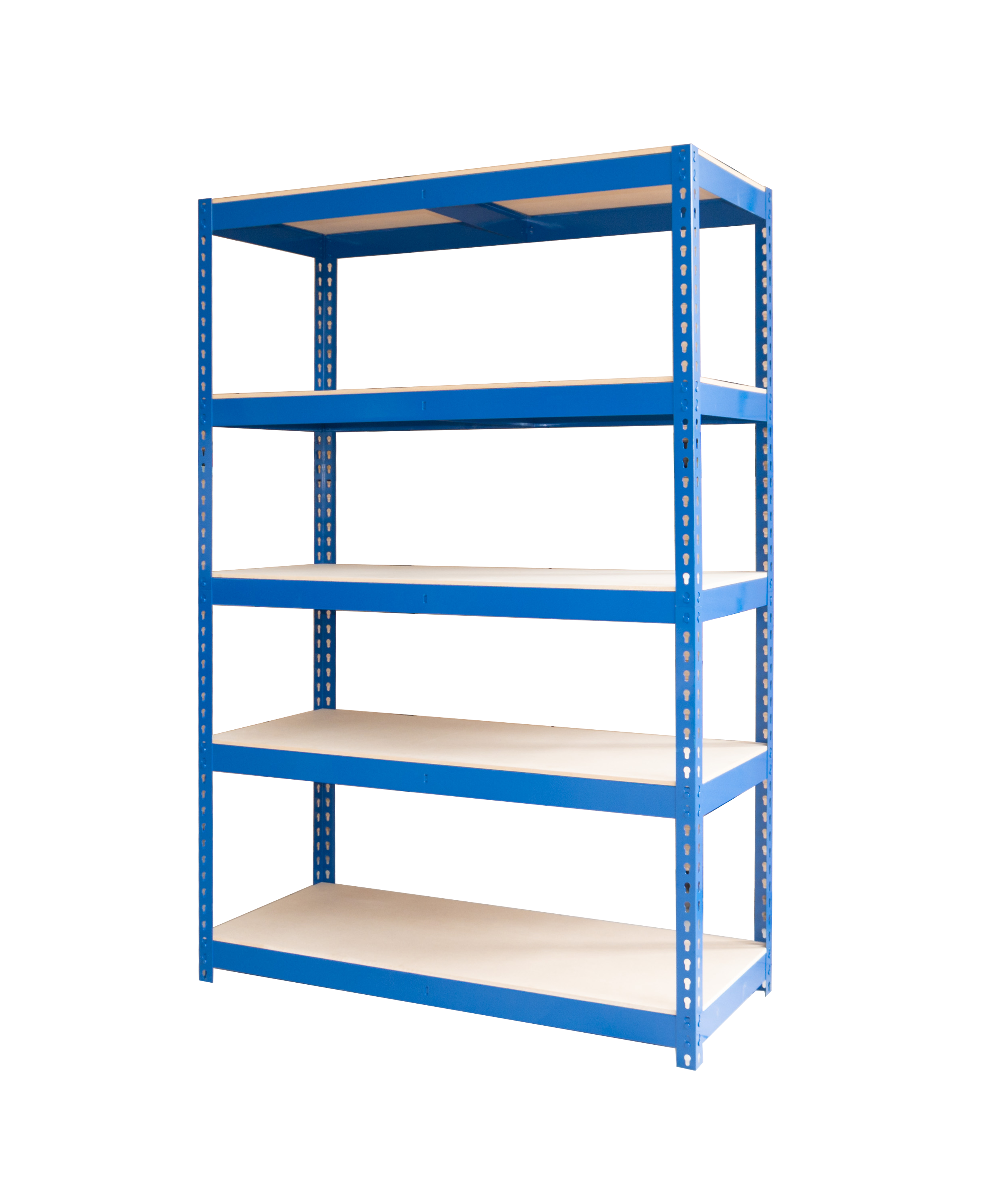
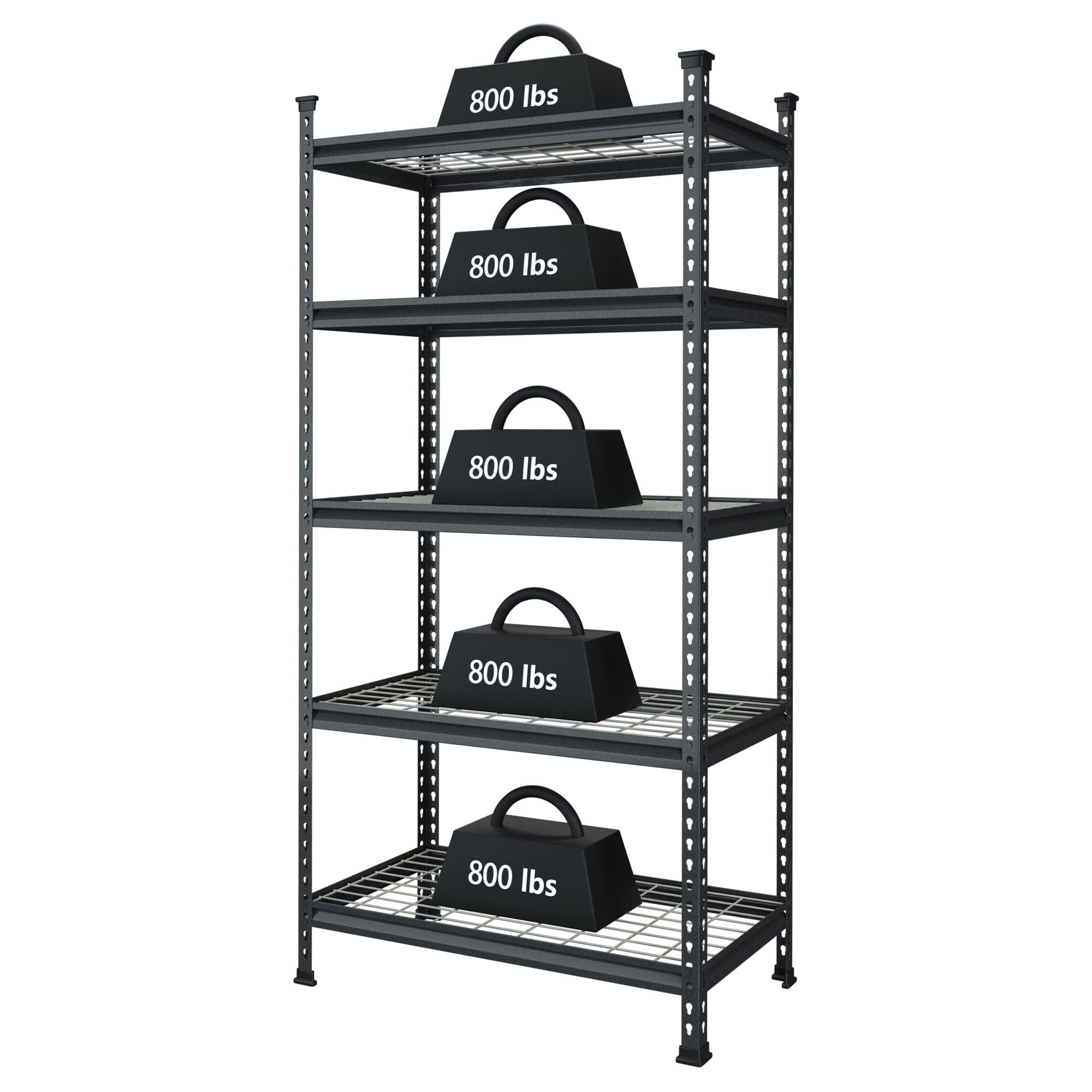
For teams reviewing configurable systems, one practical reference point is this racks manufacturer solution, which illustrates how adjustability can be framed around industrial use rather than generic retail shelving assumptions. The key is not the format alone, but whether the supplier can align configuration choices with your load profile and workflow.
Audit Manufacturing Quality Controls and Delivery Reliability
Inspect production discipline and traceability readiness
A trusted racks manufacturer should provide clear visibility into production controls, including incoming material checks, process inspections, and final load-related verification steps. You do not need excessive technical jargon; you need consistent evidence that quality is measured, recorded, and corrected when deviations occur. If a racks manufacturer cannot provide traceability logic for batches or components, quality risk increases significantly. Traceability becomes critical when you scale procurement across multiple project phases.
It is also useful to review how the racks manufacturer manages coating uniformity and surface preparation, especially in demanding warehouse conditions. Durable finishing affects corrosion resistance and long-term appearance, which influence both safety and maintenance planning. A disciplined racks manufacturer treats finish quality as a structural lifecycle factor, not a cosmetic afterthought. That mindset is a strong trust signal during supplier qualification.
Measure lead-time stability and fulfillment consistency
Delivery performance can disrupt operations as much as weak product quality, so evaluate scheduling capability early. A trusted racks manufacturer should provide realistic lead times with milestone visibility for drawing approval, fabrication, packaging, and dispatch. Overpromising timeline speed is common in weak supplier selection processes, so ask each racks manufacturer for examples of how schedule risk is managed during peak demand periods. Consistent fulfillment history is often a better predictor than the shortest quoted lead time.
You should also confirm packaging and shipping protection standards, especially for large projects with multiple handling stages. A responsible racks manufacturer designs packaging to minimize transit damage and preserve component identification at receiving docks. When packaging control is poor, installation delays and mismatch errors become common. Reliable logistics execution is part of what makes a racks manufacturer truly trusted in industrial environments.
Confirm Installation Support and Long-Term Service Accountability
Assess installation guidance and site coordination strength
Even well-built systems can underperform if installation quality is inconsistent. A trusted racks manufacturer should provide detailed installation documentation, sequence guidance, and clear tolerance instructions for site teams. During procurement, ask how the racks manufacturer coordinates with contractors and how field issues are escalated and resolved. Strong site communication reduces rework and helps your operation reach steady-state faster.
For multi-zone projects, clarify commissioning checkpoints before shipment begins. A structured racks manufacturer will map receiving, staging, assembly validation, and handover criteria so each phase can be verified. This reduces ambiguity between engineering drawings and on-site execution. In practice, installation governance is where many supplier differences become visible very quickly.
Review post-installation service model and lifecycle support
Trust is proven after delivery, not at quotation stage. A dependable racks manufacturer should define post-installation response scope, spare component availability, and inspection support cadence. When facilities change SKU mix or add automation interfaces, the same racks manufacturer should be able to advise on safe modifications without forcing total replacement. Long-term support depth protects both uptime and budget predictability.
During final selection, include service accountability clauses tied to documentation, response timing, and corrective action workflow. A mature racks manufacturer will accept transparent service expectations because internal systems already support them. This final step turns supplier trust from a subjective impression into an operationally enforceable standard. The result is a storage partner, not just a one-time vendor.
FAQ
How many suppliers should we evaluate before selecting a racks manufacturer?
In most industrial projects, evaluating enough options to compare engineering approach, quality discipline, and delivery reliability is more useful than collecting many price-only quotes. A practical process is to narrow candidates quickly using technical fit and then run deeper qualification on the strongest group. The goal is not volume of quotations but clarity on which racks manufacturer can execute safely and consistently in your specific operating context.
What is the biggest warning sign during racks manufacturer screening?
The strongest warning sign is vague technical communication paired with aggressive pricing pressure. When a racks manufacturer cannot explain load assumptions, customization limits, or quality controls in a structured way, hidden risk is likely. Trusted execution requires transparent engineering logic, documented manufacturing checks, and realistic delivery commitments that remain consistent across discussions.
Can a racks manufacturer support both current layout and future expansion?
Yes, a capable racks manufacturer can design with phased growth in mind by using modular dimensions, compatibility rules, and capacity planning assumptions. Expansion readiness should be discussed at the initial design stage so added sections integrate without major disruption. This is one reason requirement definition and scenario planning are essential before final approval.
How do we balance budget constraints with quality when choosing a racks manufacturer?
Use lifecycle cost thinking instead of unit price thinking. A lower upfront offer from a weak racks manufacturer can lead to higher maintenance, installation correction, and replacement costs over time. The better approach is to score each racks manufacturer on structural reliability, lead-time consistency, service accountability, and adaptation support, then align that score with total cost over expected system life.
Table of Contents
- Define Industrial Storage Requirements Before Contacting Any Supplier
- Evaluate Engineering and Customization Capability in Depth
- Audit Manufacturing Quality Controls and Delivery Reliability
- Confirm Installation Support and Long-Term Service Accountability
-
FAQ
- How many suppliers should we evaluate before selecting a racks manufacturer?
- What is the biggest warning sign during racks manufacturer screening?
- Can a racks manufacturer support both current layout and future expansion?
- How do we balance budget constraints with quality when choosing a racks manufacturer?

