 EN
EN

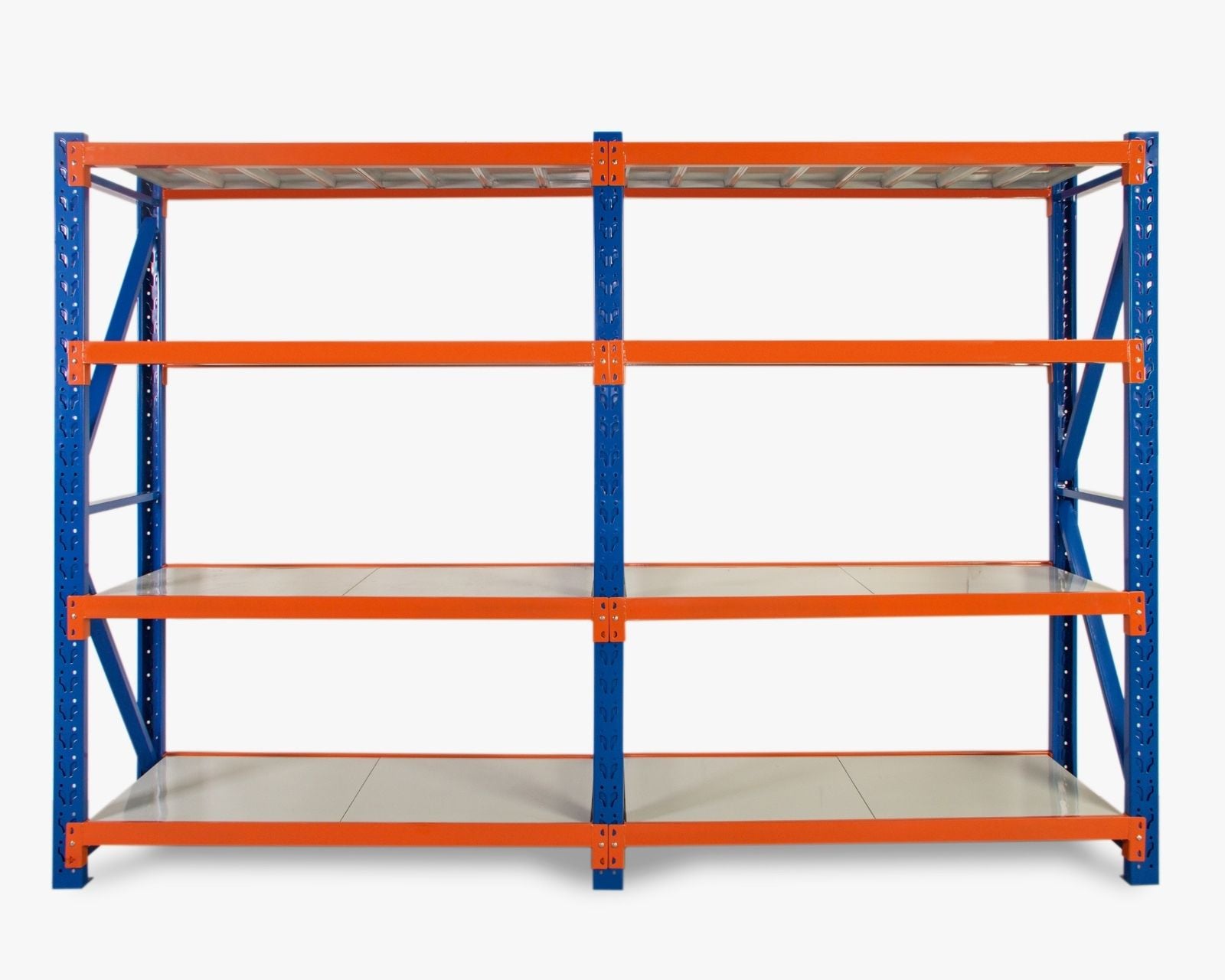
Yes, a metal shelving supplier can materially improve warehouse efficiency when the supplier does more than ship standard racks and instead supports layout, load planning, adjustability, and long-term operational changes. In most facilities, lost time comes from travel distance, poor slotting, unstable storage levels, and difficult replenishment flows rather than labor effort alone. A capable metal shelving supplier helps remove those friction points by matching shelving geometry to inventory behavior and pick frequency. That turns storage from passive space usage into an active productivity system that supports throughput, accuracy, and safer movement across the floor.
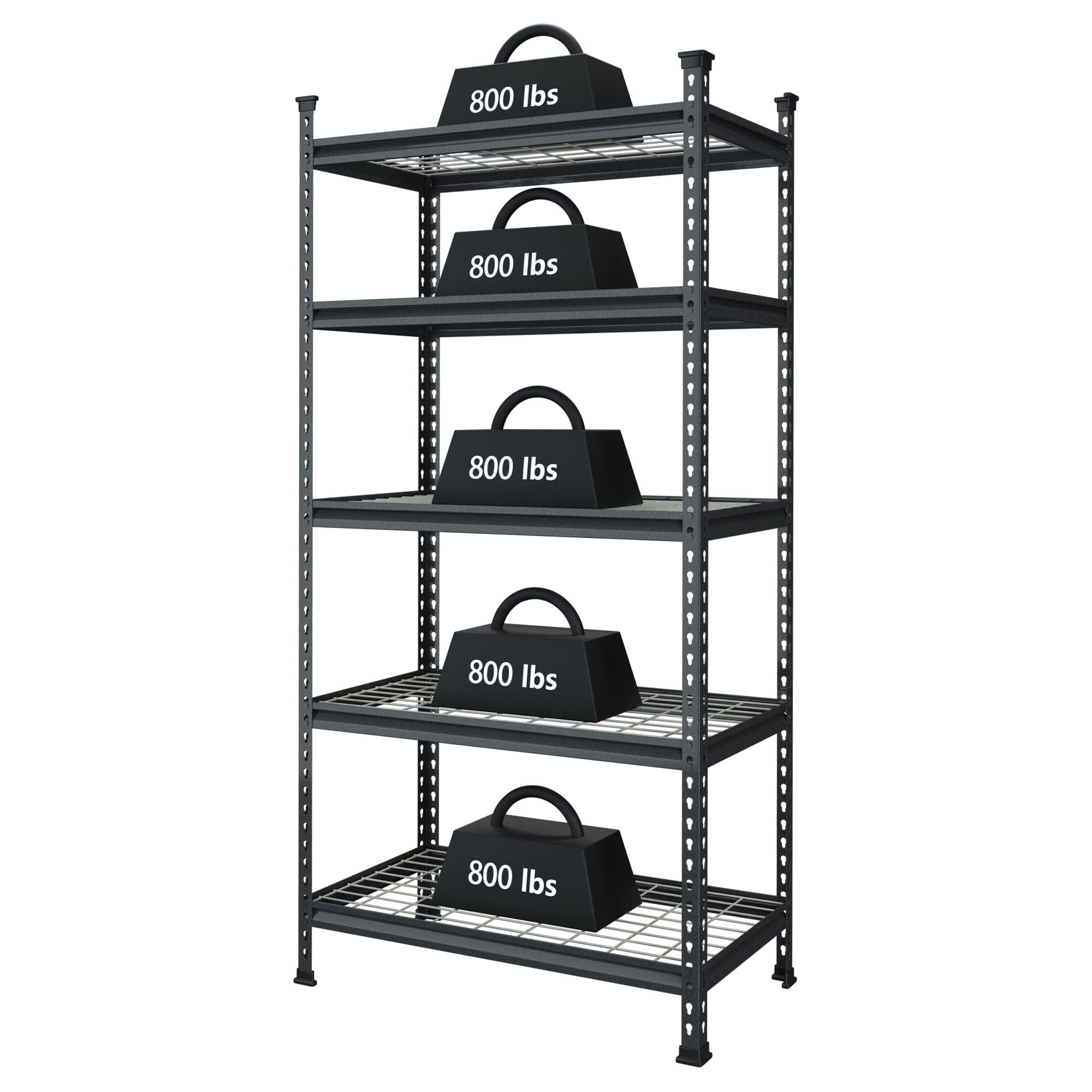
For B2B and industrial operators, choosing a metal shelving supplier is not only a procurement decision but an operational design decision with daily consequences. The right partner aligns shelf depth, tier spacing, aisle width, and modular expansion with your receiving profile, storage density targets, and outbound rhythm. This is especially important in mixed-SKU environments where demand volatility can quickly make fixed storage schemes inefficient. When a metal shelving supplier is selected with warehouse outcomes in mind, teams usually see faster picks, cleaner replenishment cycles, and better use of cubic space without forcing a full facility redesign.
Operational Efficiency Starts with Storage System Fit
Layout alignment reduces travel waste
One of the largest hidden costs in warehousing is unnecessary travel between pick faces, replenishment zones, and staging points. A strong metal shelving supplier improves this by mapping shelving layouts to the real movement pattern of goods, not just to available floor area. When high-velocity SKUs are placed at accessible heights and within logical pick paths, handlers spend less time walking and more time completing productive touches. This direct fit between storage design and movement flow is where a metal shelving supplier starts delivering measurable efficiency.
Travel optimization also depends on aisle behavior under peak conditions, where congestion can erase expected productivity gains. A metal shelving supplier with industrial experience can recommend aisle spacing and shelf orientation that maintain flow even when inbound and outbound activity overlap. That planning lowers bottlenecks around intersections and replenishment lanes. In practical terms, a metal shelving supplier helps convert random circulation into repeatable, low-friction movement.
Load-profile matching improves handling speed
Many warehouses store items with varied dimensions, turning generic shelving into a source of wasted vertical space and awkward handling. A specialized metal shelving supplier can configure tier intervals, deck types, and load capacities to match carton, bin, and parts profiles more precisely. This reduces double handling because operators are not constantly re-stacking or re-positioning goods to make them fit. Over time, the right fit from a metal shelving supplier shortens both put-away and retrieval cycles.
Load-profile matching is also critical for maintaining consistent pick ergonomics. If shelf heights are misaligned with normal reach zones, teams slow down and error rates increase late in shifts. A metal shelving supplier that accounts for ergonomic reach bands and handling tools supports sustained pace across the day. That means warehouse efficiency improves not from speed pressure, but from better physical design delivered by the metal shelving supplier.
Process Reliability Improves Through Better Shelving Design
Consistent slotting strengthens inventory control
Warehouse efficiency depends on predictable item location, and predictable location depends on storage consistency. A metal shelving supplier helps establish repeatable slotting logic through uniform bay structures that support clear zoning by velocity, family, or handling requirement. When slotting standards are easy to maintain, cycle counting becomes faster and discrepancies are easier to isolate. This is a core way a metal shelving supplier supports both operational speed and inventory integrity.
In facilities with frequent SKU turnover, static storage plans break quickly and create location drift. A modular system from a metal shelving supplier allows re-slotting without major downtime, so the warehouse can adapt while preserving location discipline. Teams avoid creating ad hoc overflow areas that damage traceability and consume labor. The adaptability provided by a metal shelving supplier keeps control systems stable even as demand patterns shift.
Replenishment rhythm becomes easier to manage
Efficient replenishment requires clear reserve access, predictable pick-face depletion, and easy visibility into restock triggers. A capable metal shelving supplier supports this by helping separate reserve and active pick storage in ways that reduce interference. When replenishment tasks can be completed without blocking pick operations, both labor streams stay productive. This process clarity is another direct efficiency contribution from a metal shelving supplier.
Shelf adjustability also matters because replenishment burden changes by season, contract cycle, or product mix. With adjustable tiers and modular expansions, a metal shelving supplier helps facilities rebalance pick-face volume before stockouts become daily disruptions. That cuts emergency moves and unplanned labor bursts. In effect, the metal shelving supplier contributes to smoother workload leveling across shifts.
Space Utilization and Scalability Drive Long-Term Gains
Vertical optimization increases usable capacity
Many warehouses run out of effective storage capacity long before they run out of physical floor area. A metal shelving supplier improves efficiency by unlocking vertical cube through safe tiering and better shelf interval planning. Instead of adding remote overflow space, facilities can often keep more inventory in primary operating zones where access is faster. This storage densification strategy from a metal shelving supplier reduces internal transfer effort and keeps response times tighter.
Vertical optimization only works when safety and accessibility are balanced, especially for mixed handling methods. An experienced metal shelving supplier aligns shelf height decisions with ladder use, lift access, and case weight realities. That prevents unsafe top-level usage and the productivity losses that follow incident prevention controls. Good vertical design from a metal shelving supplier therefore improves both capacity and dependable throughput.
Modular expansion supports business change without reset
Industrial operations rarely stay static, and storage systems must flex with contract growth, SKU proliferation, and process redesign. A forward-looking metal shelving supplier provides modular components that expand in phases rather than forcing full replacement. This allows facilities to protect capital while evolving layout logic as order profiles change. The flexibility built in by a metal shelving supplier directly supports continuity and reduces disruption during growth.
Scalability also reduces the risk of fragmented storage standards across departments. When one metal shelving supplier supports consistent specifications, training and maintenance remain simpler as the footprint expands. Teams do not lose time adapting to incompatible bay dimensions or inconsistent load labeling conventions. Over multiple years, this standardization advantage from a metal shelving supplier compounds into meaningful operational efficiency.
Supplier Capability Determines the Size of Efficiency Improvement
Engineering support turns hardware into performance
Not every vendor functions as a true operational partner, and the gap shows up quickly after installation. A results-oriented metal shelving supplier validates load assumptions, recommends bay configurations by SKU profile, and anticipates workflow conflicts before they appear on the floor. That up-front engineering discipline prevents expensive rework and accelerates time to stable operations. Warehouse leaders often discover that the best efficiency gains come from planning quality delivered by the metal shelving supplier, not from steel alone.
During implementation, coordination with receiving schedules and phased installation windows is equally important. A dependable metal shelving supplier can stage deployment so that active zones remain functional while upgrades proceed. This minimizes downtime and protects service performance during transition. Practical execution quality is where a metal shelving supplier proves whether promised efficiency gains are realistic.
Lifecycle service sustains efficiency after go-live
Warehouse efficiency is not a one-time outcome; it needs periodic tuning as demand and operations evolve. A committed metal shelving supplier supports post-install audits, adjustment guidance, and component compatibility for ongoing layout refinement. That makes it easier to preserve slotting quality and replenishment flow as inventory behavior changes. Continuous support from a metal shelving supplier helps prevent gradual efficiency erosion that many facilities treat as unavoidable.
When evaluating options, operators should look for evidence of practical warehouse understanding, not just catalog breadth. A useful reference point is whether the supplier can map your constraints to a configurable system such as metal shelving supplier solutions designed for adjustable, stackable industrial use. The value is in adaptability, structural fit, and implementation detail that matches your workflow. In this sense, the right metal shelving supplier functions as a productivity partner across the storage lifecycle.
FAQ
How quickly can a metal shelving supplier impact warehouse efficiency?
Initial gains often appear soon after layout-aligned installation, especially in pick travel reduction and cleaner slotting discipline. Larger benefits typically build over several weeks as replenishment rules and zoning logic stabilize. A metal shelving supplier that supports implementation sequencing and post-launch tuning usually shortens this ramp period. The timeline depends on SKU complexity, labor habits, and how closely the shelving design matches workflow realities.
Can a metal shelving supplier improve efficiency without warehouse expansion?
Yes, many improvements come from better use of existing cubic space and more logical movement paths rather than additional square footage. A metal shelving supplier can increase effective capacity through vertical optimization, tier adjustment, and modular zoning that removes dead space. This often reduces overflow handling and internal transfers between distant areas. The result is higher throughput from the same footprint.
What should operations teams prepare before engaging a metal shelving supplier?
Teams should gather SKU dimensions, weight ranges, velocity bands, and current pain points in picking, replenishment, and cycle counts. Sharing these inputs helps the metal shelving supplier propose configurations grounded in actual workload conditions. It also improves installation planning because critical constraints are identified early. Better preparation leads to faster design decisions and fewer post-install changes.
Is cost the main factor when selecting a metal shelving supplier?
Cost matters, but total operational impact matters more in industrial environments where labor and service reliability drive long-term outcomes. A lower-priced option can become expensive if it creates rework, poor slotting fit, or limited scalability. The stronger choice is a metal shelving supplier that combines structural suitability, modular flexibility, and execution discipline. That balance delivers efficiency gains that remain durable beyond the initial purchase.

