 EN
EN

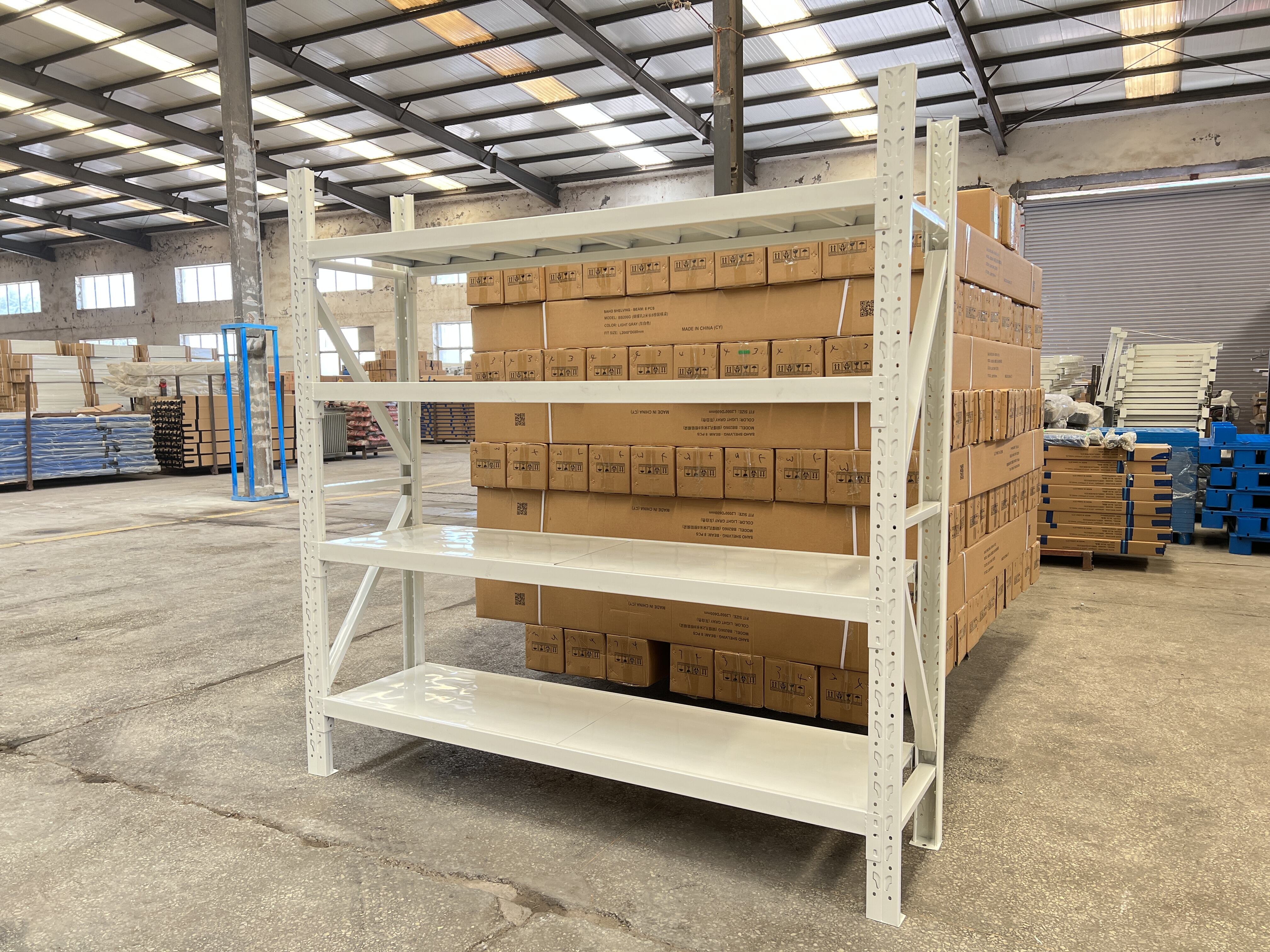
Temporary operations present unique workspace challenges that demand flexible, durable, and easily deployable solutions. Whether managing short-term construction projects, seasonal manufacturing surges, event setups, or emergency repair scenarios, organizations need work surfaces that can be mobilized quickly without sacrificing structural integrity. A portable metal work table addresses these demands by combining the strength of metal construction with the mobility required for transient workflows. Understanding when this equipment type becomes the optimal choice requires examining operational duration, workspace constraints, load-bearing requirements, and the balance between temporary deployment and long-term value retention.
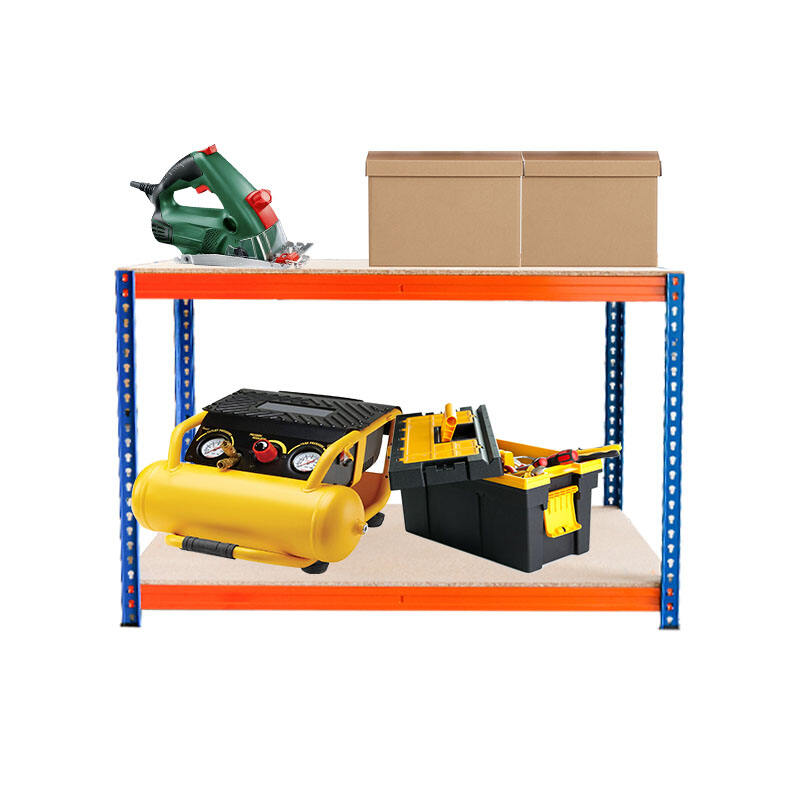
The decision to deploy a portable metal work table in temporary operations hinges on several critical factors including project timeline, environmental conditions, weight capacity needs, and budget considerations. Unlike permanent workstations that justify significant capital investment and installation effort, temporary operations require equipment that delivers immediate functionality while maintaining cost efficiency across potentially multiple deployment cycles. Metal construction offers distinct advantages over alternative materials when operations involve heavy tools, exposure to weather elements, or rigorous use patterns that would compromise lighter-duty alternatives. This article examines the specific conditions and operational contexts where portable metal work tables become the superior choice for temporary workspace needs.
Defining Temporary Operations and Their Workspace Requirements
Characteristics of Temporary Operational Environments
Temporary operations encompass work activities with defined endpoints, typically ranging from several days to multiple months, where workspace infrastructure must be established and subsequently dismantled. Construction site staging areas exemplify this pattern, requiring robust work surfaces for tool preparation, material assembly, and quality inspection tasks that support larger project timelines. Similarly, maintenance shutdowns in industrial facilities create temporary workspace needs where technicians must perform concentrated repair and overhaul activities outside normal production areas. The defining characteristic of these environments is their finite nature combined with genuine functional requirements that cannot be adequately met through improvised or inadequate work surfaces.
Event production and exhibition setups represent another category where temporary operations demand reliable work surfaces. Technical crews assembling audiovisual equipment, booth construction teams, and on-site fabrication specialists require stable platforms that can accommodate precision work while being deployed in non-traditional venues. A portable metal work table serves these scenarios by providing the structural stability necessary for accurate assembly work while allowing rapid deployment across varying floor conditions. The metal construction ensures the table can withstand the accelerated use patterns typical of compressed event timelines where multiple teams may utilize the same workspace sequentially.
Seasonal business fluctuations create temporary workspace expansion requirements where organizations must scale capacity without committing to permanent infrastructure changes. Agricultural processing facilities, for instance, experience harvest-driven volume surges requiring additional packing, sorting, and quality control stations. Rather than maintaining excess permanent capacity year-round, a portable metal work table allows facilities to deploy supplementary workspace during peak periods and reclaim floor space during off-seasons. This operational flexibility directly impacts facility utilization efficiency and capital allocation strategies.
Workspace Requirements Unique to Transient Operations
Temporary operations impose workspace requirements that differ fundamentally from permanent installations, beginning with deployment speed. When project timelines are compressed or unexpected work demands emerge, the ability to establish functional workspace within hours rather than days becomes operationally critical. A portable metal work table typically requires minimal assembly and no permanent anchoring, allowing single or two-person teams to deploy functional workspace rapidly. This contrasts sharply with permanent workbench installations that may require dedicated electrical circuits, mounting hardware, and professional installation services that consume valuable project time.
Mobility between work zones represents another distinctive requirement of temporary operations. Projects frequently involve sequential work activities across multiple locations, whether moving between floors in a building renovation, relocating between production cells during facility reconfiguration, or shifting between outdoor work areas on large construction sites. The portable metal work table addresses this need through integrated mobility features such as casters or manageable weight profiles that facilitate repositioning without requiring equipment rentals or additional labor resources. This inherent mobility reduces operational friction when workflows must adapt to changing project phases or unexpected site conditions.
Environmental exposure often distinguishes temporary operations from controlled permanent workspaces. Outdoor construction sites, open-air event venues, and semi-enclosed maintenance areas subject work surfaces to temperature variations, moisture, and incidental weather exposure that would damage wood or composite materials. Metal construction provides inherent resistance to these environmental stressors, maintaining structural integrity and surface functionality across temperature ranges and humidity conditions that compromise alternative materials. This durability ensures the portable metal work table remains operationally reliable throughout project durations that may span multiple seasons or weather cycles.
Weight Capacity and Structural Demands in Temporary Settings
Load-Bearing Requirements Across Different Temporary Applications
The weight capacity demands of temporary operations vary significantly based on the tools, materials, and equipment that workspace must accommodate. Automotive repair scenarios, whether in temporary service bays or mobile maintenance operations, frequently involve heavy components such as transmissions, engine blocks, and wheel assemblies that can individually exceed 100 pounds. A portable metal work table constructed with reinforced steel framing can support these concentrated loads without deflection or structural compromise, ensuring both work accuracy and safety during component servicing operations.
Fabrication and assembly work in temporary settings often requires supporting multiple heavy tools simultaneously alongside workpiece materials. Metal cutting operations using band saws or chop saws generate significant vibration and concentrated weight at specific table points, demanding work surfaces that resist both static loads and dynamic forces. Similarly, welding preparation work involves positioning heavy metal stock, clamps, and welding equipment that collectively create substantial distributed weight across the work surface. Metal construction provides the rigidity necessary to maintain dimensional stability under these loading conditions, preventing surface warping that would compromise assembly accuracy.
Material staging and inspection activities in temporary warehouse or distribution operations require work surfaces that can accommodate varying product weights without constant load monitoring. When processing incoming shipments, quality control teams may need to unpack and examine items ranging from lightweight electronics to dense mechanical components. The consistent load capacity of a portable metal work table eliminates uncertainty about weight limits, allowing personnel to focus on inspection tasks rather than workspace limitations. This operational confidence becomes particularly valuable when temporary operations involve unfamiliar products or varying material densities that make load estimation difficult.
Structural Integrity Under Repeated Deployment Cycles
Temporary operations often involve equipment that experiences multiple setup and breakdown cycles rather than single-use deployment. Each assembly and disassembly sequence subjects connection points, fasteners, and structural joints to mechanical stress that can progressively degrade inferior construction. Metal work tables designed specifically for portable applications incorporate reinforced connection systems and robust fastener designs that maintain structural integrity across dozens of deployment cycles. This durability consideration becomes financially significant when organizations amortize equipment costs across multiple projects rather than single applications.
The structural design of portable metal work tables typically employs welded or bolted steel frame construction that distributes loads through the entire structure rather than concentrating stress at isolated points. This engineering approach prevents the joint failure patterns common in lighter-duty portable tables where leg attachments or surface mounting points become failure modes after repeated assembly cycles. For organizations operating temporary facilities across multiple sites or seasons, this structural resilience directly translates to reduced replacement costs and improved operational reliability across the equipment lifecycle.
Transportation between deployment sites subjects portable equipment to vibration, impact, and handling stresses that test structural connections. Metal frame construction withstands these transport stresses better than materials with lower tensile strength or brittle failure characteristics. The portable metal work table maintains alignment and structural soundness even after transport in loaded vehicles over rough terrain, ensuring the equipment remains immediately functional upon arrival at new work locations without requiring field repairs or structural adjustments.
Duration Thresholds and Economic Deployment Justification
Project Timeline Considerations for Equipment Selection
The economic justification for deploying a portable metal work table in temporary operations depends significantly on project duration and expected utilization intensity. For extremely short-duration needs spanning only hours or single days, improvised solutions or borrowed equipment may suffice despite functional limitations. However, when temporary operations extend beyond several days, the productivity gains from proper workspace equipment begin outweighing initial procurement costs. A week-long maintenance shutdown involving multiple technicians benefits substantially from dedicated work surfaces that improve efficiency, safety, and work quality compared to makeshift alternatives.
Multi-week or month-long temporary projects create stronger economic justification for dedicated portable workspace investment. Construction projects, facility expansions, and seasonal production operations falling within this duration range generate sufficient utilization hours to justify equipment purchase rather than rental alternatives. The portable metal work table purchased for a six-week project retains residual value for future temporary operations, effectively amortizing costs across multiple deployments. This contrasts with rental scenarios where costs accumulate without building asset equity, making purchase economically superior when organizations anticipate recurring temporary workspace needs.
Organizations with predictable seasonal operations or regular project-based work patterns can justify portable metal work table investments based on aggregate annual utilization rather than individual project durations. A facilities maintenance department that conducts quarterly shutdown maintenance or a contractor executing multiple short-duration projects throughout the year accumulates sufficient combined usage to warrant dedicated equipment ownership. The portability feature ensures the same tables serve diverse locations and applications, maximizing utilization efficiency across the organization's operational portfolio.
Cost-Benefit Analysis Compared to Permanent Installation
Permanent workbench installations involve significant costs beyond equipment purchase, including floor preparation, utility connections, and installation labor that can double or triple total project expenditure. When operational needs are temporary, these ancillary costs represent wasted capital that generates no long-term value after project completion. The portable metal work table eliminates these installation costs while delivering comparable functional performance for the project duration. This cost structure makes portable solutions economically superior whenever operational timelines fall short of the payback period required to justify permanent installation investments.
Space utilization economics further favor portable solutions in temporary operations. Organizations paying for facility square footage through lease agreements or opportunity cost calculations must consider the long-term cost of dedicating floor space to permanent workbenches that serve only intermittent needs. A portable metal work table can be relocated to storage areas during periods of non-use, freeing valuable production or operational floor space for revenue-generating activities. This space flexibility becomes particularly valuable in urban facilities where real estate costs make every square foot economically significant.
Residual value retention represents another economic dimension favoring portable equipment for temporary operations. Permanent installations become sunk costs with negligible recovery value when operational needs change or facilities are reconfigured. The portable metal work table maintains functional utility and resale value even after initial deployment purposes conclude, providing financial flexibility through equipment liquidation or redeployment to alternative applications. This retained value reduces the true economic cost of temporary workspace solutions when viewed across complete equipment lifecycles.
Environmental and Site Condition Suitability Factors
Weather Exposure and Material Durability Requirements
Temporary operations frequently occur in environments lacking climate control, exposing work surfaces to weather conditions that rapidly degrade unsuitable materials. Outdoor construction staging areas experience direct sun exposure, rain, and temperature fluctuations that cause wood surfaces to warp, crack, and deteriorate within single project cycles. Metal construction resists these environmental stressors, maintaining dimensional stability and surface integrity across temperature ranges from below freezing to extreme heat. This weather resistance ensures the portable metal work table remains functionally reliable throughout extended outdoor deployments without requiring protective covers or weatherproofing treatments.
Humidity and moisture exposure pose particular challenges in temporary operations located in coastal areas, agricultural settings, or regions with high precipitation. Condensation, incidental water contact, and ambient humidity cause corrosion in unprotected metals and swelling in wood-based materials that compromise structural integrity and work surface flatness. Quality portable metal work tables incorporate corrosion-resistant finishes such as powder coating or galvanized treatments that prevent rust formation even in persistently damp environments. This moisture resistance becomes operationally critical when temporary workspace must remain functional through rainy seasons or in enclosed but unheated spaces where condensation occurs regularly.
Chemical exposure represents another environmental consideration in temporary industrial operations. Maintenance activities involving solvents, lubricants, and cleaning agents can stain, dissolve, or weaken work surfaces constructed from porous or chemically reactive materials. Metal work surfaces resist most common industrial chemicals, allowing personnel to perform maintenance and cleaning tasks without concerns about permanent damage to the work platform. This chemical resistance extends equipment service life and maintains work surface quality across multiple deployment cycles involving diverse operational environments.
Floor Surface Compatibility and Stability Considerations
Temporary operations often occur on floor surfaces that differ significantly from the smooth, level concrete found in permanent facilities. Construction sites present uneven compacted earth, temporary flooring, or rough concrete slabs that challenge workspace stability. The portable metal work table typically incorporates adjustable leveling feet or wide-footprint leg designs that compensate for minor floor irregularities, maintaining work surface levelness essential for precision tasks. This adaptability allows deployment across diverse site conditions without requiring floor preparation or leveling procedures that consume project time and resources.
Soft or yielding floor surfaces such as asphalt, wood decking, or compacted gravel create stability challenges where concentrated equipment weight can cause sinking or settling. Metal work tables with appropriate footprint distribution spread weight across larger surface areas, reducing ground pressure that would cause instability on softer substrates. Some portable metal work table designs incorporate optional accessories such as base plates or floor protection pads that further distribute weight while protecting delicate finished floors in event venues or customer facilities where temporary workspace must avoid surface damage.
Outdoor terrain deployment requires consideration of ground stability under varying weather conditions. Soil that appears firm during dry periods may become soft and unstable during rain, potentially causing workspace settling or tipping hazards. Metal construction provides inherent weight and low center of gravity that enhance stability on uncertain terrain compared to lightweight alternatives that become unstable under side loading or uneven weight distribution. This inherent stability reduces safety risks in temporary outdoor operations where ground conditions may change throughout project duration.
Operational Flexibility and Multi-Purpose Deployment Scenarios
Workspace Reconfiguration and Workflow Adaptability
Temporary operations often require workspace configurations that evolve as project phases progress or as teams discover more efficient workflow arrangements. The portable metal work table facilitates this operational flexibility through rapid repositioning that allows supervisors to optimize workspace layout based on actual usage patterns rather than predetermined arrangements. When initial workspace configurations prove suboptimal, metal tables can be relocated individually without requiring team coordination or extended downtime, minimizing workflow disruption during layout adjustments.
Multi-team temporary operations benefit from portable workspace that can be allocated dynamically based on shifting resource demands. During facility maintenance shutdowns, mechanical teams, electrical crews, and instrumentation specialists may require varying amounts of workspace as different project phases progress. Portable metal work tables enable facility coordinators to concentrate workspace where current activities demand greatest support, then redistribute equipment as work progresses to subsequent systems or areas. This dynamic allocation maximizes workspace utilization efficiency compared to static permanent installations that cannot adapt to changing operational priorities.
Temporary training operations and workforce onboarding scenarios require flexible workspace that accommodates varying group sizes and training configurations. Technical training programs teaching assembly procedures, maintenance techniques, or quality inspection methods benefit from portable metal work tables that instructors can arrange in classroom formations, individual stations, or collaborative group configurations based on specific lesson requirements. The portability feature allows training coordinators to reconfigure the same equipment across multiple training modules without maintaining separate dedicated training spaces for each instructional format.
Cross-Functional Application Versatility
The portable metal work table serves diverse temporary applications across organizational functions, providing equipment utilization efficiency that justifies investment costs. The same table supporting fabrication work during facility expansion projects can subsequently serve shipping departments during seasonal volume peaks, maintenance teams during equipment overhauls, and quality control personnel during special inspection campaigns. This cross-functional versatility ensures high aggregate utilization rates even when individual departmental needs remain intermittent or seasonal.
Emergency response and business continuity scenarios create unpredictable temporary workspace demands where portable equipment provides critical operational flexibility. Following equipment failures, facility damage, or supply chain disruptions, organizations must frequently establish temporary workarounds that maintain production or service delivery until permanent systems recover. Metal work tables stored for such contingencies can be rapidly deployed to create emergency workspace for repair operations, alternative production methods, or temporary quality control stations that sustain business operations during crisis periods. This contingency value justifies maintaining portable workspace inventory even during periods of normal operations.
Contractor and service provider operations inherently involve temporary workspace deployment across customer sites with varying conditions and requirements. Maintenance contractors, installation specialists, and technical service teams arrive at client facilities lacking dedicated workspace for their activities, requiring self-sufficient portable solutions. The portable metal work table becomes essential mobile infrastructure that professionals transport between job sites, ensuring consistent work surface quality regardless of customer facility conditions. This professional equipment presentation also enhances client perception of service quality and organizational capability.
Safety and Ergonomic Considerations in Temporary Workspace
Stability and Accident Prevention in Transient Environments
Temporary work environments often lack the safety infrastructure and hazard controls present in permanent facilities, making equipment stability critically important for accident prevention. Unstable work surfaces create tipping hazards when tools or materials are positioned near edges or when personnel lean against tables during manual tasks. The portable metal work table provides inherent stability through weight distribution and structural design that resists tipping even under asymmetric loading conditions common in dynamic work environments. This stability reduces accident risks in temporary settings where personnel may be less familiar with workspace characteristics and safety protocols.
Vibration transmission from power tools represents another safety consideration in temporary operations. Unstable or inadequately rigid work surfaces amplify tool vibration, increasing operator fatigue and reducing control precision that can lead to injuries or work errors. Metal frame construction effectively dampens vibration compared to hollow or composite alternatives, providing operators with stable platforms that improve tool control and reduce physical strain during extended use periods. This vibration management becomes particularly important when temporary operations involve intensive tool use across compressed project timelines.
Fire safety concerns in temporary operations favor non-combustible work surfaces, especially when activities involve welding, cutting, or other hot work procedures. Wood and composite materials pose ignition risks when exposed to sparks, hot metal debris, or accidental torch contact that frequently occurs in fabrication and repair activities. The portable metal work table eliminates this fire hazard through inherently non-combustible construction, allowing hot work activities to proceed without additional fire watch requirements or protective surface treatments. This safety characteristic proves particularly valuable in temporary operations lacking permanent fire suppression systems or where regulatory requirements mandate non-combustible workspace for specific activities.
Worker Comfort and Productivity in Extended Temporary Operations
Ergonomic considerations influence productivity and worker wellbeing in temporary operations extending beyond several days. Inappropriate work surface heights force personnel into awkward postures that accelerate fatigue and increase injury risks during repetitive tasks. Quality portable metal work tables offer height options or adjustability features that allow supervisors to match workspace dimensions to task requirements and worker anthropometrics. This ergonomic customization maintains worker comfort and productivity levels throughout extended temporary assignments, reducing the physical strain that accumulates during intensive project periods.
Work surface area adequacy affects both productivity and safety in temporary operations. Insufficient workspace forces personnel to work in cramped conditions, positioning tools and materials dangerously close to edges or creating cluttered environments prone to accidents. The portable metal work table with appropriately sized work surfaces provides adequate space for tool layout, material staging, and work envelope requirements specific to planned activities. This workspace adequacy reduces time wasted managing inadequate surfaces and minimizes safety risks associated with improvised workspace arrangements.
Organizational features such as integrated tool storage, power strip mounting, or accessory attachment points enhance workspace functionality in temporary settings where supplementary infrastructure may be unavailable. Some portable metal work table designs incorporate these organizational features, allowing personnel to create complete workspace solutions rather than merely providing a flat surface. This integrated functionality reduces setup time at new temporary locations and improves operational efficiency by keeping essential tools and supplies within immediate reach throughout work activities.
FAQ
What weight capacity should I expect from a portable metal work table for temporary industrial use?
Quality portable metal work tables designed for industrial temporary operations typically offer weight capacities ranging from 500 to 2000 pounds depending on construction specifications and intended applications. Standard two-tier models commonly support 1000-1500 pounds distributed across the work surface, adequate for most automotive repair, fabrication, and assembly tasks in temporary settings. Heavy-duty variants with reinforced framing can accommodate concentrated loads exceeding 2000 pounds for specialized applications involving particularly heavy components or equipment. When selecting capacity, consider both the heaviest single item and the cumulative weight of tools and materials that will simultaneously occupy the workspace during typical operations.
How does a portable metal work table differ from a standard folding table for temporary workspace needs?
Portable metal work tables feature substantially heavier construction with steel or heavy-gauge metal framing compared to the lightweight aluminum or thin steel used in standard folding tables. This construction difference translates directly to weight capacity, with work tables supporting 10-20 times the load of typical folding tables while maintaining surface rigidity under tool vibration and concentrated weights. Work tables incorporate features specifically designed for industrial tasks such as reinforced surfaces, integrated storage, and mounting points for vises or equipment that folding tables cannot accommodate. The stability and durability advantages justify higher costs when temporary operations involve genuine work activities rather than simple material display or light-duty tasks suitable for folding table construction.
Can a portable metal work table withstand outdoor deployment in all weather conditions?
Most portable metal work tables with powder-coated or galvanized finishes can withstand temporary outdoor deployment across normal weather conditions including rain, sun exposure, and moderate temperature ranges. However, prolonged exposure to standing water, direct ground contact in wet conditions, or marine environments with salt air may eventually compromise even treated metal surfaces through corrosion. For extended outdoor temporary operations exceeding several weeks, implement basic protection measures such as elevated positioning above ground moisture, drainage consideration to prevent water pooling on surfaces, and periodic inspection of finish integrity at connection points where protective coatings may wear. Extreme weather events including flooding, high winds, or heavy snow accumulation require securing or relocating portable equipment to prevent damage regardless of construction quality.
Is purchasing a portable metal work table more cost-effective than renting for a single month-long temporary project?
For single month-long projects, purchasing typically becomes cost-competitive with rental when the table will serve subsequent applications or when rental availability in your region commands premium pricing. Industrial equipment rental rates for quality work tables generally range from 15-25% of purchase price per month, meaning a four-to-six week rental approaches 20-30% of ownership cost. If your organization anticipates even one additional temporary workspace need within the following year, purchase economics become favorable compared to repeated rentals. Additionally, ownership eliminates rental logistics including delivery coordination, return scheduling, and potential late fees that consume staff time and create project dependencies. Consider purchasing when temporary needs recur annually or when your region lacks convenient rental sources offering industrial-grade portable workspace equipment.
Table of Contents
- Defining Temporary Operations and Their Workspace Requirements
- Weight Capacity and Structural Demands in Temporary Settings
- Duration Thresholds and Economic Deployment Justification
- Environmental and Site Condition Suitability Factors
- Operational Flexibility and Multi-Purpose Deployment Scenarios
- Safety and Ergonomic Considerations in Temporary Workspace
-
FAQ
- What weight capacity should I expect from a portable metal work table for temporary industrial use?
- How does a portable metal work table differ from a standard folding table for temporary workspace needs?
- Can a portable metal work table withstand outdoor deployment in all weather conditions?
- Is purchasing a portable metal work table more cost-effective than renting for a single month-long temporary project?

