 EN
EN

Purchasing an ATV trailer is a significant investment that demands careful consideration of multiple factors. Whether you plan to haul equipment, transport goods across rugged terrain, or support your recreational off-road activities, selecting the right ATV trailer can make the difference between reliable performance and costly failures. Many buyers focus solely on price or appearance, overlooking critical specifications that determine whether an ATV trailer will meet their actual needs and withstand the demands of off-road conditions.
Before committing to any ATV trailer purchase, you need to evaluate structural integrity, weight capacity, hitching mechanisms, and durability features. This comprehensive guide walks you through the essential inspection and verification steps that protect your investment and ensure your ATV trailer performs reliably under real-world off-road conditions.
Evaluating Frame Construction and Material Quality
Steel Composition and Weld Quality
The foundation of any reliable ATV trailer lies in its frame construction. Inspect the steel gauge and composition carefully, as thicker steel resists bending, cracking, and fatigue over time. High-quality ATV trailer frames typically use steel ranging from 2mm to 4mm thickness, depending on the intended load capacity. Examine every weld seam visually for consistency, uniformity, and absence of gaps or incomplete joints.
Poor welding creates stress points where cracks develop under load, particularly during aggressive off-road driving. Ask the manufacturer or seller for documentation about welding standards and material certifications for the ATV trailer you are considering. Run your hand across welds to detect rough spots or uneven transitions that indicate substandard workmanship.
Rust Resistance and Surface Treatment
An ATV trailer exposed to dirt, water, and mud requires protective coatings to prevent rust and corrosion. Check whether the ATV trailer frame has been treated with powder coating, hot-dip galvanizing, or equivalent rust-prevention methods. Galvanized ATV trailer frames offer superior longevity compared to bare steel or simple paint finishes, especially in wet or coastal environments.
Inspect fasteners, bolts, and hinges for corrosion resistance as well. Stainless steel or zinc-plated hardware on your ATV trailer withstands moisture far better than standard steel. A quality ATV trailer manufacturer invests in protective finishes because they understand off-road equipment must resist environmental degradation.
Assessing Weight Capacity and Payload Specifications
Gross Vehicle Weight Rating and Tongue Weight
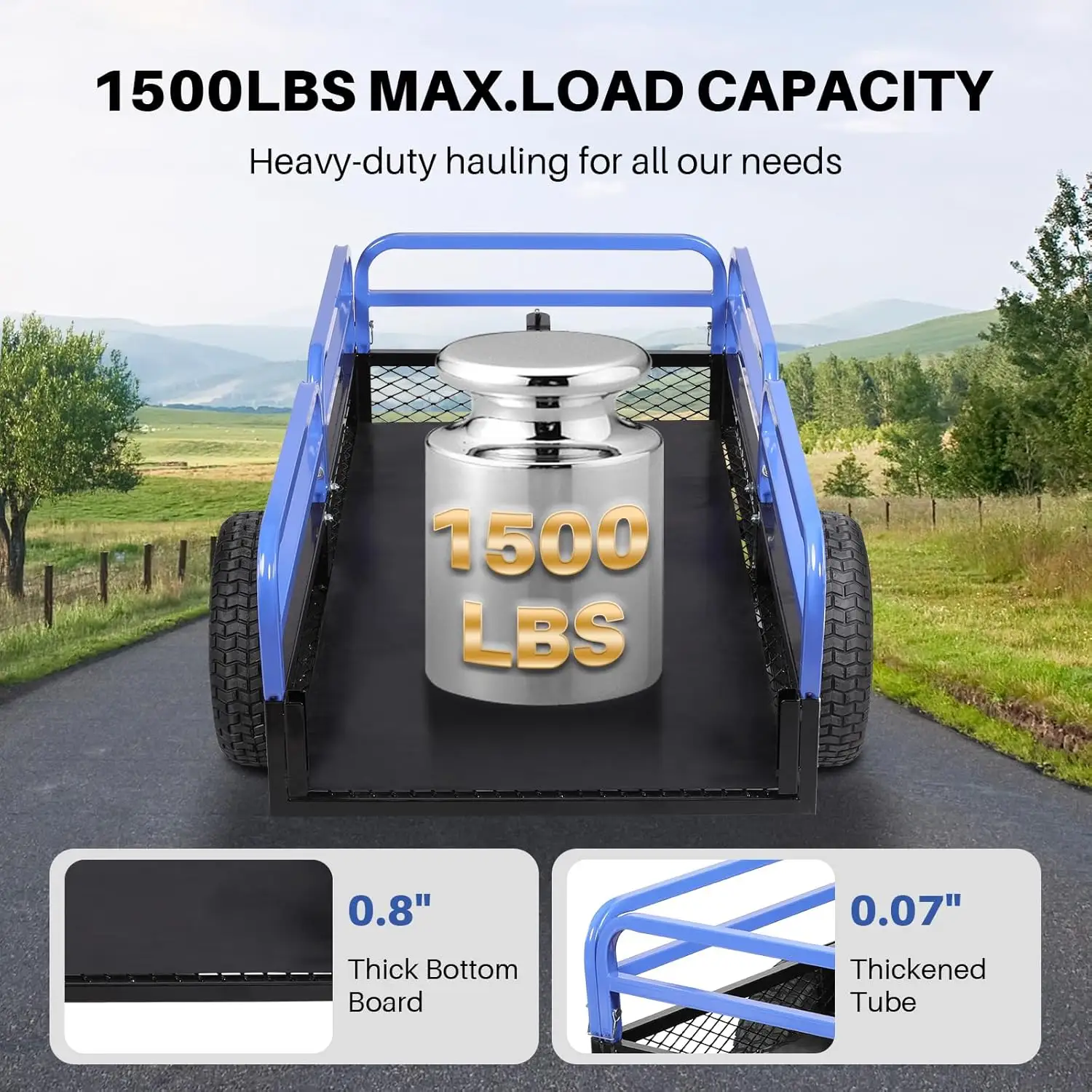
Every ATV trailer has a maximum weight capacity specified by the manufacturer, known as the Gross Vehicle Weight Rating (GVWR). Before purchasing an ATV trailer, verify that your ATV's towing capacity exceeds the GVWR by a comfortable margin, typically 20 percent or more. Overloading an ATV trailer creates unsafe handling, accelerates frame fatigue, and voids manufacturer warranties.
The tongue weight, which is the downward force exerted on your ATV's hitch, typically represents 10 to 15 percent of the ATV trailer's total capacity. Calculate realistic tongue weight for your intended loads and confirm your ATV can handle that additional stress on its frame and suspension. An improperly balanced ATV trailer with excessive tongue weight destabilizes the towing vehicle.
Payload Distribution and Load Mounting
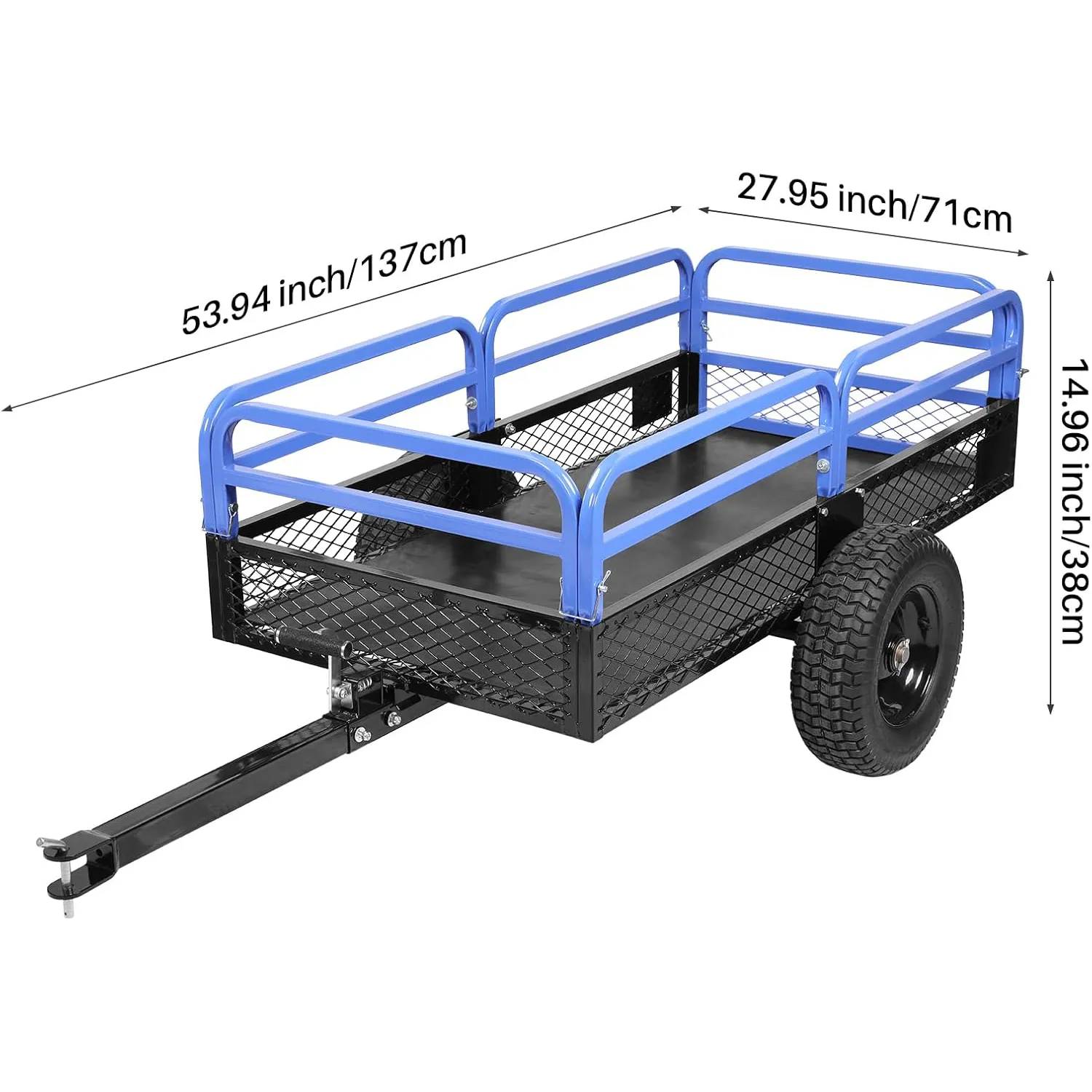
Check how the ATV trailer deck or bed is designed to distribute loads evenly. Many quality ATV trailer designs feature reinforced cross-members and tie-down points spaced appropriately for securing cargo safely. Examine the ATV trailer for adequate tie-down locations, typically rated for specific pull forces, to prevent cargo shift during off-road travel.
A well-engineered ATV trailer design places tie-down anchor points at intervals that allow you to secure various cargo sizes and shapes. Ask the seller whether the ATV trailer includes straps, cables, or other securing hardware, or whether you must purchase these separately. Load distribution directly affects both ATV trailer stability and your ability to control the towing vehicle on challenging terrain.
Verifying Hitch Compatibility and Safety Systems
Hitch Classification and Connection Type
Match the ATV trailer hitch class with your ATV's towing receiver. Common hitch types for ATV trailer applications include ball-mount, pintle, and quick-connect systems. Your ATV trailer hitch class must align exactly with your ATV's receiver to ensure secure connection and proper load distribution.
Before committing to an ATV trailer purchase, physically test the hitch connection if possible. The ATV trailer should connect smoothly without wobble, and all pins, clips, and fasteners should operate securely. A loose or rattling ATV trailer connection indicates potential safety hazards and structural damage during off-road use.
Electrical Systems and Brake Integration
If your ATV trailer includes electrical systems for lighting or brakes, verify compatibility with your ATV's electrical output. Some ATV trailer designs feature hydraulic or electric brakes for enhanced stopping power and control on descents. Inspect electrical connectors on the ATV trailer for corrosion-resistant design and weatherproof sealing.
Ask whether the ATV trailer brake system requires dedicated wiring or integration with your ATV's existing systems. Test all lights, reflectors, and brake connections on the ATV trailer before purchase. A properly functioning brake system significantly improves safety when towing an ATV trailer on slopes or at speed.
Inspecting Wheels, Tires, and Suspension Components
Wheel and Tire Condition
Examine the ATV trailer wheels closely for bent rims, cracks, or excessive rust. Tire condition directly impacts off-road performance and reliability of your ATV trailer. Check tire tread depth, sidewall condition, and tread wear patterns, which reveal whether the ATV trailer has been overloaded or subjected to extreme conditions.
Verify that the ATV trailer tires are appropriate for off-road use and that they match your anticipated terrain. All-terrain tires provide better traction and durability for an ATV trailer compared to highway-only designs. Ask the seller when the ATV trailer tires were last replaced and whether spares are included.
Suspension and Axle Systems
The suspension system on your ATV trailer absorbs impacts from rough terrain and maintains traction across uneven ground. Inspect the ATV trailer suspension for rust, damage, or loose components. Springs, shocks, or leaf systems should operate smoothly without rattling or binding.
Check the axle on the ATV trailer for straightness, bearing condition, and proper alignment. A damaged or misaligned ATV trailer axle creates uneven tire wear, steering problems, and structural stress. Have the axle examined by a technician if you cannot verify its condition visually, as axle issues are costly to repair after purchase.
Evaluating Material Durability and Deck Quality
Deck Surface and Material Selection
The ATV trailer deck material must withstand repeated exposure to moisture, mud, and abrasive cargo. Steel decks offer strength but require protective coatings to prevent rust. Aluminum ATV trailer decks resist corrosion naturally but may be less durable under extreme loads compared to thicker steel alternatives.
Examine the ATV trailer deck surface for damage, dents, or warping that could catch feet or cargo during loading. A quality ATV trailer deck should be smooth, even, and free of sharp edges. Check whether the ATV trailer deck includes drainage holes or channels that prevent water and mud accumulation.
Sideboards and Gate Functionality
If your ATV trailer includes removable sideboards or tailgate, test their attachment mechanisms and structural integrity. Hinges on an ATV trailer must move freely without binding and lock securely when in position. Inspect ATV trailer sideboards for cracks, warping, or deterioration that could fail under load.
A reinforced tailgate on an ATV trailer adds significant utility for loading and unloading cargo. Verify that the ATV trailer gate operates smoothly and includes secure latching mechanisms that prevent accidental opening during transport. These details affect both safety and practical usability of your ATV trailer investment.
FAQ
What is the ideal payload capacity for an ATV trailer used in agriculture?
Agricultural applications typically require an ATV trailer with a payload capacity ranging from 1000 to 2000 pounds, depending on the type of materials transported and the terrain. Verify that your ATV's towing capacity safely exceeds the ATV trailer GVWR to maintain control on uneven fields and slopes. Consider purchasing a larger ATV trailer than your immediate needs suggest, as this provides flexibility for future applications.
How often should I inspect my ATV trailer for safety?
Conduct a visual inspection of your ATV trailer before each use, focusing on tire pressure, hitch connections, and cargo tie-downs. Perform a more comprehensive ATV trailer inspection every 50 hours of operation or seasonally, checking frame welds, suspension components, and electrical systems. Address rust, damage, or worn components immediately to prevent escalating ATV trailer repairs.
Can I upgrade the brakes on an existing ATV trailer?
Many ATV trailer models allow brake system upgrades, but compatibility depends on the existing frame design and your ATV's electrical or hydraulic capacity. Consult the ATV trailer manufacturer's documentation or a qualified technician before attempting upgrades. Installing a ATV trailer with enhanced braking improves safety and control, particularly on steep or challenging terrain.

