 EN
EN

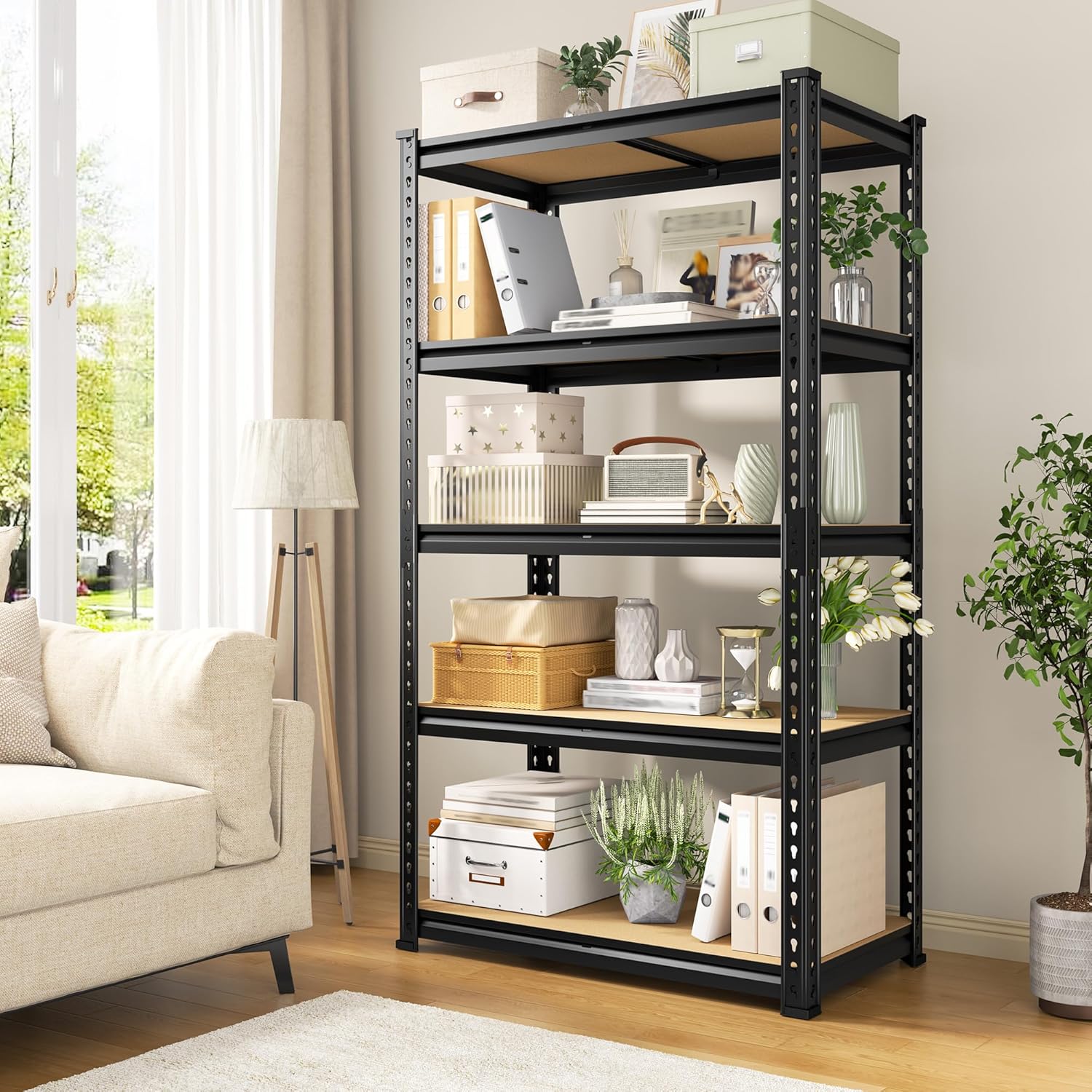
Selecting the right shelving supplier is one of the most critical decisions for any large warehouse project. The performance, safety, and operational efficiency of your entire facility depend directly on the quality and reliability of your storage infrastructure. When your business operates at scale, choosing an unreliable shelving supplier can lead to costly downtime, safety hazards, inventory losses, and project delays that ripple across your supply chain. This guide walks you through the essential process of finding and vetting a shelving supplier that meets the demanding requirements of industrial warehouse operations.
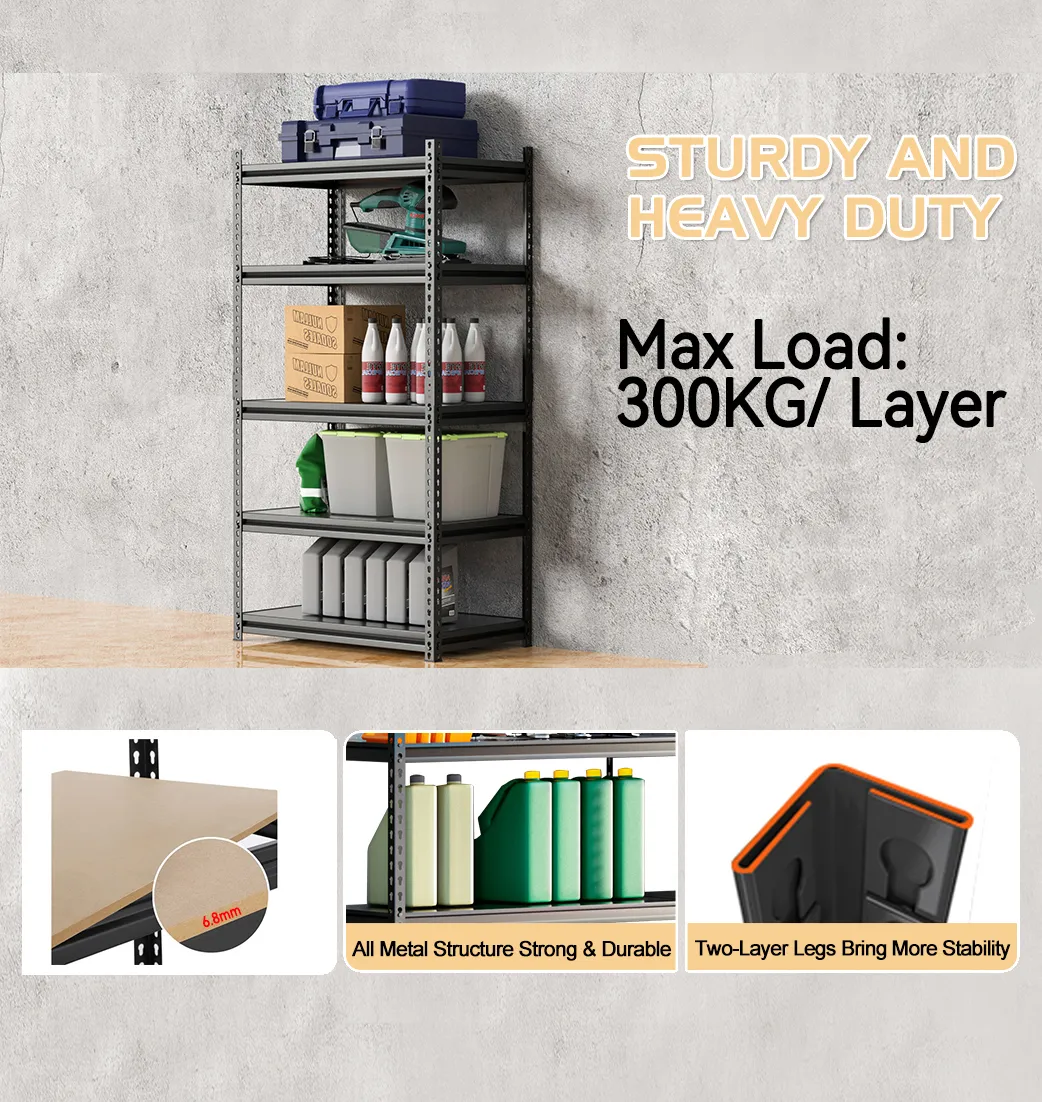
A reliable shelving supplier brings more than just inventory to your warehouse. They provide engineering expertise, quality assurance, technical support, customization capabilities, and long-term partnership value. Understanding how to evaluate a shelving supplier systematically will help you avoid common pitfalls such as structural failures, incompatible equipment, poor installation support, or unexpected cost overruns. The investment you make in selecting the right shelving supplier upfront pays dividends through improved safety, optimized space utilization, and operational continuity.
Core Qualities of a Dependable Shelving Supplier
Industry Experience and Technical Expertise
A reputable shelving supplier must demonstrate substantial industry experience serving warehouse operations of comparable scale and complexity. Look for a shelving supplier that has handled multiple large-scale projects and can reference similar implementations. The best shelving supplier will employ structural engineers, warehouse design specialists, and logistics consultants who understand the unique demands of your industry. When evaluating a shelving supplier, ask about their experience with your specific warehouse type, whether that is cold storage, high-density operations, automated systems, or specialized handling requirements. A seasoned shelving supplier will quickly identify potential challenges and propose solutions before problems arise.
Quality Standards and Certifications
Your shelving supplier must comply with relevant safety and quality standards such as ANSI, OSHA, ISO, and industry-specific regulations. Verify that your prospective shelving supplier holds current certifications and participates in regular third-party audits. Request documentation of material testing, load testing results, and quality control processes. A transparent shelving supplier will willingly provide certificates of compliance, material certifications, and performance test data. These credentials ensure that every component from your shelving supplier meets stringent safety and durability requirements. Ask your shelving supplier how they track quality throughout manufacturing and how they handle defects or recalls.
Evaluating the Shelving Supplier Selection Process
Request for Proposal and Technical Specifications
Begin by issuing a detailed Request for Proposal (RFP) that clearly outlines your warehouse requirements, load specifications, space dimensions, and operational constraints. A responsive shelving supplier will take time to understand your needs fully and provide a customized proposal rather than a generic quote. Your shelving supplier should conduct or offer a site visit to assess your facility and propose optimal configurations. The proposal from a qualified shelving supplier will include detailed drawings, load ratings, material specifications, installation timeline, warranty terms, and service support. Compare how thoroughly each shelving supplier addresses your requirements, as this indicates their level of commitment and expertise. A thorough shelving supplier will also flag potential design improvements or cost optimizations you may not have considered.
Financial Stability and Long-Term Partnership
Verify that your chosen shelving supplier has solid financial standing and a stable business trajectory. Request references from existing customers and contact them directly about their experience with the shelving supplier. A trustworthy shelving supplier will handle warranty claims promptly, offer extended support beyond installation, and remain available for maintenance and upgrades. Consider whether the shelving supplier offers flexible payment terms, financing options, or lease arrangements that align with your project budget. The cheapest shelving supplier is rarely the best choice if it means compromising on quality or service. Invest in a shelving supplier relationship that can grow and adapt as your warehouse evolves.
Implementation and Ongoing Support from Your Shelving Supplier
Installation, Training, and Project Management
An excellent shelving supplier will manage the entire installation process professionally and minimize disruption to your operations. Your shelving supplier should provide detailed installation schedules, clearly define safety protocols, and assign a dedicated project manager. The best shelving supplier will coordinate with your team, ensure proper training for staff on safe usage and load management, and conduct thorough testing before handoff. Ask your shelving supplier about contingency plans for delays and how they handle unexpected site conditions. A proactive shelving supplier will anticipate potential issues and communicate regularly throughout the project lifecycle. Verify that your shelving supplier includes final inspection, documentation, and warranty registration as part of their service.
Maintenance Programs and Technical Support
Beyond installation, your shelving supplier should offer ongoing technical support and preventive maintenance programs. A dedicated shelving supplier will establish protocols for regular inspections, address wear and tear, and help optimize system performance over time. Ask whether your shelving supplier provides staff training on inspection procedures, load verification, and safe operation practices. A responsive shelving supplier will have accessible technical support for troubleshooting, repair authorization, and replacement part availability. Long-term relationships with a reliable shelving supplier often include discounted maintenance rates, priority service scheduling, and upgrades as your business scales. Clarify response times for urgent issues and how your shelving supplier handles emergency repairs.
FAQ
What should I look for when comparing multiple shelving suppliers?
When evaluating multiple shelving suppliers, create a standardized scorecard that assesses experience, certifications, proposal quality, customer references, financial stability, warranty terms, and support capabilities. Request identical specifications from each shelving supplier to ensure fair comparison. Contact at least three customer references for each shelving supplier and ask specifically about installation quality, service responsiveness, and long-term satisfaction. The shelving supplier with the highest score across all criteria is typically the best long-term investment, even if not the lowest price initially.
How can I verify that a shelving supplier meets safety and compliance standards?
Request that your shelving supplier provide copies of all relevant certifications, test reports, and compliance documentation. Verify certifications directly with issuing bodies and check that they remain current. A credible shelving supplier will welcome third-party inspections of their facility and equipment. Ask your shelving supplier to explain how they ensure materials meet specifications and how they handle quality issues. Cross-reference your shelving supplier's claims with industry standards and consult with your facility engineer if needed.
What ongoing support should I expect from my shelving supplier after installation?
A professional shelving supplier should offer comprehensive post-installation support including staff training, maintenance scheduling, inspection protocols, repair services, spare parts availability, and technical consultation. Your shelving supplier should be reachable for questions and should respond promptly to issues. Many shelving suppliers offer service level agreements that specify response times and support scope. Clarify warranty coverage, what is included in maintenance packages, and how the shelving supplier handles emergencies before signing any agreement.

