 EN
EN

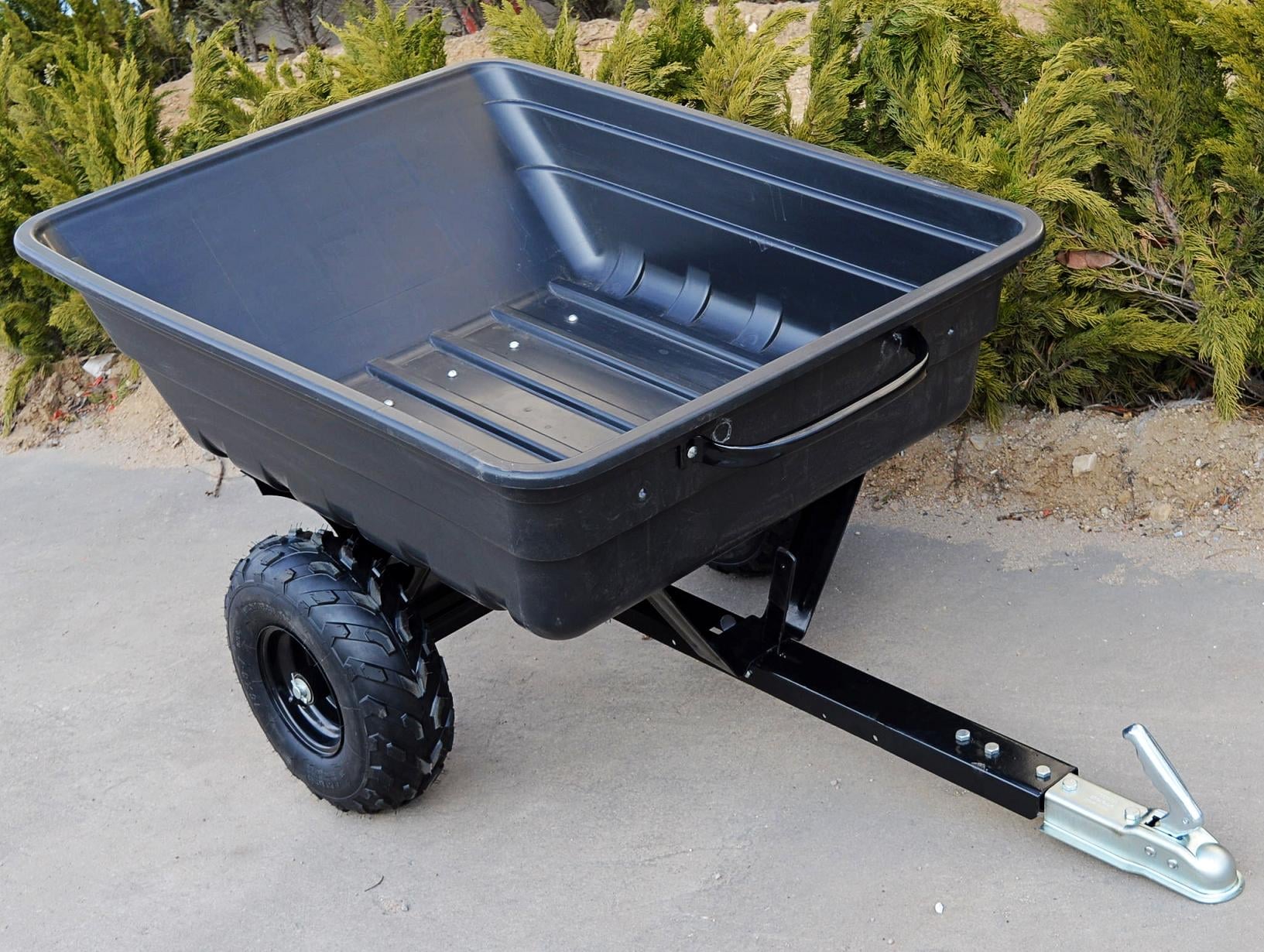
Modern farming demands efficient material transport across diverse terrain, and an ATV trailer has become essential for streamlining daily operations. Whether managing feed distribution, equipment relocation, or crop material transport, farms face persistent challenges moving goods across fields, pastures, and uneven ground where standard vehicles cannot operate effectively. An ATV trailer addresses these constraints by providing versatile, on-demand hauling capacity that adapts to variable farm conditions and seasonal demands. Understanding how an ATV trailer improves material handling efficiency requires examining operational workflows, cost factors, and practical implementation strategies tailored to agricultural environments.
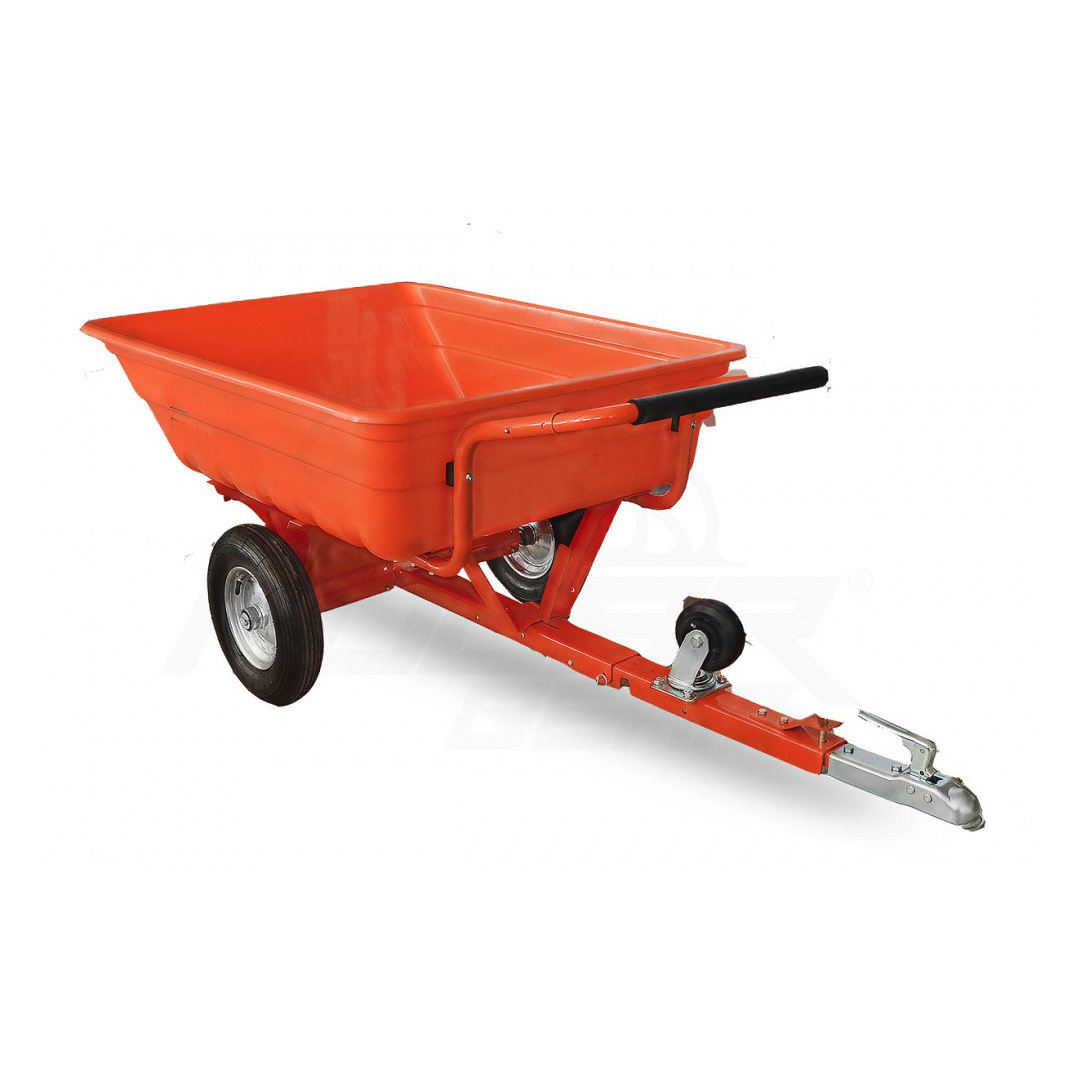
Farm efficiency improvements stem directly from how an ATV trailer enables rapid material movement without requiring dedicated infrastructure or heavy machinery investment. Smaller operations particularly benefit from ATV trailer mobility, which eliminates bottlenecks created by fixed transport limitations. The economic advantage extends beyond purchase cost to operational flexibility, fuel efficiency, and reduced labor time spent on material handling tasks. Progressive farms recognize that an ATV trailer transforms routine material movement into a streamlined, predictable process that supports growth without proportional equipment expenses.
Operational Efficiency Gains from ATV Trailer Deployment
Reducing Transport Time and Labor Costs
An ATV trailer minimizes the time required to move materials across farm properties by providing direct access to field locations where conventional vehicles cannot reach. Task completion times decrease significantly when an ATV trailer eliminates multiple transfer points or manual handling steps. Labor costs drop correspondingly as farm staff spend fewer hours moving inventory, feed, tools, and equipment manually or via roundabout routes. The cumulative time savings from regular ATV trailer use translates into meaningful annual labor cost reductions, especially on mid-sized operations managing daily material distribution across multiple paddocks or field sections.
Improving Access and Terrain Adaptability
An ATV trailer's ability to navigate uneven ground, muddy pastures, and narrow pathways gives farms logistical advantages impossible to achieve with standard trailers. Wet weather or seasonal field conditions that limit conventional vehicle access become manageable when using an ATV trailer equipped for off-road performance. This terrain adaptability means an ATV trailer remains functional during critical operational periods when other transport options become impractical. Farms operating across hilly terrain, heavily forested properties, or regions with variable ground conditions benefit most from an ATV trailer's consistent accessibility regardless of weather patterns or seasonal moisture levels.
Material Handling Applications and Capacity Planning
Feed Distribution and Livestock Management
Livestock operations depend on reliable daily feed distribution, and an ATV trailer streamlines this essential task by carrying substantial volumes to multiple paddocks or animal shelters. An ATV trailer sized appropriately for operation scale eliminates multiple trips required with smaller hauling methods while maintaining terrain flexibility. Automated feeders, supplemental hay, mineral blocks, and water containers all transport efficiently via an ATV trailer configured for livestock support. Farmers report measurable time reductions in daily feeding routines when implementing an ATV trailer system, freeing labor capacity for other critical farm tasks requiring human attention and decision-making.
Equipment Transport and Maintenance Support
An ATV trailer serves dual purposes as both material hauler and mobile tool platform, supporting maintenance operations, tool transport, and equipment repositioning across farm grounds. Tools, spare parts, and repair materials travel together when using an ATV trailer, reducing maintenance task duration and improving technician productivity. Heavy equipment components, fencing materials, and seasonal implements move safely via an ATV trailer without requiring specialized heavy equipment or external contractor services. This equipment transport capacity transforms an ATV trailer into a fundamental farm infrastructure element supporting preventive maintenance schedules and emergency repairs without operational delays.
Economic and Operational Optimization Strategies
Maximizing Load Capacity and Safety Standards
Understanding an ATV trailer's weight ratings and load distribution principles ensures maximum efficiency without compromising safety or equipment longevity. Proper loading techniques and balanced weight distribution across an ATV trailer prevent premature wear, stability issues, and operational risks during transport. Farms achieve optimal efficiency when an ATV trailer operates consistently at appropriate capacity levels rather than alternating between underutilized and overloaded conditions. Training staff on proper loading, securing loads, and operating an ATV trailer safely amplifies efficiency gains while protecting personnel and equipment investment.
Integration with Farm Workflow and Equipment Systems
An ATV trailer integrates most effectively when farm management systems recognize it as a primary transport resource rather than a secondary equipment option. Scheduling material movements to concentrate an ATV trailer use into efficient work blocks maximizes utilization rates and return on investment. Coordinating an ATV trailer deployment with livestock feeding schedules, maintenance windows, and seasonal activities creates operational synergies that improve overall farm productivity. Facilities designed with an ATV trailer access in mind—such as convenient loading zones, storage areas positioned for ATV trailer reach, and designated routes—significantly enhance the efficiency improvements realized from this equipment.
FAQ
How Much Material Can an ATV Trailer Transport Typically?
An ATV trailer capacity varies by design and construction specifications, typically ranging from five hundred to two thousand pounds depending on frame material, suspension design, and intended use case. Smaller ATV trailer models suit light material handling including tools, small quantities of feed, and maintenance supplies, while larger capacity ATV trailer options accommodate substantial loads for equipment transport and bulk material movement. Reviewing an ATV trailer's manufacturer specifications and weight rating ensures your equipment selection matches farm operational demands without exceeding safe carrying capacity. Proper load management within an ATV trailer's rated capacity maintains equipment reliability and operational safety across extended use periods.
What Maintenance Does an ATV Trailer Require Regularly?
Regular maintenance for an ATV trailer focuses on tire condition, brake functionality, coupler security, and structural integrity checking before each use. Seasonal servicing that includes lubrication of moving parts, fastener tightening, and safety equipment inspection extends an ATV trailer operational lifespan substantially. Farmers should establish routine maintenance schedules for an ATV trailer similar to other critical farm equipment, documenting service work and addressing wear indicators promptly. Preventive maintenance of an ATV trailer proves significantly more cost-effective than emergency repairs or equipment replacement caused by neglected maintenance oversight.
Can an ATV Trailer Replace Larger Farm Trailers Completely?
An ATV trailer functions best as a complementary transport option rather than a complete replacement for larger capacity trailers required for seasonal bulk material movement or heavy equipment hauling. Small to mid-sized farms often discover that combining an ATV trailer with one larger trailer creates flexible capacity matching varied operational demands throughout the year. An ATV trailer excels at frequent smaller movements and terrain-challenged routes where a larger trailer becomes impractical, while maintaining larger trailers for bulk transport efficiency during peak seasons. Farm material handling optimization typically involves strategic deployment of both ATV trailer and conventional trailer resources based on specific operational context and load characteristics.

