 EN
EN

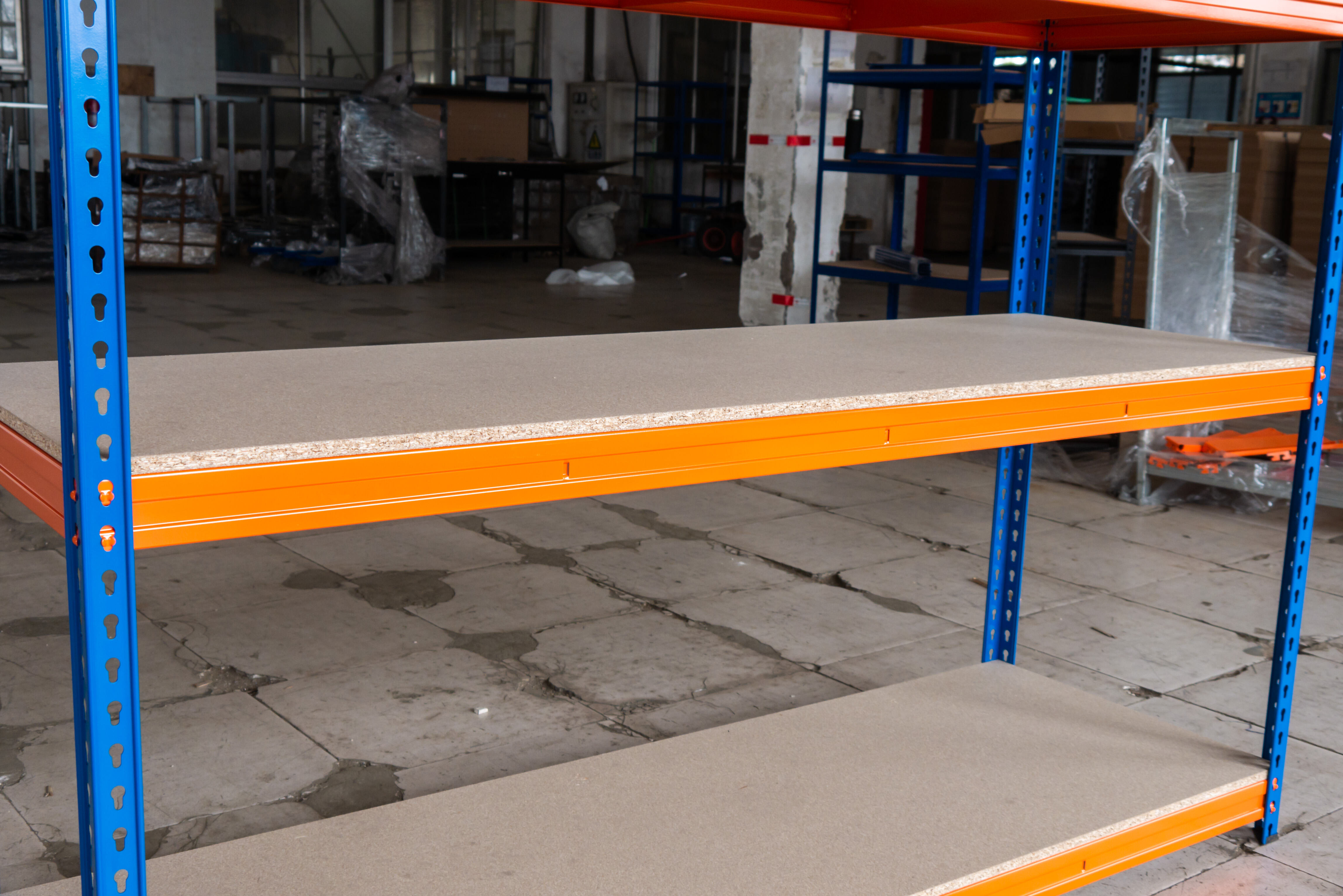
Selecting the appropriate workshop metal bench is a critical decision that directly impacts productivity, safety, and operational efficiency in industrial and commercial facilities. Unlike generic furniture choices, workshop benches must withstand rigorous daily use, accommodate specific tooling requirements, support varying weight loads, and integrate seamlessly into existing workflow patterns. Facility managers and operations directors face numerous technical considerations when evaluating options, from structural integrity and material specifications to dimensional compatibility and long-term durability. Understanding the decision criteria that separate suitable workbench solutions from inadequate ones requires examining multiple factors including workspace demands, user requirements, environmental conditions, and budget constraints.
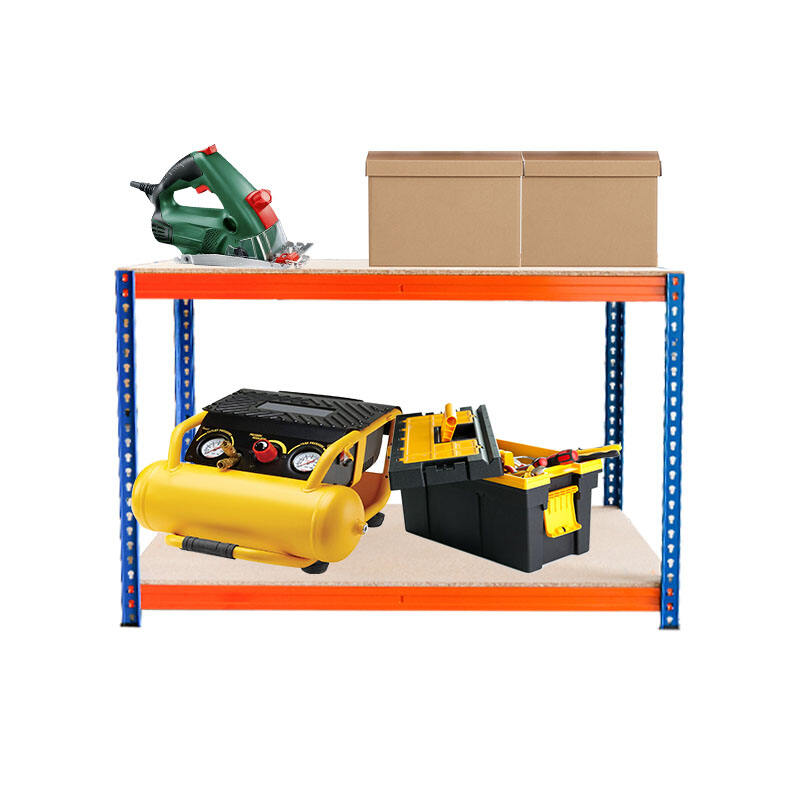
The process of choosing a workshop metal bench extends beyond simply identifying a sturdy work surface. Facilities must evaluate how the bench will function within their specific operational context, considering factors such as the types of tasks performed, the tools and equipment that will be used, the physical space available, and the skill levels of workers who will use the equipment daily. A systematic approach to bench selection involves assessing current workflow bottlenecks, anticipating future capacity needs, understanding material handling patterns, and identifying ergonomic requirements that protect worker health while maximizing output quality. This decision-making framework helps facilities avoid costly purchasing mistakes and ensures that investments in workshop infrastructure deliver measurable returns through improved work quality, reduced task completion times, and enhanced workplace safety.
Understanding Workshop-Specific Load Requirements
Evaluating Static and Dynamic Weight Capacities
Facilities must first determine the actual load demands their workshop metal bench will encounter during typical operations. Static load capacity refers to the maximum weight a bench can support when materials or equipment rest motionless on the work surface, while dynamic load capacity accounts for the additional stresses created by active work processes such as hammering, pressing, cutting, or assembly operations. Many facilities underestimate dynamic loading, leading to premature structural failure, surface deformation, or safety incidents. Accurate load assessment requires cataloging the heaviest components handled, accounting for temporary material staging, and considering the cumulative weight when multiple items occupy the bench simultaneously.
Professional-grade workshop metal benches typically offer load capacities ranging from 500 pounds for light-duty applications to over 3,000 pounds for heavy industrial use. Facilities performing automotive repair, metalworking, or equipment maintenance generally require benches rated for at least 1,500 to 2,000 pounds to accommodate engines, transmission assemblies, large fabricated parts, and associated tooling. The frame construction, leg placement, cross-bracing configuration, and material gauge all contribute to overall capacity. Facilities should request engineering specifications rather than relying on marketing claims, and ideally select benches with capacity ratings that exceed anticipated maximum loads by at least 25 percent to provide adequate safety margins.
Matching Bench Strength to Task Categories
Different workshop activities impose distinct structural demands on work surfaces. Precision assembly tasks involving electronics, instrumentation, or small mechanical components typically require stable surfaces but moderate load capacity, whereas fabrication, welding, or machining operations demand exceptional rigidity to prevent vibration and maintain dimensional accuracy. Facilities engaged in heavy equipment repair or component refurbishment need workshop metal bench designs that resist both concentrated point loads and distributed weight. Understanding these task-specific requirements prevents both over-specification, which wastes budget resources, and under-specification, which compromises work quality and creates safety risks.
Task analysis should document typical work cycles, identify peak loading moments, and catalog specialized equipment that will be mounted or temporarily placed on the bench surface. For example, facilities installing bench-mounted vises, grinders, drill presses, or pneumatic tools must account for both the equipment weight and the operational forces generated during use. A workshop metal bench supporting a large machinist vise experiences substantial torque and lateral forces during workpiece clamping and cutting operations, requiring reinforced construction beyond what static weight calculations alone would indicate. Proper task-to-strength matching ensures the selected bench performs reliably throughout its service life without excessive deflection or structural degradation.
Determining Optimal Dimensions and Configuration
Assessing Available Floor Space and Layout Efficiency
Physical space constraints often dictate practical size limits for workshop metal bench installations. Facilities must measure available floor area while accounting for required clearances around the bench perimeter to enable safe worker movement, material handling, and equipment access. Industry ergonomics standards typically recommend maintaining at least 36 inches of clearance on the primary working side and minimum 24-inch clearances on other sides, though specific operations may require greater distances. Cramped installations reduce productivity, increase injury risk, and limit the types of work that can be performed efficiently.
Beyond basic fit, facilities should consider how bench placement affects overall workshop flow patterns. Positioning a workshop metal bench near material storage areas reduces transport distances and handling time, while locating benches adjacent to related equipment creates efficient work cells. Multi-bench installations require careful spacing to prevent worker interference while maximizing floor utilization. Some facilities benefit from modular bench configurations that can be reconfigured as production demands change, while others require fixed installations optimized for stable, long-term workflows. Detailed floor planning, ideally using scale drawings or digital layout tools, helps identify the optimal bench dimensions and positioning before purchase commitments.
Selecting Work Surface Dimensions for Task Compatibility
Work surface area directly influences the range of tasks a workshop metal bench can accommodate effectively. Standard industrial benches typically measure 48 to 96 inches in length and 24 to 36 inches in depth, though custom dimensions address specialized requirements. Facilities working with large assemblies, sheet materials, or lengthy components require extended surface areas, while space-constrained environments benefit from compact designs that still provide adequate working room. Depth selection affects reach distances and determines whether workers can comfortably access items placed toward the rear of the bench without overextending or adopting awkward postures.
Height represents another critical dimension that significantly impacts user comfort and work quality. Standard workshop metal bench heights range from 30 to 36 inches, with the optimal height depending on the primary tasks performed and the anthropometric characteristics of the workforce. Precision work often benefits from slightly higher surfaces that reduce neck flexion, while tasks requiring downward force application work better at lower heights that improve leverage. Adjustable-height benches offer flexibility for facilities with diverse tasks or multiple users with different physical dimensions, though they typically cost more and introduce additional mechanical complexity. Fixed-height selections should target the median user height within the facility while considering whether workers will primarily sit or stand during bench use.
Evaluating Material Quality and Surface Properties
Comparing Steel Grades and Construction Methods
The structural steel quality used in workshop metal bench construction directly determines durability, load capacity, and service life. Cold-rolled steel offers superior strength and dimensional consistency compared to hot-rolled alternatives, making it preferable for precision bench frames. Material gauge thickness significantly affects rigidity, with professional workshop benches typically employing 14-gauge to 11-gauge steel for leg construction and cross-members. Thinner materials reduce cost but compromise structural performance, particularly under dynamic loading or in applications involving vibration-generating equipment.
Welded construction generally provides superior strength compared to bolted assemblies, though bolt-together designs offer easier transport and reconfiguration advantages. High-quality welded workshop metal bench frames feature continuous welds with proper penetration and finishing rather than spot welds or tack welds that create stress concentration points. Facilities should examine construction details including weld bead consistency, joint reinforcement at critical stress points, and overall frame geometry. Triangulated bracing and gusset plates at leg-to-frame connections indicate thoughtful engineering that enhances load distribution and prevents racking under lateral forces.
Selecting Appropriate Work Surface Materials
Work surface material selection balances durability requirements, chemical resistance needs, and budget constraints. Solid steel tops provide maximum durability and impact resistance, making them ideal for heavy fabrication, welding, or machining applications where sparks, hot materials, or sharp tools contact the surface regularly. Wood composite surfaces offer some impact absorption and prove suitable for assembly work, though they lack the chemical resistance and longevity of metal alternatives. Stainless steel surfaces excel in environments requiring frequent cleaning or chemical exposure resistance, such as pharmaceutical manufacturing, food processing equipment maintenance, or laboratory settings.
Surface thickness affects both durability and weight capacity, with professional workshop metal bench tops typically ranging from 14-gauge to 7-gauge steel depending on application severity. Thicker surfaces resist denting, provide better support for concentrated loads, and maintain flatness over extended service periods. Surface treatments such as powder coating provide corrosion protection and improve chemical resistance, while bare steel tops may be preferred in welding applications where coating damage would occur rapidly. Some facilities benefit from replaceable surface inserts or protective mats that preserve the underlying bench structure while providing task-specific surface properties like electrical insulation, chemical resistance, or enhanced grip.
Incorporating Storage and Accessory Integration
Determining Tool Storage Requirements
Integrated storage capabilities significantly enhance workshop metal bench functionality by keeping frequently used tools, fasteners, and supplies immediately accessible. Facilities should inventory the tools and materials workers need during typical tasks to determine appropriate storage volume and configuration. Drawer-equipped benches suit operations requiring organized storage of hand tools, measuring instruments, and small parts, while open shelf designs accommodate larger items or provide quick visual access to supplies. The quantity, size, and weight capacity of storage components should match actual usage patterns rather than generic assumptions.
Drawer construction quality varies substantially across workshop metal bench models, with professional-grade options featuring ball-bearing slides rated for 100 pounds or more, while economy versions use simpler roller or friction slides with lower capacity and shorter service life. Facilities experiencing high drawer cycling should prioritize heavy-duty slide mechanisms that maintain smooth operation despite frequent use. Drawer depth, divider options, and locking capabilities also merit consideration based on the specific items being stored and security requirements. Some operations benefit from pegboard backing or tool panel integration that provides flexible organization for frequently changed tool sets.
Evaluating Power and Lighting Integration Options
Modern workshop metal bench designs increasingly incorporate electrical power distribution and task lighting to enhance productivity and reduce extension cord clutter. Integrated power strips or outlet boxes positioned along the bench rear or sides provide convenient access for power tools, testing equipment, or charging stations without requiring workers to search for distant outlets. Facilities should specify adequate outlet quantity and spacing based on typical simultaneous tool use, and consider whether specialized connections such as 240-volt circuits or compressed air quick-disconnects would benefit their operations.
Task lighting integration eliminates shadows and improves work quality, particularly for precision assembly, inspection, or detailed fabrication tasks. LED lighting systems offer energy efficiency and long service life while generating minimal heat that could affect worker comfort or temperature-sensitive materials. Adjustable lighting arms allow workers to position illumination precisely where needed, while fixed overhead lights provide general illumination. Some workshop metal bench models include USB charging ports, data connectivity for computerized equipment, or other specialized electrical features that support modern workshop technology requirements. Electrical integration should comply with applicable codes and include proper grounding, circuit protection, and strain relief for connected devices.
Considering Mobility and Reconfiguration Needs
Assessing Fixed Versus Mobile Installation Benefits
The decision between stationary and mobile workshop metal bench configurations depends on workflow patterns, space utilization strategies, and operational flexibility requirements. Fixed installations provide maximum stability for heavy-duty applications, vibration-sensitive tasks, or situations where the bench position supports optimized material flow patterns. Permanently positioned benches can incorporate floor anchoring for enhanced stability and may integrate more readily with overhead utilities, dust collection systems, or material handling equipment. Facilities with consistent, high-volume workflows typically benefit from fixed bench placement that supports standardized work processes.
Mobile workshop metal bench designs equipped with heavy-duty casters enable repositioning to accommodate changing space needs, support flexible manufacturing approaches, or allow thorough floor cleaning. Locking caster mechanisms ensure stability during use while permitting relocation when needed. Mobile configurations particularly benefit facilities performing varied project work, supporting multiple small production runs, or requiring periodic workspace reconfiguration. However, mobility introduces additional cost, reduces maximum practical bench height due to caster elevation, and may limit load capacity compared to equivalent fixed designs. Facilities should honestly assess how frequently they would actually relocate benches, as many operations overestimate mobility benefits and would achieve better performance from optimized fixed installations.
Planning for Future Expansion and Modification
Forward-thinking facilities consider how workshop metal bench selections will accommodate future operational changes, capacity expansion, or process improvements. Modular bench systems that accept add-on components, extension sections, or accessory integration provide flexibility as needs evolve. Standardized mounting patterns for accessories like vises, tool holders, or equipment brackets enable configuration changes without replacing entire benches. Some manufacturers offer compatible product lines that allow facilities to expand installations using matching components that maintain consistent appearance and functionality.
Facilities anticipating growth should evaluate whether initial workshop metal bench purchases can form the foundation of expanded work cells through strategic addition of complementary units. Selecting benches with generous load capacity margins, robust construction quality, and versatile accessory compatibility protects investments by extending useful service life even as operational demands increase. Consideration of future needs prevents premature obsolescence that forces costly replacements and ensures that workshop infrastructure investments continue delivering value throughout extended operational periods. Documentation of bench specifications, load ratings, and modification capabilities supports informed decision-making when expansion or reconfiguration projects arise.
FAQ
What weight capacity should facilities target when selecting a workshop metal bench?
Facilities should select workshop metal bench models with weight capacities exceeding their maximum anticipated load by at least 25 percent to provide adequate safety margins. Light assembly work typically requires 500 to 1,000 pound capacity, general maintenance operations need 1,500 to 2,000 pounds, and heavy fabrication or equipment repair demands 2,500 pounds or more. Always account for both the weight of materials and the dynamic forces generated during work processes, not just static loads.
How do facilities determine the optimal bench height for their operations?
Optimal workshop metal bench height depends on whether workers will primarily stand or sit, the types of tasks performed, and the physical characteristics of the workforce. Standard heights range from 30 to 36 inches, with precision work often benefiting from heights at the upper end of this range to reduce neck strain, while tasks requiring downward force work better at lower heights. Adjustable-height benches accommodate diverse users and varied tasks but cost more than fixed-height alternatives.
What surface material works best for welding and fabrication applications?
Solid steel work surfaces provide the best performance for welding and heavy fabrication on a workshop metal bench, offering maximum heat resistance, impact durability, and longevity. Thicker gauge steel tops, typically 7-gauge to 10-gauge, resist warping from heat exposure and maintain flatness despite concentrated loads. Bare steel or minimal coating proves preferable to heavy powder coating in welding environments, as coatings deteriorate rapidly from spark and spatter exposure.
Should facilities prioritize integrated storage or simple bench designs?
The decision depends on workflow patterns and available separate storage. Integrated storage in a workshop metal bench keeps tools immediately accessible, reduces worker movement, and improves productivity when workers perform varied tasks requiring multiple tools. However, facilities with dedicated tool cribs, organized storage systems, or very specialized workflows may achieve better value from simple bench designs paired with separate, optimized storage solutions. Evaluate actual tool access patterns during typical work cycles to determine which approach better supports operational efficiency.
Table of Contents
- Understanding Workshop-Specific Load Requirements
- Determining Optimal Dimensions and Configuration
- Evaluating Material Quality and Surface Properties
- Incorporating Storage and Accessory Integration
- Considering Mobility and Reconfiguration Needs
-
FAQ
- What weight capacity should facilities target when selecting a workshop metal bench?
- How do facilities determine the optimal bench height for their operations?
- What surface material works best for welding and fabrication applications?
- Should facilities prioritize integrated storage or simple bench designs?

