 EN
EN

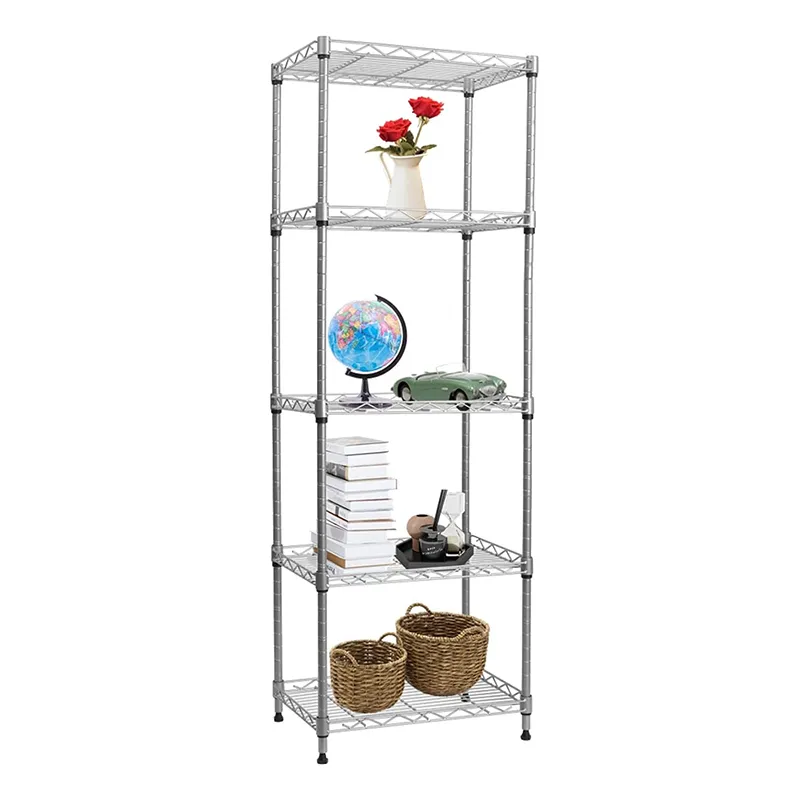
A heavy duty wire shelf is not a niche fixture used in only one kind of facility. It is a cross-industry storage standard wherever moisture, chemical exposure, washdown routines, or airflow-sensitive inventory create corrosion risk. The industries that depend on a heavy duty wire shelf usually share one operational requirement: they cannot afford rust contamination, unstable storage surfaces, or poor visibility in fast-moving workflows. In practical terms, that makes the heavy duty wire shelf a core infrastructure decision rather than a minor accessory.
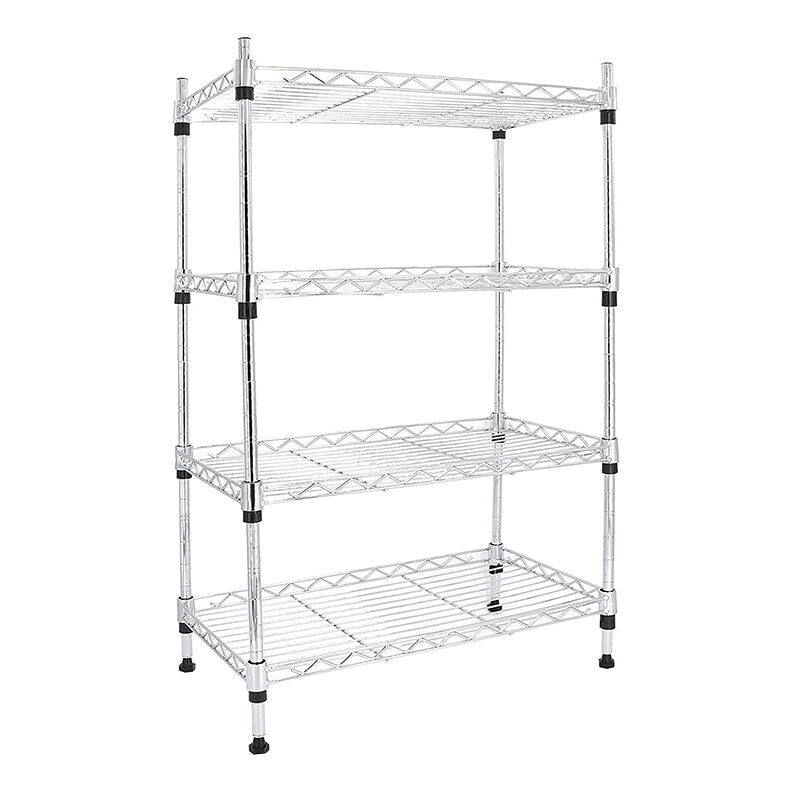
When companies ask what industries rely on heavy duty wire shelf for corrosion-free storage, the answer is broad but not random. A heavy duty wire shelf is most critical in sectors where sanitation, environmental durability, load reliability, and inspection readiness all matter at the same time. The following breakdown explains where heavy duty wire shelf systems are heavily used, why those environments favor them, and how decision makers match a heavy duty wire shelf setup to real operating conditions.
Industrial environments where corrosion pressure is constant
Food processing and cold-chain operations
Food plants, central kitchens, refrigerated warehouses, and distribution centers are among the most consistent users of heavy duty wire shelf systems. These facilities run frequent cleaning cycles, operate in humid zones, and often move inventory between temperature ranges, all of which accelerate corrosion on unsuitable storage materials. A heavy duty wire shelf performs well here because open-wire construction supports airflow and helps reduce moisture buildup on contact points.
In frozen and chilled storage, a heavy duty wire shelf also improves visual access to packed goods, lot labels, and expiration dates. That matters for traceability and first-in-first-out movement, especially when teams handle high SKU counts under time pressure. Where hygiene protocols are strict, a heavy duty wire shelf can simplify routine cleaning because surfaces are exposed and easier to inspect.
Pharmaceutical and laboratory storage zones
Pharmaceutical production and laboratory support areas rely on controlled storage conditions and clear separation of materials. In these spaces, a heavy duty wire shelf is valued for resistance to corrosion from cleaning agents and for reducing hidden dust traps common in closed shelving formats. Many operations place raw materials, packaging components, or non-sterile support stock on heavy duty wire shelf units to keep products elevated, visible, and auditable.
A heavy duty wire shelf is also useful in environmental monitoring workflows, where teams need open access for cleaning verification and periodic checks. Since compliance teams often review storage integrity as part of quality audits, the physical stability and condition of each heavy duty wire shelf directly affects inspection readiness. Corrosion-free surfaces reduce risk of particulate contamination and avoid unnecessary corrective actions.
Manufacturing sectors that prioritize durability and uptime
Automotive and metalworking support storage
Automotive plants and metalworking facilities often use a heavy duty wire shelf in maintenance rooms, spare-parts zones, and tool staging areas. These environments can expose storage equipment to oils, coolant mist, humidity, and temperature variation, making corrosion resistance a practical necessity. A heavy duty wire shelf helps maintain structure and load performance where traditional painted surfaces may chip or degrade over time.
For maintenance teams, a heavy duty wire shelf supports fast identification of components and reduces search time during unplanned downtime events. Open design allows workers to scan bins and boxed parts without repeatedly moving stock. In high-throughput operations, keeping each heavy duty wire shelf accessible and clean can improve response speed in preventive maintenance and repair workflows.
Chemical handling and industrial utility rooms
Facilities that store cleaning compounds, treatment materials, or process support chemicals regularly choose heavy duty wire shelf installations. Even when chemicals are sealed, ambient vapors and frequent wipe-down routines can weaken unsuitable shelving materials. A heavy duty wire shelf gives operations teams a more resilient option for day-to-day storage in utility spaces where exposure risk is higher.
In these settings, a heavy duty wire shelf is typically selected with attention to coating quality, load rating, and compatibility with the room's cleaning routine. Teams also benefit from the ability to reconfigure shelf levels as container sizes change. That flexibility lets one heavy duty wire shelf system adapt across multiple chemical handling tasks without replacing the full storage layout.
Service-critical sectors where hygiene and speed intersect
Healthcare facilities and clinical logistics
Hospitals, outpatient centers, and clinical supply departments frequently depend on heavy duty wire shelf units for back-of-house organization. In these environments, storage must stay clean, stable, and easy to sanitize, while staff still need fast access to consumables and equipment. A heavy duty wire shelf supports this balance by improving airflow and reducing enclosed surfaces where residue may accumulate.
Clinical logistics teams also value how a heavy duty wire shelf supports category zoning for linens, sterile packs, and general supplies in separate areas. During peak usage periods, clear shelf visibility helps reduce picking errors and shortens replenishment cycles. Because corrosion can undermine both safety and professional appearance, maintaining each heavy duty wire shelf in good condition is part of reliable facility operations.
Hospitality, institutional kitchens, and facility management
Hotels, large cafeterias, and institutional foodservice operations rely on heavy duty wire shelf storage in dry rooms, prep support areas, and cleaning supply sections. Daily washdown and variable humidity place repeated stress on storage hardware, so corrosion resistance becomes a lifecycle cost issue. A heavy duty wire shelf can last through demanding housekeeping routines while still allowing teams to keep stock organized by use frequency.
Facility managers also deploy heavy duty wire shelf systems in housekeeping closets and central stores where mixed inventory is common. Since many sites operate around the clock, quick cleaning and easy inspection are operational advantages, not minor preferences. For teams evaluating replacement options, this is why heavy duty wire shelf solutions are often specified as standard for corrosion-prone service areas.
Logistics and warehousing operations with high turnover inventory
E-commerce fulfillment and urban distribution hubs
Modern fulfillment centers use heavy duty wire shelf installations for fast-moving inventory that demands quick visual control and easy slotting adjustments. In humid climates or partially conditioned buildings, corrosion resistance protects storage continuity and reduces premature replacement costs. A heavy duty wire shelf also supports cleaner airflow around cartons, totes, and frequently handled packaged goods.
In urban distribution hubs where floor space is expensive, teams often reconfigure each heavy duty wire shelf to match changing order profiles. Adjustable levels help absorb seasonal SKU shifts without rebuilding entire rack zones. That adaptability, combined with resistance to rust-related deterioration, makes heavy duty wire shelf setups practical for facilities that must maintain uptime with limited disruption windows.
Regional warehouses for mixed industrial inventory
Regional warehouses that serve manufacturing, maintenance, and field-service customers typically manage diverse product sizes and storage conditions. A heavy duty wire shelf is widely used in these sites for parts bins, packaged components, and overflow stock that cannot risk contamination from corroded contact surfaces. Operations teams benefit when each heavy duty wire shelf remains structurally reliable despite cleaning chemicals, ambient dust control measures, and seasonal humidity cycles.
From a planning perspective, a heavy duty wire shelf is also easier to redeploy during layout changes than fixed enclosed cabinetry. Warehouse managers can reposition units by zone, repurpose shelf heights, and maintain visibility standards for cycle counting. For mixed-inventory operations, that is a key reason heavy duty wire shelf adoption stays strong across multiple warehouse formats.
Operational criteria that determine strong industry fit
Corrosion exposure profile and sanitation intensity
Not every facility needs the same storage specification, but industries with recurring moisture, chemical cleaning, or strict hygiene controls are natural fits for heavy duty wire shelf infrastructure. Decision makers should assess how often surfaces are washed, what agents are used, and where condensation appears during normal shifts. The higher that exposure profile, the more value a heavy duty wire shelf delivers over alternatives that degrade faster.
This is why food, healthcare, pharma, and high-duty logistics repeatedly appear in discussions about heavy duty wire shelf deployment. In each case, corrosion-free storage is tied to quality control and operational reliability, not appearance alone. A heavy duty wire shelf becomes part of risk management by lowering contamination pathways associated with rust and damaged finishes.
Load behavior, reconfiguration needs, and inspection discipline
Industry fit also depends on how storage loads change over time. A heavy duty wire shelf is effective when teams need strong load handling plus frequent shelf-level adjustments for different package dimensions. Facilities that run continuous improvement programs often prefer heavy duty wire shelf layouts because they can be reconfigured without major structural projects.
Inspection routines are another deciding factor. In regulated or audit-heavy operations, a heavy duty wire shelf supports easier visual checks for cleanliness, damage, and stock condition. The industries most reliant on heavy duty wire shelf solutions are usually those where the cost of storage failure includes downtime, compliance risk, or product quality impact.
FAQ
Which industries are the heaviest users of heavy duty wire shelf systems?
Food processing, cold-chain logistics, healthcare, pharmaceuticals, industrial manufacturing, and high-turnover warehousing are the most consistent users. These sectors depend on heavy duty wire shelf setups because corrosion-free storage directly supports hygiene, uptime, and inventory control.
Is heavy duty wire shelf only for wet or refrigerated environments?
No. Wet and cold environments are major use cases, but heavy duty wire shelf units are also widely used in dry industrial settings where cleaning chemicals, variable humidity, and high handling frequency still create corrosion risk over time.
What makes heavy duty wire shelf suitable for regulated facilities?
A heavy duty wire shelf helps regulated facilities maintain visibility, cleanability, and condition monitoring. Open structure supports inspection workflows, while corrosion-resistant construction helps reduce contamination risk and supports consistent audit readiness.
How do companies confirm whether heavy duty wire shelf is the right fit?
Teams usually evaluate exposure conditions, sanitation frequency, load requirements, and reconfiguration needs. When those factors are high, a heavy duty wire shelf is typically the stronger long-term choice for corrosion-free storage across demanding industrial operations.
Table of Contents
- Industrial environments where corrosion pressure is constant
- Manufacturing sectors that prioritize durability and uptime
- Service-critical sectors where hygiene and speed intersect
- Logistics and warehousing operations with high turnover inventory
- Operational criteria that determine strong industry fit
- FAQ

