 EN
EN

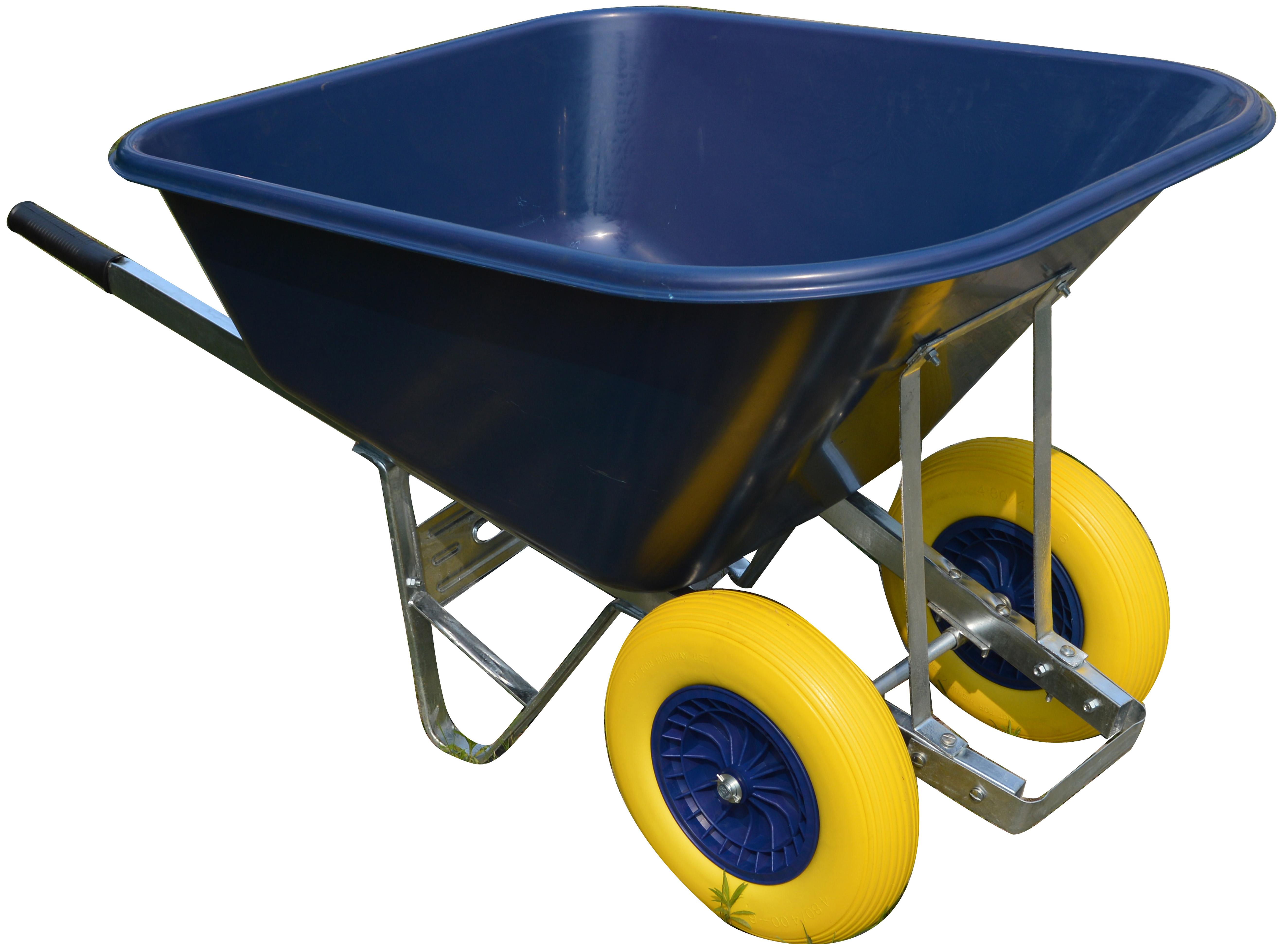
Commercial transport tasks demand equipment that balances efficiency, versatility, and cost-effectiveness. Among the countless material handling solutions available, the flatbed hand trolley stands out as a ubiquitous presence in warehouses, retail environments, distribution centers, and service industries worldwide. This simple yet ingeniously designed tool has maintained its dominance despite technological advances in automated handling systems. Understanding why the flatbed hand trolley remains so prevalent in commercial transport operations requires examining the unique combination of practical advantages, economic factors, and operational flexibility that make it indispensable for businesses of all sizes.
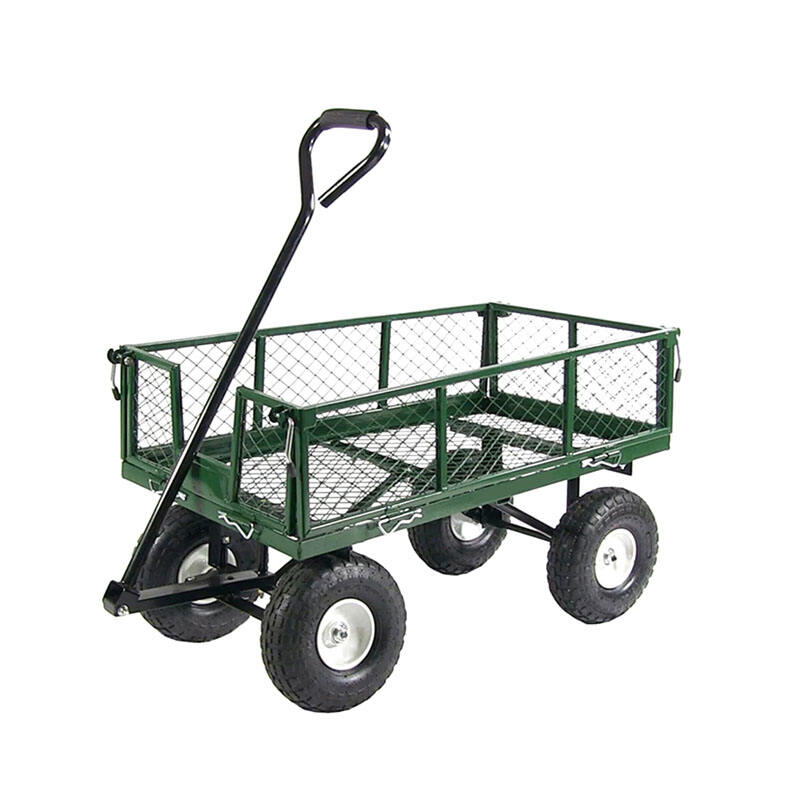
The widespread adoption of flatbed hand trolleys in commercial settings stems from multiple converging factors that address fundamental business needs. These wheeled platforms provide immediate solutions to daily material movement challenges without requiring significant capital investment, specialized training, or complex maintenance protocols. From loading docks to retail stockrooms, the flatbed hand trolley serves as the workhorse that keeps goods flowing smoothly through commercial spaces. Its continued relevance in an era of increasing automation speaks to the enduring value of simple, reliable mechanical solutions that complement rather than compete with more sophisticated handling systems.
Economic Efficiency and Accessibility
Low Initial Investment Requirements
The financial barrier to acquiring a flatbed hand trolley remains remarkably low compared to virtually any alternative material handling equipment. Businesses can equip their operations with multiple units for the cost of a single powered pallet jack or a fraction of forklift expenses. This accessibility makes the flatbed hand trolley particularly attractive for small and medium-sized enterprises operating with constrained capital budgets. Startup companies, independent retailers, and service providers can immediately implement professional-grade material handling without delaying operations while securing financing for more expensive equipment. The democratization of efficient goods movement through affordable flatbed hand trolley options has leveled the competitive playing field across commercial sectors.
Beyond purchase price, the total cost of ownership for flatbed hand trolleys remains minimal throughout their service life. Unlike motorized alternatives that require fuel, batteries, or electrical infrastructure, these manual devices incur virtually no operating expenses after acquisition. Maintenance needs typically involve occasional wheel replacement and minor repairs that any facility maintenance team can perform using basic tools. Insurance costs remain negligible, and depreciation schedules favor extended useful lives that often span decades rather than years. This economic profile makes the flatbed hand trolley an attractive proposition for budget-conscious operations seeking maximum return on equipment investments.
Scalability Without Infrastructure Modification
Commercial operations frequently experience fluctuating material handling demands based on seasonal patterns, business growth, or project-specific requirements. The flatbed hand trolley offers unmatched scalability because adding capacity requires no facility modifications, electrical upgrades, or spatial reconfigurations. A business can expand its fleet from five units to fifty without changing floor layouts, installing charging stations, or reconfiguring storage areas. This plug-and-play scalability proves especially valuable for companies experiencing rapid growth or those operating in leased facilities where permanent infrastructure changes face restrictions or prove economically unviable.
The absence of infrastructure dependencies also facilitates deployment flexibility across multiple locations. Companies with distributed operations can standardize on flatbed hand trolley platforms knowing that any facility can immediately accommodate the equipment regardless of building age, electrical capacity, or floor load ratings. This standardization simplifies procurement processes, enables equipment sharing between locations during peak demand periods, and reduces the complexity of training programs since operators encounter consistent equipment across the entire organization. The resulting operational agility provides competitive advantages in dynamic market environments where responsiveness separates successful enterprises from struggling competitors.
Operational Versatility and Application Range
Universal Load Accommodation
The open platform design of a flatbed hand trolley accepts an extraordinary diversity of load types, shapes, and configurations that would challenge or prove impossible for specialized handling equipment. Irregularly shaped items, oversized packages, multiple small parcels, and awkwardly dimensioned goods all find accommodation on the flat surface. This universal compatibility eliminates the need for businesses to maintain separate equipment types for different product categories, simplifying fleet management and reducing storage requirements for idle equipment. Workers can confidently approach virtually any transport task knowing their flatbed hand trolley will provide a viable solution.
Commercial environments benefit particularly from this versatility because inventory compositions constantly evolve with changing product offerings, supplier packaging variations, and seasonal merchandise mixes. A retail stockroom might move appliance boxes one hour and clothing cartons the next, while a warehouse could transition from palletized goods to loose items throughout a single shift. The flatbed hand trolley handles these transitions seamlessly without requiring equipment changes or operational adjustments. This adaptability reduces downtime, minimizes the need for workers to search for appropriate handling tools, and maintains productivity levels even as task requirements shift unpredictably.
Multi-Environment Functionality
Commercial transport tasks occur across remarkably diverse environmental conditions, from climate-controlled retail spaces to outdoor loading areas, refrigerated storage zones to dusty warehouses. The flatbed hand trolley functions effectively across this entire environmental spectrum without performance degradation or special accommodations. Basic models with appropriate wheel configurations and corrosion-resistant materials operate reliably whether moving goods through showroom floors, navigating warehouse aisles, traversing parking lots, or working in temperature-controlled storage facilities. This environmental flexibility allows organizations to deploy their flatbed hand trolley fleet anywhere within their operational footprint without concern for equipment limitations.
The ability to transition seamlessly between indoor and outdoor environments proves particularly valuable for businesses with receiving areas, customer pickup zones, or loading docks that span building perimeters. Workers can load merchandise inside, wheel it outdoors for customer vehicle loading, and return the empty flatbed hand trolley without encountering equipment restrictions or switching to different handling tools. This continuity of equipment use streamlines workflows, reduces handling steps that increase damage risk, and accelerates transaction completion times. Facilities management teams appreciate that the same equipment serves multiple departments and functional areas, maximizing utilization rates and justifying the already modest investment costs.
Maneuverability and Space Efficiency
Compact Footprint in Congested Environments
Commercial spaces face perpetual pressure to maximize revenue-generating square footage while minimizing areas dedicated to operational functions. The flatbed hand trolley excels in constrained environments where space represents a premium commodity. Its compact dimensions allow navigation through narrow aisles, doorways, and corridors that would prove impassable for larger equipment. Retail stockrooms, urban warehouses, and legacy buildings with challenging layouts all benefit from the space efficiency that flatbed hand trolleys provide. Workers can maneuver loaded units through tight quarters without requiring special pathways or dedicated handling zones that consume valuable floor space.
Storage efficiency when not in use further enhances the space advantage. Multiple flatbed hand trolley units stack vertically or nest together, occupying minimal floor area during idle periods. This storage efficiency proves crucial for operations with limited back-of-house space or those requiring substantial equipment fleets to handle peak demand periods. Unlike powered equipment that demands dedicated parking areas with access to charging infrastructure, flatbed hand trolleys simply tuck into corners, hang from wall mounts, or stack in utility closets until needed. This flexibility allows businesses to maintain larger equipment inventories without sacrificing productive floor space to idle equipment storage.
Precision Control and Low-Speed Safety
Human-powered operation provides operators with intuitive, immediate control over movement speed and direction. The flatbed hand trolley responds instantly to operator input without the lag, momentum, or power-assist characteristics that complicate control of motorized equipment. This precision proves invaluable in environments with pedestrian traffic, fragile inventory, or congested aisles where careful maneuvering prevents collisions and damage incidents. Workers can start, stop, and navigate with confidence even in challenging conditions, maintaining safety while preserving productivity. The tactile feedback through the handle provides constant awareness of load conditions, surface characteristics, and equipment status.
Low operating speeds inherent to manual propulsion create inherently safer working conditions compared to powered alternatives capable of higher velocities. Even in worst-case collision scenarios, the kinetic energy involved with flatbed hand trolley incidents remains manageable, typically resulting in minor property damage rather than serious injuries. This safety profile reduces liability concerns, lowers insurance premiums, and creates more comfortable working environments where employees and customers share spaces. Regulatory compliance becomes simpler because flatbed hand trolleys generally fall outside the stringent operating requirements and certification mandates that govern powered industrial equipment, reducing administrative burdens and training complexities.
Workforce Integration and Usability
Minimal Training Requirements
Commercial operations face constant workforce dynamics including seasonal hiring, employee turnover, and temporary staff augmentation during peak periods. The flatbed hand trolley requires virtually no formal training because its operation mirrors intuitive pushing and pulling motions that workers already understand. New employees become productive within minutes rather than hours or days, eliminating training bottlenecks that delay operational readiness. This immediate usability proves particularly valuable for businesses with high turnover rates or those relying on temporary labor during busy seasons when training capacity becomes constrained and every productive hour counts toward meeting customer commitments.
The absence of complex operating procedures, certification requirements, or regulatory mandates further simplifies workforce integration. Unlike forklift operations that require formal certification programs and documented competency verification, flatbed hand trolley use involves straightforward safety awareness and basic material handling best practices. Supervisors can quickly orient new workers to proper loading techniques, safe maneuvering practices, and equipment care without developing elaborate training curricula or scheduling specialized instruction sessions. This simplicity reduces human resources administrative overhead while ensuring consistent equipment deployment across diverse workforce populations with varying experience levels and educational backgrounds.
Universal Operator Accessibility
Physical accessibility considerations make the flatbed hand trolley usable by broader employee populations compared to equipment requiring specific strength levels, heights, or physical capabilities. The mechanical advantage provided by wheels dramatically reduces the force needed to move substantial loads, allowing workers of various physical builds to handle materials effectively. This inclusivity expands the available labor pool and supports workforce diversity initiatives without compromising operational capabilities. Businesses benefit from flexible worker assignment options where virtually any employee can perform material transport tasks when needed, rather than depending on limited numbers of certified equipment operators.
Ergonomic advantages extend beyond simple force reduction to include natural body positioning and movement patterns. Pushing or pulling a flatbed hand trolley engages large muscle groups in biomechanically efficient ways that reduce injury risks compared to manual carrying or awkward lifting. Workers maintain upright postures with clear sight lines, avoiding the stooped positions and restricted vision associated with carrying loads. This ergonomic profile contributes to reduced workplace injury rates, lower workers' compensation costs, and improved employee satisfaction. The flatbed hand trolley thus functions as both a productivity tool and a workplace safety intervention that protects organizational human capital while facilitating efficient goods movement.
Maintenance Simplicity and Reliability
Robust Construction with Few Failure Points
The mechanical simplicity of flatbed hand trolley designs translates directly into exceptional reliability and extended service lives. With no engines, hydraulics, electronics, or complex mechanical systems, these devices contain minimal components that might fail or require regular servicing. The basic platform, handle, and wheel assembly withstand years of demanding use with only occasional attention. This durability proves especially valuable in commercial environments where equipment downtime disrupts workflows, delays customer service, and necessitates expensive backup solutions or rushed replacement purchases.
Material selection in quality flatbed hand trolley construction emphasizes longevity over initial cost savings. Reinforced steel frames, industrial-grade wheel bearings, and weather-resistant finishes ensure continued functionality despite harsh operating conditions and intensive daily use. Commercial buyers recognize that modest upfront premiums for superior construction quality deliver substantial long-term value through reduced replacement frequency and lower lifetime costs. The reputation for reliability associated with well-built flatbed hand trolleys influences purchasing decisions across industries where equipment dependability directly impacts operational continuity and customer satisfaction metrics.
Field-Serviceable Components
When maintenance needs arise, the flatbed hand trolley offers straightforward repair procedures using common tools and readily available replacement parts. Wheels represent the primary wear item, and their replacement typically requires only basic mechanical skills and standard hand tools. Facilities maintenance teams can perform most repairs in-house without specialized training or expensive diagnostic equipment, avoiding the service call expenses and extended downtime associated with complex equipment repairs. This field-serviceability keeps flatbed hand trolleys operational even in remote locations or facilities without nearby specialized repair services.
Parts availability and interchangeability further enhance maintenance efficiency. Standard wheel sizes, bearing specifications, and fastener dimensions allow maintenance departments to stock generic replacement components rather than model-specific parts with limited applications. A single spare parts inventory supports entire flatbed hand trolley fleets regardless of unit variations or acquisition dates, simplifying inventory management and reducing capital tied up in replacement parts stocks. This standardization extends equipment service lives because obsolescence concerns fade when generic components remain perpetually available through industrial supply channels rather than depending on original manufacturer parts programs that might discontinue support for older models.
FAQ
What load capacity should businesses expect from commercial flatbed hand trolleys?
Commercial flatbed hand trolleys typically offer load capacities ranging from 300 to 1000 pounds depending on construction quality and intended application intensity. Light-duty models suitable for retail stockrooms and office environments generally handle 300-500 pounds, while industrial-grade units designed for warehouse and distribution center use safely transport 600-1000 pounds. Businesses should select capacity ratings that exceed typical loads by comfortable margins to ensure longevity and maintain safety factors. Platform dimensions also influence practical capacity since load distribution and size constraints often limit effective carrying capacity below theoretical weight ratings. Consulting manufacturer specifications and matching equipment capabilities to actual operational requirements prevents premature failures and maintains workplace safety standards.
How do wheel configurations affect flatbed hand trolley performance in commercial settings?
Wheel selection significantly impacts maneuverability, floor protection, and operational suitability across different commercial environments. Hard wheels made from materials like polyurethane or hard rubber excel on smooth surfaces and provide easy rolling with minimal effort, making them ideal for warehouse concrete floors and retail spaces. Softer pneumatic or semi-pneumatic wheels absorb shock and roll more easily over rough surfaces, making them preferable for outdoor use or facilities with uneven flooring. Swivel caster configurations enhance maneuverability in tight spaces while fixed wheel arrangements provide better directional stability for longer straight runs. Many commercial operations maintain mixed fleets with different wheel configurations to optimize performance across varied tasks and environments within their facilities.
Can flatbed hand trolleys effectively replace powered equipment in commercial operations?
Flatbed hand trolleys complement rather than replace powered equipment in most commercial operations, with each solution addressing different operational requirements. Manual trolleys excel for short-distance transport, frequent stops, light-to-medium loads, and environments where pedestrian traffic requires low-speed operations. They prove most cost-effective for businesses with modest material handling volumes, constrained budgets, or facilities unsuitable for powered equipment operation. Powered solutions become advantageous for long transport distances, very heavy loads, high-volume operations, and scenarios where operator fatigue would limit productivity. Many successful operations deploy both equipment types strategically, using flatbed hand trolleys for final-mile movements and localized tasks while reserving powered equipment for primary transport corridors and bulk material movement, thereby optimizing cost-effectiveness and operational efficiency.
What factors determine the appropriate flatbed hand trolley quantity for commercial facilities?
Appropriate fleet sizing depends on facility square footage, daily transaction volumes, peak demand periods, and workflow patterns. A general guideline suggests one flatbed hand trolley per 2,000-3,000 square feet of operational space for retail environments, though warehouses might require higher ratios approaching one unit per 1,500 square feet due to more intensive material handling demands. Businesses should also account for peak period requirements, maintaining sufficient equipment to handle maximum anticipated demand without workflow bottlenecks. Observing current operations identifies congestion points where workers wait for available equipment, indicating undersized fleets. Starting with modest inventories and adding units based on observed needs prevents over-investment while ensuring adequate capacity. Equipment utilization tracking reveals whether existing fleets meet operational demands or whether additional flatbed hand trolleys would improve productivity and reduce handling delays that frustrate workers and slow customer service.
Table of Contents
- Economic Efficiency and Accessibility
- Operational Versatility and Application Range
- Maneuverability and Space Efficiency
- Workforce Integration and Usability
- Maintenance Simplicity and Reliability
-
FAQ
- What load capacity should businesses expect from commercial flatbed hand trolleys?
- How do wheel configurations affect flatbed hand trolley performance in commercial settings?
- Can flatbed hand trolleys effectively replace powered equipment in commercial operations?
- What factors determine the appropriate flatbed hand trolley quantity for commercial facilities?

