 EN
EN

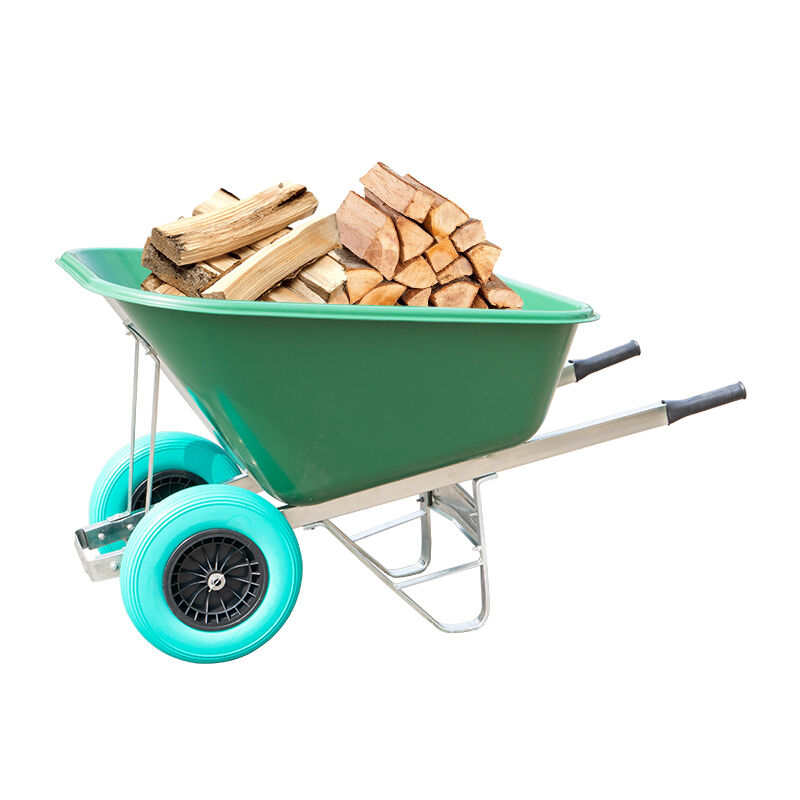
A dual-wheel wheelbarrow can be a real advantage for balanced hauling, but it is not magic by itself. The short answer is yes: in many work settings, a dual-wheel wheelbarrow makes loads feel more stable, reduces side tipping, and gives operators better control on uneven paths. The longer answer depends on load shape, terrain, user technique, and how the wheelbarrow is built. When those factors line up, a dual-wheel wheelbarrow often becomes the most practical way to move dense materials with less strain and fewer spills.
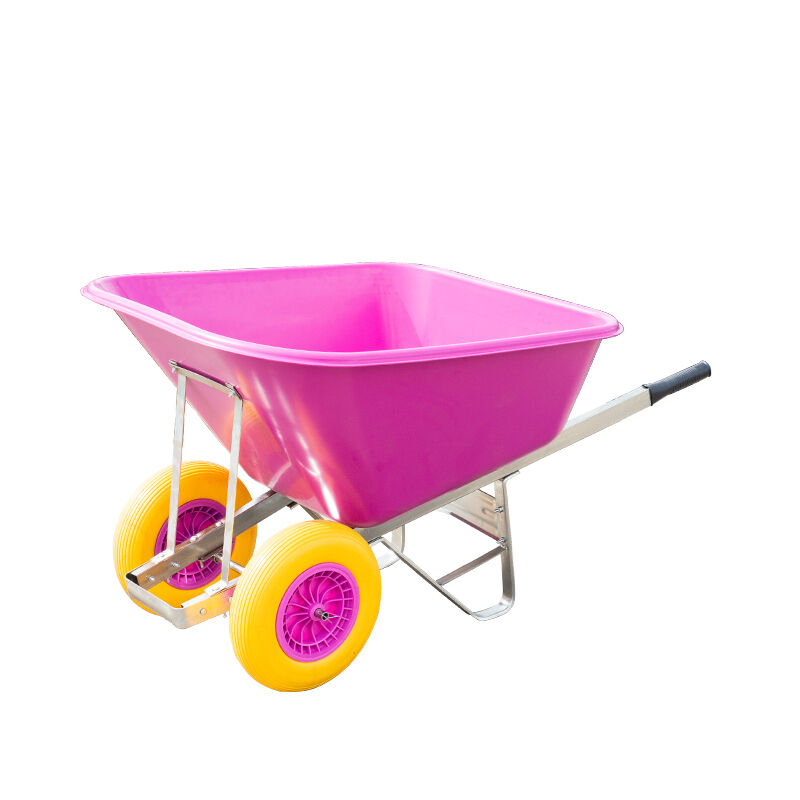
For B2B buyers in construction, landscaping, facility maintenance, and agriculture, the decision is usually about output per shift and injury risk, not just tool preference. A wheelbarrow that tracks straight and stays level under load can reduce wasted motion, cut cleanup time, and support safer material handling routines. This article explains where a dual-wheel wheelbarrow delivers measurable balance benefits, where it does not, and how to choose the right wheelbarrow setup for daily hauling demands.
Clear judgment on the balance advantage
Why dual-wheel design improves load stability
The central benefit of a dual-wheel wheelbarrow is a wider support base at the front. Compared with a single-wheel wheelbarrow, two contact points spread weight and resist sudden lateral roll when the operator crosses ruts, edges, or compacted debris. That geometry matters when hauling wet soil, stone, feed, or demolition fragments that can shift unexpectedly inside the tray.
In practical terms, a dual-wheel wheelbarrow gives the operator more correction time. If the load starts leaning, the second wheel helps hold position while the user adjusts grip and speed. On long runs, that extra forgiveness translates into fewer tip-overs and fewer stops to rebalance the wheelbarrow mid-route.
Where the secret idea can be misunderstood
Calling any wheelbarrow a secret solution can hide the real conditions that produce success. Balance gains are strongest when the load is heavy, the path is inconsistent, and the user must maintain pace. In very narrow walkways, tight turns, or soft mud, a dual-wheel wheelbarrow can still struggle if tire width, pressure, and wheel spacing are not suitable.
Another common misunderstanding is that a dual-wheel wheelbarrow removes physical effort. It does not. The wheelbarrow still requires proper lifting at the handles, controlled acceleration, and smart dumping angles. What it usually changes is predictability, so the same effort produces steadier transport with less emergency correction.
Operating conditions that decide real-world results
Terrain profile and traction behavior
A wheelbarrow performs differently on gravel, compacted dirt, concrete, turf, and mixed indoor-outdoor transitions. Dual wheels typically shine on surfaces where minor side bumps are common because each wheel can absorb irregularities without forcing the tray to roll off center. That is why many site teams use a dual-wheel wheelbarrow for routes that include drains, expansion joints, and temporary ramps.
Traction also affects balance. If one tire on a wheelbarrow loses grip while the other holds, steering drag can appear, especially under high loads. Selecting tread style and maintaining matched tire pressure helps the wheelbarrow track straight. Good tracking is part of balanced hauling, because the less you fight direction, the less you destabilize the load.
Load characteristics and center-of-mass control
Not all wheelbarrow loads behave the same. Dense, low-set materials like gravel and wet sand generally support stable hauling because the center of mass remains low. Bulky, high-volume materials such as brush or bagged goods raise the center of mass and can make any wheelbarrow feel top-heavy, even with two wheels.
For better balance, teams should standardize how each wheelbarrow is loaded. Keep heavier material low and centered, avoid overfilling above tray walls, and distribute weight forward enough that the wheels carry the majority of mass without overloading the nose. Consistent loading procedure often improves wheelbarrow safety as much as hardware choice.
Business impact of balanced hauling in B2B environments
Productivity flow across repetitive transport cycles
On active sites, material transport repeats hundreds of times per week. A wheelbarrow that reduces side correction and spill events helps crews maintain rhythm. That matters because micro-delays compound: each stop to recover a tilting wheelbarrow can interrupt sequencing for mixing, placement, or cleanup activities downstream.
Balanced hauling also supports planning accuracy. When a wheelbarrow route is predictable, supervisors can forecast labor timing with tighter confidence. Over a month, that reliability can improve crew allocation, reduce rework caused by dropped material, and lower fatigue peaks that often slow output near shift end.
Ergonomics, safety exposure, and handling confidence
A stable wheelbarrow does not eliminate risk, but it can reduce high-strain moments where workers twist suddenly to save a tipping load. Those moments are common causes of shoulder and lower-back stress in manual handling tasks. Better inherent balance in a wheelbarrow helps users keep neutral posture for longer portions of each trip.
There is also a confidence effect. New operators usually adapt faster when a wheelbarrow feels forgiving during turns and uneven transitions. Faster skill stabilization reduces the period where mistakes are frequent, which is valuable in seasonal operations and high-turnover labor environments where consistent wheelbarrow handling is critical.
Implementation logic for selecting and deploying the right setup
Evaluation criteria before purchase
When selecting a wheelbarrow for balanced hauling, assess frame rigidity, axle strength, tray depth, handle geometry, and wheel spacing as an integrated system. A dual-wheel layout only delivers full value when the wheelbarrow frame resists flex under dynamic load. Flex can shift weight unexpectedly and cancel out stability gains.
Capacity should match real load profiles, not maximum marketing numbers. A wheelbarrow that is oversized for route width or operator strength may reduce control even with dual wheels. For heavy-duty movement beyond manual push-only tasks, some teams pair wheelbarrow workflows with tow-capable options such as this wheelbarrow alternative for larger-volume transport scenarios.
Deployment practices that protect balance gains
After procurement, operating standards determine whether the wheelbarrow keeps delivering balanced hauling results. Set tire pressure inspection intervals, route housekeeping routines, and loading limits per material type. A wheelbarrow with underinflated tires or bent rims can behave unpredictably, even on flat slabs.
Training should cover start-stop control, corner entry speed, and dumping posture. Operators who rush corners can destabilize any wheelbarrow regardless of wheel count. Short, task-specific coaching combined with clear route markings usually keeps wheelbarrow performance consistent across crews and shifts.
FAQ
Is a dual-wheel wheelbarrow always better than a single-wheel model?
A dual-wheel wheelbarrow is often better for balance, especially with heavier loads and uneven terrain, but not always better in narrow passages or tight pivot zones. Single-wheel designs can turn more sharply in constrained spaces. The best wheelbarrow depends on route geometry, load type, and operator skill level.
Can a dual-wheel wheelbarrow reduce worker fatigue in daily operations?
Yes, a dual-wheel wheelbarrow can reduce fatigue by lowering the number of sudden corrections needed to keep loads upright. Less twisting and fewer recovery maneuvers often mean steadier effort across the shift. The wheelbarrow must still be loaded correctly and maintained to preserve that benefit.
What load types benefit most from a dual-wheel wheelbarrow?
Dense and moderate-to-heavy materials usually show the clearest benefit in a dual-wheel wheelbarrow because stability under weight is where two front wheels add control. Wet soil, aggregate, compost, and mixed site debris are common examples. Very light but bulky loads can still challenge wheelbarrow balance if stacked too high.
How can teams confirm that a dual-wheel wheelbarrow is the right investment?
Run a short field trial with the same route, crew, and material volumes, then compare spill frequency, trip completion time, and operator feedback between wheelbarrow configurations. A dual-wheel wheelbarrow is the right investment when it improves control without creating bottlenecks in maneuverability. The decision should reflect workflow data, not assumptions.

