 EN
EN

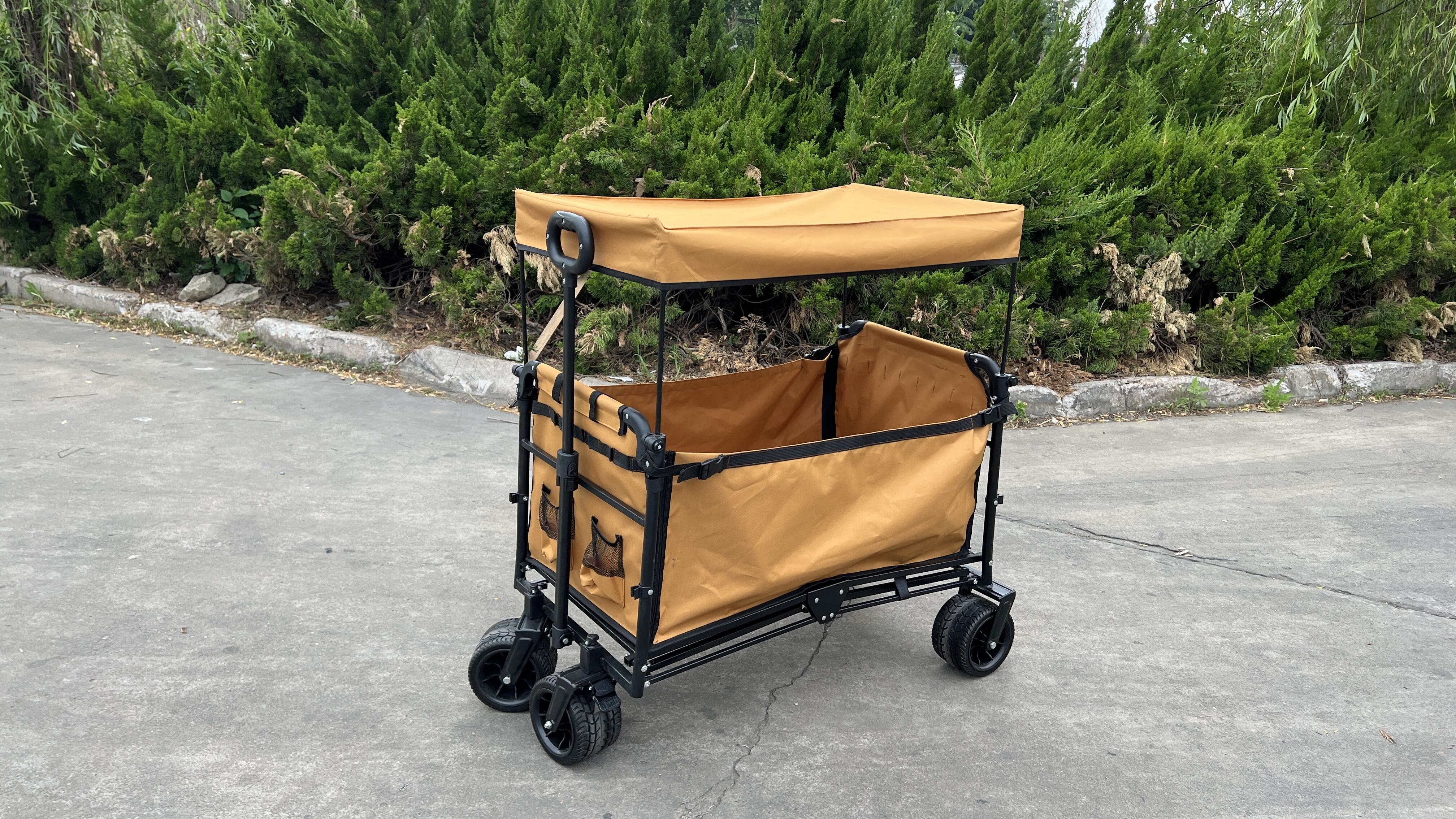
Selecting a durable rolling platform cart supplier for your factory operations requires a strategic approach that balances quality, reliability, and operational compatibility. Factory environments demand material handling solutions that can withstand daily wear, support heavy loads, and integrate seamlessly into existing workflows. The wrong supplier choice can lead to frequent equipment failures, safety hazards, production delays, and ultimately increased operational costs. Understanding how to evaluate potential suppliers based on tangible criteria rather than marketing claims is essential for procurement professionals and facility managers who need to make informed decisions that protect their investment and support long-term productivity goals.
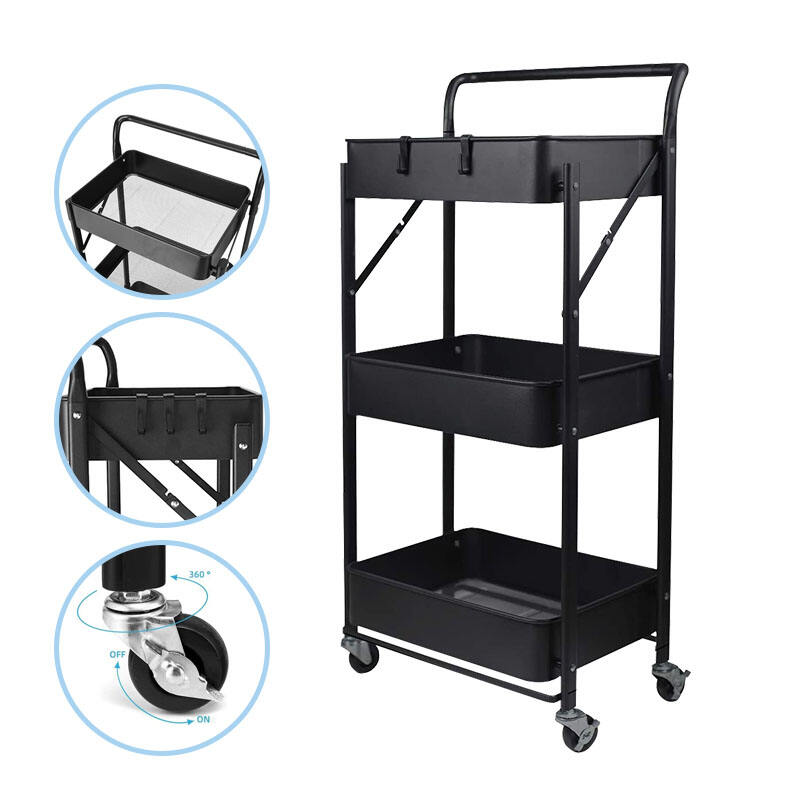
The supplier selection process becomes even more critical when you consider that a rolling platform cart is not merely a commodity purchase but a functional component of your material handling system. Different factory environments present unique challenges such as temperature extremes, chemical exposure, floor surface variations, and load distribution requirements. A supplier who understands these industrial contexts and can provide application-specific guidance delivers value far beyond the initial transaction. This article outlines a comprehensive framework for evaluating and selecting a rolling platform cart supplier who can meet your factory's durability requirements while providing ongoing support that extends the useful life of your equipment and maximizes return on investment.
Understanding Supplier Manufacturing Capabilities and Quality Standards
Evaluating Production Infrastructure and Technical Expertise
The manufacturing capabilities of a rolling platform cart supplier directly influence product durability and consistency. Suppliers with dedicated production facilities equipped with modern welding equipment, precision cutting tools, and automated assembly lines typically produce more reliable carts than those relying on outsourced manufacturing or manual assembly methods. When assessing a potential supplier, request detailed information about their production processes, quality control checkpoints, and material sourcing practices. Suppliers who maintain direct control over manufacturing can implement tighter tolerances, ensure consistent weld quality, and quickly address design modifications based on customer feedback.
Technical expertise within the supplier organization reveals their capacity to support complex applications and troubleshoot performance issues. Look for engineering teams that understand load dynamics, material science, and ergonomic design principles. A supplier with strong technical capabilities can help you specify the appropriate rolling platform cart configuration for your specific factory conditions, including proper wheel selection for your floor surfaces, frame design for your load patterns, and material choices for your environmental exposure. This expertise becomes particularly valuable when you encounter unusual requirements or need to integrate the cart system with automated material handling equipment.
Certification Standards and Testing Protocols
Quality certifications provide objective evidence of a supplier's commitment to manufacturing standards and process control. ISO 9001 certification indicates that the supplier follows documented quality management systems with regular internal audits and continuous improvement processes. For rolling platform cart applications in certain industries, additional certifications such as ISO 14001 for environmental management or industry-specific safety certifications may be relevant. Request copies of current certification documents and verify their validity with the issuing bodies to ensure authenticity.
Beyond certifications, investigate the supplier's testing protocols for durability validation. Reputable suppliers conduct load testing that exceeds rated capacities, fatigue testing that simulates years of use, and environmental testing that exposes carts to temperature extremes, humidity, and corrosive substances. Ask for test reports, failure analysis documentation, and data on mean time between failures for their rolling platform cart models. Suppliers who invest in comprehensive testing programs demonstrate confidence in their products and provide you with quantifiable reliability metrics that support informed purchasing decisions.
Assessing Material Quality and Construction Methods
Frame Materials and Structural Integrity
The durability of a rolling platform cart begins with the materials used in frame construction. Steel frames offer superior strength and load capacity, with variations in gauge thickness, steel grade, and treatment processes significantly affecting longevity. A supplier using heavy-gauge steel with powder coating or galvanization provides better corrosion resistance than one using thin-gauge painted steel. Request detailed specifications on steel grades, frame thickness measurements, and surface treatment methods. For factories with exposure to moisture, chemicals, or outdoor conditions, stainless steel or specially treated aluminum frames may justify their higher initial cost through extended service life.
Construction methods reveal much about long-term structural integrity. Welded frame joints generally provide superior strength compared to bolted connections, though bolted designs offer easier repair and modification. Examine how the supplier reinforces stress points where the platform meets the frame, where handles attach, and where wheel mounts connect. A quality rolling platform cart supplier will use continuous welds, reinforcement plates, and strategic gussets at high-stress locations. Request samples or visit facilities where you can physically inspect weld quality, joint design, and overall construction robustness before committing to large orders.
Wheel and Caster Selection Criteria
Wheel and caster systems represent the most frequent failure points in rolling platform cart applications, making supplier expertise in this area critical. Different wheel materials suit different factory environments with polyurethane wheels offering floor protection and quiet operation, while rubber wheels provide cushioning and grip, and phenolic or nylon wheels deliver durability on rough surfaces. A knowledgeable supplier will ask detailed questions about your floor surfaces, typical loads, rolling distances, and turning radius requirements before recommending specific wheel configurations.
Caster quality determines both maneuverability and longevity. Industrial-grade casters feature sealed precision bearings, reinforced mounting plates, and robust swivel mechanisms that maintain smooth operation under heavy loads. Examine the supplier's caster specifications for bearing type, load ratings per wheel, and swivel head construction. The best suppliers offer various caster configurations including rigid wheels for directional stability, swivel wheels for maneuverability, and locking mechanisms for stationary positioning. They should also provide guidance on optimal wheel placement patterns that balance stability with ease of movement based on your typical rolling platform cart loading patterns.
Analyzing Supplier Track Record and Customer Support Infrastructure
Industry Experience and Reference Verification
A supplier's track record in factory environments similar to yours provides valuable insight into their ability to deliver durable rolling platform cart solutions. Suppliers with extensive experience in your specific industry understand the unique challenges you face and can anticipate potential issues before they occur. Request case studies or reference accounts from factories with comparable operations, load requirements, and environmental conditions. Contact these references directly to inquire about product performance over time, supplier responsiveness to issues, and overall satisfaction with the partnership.
When evaluating references, ask specific questions about durability metrics such as how long the carts have been in service, what maintenance has been required, whether any structural failures have occurred, and how the supplier responded to problems. References who report minimal maintenance requirements and multi-year service life without significant degradation indicate a supplier who delivers genuine durability. Conversely, references who describe frequent repairs, premature component failures, or unresponsive customer service suggest you should continue your supplier search regardless of attractive pricing or marketing materials.
After-Sales Support and Replacement Parts Availability
The relationship with your rolling platform cart supplier extends well beyond the initial purchase, making after-sales support infrastructure a critical selection criterion. Evaluate whether the supplier maintains adequate inventory of replacement parts including wheels, casters, handles, and platform surfaces. Suppliers who stock comprehensive parts inventories enable rapid repairs that minimize equipment downtime, while those requiring extended lead times for replacement components can leave your carts out of service for weeks. Ask about typical parts delivery timeframes, whether they offer emergency expediting options, and if they maintain regional distribution centers for faster fulfillment.
Technical support capabilities determine how effectively you can resolve performance issues and optimize cart utilization. Quality suppliers provide accessible technical staff who can diagnose problems remotely, recommend solutions, and provide guidance on maintenance best practices. Some suppliers offer training programs that teach your maintenance team proper inspection techniques, preventive maintenance schedules, and basic repair procedures. This knowledge transfer extends equipment life and reduces total cost of ownership. Evaluate the supplier's support channels including phone availability, email response times, and whether they provide dedicated account management for larger customers requiring ongoing consultation.
Comparing Cost Structures and Value Propositions
Total Cost of Ownership Analysis
While initial purchase price remains an important factor, durability-focused supplier selection requires total cost of ownership analysis that accounts for maintenance expenses, replacement frequency, and operational efficiency impacts. A rolling platform cart with a lower upfront cost but shorter service life and higher maintenance requirements often proves more expensive over a five or ten-year period than a premium product from a quality-focused supplier. Calculate projected costs including purchase price, expected maintenance labor and parts, anticipated replacement timeline, and productivity losses from equipment downtime.
Request warranty terms that reflect the supplier's confidence in their product durability. Comprehensive warranties covering frame integrity, weld quality, and component performance for multiple years indicate a supplier who stands behind their manufacturing quality. Compare warranty coverage across potential suppliers, noting exclusions, claim procedures, and whether coverage includes labor costs or only parts replacement. Some suppliers offer extended warranty options or service agreements that provide scheduled maintenance and priority parts access, which can be valuable for high-utilization factory environments where cart reliability directly impacts production continuity.
Volume Pricing and Customization Flexibility
Suppliers who offer transparent volume pricing structures enable better budget planning and may provide opportunities for significant cost savings on larger orders. Evaluate whether the supplier provides tiered pricing based on order quantities and whether they can accommodate phased deliveries that align with your factory expansion plans or budget cycles. Some suppliers require minimum order quantities that may not suit smaller facilities or pilot programs, while others work with factories of all sizes. Understanding these parameters upfront prevents surprises during the procurement process.
Customization capabilities allow you to optimize rolling platform cart specifications for your exact requirements rather than compromising with standard configurations. Suppliers with in-house design and fabrication capabilities can modify platform dimensions, add specialized features like dividers or containment edges, incorporate custom handle designs, or apply specific finish options that enhance durability in your environment. Discuss customization options early in the supplier evaluation process, including associated costs, minimum quantities for custom orders, and lead time implications. The ability to tailor cart specifications to your application often justifies slightly higher costs through improved operational efficiency and extended equipment life.
Evaluating Communication and Partnership Approach
Responsiveness and Proactive Consultation
The quality of communication during the supplier selection process often predicts the quality of the ongoing relationship. Suppliers who respond promptly to inquiries, provide detailed answers to technical questions, and proactively offer application guidance demonstrate the customer-focused approach that supports long-term partnerships. Evaluate how potential suppliers handle your initial contact by noting response times, thoroughness of information provided, and whether they ask clarifying questions about your specific factory requirements rather than simply pushing standard product offerings.
Proactive suppliers contribute value beyond order fulfillment by identifying potential issues before they become problems and suggesting optimizations based on their broader industry experience. During the evaluation process, assess whether the supplier asks about your material flow patterns, operator ergonomics concerns, maintenance capabilities, and future expansion plans. Suppliers who invest time understanding your operation can recommend rolling platform cart solutions that integrate smoothly into existing systems and scale with your growth. This consultative approach indicates a partnership mentality rather than a transactional sales focus.
Transparency in Capabilities and Limitations
Trustworthy suppliers clearly communicate both what they can deliver and what falls outside their capabilities. Be cautious of suppliers who claim their rolling platform cart models suit every conceivable application or who provide vague responses when questioned about specific technical details. Honest suppliers acknowledge when your requirements exceed their standard offerings and either propose feasible modifications or recommend you consider alternative solutions. This transparency prevents mismatched expectations that lead to performance disappointments and relationship strain.
During supplier discussions, present challenging scenarios or edge case applications to gauge their technical honesty and problem-solving approach. Quality suppliers will carefully analyze whether their products suit these applications, potentially recommending design modifications or suggesting you explore specialized alternatives if their standard rolling platform cart models cannot safely meet the requirements. Suppliers who readily commit to applications beyond their proven capabilities without thorough analysis often overpromise and underdeliver, creating operational disruptions when equipment fails to perform as expected.
FAQ
What load capacity should I specify when selecting a rolling platform cart supplier?
Load capacity specifications should include a safety margin beyond your typical loads to account for occasional overloading and to reduce stress on components, extending cart life. Calculate your maximum anticipated load, then select a rolling platform cart rated for at least twenty-five to fifty percent higher capacity. Discuss load distribution patterns with suppliers since concentrated loads create different stress patterns than evenly distributed weights. Reputable suppliers will provide guidance on appropriate capacity ratings based on your specific application requirements and usage frequency.
How can I verify the actual durability of a supplier's rolling platform cart before committing to a large order?
Request sample units for extended trial periods in your actual factory environment under real working conditions. Monitor performance over several weeks or months, noting any loosening of components, wheel wear patterns, structural deformation, or operational issues. Document maintenance required and compare actual performance against supplier claims. Additionally, contact existing customers in similar industries and ask specific questions about long-term durability, maintenance frequency, and whether the carts have maintained their performance characteristics over time. Physical testing in your environment provides the most reliable durability validation.
Should I prioritize local suppliers over distant manufacturers when selecting a rolling platform cart provider?
Location matters primarily in terms of parts availability, shipping costs, and support responsiveness rather than as an absolute criterion. Local suppliers may offer faster delivery of replacement parts and easier on-site consultation, which can be valuable for complex applications or high-volume operations. However, distant suppliers with superior product quality, comprehensive remote support capabilities, and efficient logistics may provide better overall value. Evaluate each supplier based on total cost of ownership, product durability, and support infrastructure rather than proximity alone. Some factories successfully partner with distant suppliers who maintain regional parts distribution or offer expedited shipping for critical components.
What red flags should make me reconsider a rolling platform cart supplier during the selection process?
Several warning signs indicate potential supplier problems including reluctance to provide detailed specifications or test data, inability to supply customer references, vague or contradictory responses to technical questions, pressure to commit without adequate evaluation time, and significant price discrepancies without clear explanation of cost differences. Additionally, be cautious of suppliers who cannot clearly articulate their manufacturing processes, quality control procedures, or warranty claim processes. Suppliers who lack in-house technical expertise or rely entirely on generic product catalogs without application-specific guidance often cannot support the complex requirements of demanding factory environments where rolling platform cart durability is critical.
Table of Contents
- Understanding Supplier Manufacturing Capabilities and Quality Standards
- Assessing Material Quality and Construction Methods
- Analyzing Supplier Track Record and Customer Support Infrastructure
- Comparing Cost Structures and Value Propositions
- Evaluating Communication and Partnership Approach
-
FAQ
- What load capacity should I specify when selecting a rolling platform cart supplier?
- How can I verify the actual durability of a supplier's rolling platform cart before committing to a large order?
- Should I prioritize local suppliers over distant manufacturers when selecting a rolling platform cart provider?
- What red flags should make me reconsider a rolling platform cart supplier during the selection process?

