 EN
EN

Commercial operations in landscaping, nurseries, horticulture facilities, and institutional groundskeeping face a critical decision when equipping their teams with the right tools for prolonged outdoor work. Unlike residential gardeners who may tolerate occasional discomfort, commercial enterprises must prioritize worker efficiency, safety compliance, and long-term equipment durability. Selecting the appropriate garden cart work seat for commercial use involves evaluating multiple technical specifications, operational requirements, and cost-performance ratios that directly impact productivity and workforce wellness. Companies that approach this decision systematically can reduce injury claims, improve task completion rates, and extend equipment lifecycle while maintaining budget discipline across seasonal labor demands.
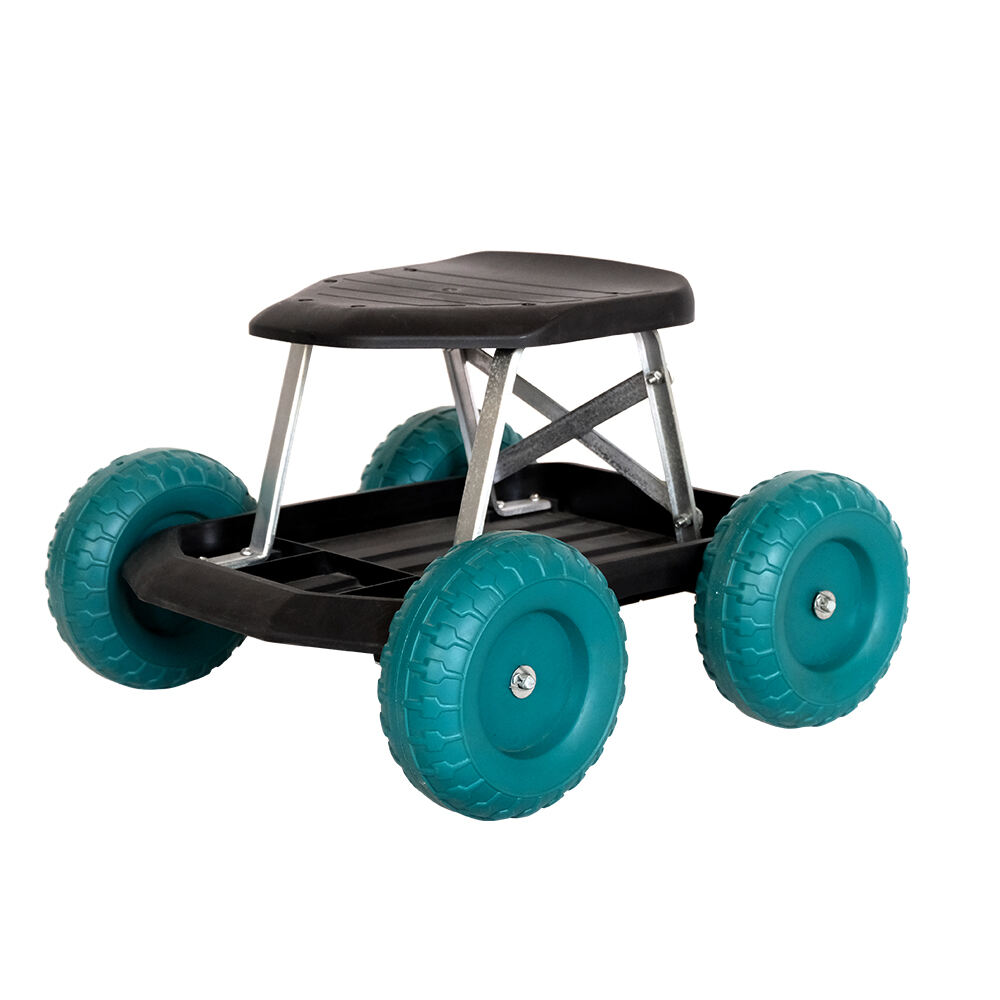
The selection process for commercial-grade garden cart work seats differs fundamentally from consumer purchasing patterns because businesses must account for multi-user environments, diverse terrain conditions, regulatory compliance standards, and total cost of ownership calculations that extend beyond initial purchase price. Professional procurement teams analyze weight capacity thresholds, material composition durability, ergonomic design certifications, storage footprint efficiency, and maintenance accessibility when comparing competing models. This comprehensive evaluation framework ensures that the chosen garden cart work seat aligns with operational workflows, meets occupational health standards, and delivers measurable return on investment through reduced worker fatigue and equipment replacement cycles.
Load Capacity and Structural Integrity Assessment
Weight Tolerance Requirements for Multi-User Environments
Commercial facilities must establish minimum weight capacity standards that accommodate their entire workforce demographic rather than average user profiles. A garden cart work seat specified for professional use typically requires certification for loads between 250 to 350 pounds, accounting for equipment vests, tool belts, seasonal protective gear, and diverse body types across seasonal and permanent staff. Facilities operating in regions with extreme weather conditions should calculate additional load factors for winter clothing layers or hydration pack systems that workers carry during extended outdoor shifts. Procurement specifications should mandate third-party load testing documentation rather than relying solely on manufacturer claims, particularly for welded joints, axle mounting points, and seat platform attachment systems that experience repeated stress cycles.
Frame construction methods directly determine whether a garden cart work seat maintains structural integrity under continuous commercial use across multiple seasons. Tubular steel frames with minimum 16-gauge wall thickness and powder-coat finishes provide superior corrosion resistance compared to painted mild steel alternatives that deteriorate rapidly in irrigation-heavy environments. Aluminum alloy frames offer weight advantages for facilities prioritizing transport efficiency between work zones, though procurement teams must verify that temper designations meet commercial durability standards rather than residential-grade specifications. The seat platform mounting system represents a critical failure point in commercial applications, requiring bolted connections with lock washers or riveted assemblies rather than snap-fit plastic attachments that separate under continuous loading conditions.
Terrain Adaptability and Wheel System Performance
Professional groundskeeping operations encounter diverse surface conditions throughout single work shifts, demanding wheel systems engineered for transitions between paved walkways, gravel paths, soil beds, and sloped terrain without tipping hazards or excessive user effort. A commercial-grade garden cart work seat should feature pneumatic tires with minimum 10-inch diameter and turf-friendly tread patterns that distribute weight effectively across soft ground while maintaining directional stability on hardscape surfaces. Facilities managing large acreage or uneven topography benefit from models incorporating differential wheel spacing or swivel-lock mechanisms that enhance maneuverability around landscape obstacles while preventing unintended rolling on inclines.
Wheel bearing quality separates commercial-grade garden cart work seats from consumer models that fail prematurely under daily use patterns involving extended rolling distances and frequent direction changes. Sealed ball bearing assemblies with corrosion-resistant housings maintain smooth operation despite exposure to irrigation spray, fertilizer residue, and seasonal temperature fluctuations that degrade unsealed bushing systems within months of deployment. Companies operating in coastal or high-humidity regions should specify stainless steel axle components and bearing races to prevent rust seizure that renders equipment immobile and creates safety hazards when workers attempt forced movement of locked wheels.
Ergonomic Design Features and Worker Safety Compliance
Seated Posture Support and Fatigue Reduction Engineering
Occupational health regulations increasingly require employers to minimize musculoskeletal injury risks associated with prolonged kneeling, squatting, or bending during ground-level tasks performed across eight-hour shifts. A properly engineered garden cart work seat positions workers at ergonomically appropriate heights for weeding, planting, pruning, and inspection activities while distributing body weight across seat surfaces designed to prevent pressure point discomfort. Seat contours incorporating lumbar support curves and waterfall edge profiles reduce lower back strain and promote circulation during extended sitting periods, directly correlating with reduced injury claim rates and improved task completion efficiency in documented case studies.
Commercial buyers should evaluate seat cushion specifications beyond superficial comfort assessments, examining foam density ratings, moisture-wicking fabric treatments, and UV degradation resistance that determine long-term performance under outdoor exposure conditions. High-density polyethylene seat platforms with drainage perforations prevent water accumulation during rain events or irrigation overlap, eliminating the soaked cushion problem that forces workers to stand unnecessarily and reduces equipment utilization rates. Removable seat cushions with industrial-grade hook-and-loop fasteners facilitate periodic cleaning and replacement without requiring complete unit disposal, extending overall equipment lifecycle and reducing total ownership costs across multi-year budgeting cycles.
Stability Engineering and Tip-Over Prevention Systems
Workplace safety officers prioritize garden cart work seat models demonstrating documented stability performance across anticipated use scenarios, including operation on slopes, reaching movements while seated, and transitions between sitting and standing positions. Center-of-gravity calculations should account for worst-case loading conditions where users lean forward or laterally while accessing plants or materials beyond the seat perimeter, requiring wheelbase dimensions and track width specifications that prevent tipping even under asymmetric weight distribution. Commercial models incorporating low-profile seat heights relative to wheel diameter reduce rollover risk while maintaining adequate ground clearance for traversing landscape bed edges and curb transitions.
Anti-tip design features such as wide-stance wheel configurations, rear stability bars, or ballast compartments provide additional safety margins for operations involving slopes or uneven terrain where conventional garden cart work seats might present hazards. Facilities conducting risk assessments should reference ANSI stability standards applicable to mobile work platforms and wheeled equipment used in landscaping contexts, ensuring selected models meet or exceed published tilt angle thresholds. Documentation of stability testing protocols and certification from recognized testing laboratories strengthens liability protection and demonstrates due diligence in equipment selection processes that may be scrutinized following workplace incidents.
Material Durability and Environmental Resistance Factors
Corrosion Protection and Weather Exposure Tolerance
Commercial garden cart work seats operate year-round in environments characterized by moisture exposure, chemical contact, and temperature extremes that rapidly degrade materials lacking appropriate protective treatments. Frame materials require multi-layer corrosion barriers combining zinc phosphate pre-treatment, electrostatically applied powder coating, and UV-stabilized topcoat formulations that maintain adhesion and flexibility through seasonal expansion-contraction cycles. Procurement specifications should mandate minimum coating thickness measurements and salt spray testing certifications demonstrating resistance to chloride exposure in coastal facilities or winter salt application zones.
Plastic components used in seat platforms, tool trays, or accessory attachments must incorporate UV inhibitors and impact modifiers that prevent embrittlement under continuous sunlight exposure and mechanical shock events common in commercial handling environments. High-density polyethylene and polypropylene formulations rated for outdoor service life exceeding five years outperform general-purpose plastics that crack or fade within single seasons, requiring premature replacement and disrupting operational budgets. Chemical resistance becomes critical for facilities using fertilizers, pesticides, or cleaning agents that contact garden cart work seat surfaces during normal operations, necessitating material compatibility verification against facility-specific chemical inventories.
Component Replaceability and Maintenance Accessibility
Total cost of ownership calculations for commercial equipment must account for maintenance labor requirements and replacement part availability throughout expected service lifecycles extending five to ten years. A well-designed garden cart work seat incorporates modular components with standardized fasteners, published part numbers, and manufacturer commitments to long-term spare parts inventory rather than proprietary assemblies requiring complete unit replacement upon component failure. Wheel assemblies using common bearing sizes, seats mounted with standard bolt patterns, and frames accepting universal accessory attachments reduce maintenance complexity and enable in-house repair capabilities that minimize equipment downtime.
Facilities management teams should evaluate manufacturer service documentation quality, including exploded assembly diagrams, torque specifications, and preventive maintenance schedules that enable systematic inspection and component replacement by grounds maintenance staff. Garden cart work seat models designed with tool-free wheel removal, accessible grease fittings on bearing assemblies, and removable seat platforms facilitate field maintenance during operational hours rather than requiring workshop transport and extended out-of-service periods. Vendor commitments to direct parts fulfillment with defined lead times and pricing stability protect against obsolescence risks that strand equipment investments when critical components become unavailable.
Operational Efficiency and Workflow Integration Considerations
Storage Density and Fleet Management Optimization
Commercial operations managing multiple garden cart work seat units must consider storage footprint requirements during off-season periods or daily securing protocols in facilities with limited secure storage space. Stackable designs or nesting geometries that reduce vertical storage height enable efficient warehouse utilization while protecting equipment from weather exposure and theft risks. Folding frame mechanisms or removable wheel assemblies provide storage volume reduction for mobile crews transporting equipment between dispersed work sites, though procurement teams must verify that connection systems maintain structural integrity through repeated assembly-disassembly cycles without developing play or misalignment.
Fleet identification systems incorporating durable asset tags, color-coding schemes, or embedded RFID tracking enable efficient equipment management across large facilities or contractor operations deploying garden cart work seats to multiple job sites simultaneously. Standardized models across entire fleets simplify operator training, parts inventory management, and preventive maintenance scheduling compared to mixed equipment populations requiring specialized knowledge and component stocks. Volume purchasing of identical garden cart work seat specifications typically yields supplier discounts while ensuring performance consistency and eliminating worker preferences for specific units that complicate fair equipment allocation.
Accessory Integration and Task-Specific Adaptation
Professional landscaping operations benefit from garden cart work seat platforms designed to accept modular tool trays, storage bins, or specialized attachments that enhance task efficiency without requiring workers to make repeated trips to central supply locations. Standardized mounting rails or bolt patterns enable facilities to configure units for specific applications such as spring planting operations requiring seed packet organization, pruning tasks needing collection bins for debris, or inspection work demanding clipboard and measurement tool storage. Compatibility with aftermarket accessory ecosystems provides operational flexibility as workflow requirements evolve across seasonal cycles or when facilities expand service offerings.
Towing capability represents an additional selection criterion for large-scale operations where garden cart work seats double as transport platforms for materials, tools, or harvested products between work zones and processing areas. Models incorporating reinforced hitch points or drawbar attachments compatible with utility vehicles enable dual-purpose utilization that maximizes equipment investment returns. Procurement teams should verify that towed operation does not compromise stability or exceed manufacturer weight ratings, requesting documentation of braking requirements and maximum towing speed limitations to ensure safe integration with existing fleet vehicles and operational protocols.
Cost Analysis and Vendor Evaluation Frameworks
Total Ownership Cost Calculation Methodology
Financial analysis of garden cart work seat investments extends beyond initial purchase price to encompass warranty coverage terms, expected service life, maintenance cost projections, and replacement cycle planning. Commercial buyers should develop standardized cost-per-use metrics incorporating anticipated utilization hours, operator headcount, and facility acreage to enable objective comparison between models at different price points. A premium garden cart work seat with superior durability and lower maintenance requirements may demonstrate better five-year economics than budget alternatives requiring frequent repairs or premature replacement despite higher upfront acquisition costs.
Warranty provisions merit careful evaluation, with commercial-grade coverage typically offering minimum two-year protection against manufacturing defects, frame structural failures, and wheel assembly malfunctions under normal use conditions. Buyers should clarify warranty exclusions related to wear items such as seat cushions or tires, understand claims procedures including required documentation and repair authorization processes, and verify whether coverage extends to labor costs or only replacement parts. Vendor commitments to local service networks or depot repair capabilities reduce equipment downtime compared to manufacturers requiring end-user shipment to distant facilities for warranty service.
Supplier Qualification and Performance Verification
Institutional procurement policies often require formal supplier evaluation processes examining financial stability, quality management certifications, and customer reference verification before approving garden cart work seat vendors for purchase order issuance. Companies should request documentation of ISO 9001 quality system registration, evidence of product liability insurance coverage meeting institutional minimums, and references from comparable commercial operations that have deployed identical models under similar use conditions. Site visits to manufacturer facilities or authorized distributors provide insights into inventory depth, technical support capabilities, and organizational commitment to commercial market segments versus consumer-focused businesses.
Performance bonds or delivery guarantees become relevant for large-volume orders where delayed or incomplete shipments disrupt seasonal operations dependent on adequate garden cart work seat availability for crew deployment. Formal contracts should specify delivery schedules with liquidated damages provisions, quality inspection rights allowing rejection of non-conforming units, and pricing stability commitments for multi-year supply agreements that protect against mid-contract cost escalations. Establishing preferred vendor relationships with qualified suppliers yields long-term benefits including priority allocation during supply constraints, customization opportunities for facility-specific requirements, and collaborative problem-solving when operational challenges emerge during equipment deployment.
FAQ
What weight capacity should commercial garden cart work seats support for multi-user environments?
Commercial garden cart work seats should support minimum weight capacities between 250 to 350 pounds to accommodate diverse user body types, seasonal protective equipment, tool belts, and safety gear worn during professional landscaping operations. This specification ensures safe operation across entire workforce demographics rather than average user weights, reducing liability risks and preventing premature structural failures in multi-shift commercial environments where equipment experiences continuous daily use by different operators.
How do wheel systems affect garden cart work seat performance on varied terrain?
Wheel diameter, tread pattern design, and bearing quality directly determine whether garden cart work seats maintain stability and maneuverability across mixed surfaces including paved walkways, gravel paths, soil beds, and sloped terrain encountered in commercial landscaping operations. Pneumatic tires with minimum 10-inch diameter and sealed ball bearing assemblies provide optimal performance, distributing user weight effectively while resisting corrosion from irrigation exposure and maintaining smooth rolling action through thousands of operational cycles typical in professional groundskeeping environments.
What material specifications ensure long-term durability in outdoor commercial use?
Commercial-grade garden cart work seats require tubular steel frames with powder-coat finishes, high-density polyethylene seat platforms incorporating UV stabilizers, and corrosion-resistant hardware to withstand continuous outdoor exposure, chemical contact from fertilizers and pesticides, and mechanical stresses from daily loading cycles. Material certifications should demonstrate salt spray testing compliance, impact resistance at temperature extremes, and coating adhesion standards that prevent degradation across multi-year service lifecycles typical of institutional equipment budgeting cycles.
How does ergonomic design impact worker productivity and safety compliance?
Properly engineered garden cart work seats reduce musculoskeletal injury risks by positioning workers at appropriate heights for ground-level tasks while providing lumbar support and pressure distribution that minimize fatigue during eight-hour shifts. Ergonomic features directly correlate with reduced injury claim rates, improved task completion efficiency, and regulatory compliance with occupational health standards requiring employers to minimize prolonged kneeling or awkward postures, making design specifications critical factors in commercial equipment selection decisions beyond simple cost comparisons.
Table of Contents
- Load Capacity and Structural Integrity Assessment
- Ergonomic Design Features and Worker Safety Compliance
- Material Durability and Environmental Resistance Factors
- Operational Efficiency and Workflow Integration Considerations
- Cost Analysis and Vendor Evaluation Frameworks
-
FAQ
- What weight capacity should commercial garden cart work seats support for multi-user environments?
- How do wheel systems affect garden cart work seat performance on varied terrain?
- What material specifications ensure long-term durability in outdoor commercial use?
- How does ergonomic design impact worker productivity and safety compliance?

