 EN
EN

OEM customization of rolling garden work seats with storage trays offers manufacturers, distributors, and retailers the strategic advantage of tailoring products to specific market demands, branding requirements, and functional specifications. Understanding the full spectrum of customization options enables businesses to differentiate their product lines, meet diverse customer preferences across regional markets, and optimize manufacturing workflows for cost-efficiency and scalability. This comprehensive exploration examines the technical, aesthetic, and functional dimensions of customizing these ergonomic gardening solutions, providing actionable insights for procurement professionals and product development teams navigating the OEM partnership landscape.
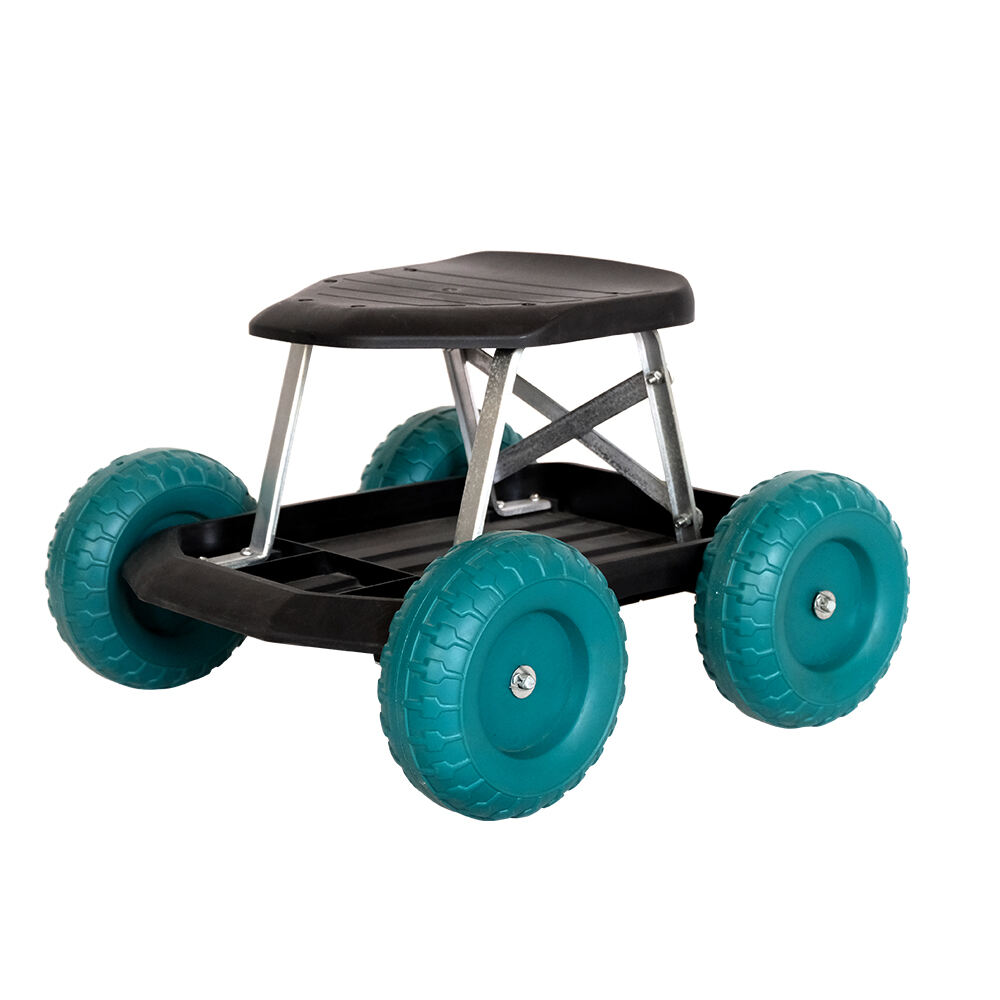
The customization process for a rolling garden work seat with storage tray encompasses multiple interdependent variables including structural materials, dimensional specifications, color palettes, branding elements, functional accessories, and packaging design. Effective OEM partnerships require clear communication of technical requirements, understanding of manufacturing constraints, and strategic alignment between brand positioning and product features. By leveraging flexible manufacturing capabilities and modular design principles, businesses can create distinctive product variants that address specific user pain points while maintaining cost-effective production volumes and consistent quality standards across batch orders.
Structural and Material Customization Options
Frame Material Selection and Finishing Treatments
The foundational customization decision for any rolling garden work seat with storage tray involves selecting the primary frame material and its surface treatment. Steel frames offer superior load-bearing capacity and durability, typically supporting weight capacities ranging from 250 to 400 pounds depending on gauge thickness and structural reinforcement design. Powder coating in custom color formulations provides corrosion resistance while enabling brand-specific color matching to existing product lines or market preferences. Alternative finishing options include galvanized treatments for enhanced outdoor durability, chrome plating for premium aesthetic appeal, or textured paint finishes that resist scratching and wear in high-use environments.
Aluminum alloy frames represent an increasingly popular customization option for weight-sensitive applications, reducing overall product weight by approximately 30-40% compared to steel equivalents while maintaining adequate structural integrity for residential gardening tasks. Anodized aluminum finishes allow for color customization while providing excellent weather resistance without the thickness of powder coating. The material choice directly impacts shipping costs, retail price positioning, and target market alignment, with steel frames typically serving budget-conscious segments and aluminum options appealing to premium or mobility-focused customer demographics.
Seat Platform Materials and Ergonomic Modifications
Customizing the seat platform of a rolling garden work seat with storage tray extends beyond simple color selection to encompass material composition, thickness specifications, cushioning integration, and ergonomic contouring. High-density polyethylene remains the standard choice for durability and weather resistance, but customization options include UV-stabilized formulations in region-specific pigments, textured surface patterns for enhanced grip, and contoured molding that accommodates different body types and prolonged sitting comfort. Seat thickness typically ranges from 8mm to 15mm, with thicker profiles offering improved rigidity and comfort but increasing material costs proportionally.
Advanced customization approaches incorporate removable cushion systems with moisture-resistant fabric coverings, allowing end-users to personalize comfort levels while expanding the product's perceived value. Some OEM manufacturers offer dual-density foam cushioning with waterproof vinyl or polyester covers in multiple color options, creating premium product variants without requiring completely separate production lines. Seat dimension customization, including width adjustments from 12 to 16 inches and depth modifications from 10 to 14 inches, enables targeting of specific user demographics or accommodation of cultural preferences in different export markets.
Storage Tray Design and Compartmentalization
The storage tray represents a critical functional element where customization directly impacts user experience and product differentiation. Tray depth customization typically ranges from 2 to 5 inches, with deeper configurations accommodating larger hand tools while shallower designs reduce overall product height for easier storage and transportation. Compartment layout customization allows for tool-specific organization, with options including integrated tool holders, removable divider systems, and dedicated slots for common gardening implements such as pruners, trowels, and seed packets.
Material selection for the storage tray mirrors frame options, with powder-coated steel providing durability and plastic alternatives offering lighter weight and molded compartmentalization features. Custom drain hole configurations prevent water accumulation while mesh bottom inserts allow soil debris to fall through during use. Some customization approaches incorporate removable tray systems that convert the rolling garden work seat with storage tray into a simple mobile seat when storage functionality is temporarily unnecessary, enhancing product versatility and market appeal across different user scenarios.
Mobility System Customization and Performance Optimization
Wheel Configuration and Terrain Adaptability
Wheel customization fundamentally determines the performance characteristics of a rolling garden work seat with storage tray across different terrain types and usage environments. Standard configurations typically feature four swivel casters ranging from 8 to 12 inches in diameter, but customization options include wheel material composition, tread pattern design, bearing quality, and locking mechanism integration. Pneumatic rubber wheels provide superior cushioning and terrain adaptability for uneven ground, while solid polyurethane wheels offer maintenance-free operation and puncture resistance on smooth surfaces.
Advanced customization incorporates dual-wheel front configurations for enhanced stability, oversized rear wheels that facilitate easier rolling over obstacles, or tracked wheel assemblies for extreme terrain applications. Wheel width customization from 1.5 to 3 inches affects ground pressure distribution and sinking tendency on soft soil, while tread pattern selection influences traction on slopes and wet surfaces. Bearing quality specifications, ranging from standard stamped steel to sealed precision ball bearings, directly impact rolling smoothness, longevity, and price positioning of the finished product.
Steering and Maneuverability Features
Steering system customization enables tailoring the rolling garden work seat with storage tray to specific usage patterns and user skill levels. Full 360-degree swivel casters on all four wheels provide maximum maneuverability in confined spaces but may compromise stability on slopes. Customization options include locking rear wheels with full-swivel front wheels, creating a shopping-cart-style steering configuration that balances stability with directional control. Some OEM manufacturers offer adjustable swivel restriction mechanisms that users can modify based on terrain conditions and personal preference.
Handle integration represents another customization avenue, with pull-handle designs enabling the rolling garden work seat with storage tray to function as a garden cart when not being used for seated work. Handle material options include powder-coated steel tubing, cushioned foam grips, or ergonomic rubber handles with integrated hanging hooks for gloves or small tools. Telescoping handle mechanisms accommodate users of different heights while facilitating compact storage, though they add mechanical complexity and cost to the base product design.
Stability Enhancement and Safety Modifications
Safety-focused customization addresses stability concerns that arise from seated work on uneven terrain, particularly for elderly users or those with mobility limitations. Wheelbase width customization, typically ranging from 14 to 20 inches, directly affects tip-over resistance, with wider configurations providing greater stability at the expense of maneuverability through narrow garden rows. Low center-of-gravity designs that position the seat closer to the ground enhance stability but may compromise ease of sitting and standing for users with limited mobility.
Additional safety customizations include integrated parking brake systems that lock multiple wheels simultaneously, anti-tip stabilizer bars that extend beyond the wheelbase perimeter, and weight distribution indicators that help users load storage trays appropriately. Reflective striping or high-visibility color accents serve safety purposes in shared outdoor spaces, while rounded edge treatments on metal components reduce injury risk during handling and use. These safety-oriented customizations increasingly differentiate premium product offerings in mature markets where basic functionality has become commoditized.
Aesthetic Customization and Brand Identity Integration
Color Palette Development and Market Alignment
Color customization represents one of the most visible and cost-effective differentiation strategies for a rolling garden work seat with storage tray, directly influencing purchase decisions at retail and aligning products with brand identity or regional preferences. Standard color offerings typically include neutral tones such as black, gray, and beige that appeal to broad demographics, but custom color development enables targeting specific market segments or seasonal buying patterns. Powder coating technology accommodates virtually unlimited color matching using RAL or Pantone reference systems, though minimum order quantities typically increase with custom color specifications.
Strategic color selection considers factors including heat absorption in sunny climates, dirt visibility and maintenance perception, gender associations in target demographics, and complementary relationships with common garden equipment or outdoor furniture. Multi-color designs that combine frame colors with contrasting seat and tray elements create visual interest without requiring complex manufacturing processes. Some manufacturers offer color-matched wheel hubs, fastener caps, and accessory components that create cohesive visual presentations distinguishing premium product lines from value-oriented alternatives.
Logo Integration and Branding Elements
Brand identity integration transforms a generic rolling garden work seat with storage tray into a marketing asset that reinforces brand recognition and perceived value. Logo placement options include embossed or debossed molding in plastic seat components, adhesive decals on metal surfaces, laser engraving on frame tubing, or pad-printed graphics on storage trays. Permanent marking techniques such as molded logos or laser engraving resist weathering and maintain brand visibility throughout product lifespan, though they require higher setup costs and minimum order commitments.
Custom branding extends beyond simple logo placement to incorporate taglines, product names, instructional graphics, or QR codes linking to digital content such as assembly videos or companion product catalogs. Some OEM partners offer custom packaging design that transforms retail presentation into brand storytelling opportunities, with full-color carton printing, custom inserts with usage tips, and coordinated marketing materials that enhance perceived product value. Brand consistency across multiple product variations requires comprehensive style guides and regular communication with manufacturing partners to maintain quality standards.
Surface Textures and Finishing Details
Texture customization affects both aesthetic appeal and functional performance of the rolling garden work seat with storage tray. Seat surface textures range from smooth molded finishes to aggressive anti-slip patterns, with selection depending on climate conditions, typical clothing types worn during use, and target market preferences. Textured powder coat finishes on metal components provide grip surfaces for wet conditions while hiding minor scratches better than smooth finishes, though they may accumulate dirt more readily and require more involved cleaning.
Premium finishing touches include soft-touch rubber overmolding on handle grips, brushed metal accents on frame components, or contrasting stitching on cushioned accessories. These detail-oriented customizations create tactile differentiation that reinforces premium positioning and justifies higher retail prices. Finishing consistency across production batches requires strict quality control protocols and regular communication between design teams and manufacturing facilities, particularly when production spans multiple factory locations or involves component sourcing from various suppliers.
Functional Accessories and Modular Enhancement Systems
Integrated Tool Storage and Organization Accessories
Accessory customization expands the utility proposition of a rolling garden work seat with storage tray, transforming basic seating solutions into comprehensive mobile workstations. Custom tool holder configurations include magnetic strips for metal implements, elastic loops for handled tools, and molded pockets sized for specific gardening equipment categories. Some manufacturers offer modular accessory rails that accept interchangeable attachment systems, allowing end-users to customize organization layouts according to personal preferences or seasonal task requirements.
Beverage holder integration addresses extended outdoor work sessions, with insulated cup holders preventing drink spillage during movement across uneven terrain. Integrated waste bag holders facilitate garden cleanup tasks, while dedicated compartments for seed packets, plant labels, or smartphone devices enhance the rolling garden work seat with storage tray's role as a comprehensive gardening companion. Accessory attachment systems range from simple bolt-on brackets to sophisticated quick-release mechanisms that enable rapid reconfiguration without tools, with selection depending on target user technical sophistication and price positioning.
Weather Protection and Seasonal Adaptations
Customization for climate-specific applications ensures year-round utility and protects components from environmental degradation. UV-resistant plastic formulations prevent fading and brittleness in high-sun regions, while cold-impact-modified materials maintain flexibility in freezing temperatures. Drainage optimization through custom hole patterns and channel designs prevents water accumulation that leads to rust or ice formation, extending product lifespan in humid or winter-use environments.
Removable canopy attachments represent premium customization options that shield users from sun or light rain, with collapsible designs maintaining compact storage capabilities when weather protection is unnecessary. Some manufacturers offer seasonal accessory packages including cushioned seat covers for cold-weather comfort, reflective safety strips for low-light conditions, or mesh storage bag attachments that prevent tool loss while allowing airflow. These seasonal adaptation options create opportunities for accessory revenue streams and enhance perceived product value through demonstrated understanding of real-world usage challenges.
Conversion and Multi-Function Capabilities
Advanced customization strategies incorporate convertibility features that enable the rolling garden work seat with storage tray to serve multiple roles within garden equipment arsenals. Flip-seat designs that convert between forward-facing seated work and kneeling pad configurations accommodate different task ergonomics without requiring multiple separate tools. Removable storage trays that nest within frames during non-use reduce storage footprint, while fold-flat designs enable efficient shipping and retail display.
Tool-free assembly and disassembly mechanisms appeal to users with limited mechanical skills or storage space constraints, though they typically add cost and potential failure points compared to permanently assembled designs. Some customization approaches integrate adjustable height mechanisms using telescoping legs or position-locking pins, accommodating users of different statures or enabling bench-height work surfaces for potting and transplanting tasks. These multi-function capabilities require careful engineering to maintain structural integrity across configuration changes while keeping manufacturing complexity and costs within acceptable ranges for target market price points.
Production Specifications and Quality Assurance Protocols
Dimensional Tolerances and Fit Standards
Manufacturing customization for a rolling garden work seat with storage tray requires explicit dimensional specifications and tolerance ranges to ensure consistent fit, finish, and function across production runs. Critical dimensions including seat height, wheelbase width, storage tray depth, and weight capacity must be specified with appropriate tolerance bands, typically ranging from ±2mm for structural components to ±0.5mm for precision-fit elements such as bearing housings or snap-fit assemblies. Tighter tolerances improve assembly consistency and reduce quality issues but increase manufacturing costs and scrap rates.
Fit and finish standards govern surface quality expectations including acceptable scratch sizes, color matching parameters, weld appearance requirements, and fastener torque specifications. Establishing clear quality acceptance criteria prevents disputes during production and ensures delivered products meet brand standards. Some OEM agreements include pre-production sample approval processes where prototype units undergo rigorous testing and measurement verification before full production authorization, reducing the risk of large-batch quality failures that damage brand reputation and create costly rework situations.
Load Testing and Durability Verification
Custom performance specifications for the rolling garden work seat with storage tray should address load capacity, stability thresholds, and durability expectations under realistic use conditions. Static load testing verifies seat and frame strength under specified weights, typically with safety factors of 2-3 times the rated capacity. Dynamic testing simulates repeated sitting and rising cycles, rolling over obstacles, and lateral stress conditions that occur during normal garden use.
Accelerated aging protocols including UV exposure testing, temperature cycling, salt spray corrosion resistance, and moisture infiltration verification ensure long-term performance in diverse climate conditions. Custom testing protocols should align with target market environments, with enhanced corrosion testing for coastal regions, extreme temperature cycling for continental climates, and intensive UV exposure for tropical or high-altitude markets. Documentation of testing results and certification to relevant safety standards such as ASTM or EN specifications provides liability protection and supports premium positioning in quality-conscious market segments.
Packaging Design and Logistics Optimization
Packaging customization balances product protection, shipping efficiency, retail presentation, and environmental sustainability considerations. Custom-fitted corrugated packaging minimizes dimensional waste and reduces shipping costs, while protective foam inserts or inflatable air pillows prevent component damage during transit. Retail-ready packaging with full-color graphics, product photography, and feature callouts eliminates repackaging labor at distribution centers and enhances shelf presence in competitive retail environments.
Assembly state customization determines whether the rolling garden work seat with storage tray ships fully assembled, partially assembled, or as a flat-pack kit requiring end-user assembly. Fully assembled units command premium prices and reduce customer frustration but incur higher shipping costs due to larger dimensional weight. Flat-pack designs optimize container utilization and reduce freight expenses but require clear assembly instructions and may generate higher return rates from customers unable or unwilling to complete assembly. Strategic packaging decisions should align with target retail channels, price positioning, and competitive dynamics within specific market segments.
FAQ
What minimum order quantities typically apply when customizing a rolling garden work seat with storage tray?
Minimum order quantities for OEM customization vary significantly based on the extent of modifications requested. Simple color changes or logo additions typically require 500-1000 units per order, while structural modifications involving new molds or tooling may necessitate 2000-5000 unit commitments to justify setup costs. Some manufacturers offer lower minimums for initial trial orders with higher per-unit costs, allowing market testing before committing to full production volumes. Complex customizations involving multiple unique components or extensive testing protocols generally command higher minimum thresholds to achieve economically viable production runs.
How long does the typical OEM customization process take from specification to delivery?
The customization timeline for a rolling garden work seat with storage tray depends on modification complexity and production scheduling. Standard color changes with existing tooling typically require 45-60 days from order confirmation to delivery, including sample approval and production. Structural modifications requiring new molds or significant engineering work may extend timelines to 90-120 days, with additional time for prototyping and testing phases. Rush production is sometimes available at premium pricing, though it risks quality compromises and should be reserved for truly urgent market opportunities rather than poor planning. Building appropriate lead times into product launch schedules prevents costly air freight expenses and stockout situations.
Can multiple customization features be combined within a single production run?
Most OEM manufacturers accommodate multiple simultaneous customizations within reasonable complexity limits, though each additional variable typically increases per-unit costs and extends production timelines. Combining custom colors with logo integration and modified wheel configurations is generally straightforward, while simultaneously changing structural dimensions, materials, and accessory systems may strain production capabilities and quality control processes. Clear prioritization of critical customization features versus optional enhancements helps manufacturers optimize production efficiency. Some buyers successfully implement phased customization approaches, establishing production relationships with basic modifications before introducing more complex changes in subsequent orders once manufacturing partnerships mature.
What documentation should buyers provide to manufacturers when specifying customization requirements?
Comprehensive customization specifications should include detailed technical drawings with dimensional callouts and tolerance requirements, material specifications with relevant standards or brand names, color references using standardized systems like RAL or Pantone, logo artwork in vector formats, performance requirements including weight capacity and durability expectations, and quality acceptance criteria with objective measurement parameters. Photographic references of desired finishes, textures, or competitive products help manufacturers understand aesthetic expectations that may be difficult to communicate through technical documentation alone. Sample products from existing lines provide valuable reference points for fit, finish, and quality standards. Clear, thorough documentation at the specification stage prevents misunderstandings during production and reduces the likelihood of costly rework or rejected batches that damage business relationships and project timelines.
Table of Contents
- Structural and Material Customization Options
- Mobility System Customization and Performance Optimization
- Aesthetic Customization and Brand Identity Integration
- Functional Accessories and Modular Enhancement Systems
- Production Specifications and Quality Assurance Protocols
-
FAQ
- What minimum order quantities typically apply when customizing a rolling garden work seat with storage tray?
- How long does the typical OEM customization process take from specification to delivery?
- Can multiple customization features be combined within a single production run?
- What documentation should buyers provide to manufacturers when specifying customization requirements?

