 EN
EN

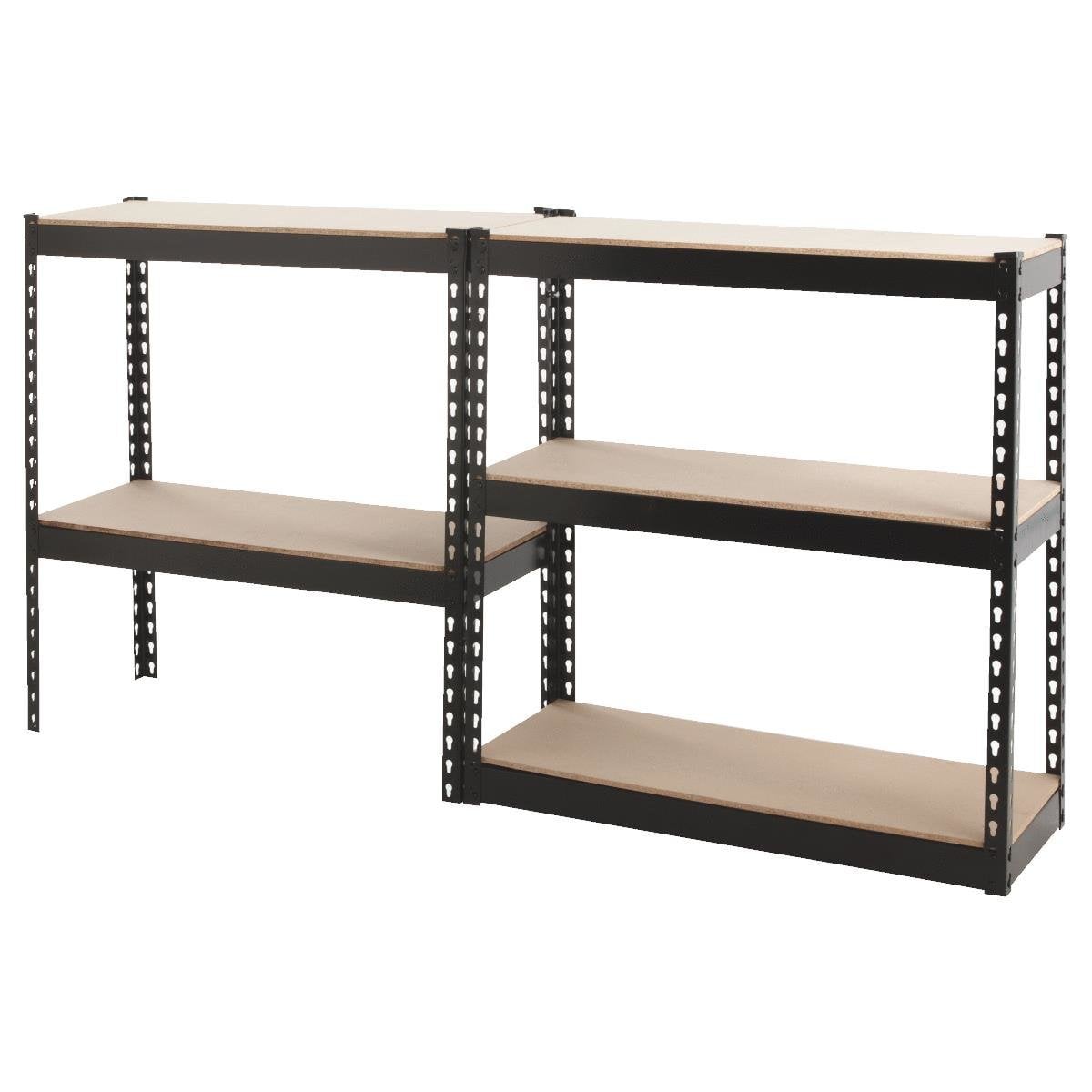
Warehouse space utilization is rarely a building problem first; it is usually a layout and storage system problem, and the right shelf is often the turning point. When a facility struggles with overcrowded aisles, mixed pallet zones, or slow replenishment, the shelf design is often misaligned with SKU velocity, load profile, and picking method. A well-matched shelf creates structured vertical storage, cleaner slotting logic, and safer movement paths, which together convert unused cubic volume into productive capacity. In practical terms, the right shelf can help a warehouse delay expansion, reduce travel time, and improve pick accuracy without changing the building footprint.
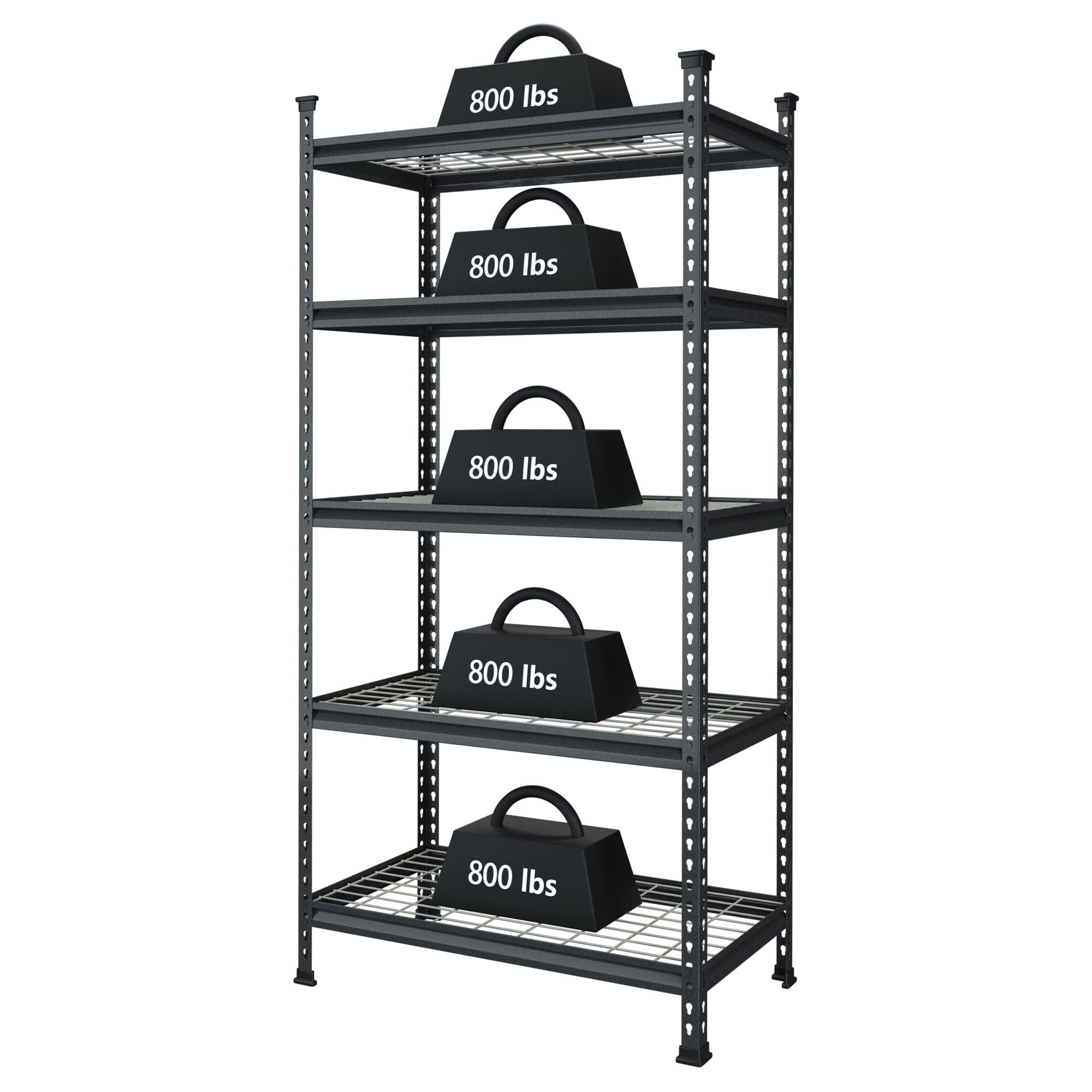
The key is not installing more rack rows at random, but choosing a shelf system that fits operational flow, product dimensions, and handling frequency. A shelf that is too deep, too fixed, or poorly spaced can create dead zones and hidden inefficiency. A shelf that is adjustable, correctly loaded, and integrated with replenishment cycles supports steady throughput and better floor discipline. This article explains how the right shelf improves warehouse space utilization through design logic, workflow alignment, and measurable operational outcomes.
Why shelf fit determines real warehouse capacity
Physical space and usable space are not the same
Many warehouses report occupancy based on floor area, yet performance depends on usable cubic space. The right shelf converts vertical volume into accessible storage locations while keeping aisle clearance intact. When each shelf level matches carton height and handling reach, air gaps shrink and location density rises. This is how a shelf increases practical capacity without sacrificing safety or accessibility.
In contrast, an oversized or non-adjustable shelf can trap empty vertical pockets between tiers. Those pockets look harmless on a drawing but become expensive over time because operators still travel the same distance for less stored inventory. A correctly specified shelf reduces this hidden waste and supports predictable slotting. As a result, the warehouse gets more storage per square meter and more picks per labor hour.
Space utilization improves when slotting and shelf design work together
Slotting and shelf selection should be designed as one system, not two separate tasks. Fast movers need a shelf position that minimizes bends, turns, and cross-traffic, while slow movers can occupy higher or deeper shelf zones. When this logic is applied consistently, the shelf layout supports both density and speed. The warehouse avoids the common tradeoff of choosing only storage capacity or only picking efficiency.
A flexible shelf configuration is especially useful in mixed-SKU operations where packaging formats change seasonally. Adjustable shelf increments allow teams to resize locations instead of creating overflow zones on the floor. That keeps inventory inside defined shelf boundaries and protects aisle width. Over time, this discipline improves replenishment rhythm and cycle counting accuracy.
How the right shelf improves flow from receiving to shipping
Receiving and putaway become faster with clear shelf logic
Receiving congestion often begins when inbound goods do not have immediate shelf destinations. A well-zoned shelf map assigns each item family to predefined bay ranges, reducing decision time during putaway. Operators scan, move, and store with fewer stops because the shelf position is already tied to SKU rules. This shortens dock dwell time and prevents temporary staging piles from spreading into travel lanes.
The shelf also matters for handling ergonomics at putaway. If lower tiers carry moderate-turn items and mid-level shelf tiers hold high-turn cartons, lift frequency and awkward reaches decline. Better shelf ergonomics reduce fatigue and lower the risk of handling errors. The space benefit is indirect but significant because fewer errors mean fewer rework movements and less unplanned buffer stock.
Picking paths shorten when shelf depth and face count are balanced
Picking speed is highly sensitive to shelf depth, location visibility, and pick-face quantity. A shelf that is too deep can hide inventory and trigger extra touches, while a shelf that is too shallow may force excessive replenishment. The right shelf balances these factors so pickers spend less time searching and more time confirming and moving. This improves both travel efficiency and order cycle time.
When shelf facings are sized to demand frequency, the warehouse reduces emergency refills during peak windows. Each shelf location holds enough stock to stabilize picking, but not so much that space is locked by slow rotation. This balance keeps aisle traffic smoother and supports wave planning. In practical space terms, the shelf contributes to higher throughput per aisle rather than just higher static storage.
Design factors that make a shelf system space-efficient
Adjustability, load rating, and tier spacing drive performance
A space-efficient shelf is not defined by one dimension; it is defined by how well the system adapts to product variation. Adjustable shelf levels let operations reclaim vertical gaps that appear when pack sizes change. Correct load rating keeps each shelf stable under normal and peak conditions, which protects inventory and preserves alignment. Tight but safe tier spacing increases density without creating handling friction.
The right shelf specification should always consider both static load and dynamic handling behavior. Even a strong shelf can underperform if tier intervals force inefficient hand motions or limit scan visibility. Matching shelf geometry to the real pick method is what turns technical capacity into usable capacity. This is where engineering detail directly influences warehouse economics.
Modularity and reconfiguration protect long-term utilization
Demand profiles change, and a fixed shelf layout can become obsolete quickly. A modular shelf system allows bay expansion, tier repositioning, and zone reshaping without major downtime. That flexibility helps the warehouse respond to assortment growth while keeping the same floor plan productive. Instead of adding overflow racks in ad hoc locations, teams can reconfigure shelf blocks within existing safety lines.
Reconfiguration also supports seasonal strategy. During peaks, a shelf zone can be tuned for higher face counts on priority SKUs; after the peak, the same shelf area can return to balanced density. This adaptability preserves consistent space utilization across demand cycles. In B2B operations with variable order profiles, modular shelf architecture is often the difference between stable flow and chronic congestion.
Operational results to track after shelf optimization
Use measurable indicators tied to shelf decisions
To confirm whether a shelf upgrade is improving space utilization, teams should monitor storage density per cubic meter, pick rate per labor hour, and replenishment interruptions per shift. These indicators connect directly to shelf layout quality and slotting accuracy. If the shelf plan is working, density rises while search time and emergency refills decline. The gain is not only more stored units but more predictable execution.
Inventory accuracy is another useful signal because a well-structured shelf environment supports cleaner location control. When items are consistently stored in correctly sized shelf slots, misplacements drop and cycle counts become faster. This strengthens planning reliability and reduces safety stock pressure. Better accuracy effectively frees more shelf capacity by lowering the need for protective overstock.
Implementation discipline sustains shelf-driven gains
A one-time shelf installation does not guarantee ongoing improvement. Teams need standard work for slot maintenance, shelf labeling, and periodic tier review to keep utilization gains intact. Without these controls, high-turn SKUs drift into suboptimal shelf zones and congestion returns. Sustained performance depends on combining physical shelf design with operational governance.
Training is equally important because operator behavior determines whether shelf logic is followed under time pressure. Clear replenishment triggers, visual location standards, and routine audits help maintain shelf order even during peak volume. When execution remains consistent, the shelf continues to deliver both density and flow benefits. This is how space utilization improvement becomes structural rather than temporary.
FAQ
Can a shelf upgrade improve space utilization without warehouse expansion?
Yes. The right shelf can increase usable cubic storage by reducing vertical dead space, improving slot dimensions, and stabilizing aisle flow. Many facilities gain meaningful capacity through shelf adjustability and better slotting before needing additional floor area. The improvement is strongest when shelf changes are paired with revised putaway and replenishment rules.
How often should shelf configuration be reviewed?
A quarterly review is common for stable operations, while fast-changing SKU environments may require monthly checks. The goal is to keep shelf tier spacing, face count, and zone allocation aligned with actual demand and packaging mix. Regular review prevents gradual mismatch that can reduce both density and picking speed.
Is a deeper shelf always better for storage density?
Not always. A deeper shelf can increase nominal capacity, but it may reduce accessibility, visibility, and pick speed if product flow is not suited to depth. The best shelf depth depends on unit load type, turnover rate, and handling method. Effective utilization comes from balanced depth, not maximum depth.
What is the first step in choosing the right shelf for utilization goals?
Start with a data-based profile of SKU dimensions, velocity classes, and order patterns, then map those requirements to shelf adjustability, load rating, and zone layout. This approach ensures the shelf system reflects operational reality rather than generic assumptions. When the shelf design begins with real flow data, space utilization improvements are faster and more durable.

