 EN
EN

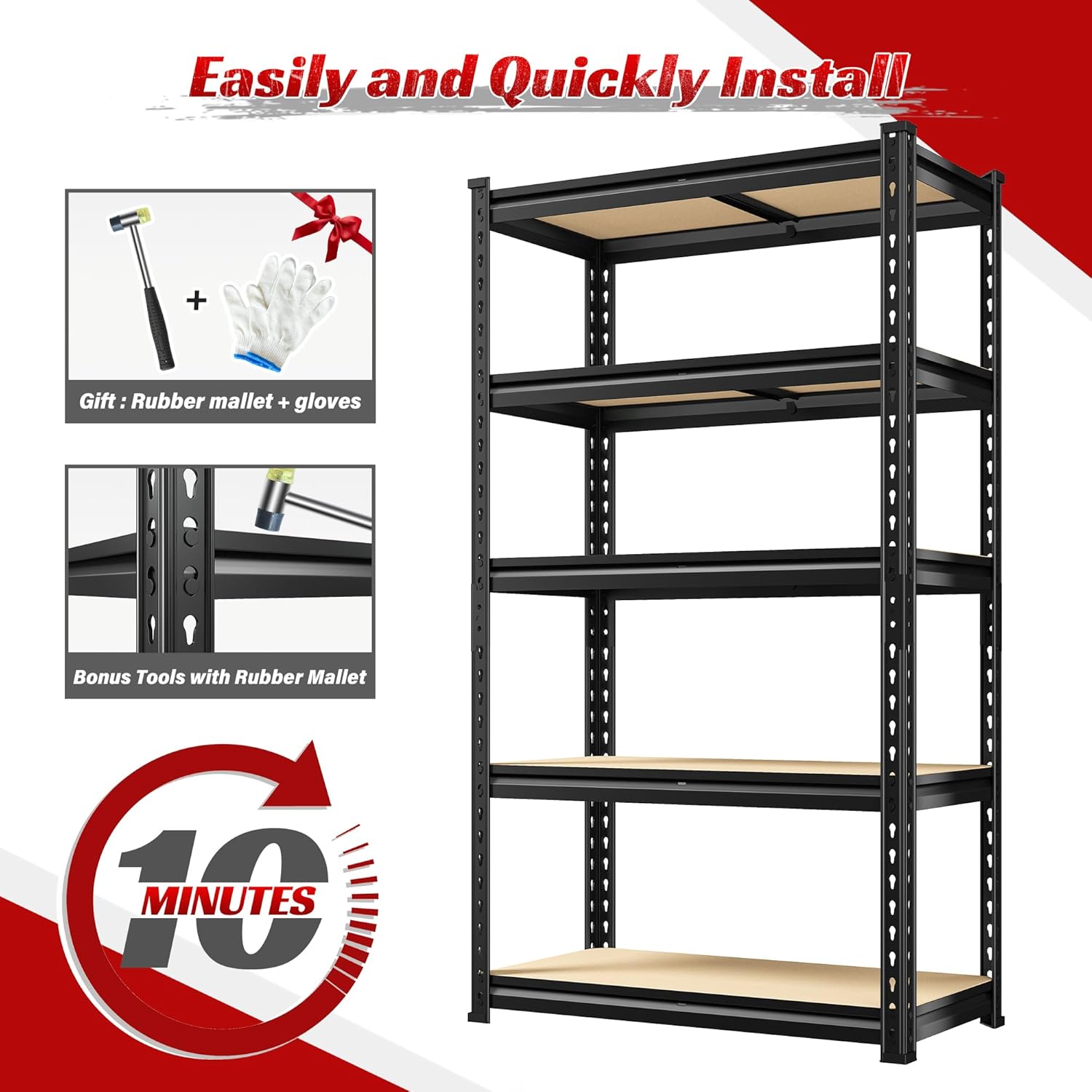
A shelves manufacturer can support custom storage designs by translating operational requirements into engineered shelf systems that fit exact workflows, load patterns, and space limits. In B2B settings, custom storage is rarely about appearance alone; it is about throughput, safety, access speed, and future flexibility. The right shelves manufacturer helps teams move from a rough storage idea to a practical design package with defined dimensions, materials, and performance expectations. That early technical guidance reduces redesign cycles and prevents expensive layout conflicts during installation.
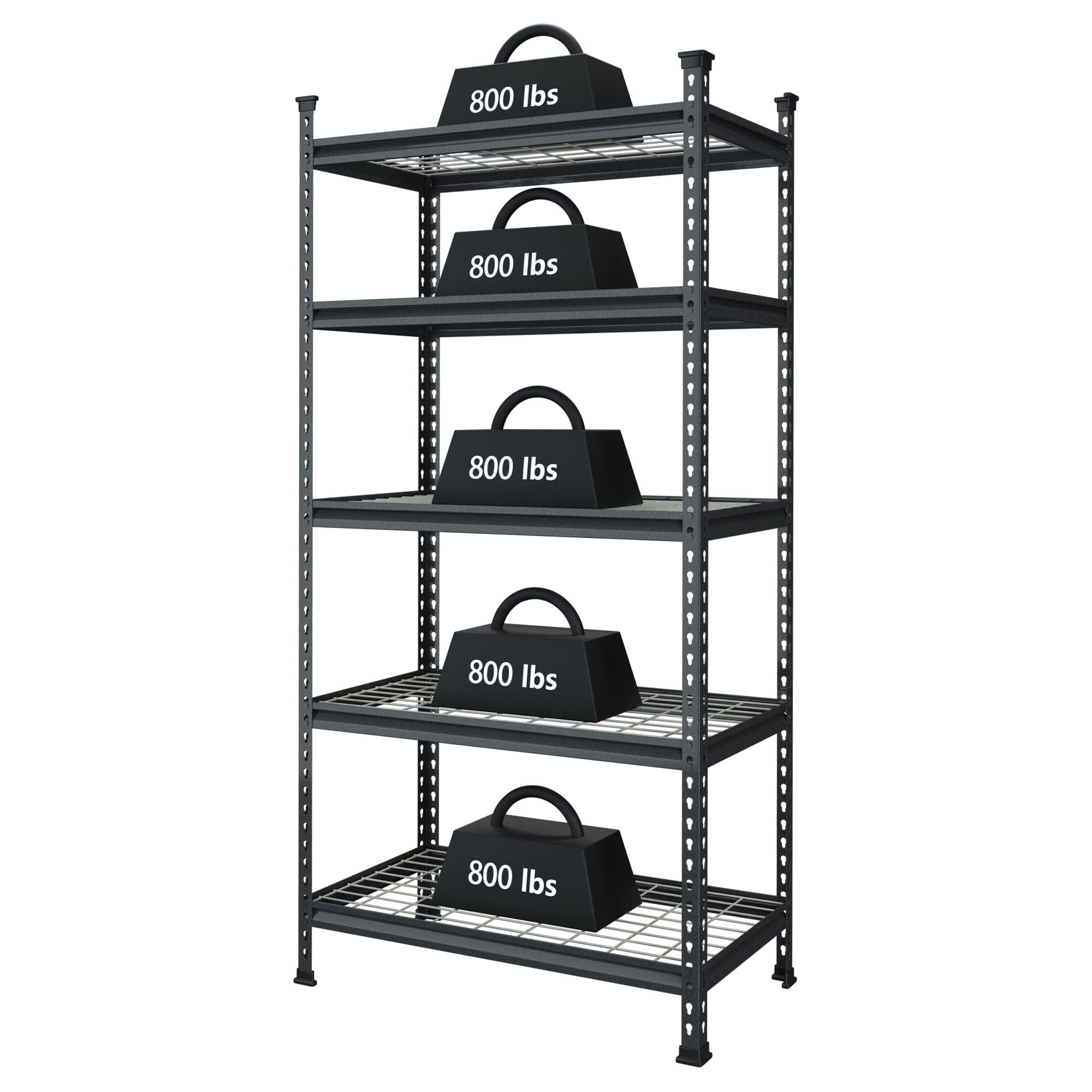
For industrial buyers, the value of a shelves manufacturer is strongest when customization is treated as a process, not a one-time product change. A capable shelves manufacturer aligns storage geometry with product mix, handling methods, replenishment frequency, and site constraints from the start. This creates custom storage designs that are realistic to build, stable under daily use, and easier to expand later. When design support is structured correctly, custom shelving becomes a measurable operational tool rather than a speculative purchase.
Design Translation from Operational Need to Storage Blueprint
Requirement Discovery That Shapes the Right Design Direction
The first way a shelves manufacturer supports custom storage designs is by running a disciplined requirement discovery phase. Instead of jumping straight to dimensions, the shelves manufacturer maps what will be stored, how often it moves, and which teams need access at each stage of work. This clarifies whether the design should prioritize density, pick speed, visibility, segregation, or mixed goals. Without this step, custom designs often look good on paper but perform poorly on the floor.
A professional shelves manufacturer also reviews SKU variation, carton size spread, pallet interaction, and manual versus mechanical handling. These details influence shelf spacing, depth logic, and structural layout far more than general square meter targets. When the shelves manufacturer captures this data early, engineering decisions become evidence based instead of assumption driven. The result is a custom storage design that supports actual business rhythm, not theoretical capacity.
Converting Site Constraints into Buildable Engineering Inputs
Every facility has hard boundaries such as column grids, fire lanes, dock flow, ceiling height, and floor loading behavior. A shelves manufacturer that supports customization treats these as core engineering inputs, not installation surprises. By validating constraints early, the shelves manufacturer protects the project from late-stage rework and unplanned material changes. This improves both deployment speed and budget control.
The same approach applies to phased implementation. A shelves manufacturer can design modules that fit current space while preserving logical expansion paths for future volume changes. In practice, this means custom storage designs can grow without forcing full replacement of original bays. That continuity is one of the most practical ways a shelves manufacturer creates long-term value for industrial operations.
Engineering Customization That Matches Real Industrial Use
Load Logic, Material Choice, and Structural Stability
Custom storage only works when structural assumptions match real loading behavior, including uneven placement and frequent handling impact. A skilled shelves manufacturer calculates not only static load per level but also use-pattern stress over time. This influences upright profiles, bracing strategy, deck material, and connector selection. With that engineering discipline, the shelves manufacturer ensures custom configurations remain safe and stable in daily operation.
Material decisions are equally important in custom projects. A shelves manufacturer may guide choices based on humidity, corrosion exposure, cleaning routines, and product contact requirements. That prevents premature wear and helps maintain consistent performance across shifts. Strong technical specification from the shelves manufacturer turns customization into a controlled system rather than a trial-and-error build.
Dimensional Flexibility and Modularity for Mixed Inventory
Many facilities handle mixed inventory profiles that change by season, contract cycle, or production plan. A shelves manufacturer can support this by creating adjustable level spacing, modular bay combinations, and interchangeable accessories within one design language. This flexibility allows teams to reconfigure storage without rebuilding entire zones. The shelves manufacturer therefore supports both present fit and future adaptation.
In projects where adaptability is critical, a shelves manufacturer can also standardize key components across departments. Standardization simplifies spare planning, maintenance routines, and operator training while preserving custom geometry where needed. This balance is often the difference between a design that stays useful and one that becomes rigid after a few business changes. It is a practical demonstration of how a shelves manufacturer supports custom storage designs beyond initial delivery.
Collaboration Workflow That Reduces Project Risk
Design Review Cycles That Improve Accuracy Before Fabrication
A shelves manufacturer contributes strongly through structured design review cycles with operations, engineering, and procurement stakeholders. These reviews verify aisle logic, access clearances, replenishment pathing, and safety buffer zones before manufacturing starts. By catching mismatches early, the shelves manufacturer reduces field modifications and schedule disruption. This disciplined workflow gives custom storage designs a higher chance of first-time-right installation.
Review documentation also supports internal decision making. When a shelves manufacturer provides clear drawings, load assumptions, and configuration rationale, teams can approve designs with less uncertainty. That clarity helps align technical and financial stakeholders around the same implementation path. In complex facilities, this alignment is one of the main operational benefits a shelves manufacturer brings to custom projects.
Pilot Validation and Scaled Rollout Planning
For larger sites, a shelves manufacturer can support custom storage designs through pilot zones before full rollout. A pilot allows teams to test picking speed, refill behavior, ergonomic reach, and zone congestion under realistic shift conditions. Feedback from that trial can then refine spacing, level mix, or accessory placement with minimal sunk cost. This staged approach makes customization more reliable and less disruptive.
Once pilot performance is validated, the shelves manufacturer can sequence phased deployment by area priority, labor availability, and operational downtime windows. That planning prevents all-at-once change shocks and keeps service levels stable during transition. A shelves manufacturer that manages rollout logic effectively turns design quality into operational continuity. This is a key reason industrial buyers involve a shelves manufacturer early rather than late.
Lifecycle Support After Installation
Commissioning, Training, and Safe Daily Operation
Custom storage value depends on consistent execution after installation, and a shelves manufacturer can support that through commissioning support and practical operator guidance. Commissioning confirms assembled configuration matches approved design intent and load assumptions. When a shelves manufacturer participates in this stage, discrepancies are corrected quickly before they become recurring safety or productivity issues. This protects project outcomes and reinforces confidence in the custom design.
Training is another area where a shelves manufacturer adds measurable value. Teams need clear instructions on load placement, adjustment methods, inspection points, and change-control rules. With simple but precise guidance from the shelves manufacturer, daily users preserve the designed performance envelope. That reduces misuse-related damage and extends service life of the custom storage system.
Change Management, Expansion, and Continuous Optimization
Operations evolve, and custom layouts must evolve with them. A responsive shelves manufacturer supports post-installation audits that identify underused zones, congested lanes, or misaligned shelf heights. These audits convert floor observations into targeted configuration updates rather than full redesign. In this way, the shelves manufacturer keeps custom storage designs aligned with changing business realities.
Expansion planning is also more effective when managed by the original shelves manufacturer. Existing modules, load logic, and component standards can be extended into new areas with lower integration risk. This preserves consistency across the facility and simplifies long-term maintenance. Over time, that continuity becomes a strategic advantage created by sustained support from a shelves manufacturer.
FAQ
How early should we involve a shelves manufacturer in a custom storage project?
A shelves manufacturer should be involved at the concept stage, before internal layouts are fixed. Early involvement allows the shelves manufacturer to align structural logic, access flow, and expansion options with real operating needs. This prevents late design reversals and shortens procurement-to-installation timelines.
Can a shelves manufacturer help when our inventory profile changes frequently?
Yes, a shelves manufacturer can design adjustable and modular configurations that absorb frequent inventory shifts. The shelves manufacturer can define spacing ranges, interchangeable components, and reconfiguration rules that keep storage efficient without major rebuilds. This is especially useful for operations with seasonal demand or mixed SKU volatility.
What information should we prepare before meeting a shelves manufacturer?
Prepare SKU dimensions, load ranges, movement frequency, access method, floor constraints, and expected growth horizon. A shelves manufacturer uses this data to build accurate custom storage designs and avoid overengineering or underspecification. Better input quality leads to faster design convergence and stronger long-term performance.
How does a shelves manufacturer reduce total project risk in custom designs?
A shelves manufacturer reduces risk through validated engineering assumptions, structured review cycles, pilot testing, and controlled rollout planning. This approach catches design mismatches before fabrication and limits disruption during installation. The shelves manufacturer also supports lifecycle adjustments, which keeps the system reliable as operations change.
Table of Contents
- Design Translation from Operational Need to Storage Blueprint
- Engineering Customization That Matches Real Industrial Use
- Collaboration Workflow That Reduces Project Risk
- Lifecycle Support After Installation
-
FAQ
- How early should we involve a shelves manufacturer in a custom storage project?
- Can a shelves manufacturer help when our inventory profile changes frequently?
- What information should we prepare before meeting a shelves manufacturer?
- How does a shelves manufacturer reduce total project risk in custom designs?

