 EN
EN

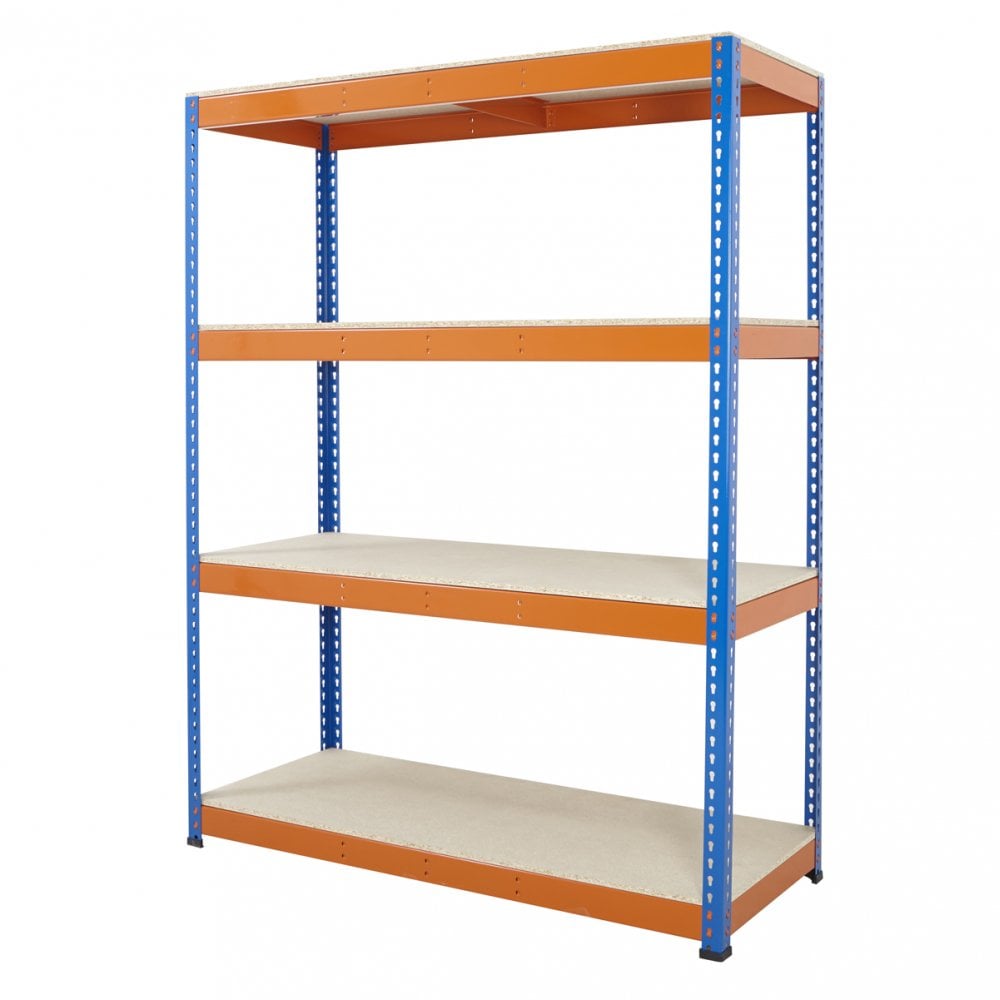
A shelves supplier can improve warehouse storage solutions by doing far more than delivering steel frames and decks. In modern distribution and industrial environments, a shelves supplier influences storage density, travel time, picking accuracy, safety performance, and expansion readiness. When warehouse leaders involve a shelves supplier early, layout decisions become data-driven instead of reactive, and storage zones can be matched to SKU behavior, load profile, and replenishment rhythm. That early alignment is often the difference between a warehouse that merely holds inventory and one that actively supports throughput growth.
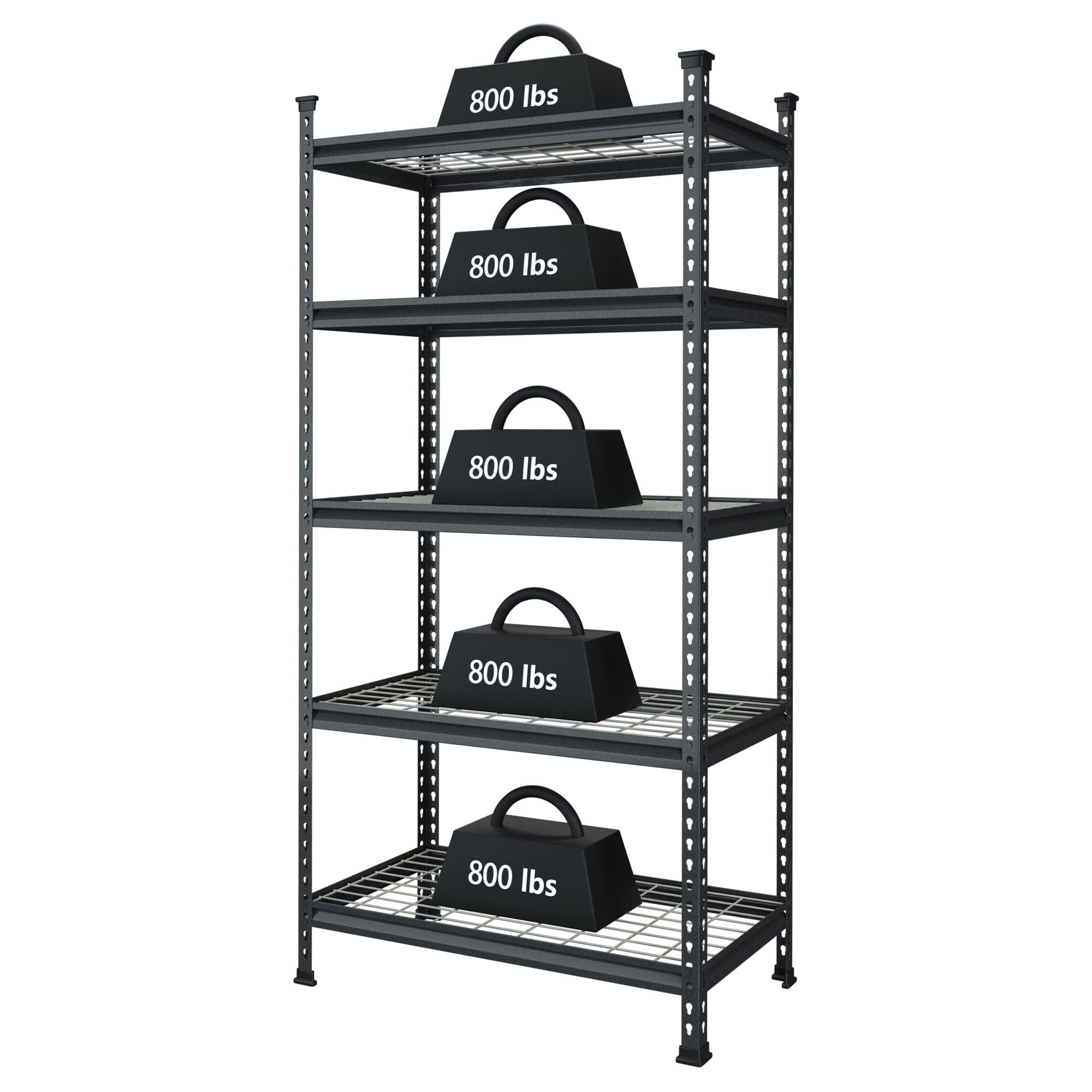
The practical value of a shelves supplier shows up in daily operations: shorter put-away paths, fewer stockouts caused by poor slotting, less product damage, and cleaner scaling when order volume rises. A capable shelves supplier also helps teams avoid common design errors such as overbuilding for static loads, under-allocating fast-mover access, or choosing shelf geometry that blocks handling equipment. This article explains how a shelves supplier improves warehouse storage solutions through planning, engineering, implementation, and long-term optimization in a clear operational sequence.
Translating Warehouse Demand into Storage Design
Operational diagnostics before rack configuration
A strong shelves supplier starts by diagnosing flow, not by recommending a fixed rack type on day one. The shelves supplier reviews SKU dimensions, weight ranges, pick frequency, inbound batch patterns, and seasonal variability to establish the real storage problem. This step prevents generic layouts that look efficient on paper but create congestion in active aisles once trucks, forklifts, and pick teams are moving at shift pace. By grounding recommendations in operating data, the shelves supplier builds a storage concept aligned with actual process behavior.
During this stage, a shelves supplier also identifies constraints that shape every downstream decision, including ceiling clear height, fire code spacing, column grid interference, and dock-to-storage travel distance. These factors determine whether density gains should come from vertical utilization, aisle compression, or better slotting logic. Without this early diagnostic layer, even high-quality components may be installed in low-impact configurations. A shelves supplier that leads with operational diagnostics improves warehouse storage solutions by reducing redesign cycles and preventing capacity surprises.
Load profile and accessibility balancing
Every warehouse needs a balance between capacity and access, and a shelves supplier directly manages that tradeoff. If shelves are packed too tightly, replenishment and picking slow down; if accessibility is over-prioritized, cubic utilization drops and overflow costs increase. The shelves supplier models load classes and access requirements by zone, then defines shelf depth, bay spacing, and level intervals that preserve safe handling while improving usable volume. That structured balancing approach protects both productivity and inventory integrity.
This is where one well-selected system can support multiple use cases across receiving buffers, reserve storage, and active pick faces. A shelves supplier can integrate adjustable solutions such as shelves supplier options that allow tier reconfiguration as SKU mix changes over time. Instead of locking operations into a rigid footprint, the shelves supplier creates controlled flexibility that keeps the storage design useful through demand shifts and product line expansion.
Improving Space Utilization Without Sacrificing Throughput
Slotting logic and zone architecture
A shelves supplier improves warehouse storage solutions by tying shelf design to slotting strategy rather than treating slotting as a separate project. Fast-moving SKUs are positioned for short travel and ergonomic picks, medium movers are grouped for replenishment efficiency, and slow movers are placed in higher-density locations where access frequency is lower. This slotting-aware method lets the shelves supplier turn each square meter into purpose-fit storage instead of generic space.
Zone architecture also matters because inbound, reserve, and outbound traffic should not compete for the same narrow corridors. A shelves supplier can define aisle roles, transition buffers, and cross-aisle frequency so material flow stays predictable during peak windows. By reducing traffic conflict, the shelves supplier improves both labor utilization and order cycle consistency. The result is a warehouse layout that uses space more intensively while still supporting high daily movement.
Vertical capacity and modular expansion planning
Many warehouses underuse vertical space due to conservative shelf planning or concern about handling complexity. A skilled shelves supplier evaluates lift equipment reach, safety clearances, and replenishment cadence to unlock vertical capacity in a controlled manner. This often adds meaningful storage without new building area, which can delay expensive facility expansion. The shelves supplier therefore contributes directly to capital efficiency by extracting more value from existing infrastructure.
Expansion planning is equally important because storage demand rarely grows in a straight line. A shelves supplier can design modular bay sequences and extension-ready layouts that allow phased scaling with minimal disruption. Instead of reworking entire zones when demand jumps, teams extend predefined modules and keep operations running. That phased adaptability is a core reason a shelves supplier improves warehouse storage solutions over both short and long planning horizons.
Raising Safety, Reliability, and Daily Execution Quality
Structural fit, load discipline, and risk control
Safety performance depends on design discipline as much as it depends on worker behavior, and a shelves supplier has a central role in that discipline. The shelves supplier matches component strength to real load distribution, impact exposure, and handling patterns so structure and usage remain aligned. When shelf ratings, beam spans, and deck support are correctly specified, the warehouse reduces deformation risk and improves long-term reliability. This is a direct operational gain, not just a compliance exercise.
A shelves supplier also improves warehouse storage solutions by embedding risk controls into the physical layout, such as clear load identification, access spacing, and stable replenishment paths. These controls lower the chance of hurried handling errors during peak shifts. Over time, fewer incidents mean less unplanned downtime, lower damage write-offs, and stronger confidence in storage availability. In B2B operations where service levels are contractual, that reliability can protect both margin and reputation.
Installation quality and commissioning readiness
Even the best design fails when installation quality is inconsistent, so a shelves supplier should support precise execution standards. Alignment checks, anchoring accuracy, level calibration, and handover verification are critical details that determine whether shelving performs as intended. A disciplined shelves supplier treats commissioning as an operational start-up phase, not a paperwork formality. This approach shortens the path from installation completion to stable daily throughput.
Commissioning readiness also includes user training on load placement, adjustment limits, and inspection routines. A shelves supplier that transfers this knowledge helps teams preserve design performance after go-live. Without that guidance, warehouses often drift into unsafe loading habits or inefficient replenishment methods within months. With structured commissioning support, the shelves supplier improves warehouse storage solutions by locking in performance rather than leaving outcomes to chance.
Supporting Continuous Improvement After Go-Live
Performance monitoring and reconfiguration cycles
Warehouse needs change with customer mix, order profiles, and packaging formats, so storage systems must evolve as well. A proactive shelves supplier reviews utilization, pick speed, replenishment frequency, and congestion indicators at regular intervals to identify where shelf configuration no longer matches workflow. These reviews can trigger targeted tier adjustments or zone reshaping without major reconstruction. Through ongoing tuning, the shelves supplier keeps storage aligned with current business conditions.
This continuous improvement cycle is where long-term value becomes clear. Instead of waiting for severe bottlenecks, a shelves supplier helps teams make incremental corrections that preserve service levels and labor efficiency. Small changes made early often prevent expensive corrective projects later. In practical terms, a shelves supplier improves warehouse storage solutions by converting shelving from a fixed asset into an adaptable operational platform.
Total cost control across the storage lifecycle
Decision makers often focus on initial purchase cost, but lifecycle economics are usually more important in industrial settings. A shelves supplier can reduce total cost by minimizing rework, preventing avoidable damage, and supporting phased growth that matches actual demand. Better fit at the beginning means fewer emergency modifications and less productivity loss during peak periods. This cost discipline strengthens return on investment without compromising day-to-day execution.
Lifecycle support also includes replacement planning, compatibility checks for added modules, and timely upgrades when operational risk rises. A responsive shelves supplier helps warehouse managers make these decisions before constraints become critical. That foresight protects continuity and keeps service commitments stable as volumes change. From planning through optimization, the shelves supplier remains a strategic contributor to storage performance rather than a one-time procurement vendor.
FAQ
How early should a warehouse involve a shelves supplier in a new layout project?
A warehouse should involve a shelves supplier at the concept stage, before final aisle maps or equipment routes are locked. Early involvement allows the shelves supplier to align storage geometry with SKU behavior, handling equipment, and safety constraints. This reduces redesign risk and improves first-pass layout quality. It also helps the project team create a scalable plan instead of a short-term fix.
Can a shelves supplier improve performance in an existing warehouse without major reconstruction?
Yes, a shelves supplier can often improve existing operations through re-slotting, level adjustments, zone rebalancing, and targeted module additions. These actions can increase usable capacity and reduce travel time without shutting down the entire facility. The shelves supplier typically prioritizes high-impact bottlenecks first, then phases changes to protect throughput. This approach is practical for warehouses that need improvement while staying fully operational.
What data should be prepared before meeting a shelves supplier?
Useful inputs include SKU dimensions, weight ranges, order line frequency, inbound lot sizes, current utilization rates, and known congestion points. With this data, a shelves supplier can diagnose the true gap between current performance and required service levels. The shelves supplier can then recommend storage architecture based on measurable workflow needs rather than assumptions. Better input quality leads to better design decisions and faster implementation.
How does a shelves supplier contribute to long-term warehouse resilience?
A shelves supplier contributes resilience by designing modular structures, supporting safe load practices, and planning for phased expansion as demand changes. Ongoing reviews help the shelves supplier adapt shelf configuration to evolving SKU mix and throughput pressure. This prevents storage layouts from becoming obsolete after a single business cycle. Over time, the warehouse gains a stable, adjustable storage foundation that supports both growth and operational continuity.
Table of Contents
- Translating Warehouse Demand into Storage Design
- Improving Space Utilization Without Sacrificing Throughput
- Raising Safety, Reliability, and Daily Execution Quality
- Supporting Continuous Improvement After Go-Live
-
FAQ
- How early should a warehouse involve a shelves supplier in a new layout project?
- Can a shelves supplier improve performance in an existing warehouse without major reconstruction?
- What data should be prepared before meeting a shelves supplier?
- How does a shelves supplier contribute to long-term warehouse resilience?

