 EN
EN

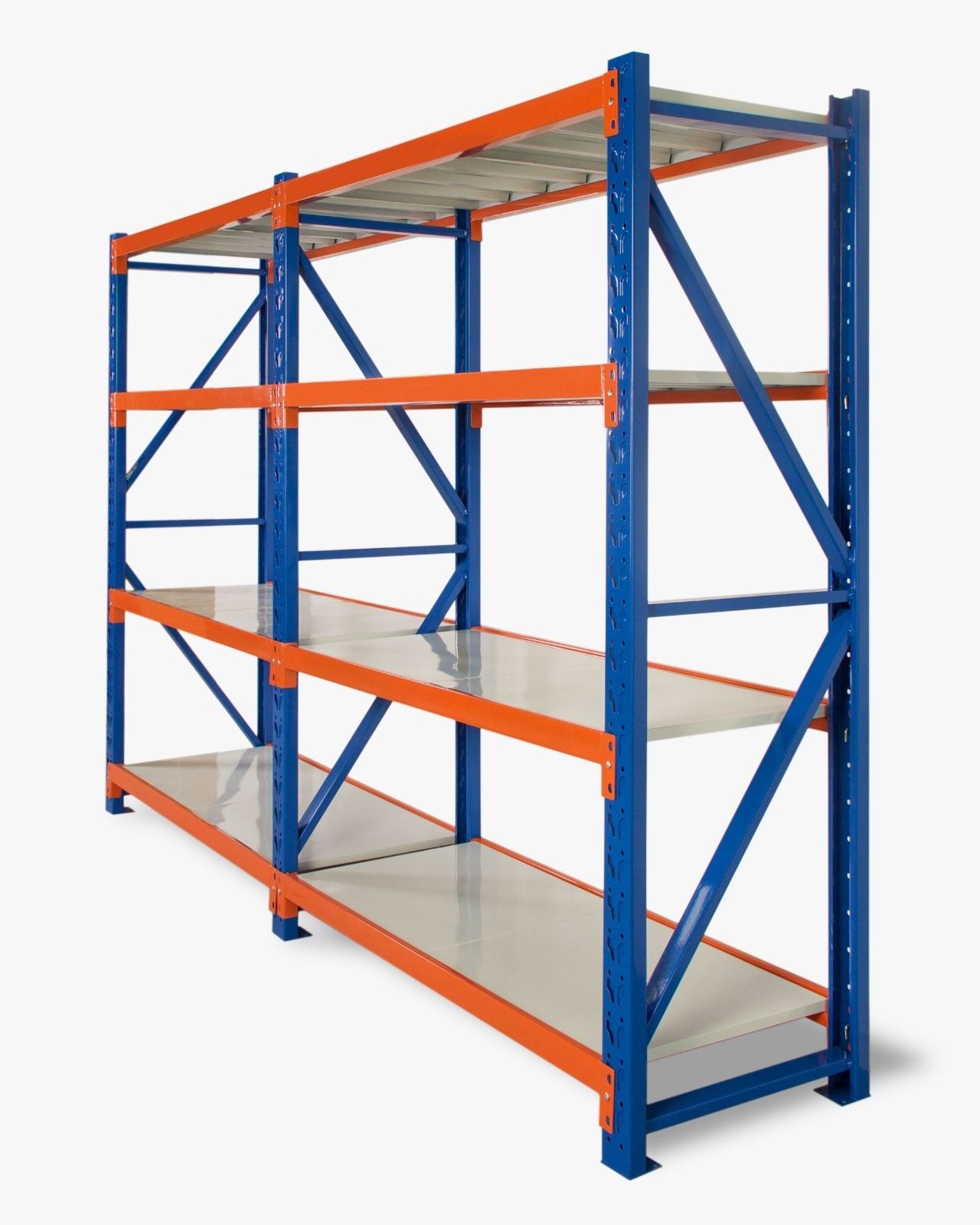
When buyers ask what production advantages matter most, the answer is not a single machine or a single low price. A dependable shelves factory should deliver repeatable quality, stable lead times, and flexible manufacturing that matches real warehouse and retail use cases. In B2B purchasing, the true value of a shelves factory appears over time through fewer defects, smoother replenishment, and easier expansion across multiple projects. The strongest decision criterion is whether the shelves factory can support your operating model, not just your first order.
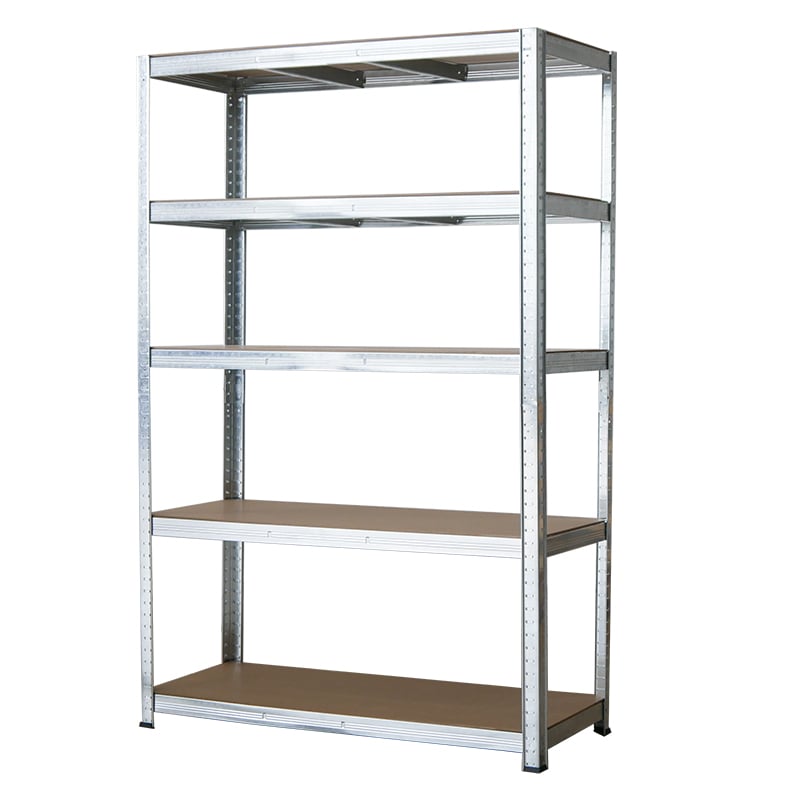
A high-performing shelves factory should offer production advantages that reduce downstream risk in installation, inventory planning, and maintenance. That means consistent steel processing, controlled coating quality, modular design capability, and strong documentation from sampling to shipment. If a shelves factory can prove those capabilities with transparent process control, procurement teams gain confidence and project managers gain predictability. The most practical way to evaluate a shelves factory is to measure how its production system protects your timeline, your budget, and your long-term layout strategy.
Process Stability That Protects Delivery Commitments
Standardized production flow from raw material to packed unit
A shelves factory should run a clear and standardized flow that starts with incoming material checks and ends with protected packaging for transport. In industrial procurement, variation is the main source of hidden cost, so a shelves factory must control cutting, punching, forming, welding, and surface treatment through defined process windows. When each workstation follows stable parameters, dimensional accuracy remains consistent across batches. This gives project teams confidence that expansion orders will match the first installation.
A reliable shelves factory also documents each critical stage, including thickness tolerance, hole alignment, and load-bearing structure checks. These controls reduce the chance of on-site fitting problems and rework. For buyers managing multi-site rollouts, that consistency is a major production advantage because it keeps field installation predictable. The shelves factory that masters process stability usually becomes a long-term partner rather than a one-off supplier.
Capacity planning that aligns with B2B purchasing cycles
Another core advantage is how a shelves factory plans capacity for both routine and peak demand. Industrial orders often arrive in waves tied to construction phases, seasonal inventory cycles, or new facility launches. A capable shelves factory keeps buffer capacity in key processes and coordinates production scheduling with realistic dispatch windows. This reduces delay risk when order quantities change late in the project.
The best shelves factory will also separate prototype, pilot, and mass production lanes to avoid internal bottlenecks. That structure helps engineering changes move quickly without disrupting large-volume output. When procurement teams evaluate a shelves factory, they should look for evidence of schedule discipline, not only promised lead time. Stable planning is a production advantage because it converts manufacturing strength into dependable business execution.
Quality Control Depth Beyond Basic Visual Inspection
Dimensional and structural consistency for safe installation
A shelves factory should provide quality control that goes deeper than appearance checks. Shelving performance depends on precision in beam length, upright geometry, connector fit, and hole pitch alignment. If a shelves factory controls these dimensions tightly, installation teams can assemble faster and maintain structural integrity under operational loads. This matters in warehouses, archives, workshops, and backroom storage where layout efficiency depends on exact modular spacing.
Strong quality systems in a shelves factory include in-process sampling, final assembly verification, and load-related validation aligned with product design limits. These practices reduce claims, returns, and costly site-level adjustments. For B2B buyers, quality consistency is a direct financial advantage because it lowers total project friction. A shelves factory that can demonstrate repeatable structural quality supports safer, faster deployment.
Surface treatment reliability for lifecycle durability
Surface quality is often underestimated, yet it is one of the biggest production advantages a shelves factory can offer. Coating adhesion, corrosion resistance, and finish uniformity influence product lifespan, especially in humid, high-traffic, or semi-industrial environments. A professional shelves factory controls pretreatment cleanliness, coating thickness, curing conditions, and handling protection before packing. That process discipline directly affects how long shelves remain stable and presentable in service.
When a shelves factory treats finishing as an engineered process instead of a cosmetic step, buyers gain predictable maintenance intervals and stronger asset value. Consistent coating quality also helps keep replacement cycles synchronized across sites. Over multiple years, this production advantage can outweigh small differences in initial unit price. For operations teams, dependable finish performance from a shelves factory means fewer disruptions and lower lifecycle uncertainty.
Engineering Flexibility That Supports Real Project Conditions
Modular design compatibility across changing layouts
A shelves factory should offer modular engineering options that let buyers adapt capacity without rebuilding entire systems. As SKU mix, carton dimensions, or throughput targets change, shelf spacing and component combinations often need adjustment. A flexible shelves factory designs uprights, beams, and panels with compatibility in mind so upgrades can be phased efficiently. This is a critical production advantage for businesses that scale in stages.
In practice, modular compatibility from a shelves factory reduces stranded inventory and simplifies future procurement. Buyers can standardize core components and adjust only what is necessary for each site. That creates better control over expansion budgets and spare parts management. A shelves factory that supports modular continuity becomes valuable far beyond initial installation.
Custom specification handling without quality drift
Most B2B projects need some level of customization, whether in dimensions, layer load targets, surface finish, or packaging format. A strong shelves factory handles these changes through controlled engineering and documented change management rather than informal workshop adjustments. This protects consistency when custom SKUs move from sample to full production. The result is faster approval and lower risk of mismatch during delivery.
The most effective shelves factory can also advise on manufacturability so custom requirements remain practical and cost-stable. That technical collaboration prevents late redesign and improves procurement clarity. Buyers should look for a shelves factory that treats customization as a structured process with traceable specifications. This production advantage is especially important for distributors and project integrators managing varied client environments.
Supply Chain Execution and Commercial Reliability
Packaging, loading, and shipment control that reduce damage
Even a well-made product can fail commercially if shipment control is weak. A capable shelves factory protects output quality through packaging design, labeling logic, and loading discipline tailored to transport conditions. Edge protection, bundle stability, moisture barriers, and clear part identification all reduce receiving errors and in-transit damage. These details are production advantages because they preserve manufacturing value until the goods reach the site.
For large or repeat orders, a shelves factory should align packaging format with customer unloading methods and storage flow. Better shipment planning shortens receiving time and improves installation sequencing. In many projects, logistics disruption costs more than minor unit-price differences. A shelves factory that executes shipping professionally delivers measurable operational benefit.
Documentation transparency that strengthens procurement control
A professional shelves factory supports buyers with accurate documents, including specification sheets, inspection records, packing details, and traceable batch references. This transparency helps procurement, quality, and operations teams resolve issues quickly and maintain internal compliance standards. When a shelves factory provides clear documentation, cross-functional communication improves and project risk declines. It also speeds up repeat ordering because technical baselines are already defined.
Commercial reliability also includes responsive lead-time updates, clear change notices, and realistic production commitments. Buyers can review a practical product example through shelves factory sourcing channels that present specification context clearly. A shelves factory that combines production discipline with communication discipline gives B2B teams stronger control over both schedule and cost. This is often the difference between transactional supply and strategic partnership.
FAQ
What is the most important production advantage in a shelves factory for long-term projects?
The most important advantage is repeatable process control across multiple order cycles. A shelves factory that can maintain dimensional consistency, coating reliability, and stable lead times creates predictable outcomes for expansion and replenishment. Long-term projects depend on compatibility between old and new batches, so process repeatability carries higher value than short-term price gains.
How can buyers verify whether a shelves factory truly has strong quality capability?
Buyers should review documented control points, sampling standards, and traceable inspection records instead of relying on general claims. A qualified shelves factory can explain how it controls key tolerances, coating conditions, and final verification before shipment. Practical evidence from pilot orders and consistent repeat performance usually reveals real capability better than marketing language.
Why does engineering flexibility matter when choosing a shelves factory?
Engineering flexibility allows a shelves factory to support changing storage demands without forcing complete redesign. As operations evolve, buyers need modular options, controlled customization, and compatibility across product generations. A flexible shelves factory lowers lifecycle cost by enabling phased upgrades and reducing obsolete components.
Can a shelves factory improve total cost even when its unit price is not the lowest?
Yes, because total cost includes installation efficiency, damage rates, rework risk, replenishment compatibility, and maintenance outcomes. A shelves factory with strong production control can reduce hidden operational expenses that are not visible in a basic quotation. Over time, reliable output and predictable delivery often generate better financial results than selecting only on the lowest initial unit price.
Table of Contents
- Process Stability That Protects Delivery Commitments
- Quality Control Depth Beyond Basic Visual Inspection
- Engineering Flexibility That Supports Real Project Conditions
- Supply Chain Execution and Commercial Reliability
-
FAQ
- What is the most important production advantage in a shelves factory for long-term projects?
- How can buyers verify whether a shelves factory truly has strong quality capability?
- Why does engineering flexibility matter when choosing a shelves factory?
- Can a shelves factory improve total cost even when its unit price is not the lowest?

