 EN
EN

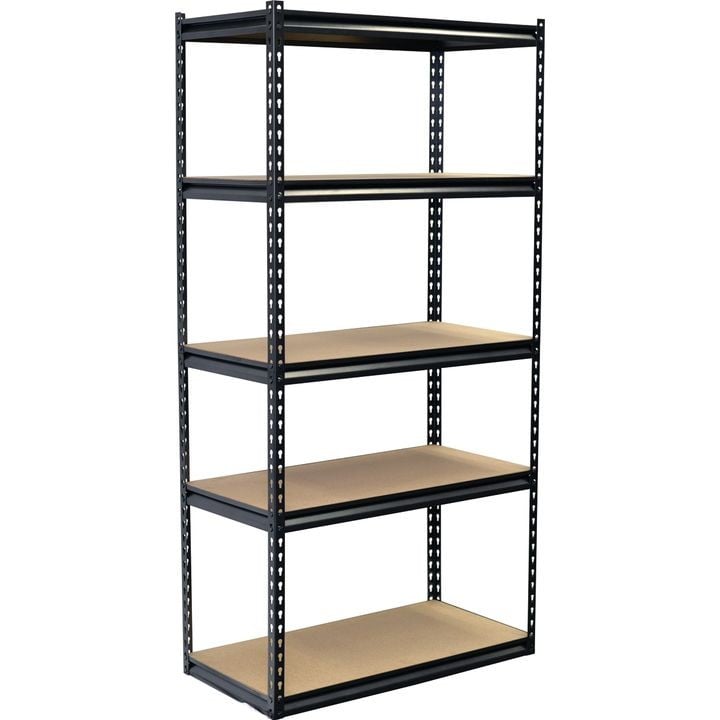
Choosing a racks manufacturer is not only a purchasing decision, it is a risk-control decision that affects safety, lead time, and long-term operating cost. In industrial settings, the right racks manufacturer must show measurable production strength, not just attractive brochures or low pricing. When buyers ask what capabilities matter most, the answer centers on engineering control, process stability, and repeatable quality at scale. A dependable racks manufacturer should prove these strengths before the first shipment, because warehouse systems are infrastructure, not disposable inventory.
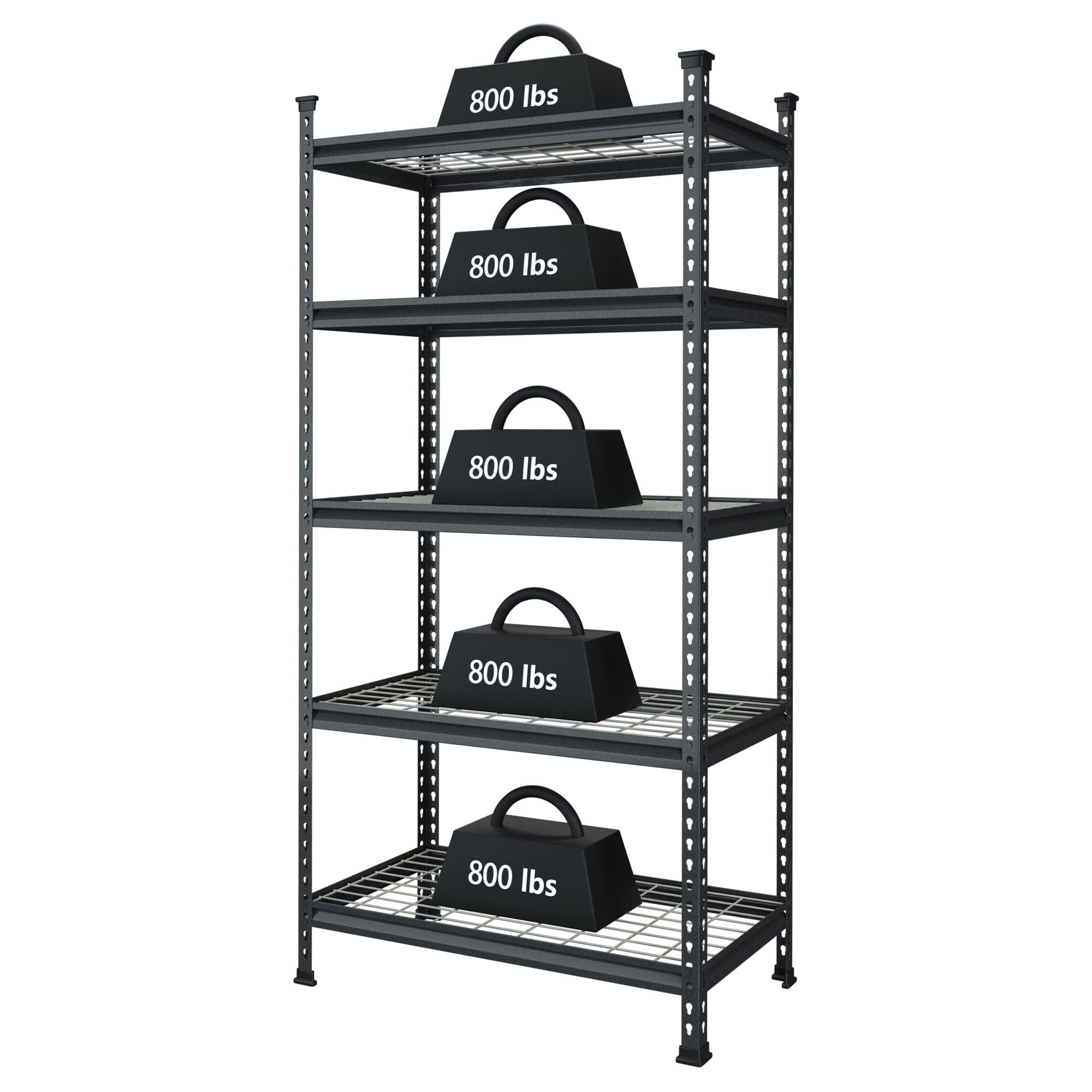
This article explains the production strengths a racks manufacturer should have if you want stable outcomes across design, fabrication, finishing, and delivery. Instead of broad industry talk, the focus is on practical criteria procurement, engineering, and operations teams can evaluate directly. A strong racks manufacturer demonstrates clear capacity planning, validated load performance, and disciplined process documentation. If those elements are missing, even a technically acceptable rack can become a costly problem in deployment.
Engineering and design control that protect real-world performance
Load-path engineering and structural verification
A qualified racks manufacturer should be able to explain how load travels from beam to upright, from upright to base, and from base to floor condition. This matters because storage failures usually come from weak interfaces, not from obvious material shortages. A serious racks manufacturer maintains design files, revision history, and validation records for each frame geometry and connector style. When buyers request custom dimensions, the racks manufacturer should recalculate load behavior rather than applying a generic rating.
Engineering strength also means clear derating logic for altered bay spans, uneven loading, seismic zones, and forklift impact exposure. A reliable racks manufacturer does not hide behind catalog numbers when operating conditions change. Instead, it provides boundary conditions and operating assumptions in writing so site teams can install and use racks correctly. This level of transparency reduces liability and improves internal approval speed for safety managers.
Customization capability without losing design discipline
Many projects need nonstandard depths, deck combinations, or hybrid layouts, so flexibility is essential. However, customization only creates value when a racks manufacturer can standardize the engineering method behind each variation. The right racks manufacturer uses modular design rules, controlled part libraries, and approval checkpoints to avoid accidental incompatibility. That approach lets you adapt quickly while preserving structural confidence.
For buyers evaluating options, one useful indicator is whether the racks manufacturer can provide technical drawings that match production reality, not just sales sketches. A production-ready drawing package should include tolerances, material grades, and assembly interfaces. When customization is handled with this rigor, the racks manufacturer becomes a technical partner rather than a quote vendor. That difference is critical in multi-phase warehouse expansion.
Manufacturing process capability that ensures repeatability
Material control, forming accuracy, and weld consistency
Production strength begins with incoming material control. A capable racks manufacturer verifies steel specifications, thickness consistency, and traceability before fabrication starts. Without that discipline, the same model can behave differently across batches, creating hidden safety and maintenance risk. A dependable racks manufacturer treats raw material variation as a controlled variable, not an acceptable surprise.
Forming and punching precision are equally important, because small dimensional drift compounds during installation. A mature racks manufacturer monitors die wear, hole alignment, and profile straightness through routine in-process checks. Weld quality must also be standardized with parameter windows and inspection routines, especially on high-stress points. These controls define whether a racks manufacturer can scale output without quality decline.
Surface treatment and corrosion durability control
In industrial environments, coating quality affects lifecycle cost as much as frame strength. A serious racks manufacturer controls pretreatment, coating thickness, cure conditions, and adhesion checks to maintain consistent surface performance. If coating fails early, customers face rust, visual degradation, and replacement downtime. That is why an experienced racks manufacturer links finishing parameters directly to intended use conditions.
Buyers should also review how the racks manufacturer handles edge coverage, hidden corners, and repair protocol for transit damage. Strong production teams document these points in standard operating procedures rather than relying on operator memory. This is where process maturity becomes visible: the racks manufacturer can explain not only what is done, but why each step is controlled. Reliable finish quality is rarely accidental.
Capacity, planning, and delivery reliability under commercial pressure
Scalable output and realistic lead-time management
A strong racks manufacturer must sustain output during seasonal peaks without sacrificing tolerance or inspection depth. Capacity claims should be supported by line balancing, shift strategy, and bottleneck visibility. When demand spikes, an unprepared racks manufacturer often extends lead times unpredictably or pushes incomplete QA decisions. A stable racks manufacturer plans finite capacity and communicates constraints early, which protects your project schedule.
Lead-time reliability is not only about speed, it is about confidence in promised dates. The right racks manufacturer aligns procurement, fabrication, coating, and packing in one coordinated schedule logic. That integration helps avoid partial shipments that disrupt site sequencing. For procurement teams, consistent on-time performance from a racks manufacturer reduces emergency freight and installation idle cost.
Packing discipline and shipment readiness for site efficiency
Production strength extends to the final meter before dispatch. A professional racks manufacturer designs packing methods that protect components while preserving fast identification at the warehouse site. Clear labeling by bay type, level, and hardware set can save many hours during unloading and assembly. A detail-oriented racks manufacturer treats packaging as part of product quality, not an afterthought.
Shipment readiness also includes document completeness, quantity verification, and accessory matching. If a racks manufacturer repeatedly misses small connectors or mixes component sets, installation delays grow quickly. By contrast, a disciplined racks manufacturer uses final check gates that mirror installation logic. That practice shortens commissioning time and improves first-pass assembly accuracy.
Quality systems, traceability, and post-delivery support maturity
Inspection architecture and nonconformance handling
The most reliable racks manufacturer builds quality into each stage instead of relying on final inspection alone. Incoming, in-process, and final checkpoints should each have defined acceptance standards. A credible racks manufacturer can show how nonconforming parts are isolated, analyzed, and corrected without re-entering good stock. This system-level control is one of the clearest production strengths buyers should demand.
Another key sign is data discipline. A mature racks manufacturer records defect trends, root causes, and corrective actions over time. These records help prevent recurrence when similar projects are repeated. When a racks manufacturer cannot produce this history, consistency across large orders becomes uncertain.
Technical documentation and lifecycle response capability
After delivery, operational teams still depend on the racks manufacturer for drawings, load guidance, and replacement component accuracy. Strong suppliers maintain controlled documentation that can be retrieved quickly by batch or project. This is especially valuable during facility audits, layout changes, or damage investigations. A responsive racks manufacturer reduces downtime because answers are available in documented form, not only in verbal memory.
Lifecycle support also includes practical upgrade pathways. As storage profiles evolve, a capable racks manufacturer can recommend compatible expansions without forcing complete system replacement. For teams exploring configurable systems, reviewing a solution such as racks manufacturer offerings can help map how adjustability and production discipline intersect. The key point is continuity: a strong racks manufacturer supports performance beyond initial shipment.
FAQ
How can I verify whether a racks manufacturer has real production strength?
Ask for evidence tied to process control, not just marketing claims. A dependable racks manufacturer should provide sample inspection records, drawing revision control examples, and clear load-rating assumptions. Review how nonconformance is handled and whether traceability exists from raw material to shipment batch. Real production strength appears in repeatable documentation and consistent execution.
Is low price a reliable indicator when selecting a racks manufacturer?
Low price alone is a weak indicator because hidden costs often emerge during installation and operation. A cheaper racks manufacturer may have gaps in tolerance control, packing quality, or scheduling reliability that create rework and delays. Total value comes from structural confidence, predictable lead times, and lifecycle support. In most industrial projects, a stable racks manufacturer lowers total cost of ownership even if the unit price is not the lowest.
What warning signs suggest a racks manufacturer may not be ready for large projects?
Warning signs include vague answers on load verification, missing process records, and inconsistent lead-time commitments. Another red flag is when the racks manufacturer cannot explain coating controls or packing logic for complex shipments. Frequent drawing changes without revision discipline also indicate risk. These patterns show the racks manufacturer may struggle under scale and schedule pressure.
Can one racks manufacturer support both standard and custom requirements effectively?
Yes, but only when customization is managed through controlled engineering and modular production logic. A capable racks manufacturer can adapt dimensions and configurations while preserving inspection standards and compatibility rules. The same quality system should apply to standard and custom orders, with documented assumptions for each case. When this balance exists, the racks manufacturer can support growth without sacrificing reliability.
Table of Contents
- Engineering and design control that protect real-world performance
- Manufacturing process capability that ensures repeatability
- Capacity, planning, and delivery reliability under commercial pressure
- Quality systems, traceability, and post-delivery support maturity
-
FAQ
- How can I verify whether a racks manufacturer has real production strength?
- Is low price a reliable indicator when selecting a racks manufacturer?
- What warning signs suggest a racks manufacturer may not be ready for large projects?
- Can one racks manufacturer support both standard and custom requirements effectively?

