 EN
EN

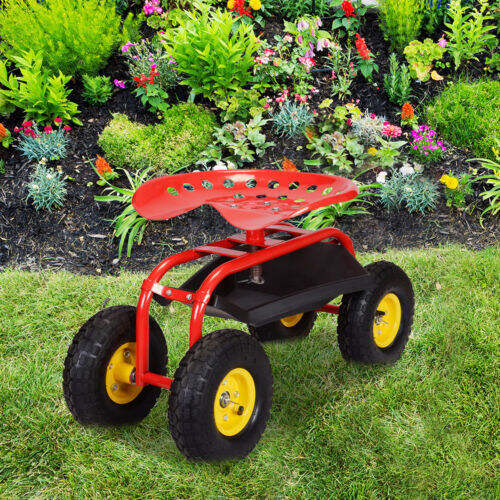
For landscaping suppliers, product relevance is measured by daily jobsite reality, not showroom appeal. A garden rolling work seat becomes essential because it directly addresses the physical strain, pace pressure, and tool-access inefficiencies that crews face during pruning, planting, edging, and low-level maintenance. When suppliers stock equipment that solves repeated pain points, they strengthen contractor loyalty, raise reorder consistency, and reduce buyer hesitation during procurement discussions. In practical terms, a garden rolling work seat is not a seasonal accessory but a workflow tool that supports safer, faster, and more consistent field output.
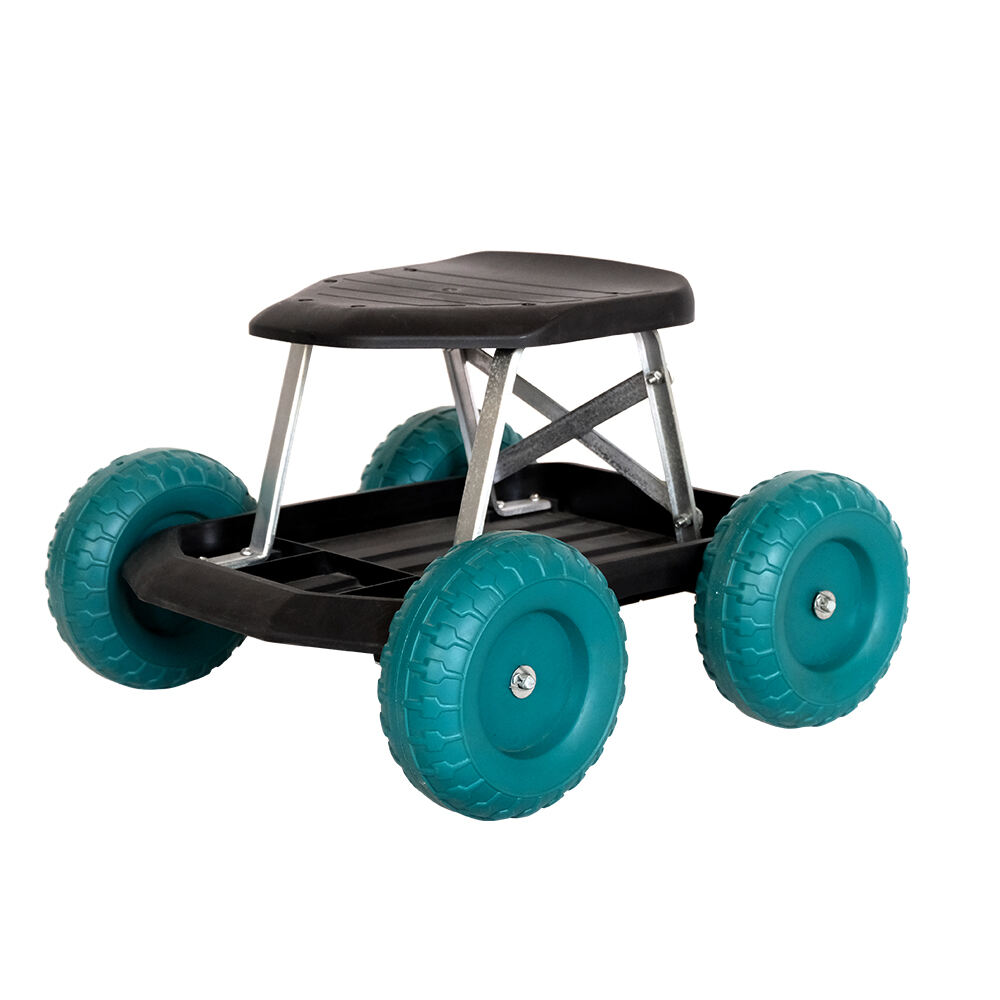
The reason this matters specifically to suppliers is simple: demand in professional landscaping is increasingly driven by labor efficiency and worker retention. Buyers are no longer choosing only by price per unit; they are choosing by impact per hour. A well-selected garden rolling work seat gives suppliers a clear value story tied to reduced fatigue, better tool handling, and longer productive work windows. That direct operational value is why this category earns a strategic place in landscaping supply portfolios.
Operational Pressure Makes the Garden Rolling Work Seat a Core Supply Item
Labor intensity in ground-level tasks drives equipment demand
Landscaping crews spend significant time close to the ground, often in repeated crouched or kneeling postures that create fatigue long before the workday ends. A garden rolling work seat changes that working posture by allowing mobility and seated access across planting beds, borders, and maintenance strips. For suppliers, this means the product meets a universal operational need across residential, municipal, and commercial jobs. Because those task types are frequent and recurring, demand for a garden rolling work seat is structurally stable rather than trend-based.
From the procurement side, contractors and maintenance firms now evaluate whether equipment can preserve output over full shifts. A garden rolling work seat contributes by limiting repetitive stress from constant standing-to-kneeling movement. Suppliers that position the product as a fatigue-control tool align directly with buyer concerns around labor consistency. That alignment explains why this product category keeps moving from optional stock to expected stock.
Faster tool transitions improve crew productivity in measurable ways
A major reason the garden rolling work seat is essential is not only seating comfort but tool-flow efficiency. When workers can move with hand tools, fasteners, and small materials close at hand, transition time between micro tasks drops. Suppliers who understand this can frame the garden rolling work seat as a compact mobile workstation rather than a simple seat. That framing fits how contractors think about revenue per crew hour.
In real operations, productivity gains often come from reducing small delays repeated hundreds of times per day. Reaching for tools stored away from the work zone creates invisible losses that add up. A garden rolling work seat supports continuous task flow, especially in trimming and planting cycles that require frequent hand changes. For suppliers, this practical benefit creates a credible reason for repeat purchases and multi-unit orders.
Business Value for Suppliers Extends Beyond Single-Unit Sales
Higher customer retention comes from problem-solving inventory
Landscaping buyers return to suppliers that understand field problems and offer usable fixes. The garden rolling work seat helps suppliers shift from transactional selling to consultative selling by addressing worker comfort and task speed in one product. When contractors see that a supplier consistently recommends equipment with direct jobsite payoff, trust grows. That trust drives repeat account activity across multiple categories, not just the garden rolling work seat.
Retention is especially influenced by products that crews can feel immediately during use. A garden rolling work seat has that immediate impact because workers notice reduced strain in the first few sessions. As positive field feedback reaches supervisors and purchasing teams, reorder confidence improves. Suppliers benefit because the product supports both frontline adoption and management-level justification.
Bundling opportunities increase average order value naturally
An essential item in B2B supply is one that connects naturally to adjacent purchases. The garden rolling work seat fits this role because it is often procured alongside gloves, pruning tools, small containers, and maintenance accessories. Suppliers can build practical order combinations around workflow stages instead of pushing unrelated upsells. This approach improves average order value while keeping recommendations relevant to operational needs.
Because the garden rolling work seat supports recurring maintenance work, it also remains visible in warehouse and van inventories, reminding teams to replenish associated consumables. That visibility reinforces cross-category movement for suppliers over time. In short, the product improves not only frontline ergonomics but also commercial efficiency in account development. This is a key reason it deserves essential status.
Workforce Health and Safety Expectations Elevate Product Importance
Ergonomic support aligns with modern procurement standards
Many landscaping organizations now evaluate equipment through a safety-and-sustainability lens, especially where labor turnover affects service continuity. A garden rolling work seat supports ergonomic improvement by reducing prolonged kneeling and awkward posture duration. Suppliers that include the garden rolling work seat in their core range are better positioned to meet these evolving buyer criteria. This improves bid readiness when contractors submit proposals that include safer working methods.
The shift is not theoretical; procurement teams increasingly ask whether tools help reduce physical strain exposure. A garden rolling work seat gives suppliers a straightforward answer backed by visible use-case logic. It also supports conversations with operations managers who balance productivity with worker wellbeing. As a result, the product strengthens supplier credibility across both purchasing and field leadership roles.
Reduced fatigue supports quality consistency across long shifts
Landscaping quality often declines late in the day when fatigue rises, particularly during precision work around plant bases and edging lines. A garden rolling work seat helps preserve steadier body positioning and better control in low-level tasks. For suppliers, that quality link matters because contractors buy equipment that protects service reputation. When teams can maintain consistent workmanship, client satisfaction and contract renewal likelihood improve.
The garden rolling work seat therefore supports a chain of outcomes extending from worker comfort to visible finish quality. Suppliers who communicate this connection avoid generic product descriptions and instead present operational value that decision-makers can validate. That clarity shortens buying discussions and reduces resistance. In competitive procurement cycles, practical clarity often decides purchase outcomes.
Field Versatility Makes the Garden Rolling Work Seat Reliable Across Accounts
Adaptability across property types increases inventory confidence
Suppliers prefer stock that performs across diverse customer profiles, from small maintenance crews to larger contract teams. A garden rolling work seat is applicable in residential gardens, commercial green zones, and institutional grounds where repetitive low-height work is routine. This broad usability lowers the risk of slow-moving inventory. It also helps sales teams recommend one dependable solution across many service scenarios.
Because the garden rolling work seat serves both routine care and intensive seasonal workloads, buyers can justify procurement as a year-round asset. Suppliers gain stability from that continuous relevance. Instead of depending on narrow, project-specific demand spikes, they can support ongoing account consumption. That demand pattern is a practical marker of essential-category status.
Simple deployment encourages rapid crew adoption
A tool becomes essential when crews adopt it quickly without complex setup, training overhead, or workflow disruption. The garden rolling work seat typically integrates into existing routines with minimal instruction, making trial-to-regular-use conversion faster. Suppliers benefit because successful first use leads to stronger word-of-mouth inside contractor teams. When crew leaders observe immediate utility, internal buying approval becomes easier.
Rapid adoption also reduces the risk of unused inventory at customer sites, a common concern in B2B purchasing. A garden rolling work seat that is easy to deploy and clearly useful is more likely to stay in active rotation. For suppliers, this translates into stronger reorder probability and lower post-sale friction. Essential products are defined by that sustained use cycle, not by one-time interest.
Strategic Positioning for Suppliers in a Performance-Focused Market
Value communication improves sales conversations and margins
When suppliers discuss outcomes instead of features alone, they move conversations away from unit price pressure. The garden rolling work seat supports this strategy because it connects directly to time efficiency, operator comfort, and consistency in detailed work. Sales teams can explain where in the daily workflow the garden rolling work seat delivers benefit, making value easier to defend. This improves margin resilience in accounts that otherwise default to cost-only comparisons.
In B2B landscaping, decision-makers respond to practical narratives grounded in field reality. A garden rolling work seat provides that narrative with clear before-and-after logic around movement, tool access, and fatigue management. Suppliers who train staff to present these use-case insights build stronger commercial authority. Over time, authority converts into higher conversion quality and longer customer relationships.
Category leadership starts with consistently relevant stock
To be seen as a reliable landscaping partner, suppliers need inventory that reflects how work is truly performed. Keeping the garden rolling work seat as a standard offering signals that the supplier understands day-to-day crew constraints. This perception influences account decisions as much as pricing structures do. Buyers tend to consolidate spending with suppliers who repeatedly solve practical jobsite issues.
The essential nature of the garden rolling work seat comes from this repeated relevance across productivity, ergonomics, quality, and procurement confidence. It is not a niche add-on or an impulse purchase category. For landscaping suppliers aiming for durable growth, the garden rolling work seat is a strategic product that supports both customer performance and supplier business stability.
FAQ
Why do landscaping suppliers treat the garden rolling work seat as a core item?
Landscaping suppliers treat the garden rolling work seat as a core item because it solves several high-frequency field problems at once, including worker fatigue, low-level task inefficiency, and tool transition delays. That multi-benefit profile creates clear operational value for buyers and predictable demand for suppliers. A product that repeatedly improves daily output naturally becomes central to category planning.
Is a garden rolling work seat relevant for small landscaping teams?
Yes, a garden rolling work seat is highly relevant for small teams because even minor efficiency gains matter more when labor capacity is limited. Better mobility and reduced strain can help small crews sustain quality without extending hours. For suppliers, this widens the addressable customer base beyond large contractors.
How does a garden rolling work seat support repeat purchasing behavior?
A garden rolling work seat supports repeat purchasing because users experience direct, immediate benefits in comfort and workflow continuity, which increases confidence in the product category. Positive crew feedback influences supervisors and purchasing leads to standardize use across more teams. That internal expansion often leads to follow-up orders and broader supplier engagement.
Can a garden rolling work seat improve supplier-client relationships?
A garden rolling work seat can improve supplier-client relationships by shifting discussions from price alone to measurable jobsite outcomes. When suppliers recommend tools that genuinely improve field operations, clients see them as operational partners rather than simple vendors. That trust supports longer-term contracts, steadier reorder cycles, and stronger account loyalty.
Table of Contents
- Operational Pressure Makes the Garden Rolling Work Seat a Core Supply Item
- Business Value for Suppliers Extends Beyond Single-Unit Sales
- Workforce Health and Safety Expectations Elevate Product Importance
- Field Versatility Makes the Garden Rolling Work Seat Reliable Across Accounts
- Strategic Positioning for Suppliers in a Performance-Focused Market
- FAQ

