 EN
EN

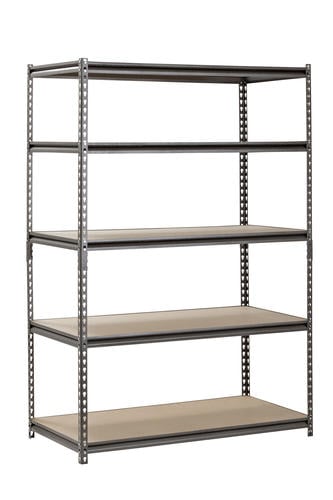
Global procurement teams choose sourcing models based on control, risk, and long-term operating value, not only on unit price. In warehouse infrastructure projects, many buyers find that working directly with a racks factory creates clearer accountability from design to delivery. A racks factory can align technical drawings, material grades, and load expectations earlier, which reduces late-stage surprises. For cross-border purchasing, that direct relationship often becomes a strategic advantage rather than a simple transaction.
The preference for a racks factory is strongest when buyers manage multiple facilities, strict compliance needs, or phased expansion timelines. Instead of translating requirements through several intermediaries, teams can communicate directly with engineering and production. That direct path helps global buyers protect schedule certainty, technical consistency, and lifecycle cost targets. It also gives procurement leaders better confidence that what is approved in specification reviews is exactly what arrives on site.
Strategic Control and Procurement Clarity
Direct Communication Reduces Specification Drift
One major reason global buyers prefer a racks factory is the reduction in communication layers. When project requirements pass through multiple trading entities, details can change subtly at each handoff. A racks factory receives original load data, aisle constraints, pallet dimensions, and safety expectations without repeated reinterpretation. This preserves intent and keeps engineering decisions tied to operational reality.
In B2B environments, specification drift is costly because even small deviations can affect permit approvals, installation sequencing, and equipment integration. Working with a racks factory gives buyers a direct review loop for drawings, tolerances, and finish requirements. Teams can validate assumptions quickly and document decisions with fewer gaps. That is especially valuable in multinational projects where local site conditions differ but corporate standards must remain consistent.
Faster RFQ Cycles and Cleaner Decision Records
A direct sourcing model with a racks factory can shorten the RFQ-to-PO timeline by making technical clarifications faster. Procurement and engineering stakeholders can resolve open points in focused discussions rather than waiting for relayed responses. This helps buyers compare options on real technical merit, not incomplete summaries. It also supports stronger internal governance because decision logs are clearer and easier to audit.
When buyers engage a racks factory early, commercial negotiation and technical validation progress in parallel. That lowers the risk of selecting a low quote that later requires expensive redesign. Many organizations now view direct factory engagement as part of procurement risk management, not just vendor preference. The result is better cross-functional alignment between sourcing, operations, and finance teams.
Quality Consistency and Engineering Alignment
Specification Ownership from Design to Production
Quality outcomes improve when the same racks factory that reviews the design also controls production execution. Material thickness, connection design, surface treatment, and load performance are easier to manage under one technical authority. Buyers gain confidence that approved documents are translated into manufacturing instructions without loss of detail. This continuity is a core reason a racks factory model is favored in industrial procurement.
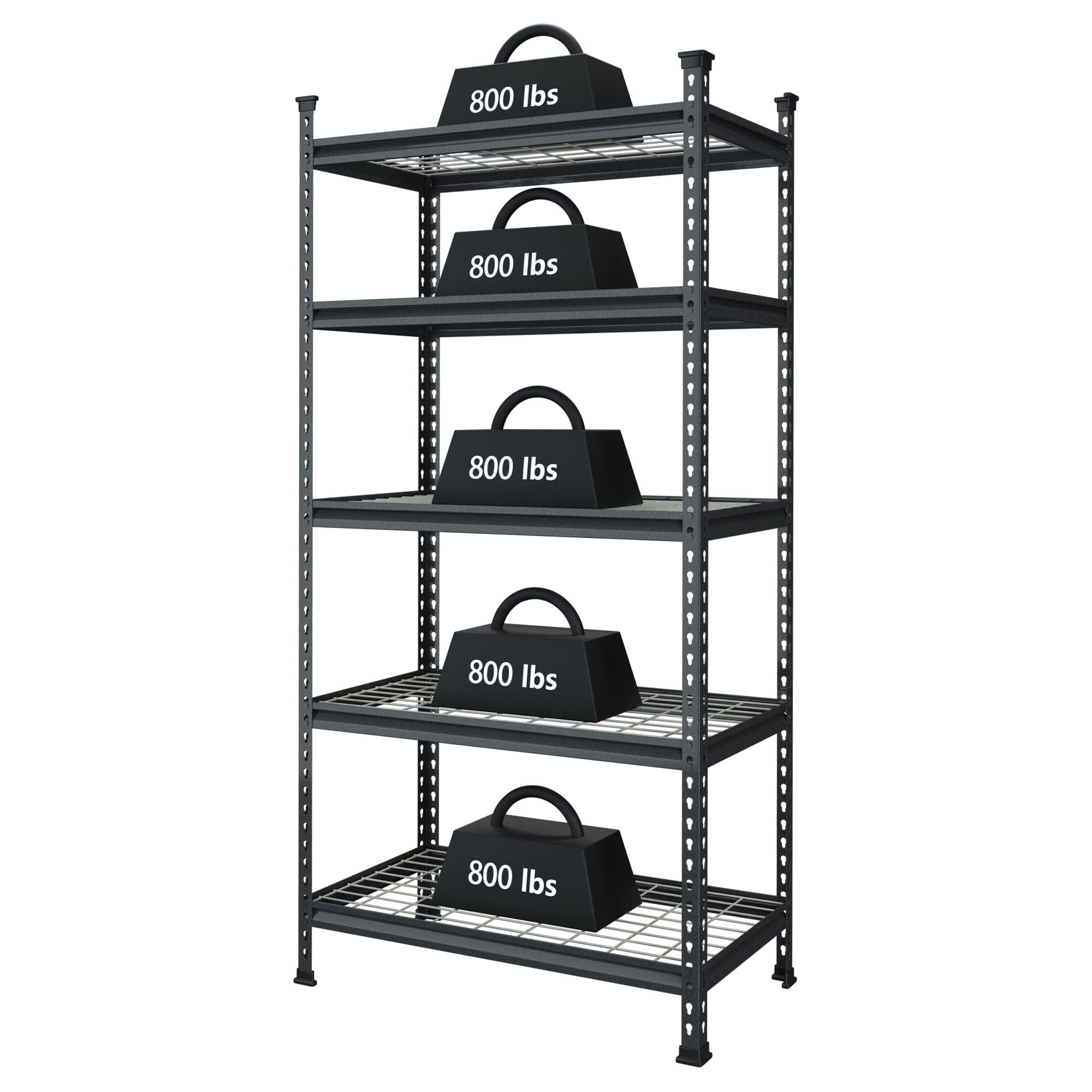
Global projects often require repeatability across multiple shipments over months or years. A racks factory with documented process control can maintain consistency across batches and site phases. That matters for installation predictability and spare-part compatibility later. For buyers, consistency is not a minor benefit; it protects uptime and reduces hidden operational friction.
Process Visibility Supports Compliance and Risk Reduction
Compliance expectations in industrial projects are increasing, and buyers need traceability across materials and production steps. Working directly with a racks factory provides better visibility into inspection routines, welding checks, coating processes, and packaging standards. This helps teams verify that quality control is embedded in the process rather than added at the end. Better visibility also supports stronger acceptance protocols on arrival.
A transparent racks factory relationship can reduce disputes because technical evidence is easier to access when questions arise. Procurement teams can connect non-conformance findings to root causes quickly and define corrective actions with the right people. That practical responsiveness lowers project risk and supports long-term trust. In global sourcing, trust built on process transparency is often more valuable than short-term price concessions.
Cost Structure and Total Landed Value
Fewer Commercial Layers Improve Cost Clarity
Global buyers do not prefer a racks factory only because of potential unit cost benefits; they prefer it because it clarifies total cost structure. With fewer intermediaries, pricing discussions can separate raw material impact, fabrication complexity, finishing choices, and logistics assumptions. This transparency helps procurement teams evaluate trade-offs with precision. It also improves forecasting accuracy for multi-phase rollouts.
When sourcing through a racks factory, buyers can negotiate based on technical scope instead of packaged markups that are hard to unpack. That is useful when projects require staged deliveries, mixed SKU profiles, or custom dimensions. Clear cost logic enables better internal approvals and fewer budget surprises. Over the full project lifecycle, this can produce stronger landed-value performance than focusing on headline price alone.
Reduced Rework and Better Lifecycle Economics
A direct racks factory model can lower rework risk by ensuring design assumptions are validated against manufacturing reality before production begins. Avoiding rework protects installation schedules, labor budgets, and launch milestones. Even a single mismatch in beam level, anchoring detail, or accessory compatibility can create expensive downstream effects. Buyers prefer relationships that minimize these avoidable disruptions.
Lifecycle economics also improve when a racks factory maintains stable documentation and component continuity for future expansions. Facilities rarely remain static, and expansion projects are easier when the original engineering basis is accessible. Buyers can then add capacity with fewer integration problems and less site downtime. This long-view cost benefit is a practical reason direct factory partnerships keep growing in global logistics and industrial sectors.
Many teams evaluating warehouse infrastructure begin with a product discussion and then move into sourcing strategy, and that transition is where a direct racks factory relationship can add measurable value. Technical fit, schedule reliability, and service continuity become easier to manage when the commercial and engineering channels are unified.
Long-Term Partnership Value for Global Operations
Scalable Customization for Multi-Site Growth
Global buyers often expand in phases, opening or upgrading facilities in different regions over time. A committed racks factory can support this growth with modular customization that stays aligned to corporate operating standards. Instead of restarting design logic for each site, teams can adapt a validated baseline quickly. This creates speed without sacrificing control.
Because a racks factory understands historical project decisions, it can propose practical adjustments for new building layouts, throughput targets, or safety requirements. That continuity reduces engineering restart costs and shortens deployment cycles. For procurement leaders, scalability with consistency is a major strategic benefit. It turns supplier engagement into an extension of operational planning.
Post-Delivery Support and Relationship Stability
Post-delivery performance matters as much as initial installation, especially in high-throughput warehouses where downtime is expensive. Buyers prefer a racks factory that can respond to replacement needs, accessory updates, and expansion requests with accurate historical context. Direct records of prior production runs improve support quality. This lowers resolution time when field issues appear.
Relationship stability is another reason a racks factory model is attractive in B2B procurement. As organizations standardize across regions, they need partners who can maintain technical continuity and communication discipline. A stable factory partnership helps preserve institutional knowledge on both sides. Over time, this shared knowledge base strengthens project outcomes and decision speed.
FAQ
Why does working with a racks factory improve project predictability?
Project predictability improves because a racks factory reduces communication layers and keeps design, production, and quality decisions connected. Buyers get faster clarification on drawings, load assumptions, and manufacturing constraints. This alignment lowers late-stage changes that typically cause delay and cost escalation. The direct model gives procurement teams cleaner visibility from RFQ through delivery.
Is a racks factory model only useful for very large enterprises?
No, the value of a racks factory is relevant for mid-sized and large buyers whenever technical accuracy and timeline reliability matter. Even smaller multi-site operations benefit from consistent specifications and better post-delivery continuity. The key factor is project complexity and growth intent, not company size alone. If racking decisions affect operational uptime, direct factory engagement is usually beneficial.
How does a racks factory support quality assurance in cross-border orders?
A racks factory can provide process-level visibility on material control, fabrication checks, coating quality, and packaging standards. That visibility helps buyers define acceptance criteria before shipment and validate compliance more effectively on arrival. When issues occur, root-cause analysis is faster because technical records are accessible. This creates stronger quality assurance across long-distance supply chains.
What makes a racks factory relationship strategic rather than transactional?
A racks factory relationship becomes strategic when it supports repeatable standards, phased expansion, and lifecycle cost control across multiple projects. Buyers gain a partner that understands prior engineering decisions and can scale solutions with fewer restarts. Over time, this improves decision speed, lowers rework risk, and strengthens operational continuity. The result is long-term business value beyond a single purchase order.

