 EN
EN

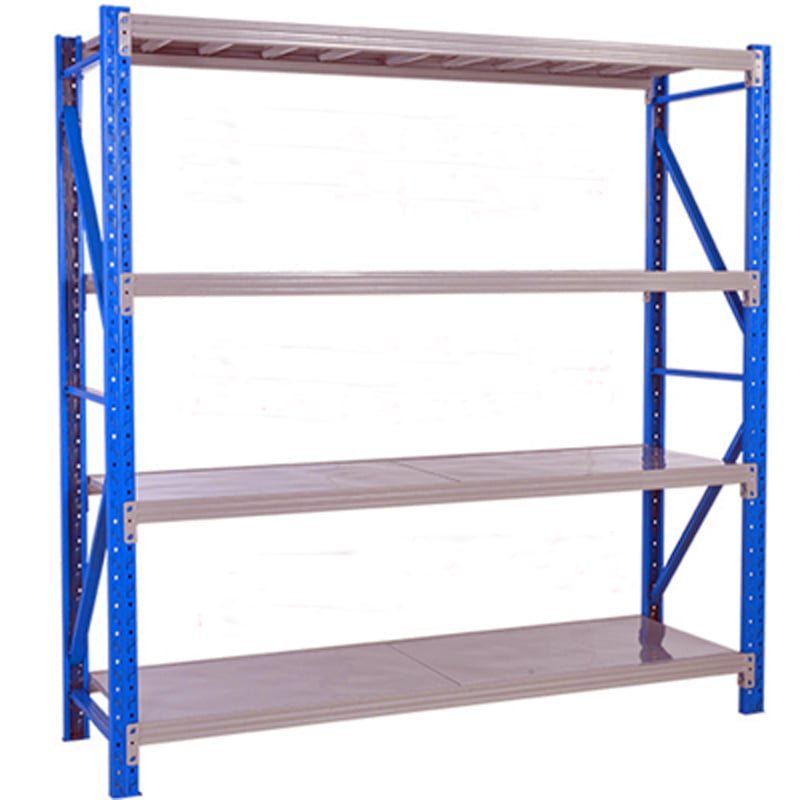
Buying metal shelving in bulk is not mainly about finding the lowest unit price. For B2B buyers, the bigger decision is whether metal shelving will keep inventory accurate, protect handling speed, and stay reliable under daily load cycles for years. The factors that matter most are operational fit, lifecycle cost, structural suitability, and implementation risk, because each one directly affects throughput and margin. A strong bulk purchase of metal shelving should solve storage pressure today while preserving flexibility for changing SKUs, staffing, and fulfillment patterns.
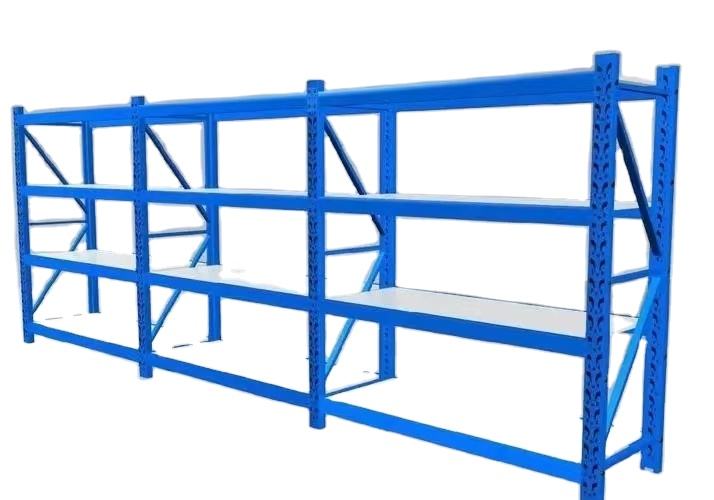
In practice, procurement teams that succeed with metal shelving define performance requirements before requesting volume pricing. They align warehouse layout, product mix, and replenishment rhythm with the right metal shelving configuration, then validate installation constraints and maintenance expectations. That sequence prevents overspending on features that add little value and avoids under-specifying metal shelving that later causes sagging decks, aisle congestion, and costly retrofits. The most valuable decision framework is therefore criteria-driven, not catalog-driven.
Operational fit determines whether bulk metal shelving creates real productivity
SKU profile and handling rhythm shape the right storage architecture
The first priority when selecting metal shelving is understanding what will actually sit on each level and how often it moves. Light, fast-moving cartons require different spacing and deck behavior than dense component bins, and both differ from mixed-case replenishment flows. When buyers map cube, weight, pick frequency, and touch count, they can match metal shelving depth, tier count, and bay width to the real workload instead of generic assumptions.
This matters in bulk procurement because repeating a small design error across many bays multiplies inefficiency. If metal shelving is too deep for common SKU dimensions, pickers overreach and slow down. If shelf elevations are inconsistent with item heights, usable volume drops and locations become fragmented. Good operational fit means metal shelving supports predictable put-away and picking without forcing procedural workarounds.
Space utilization must be balanced with aisle performance
High-density planning often focuses on maximizing cubic capacity, but metal shelving decisions should also preserve travel efficiency. Narrowing aisles and extending runs can raise theoretical storage count while increasing congestion during peak windows. The right bulk strategy for metal shelving evaluates both occupancy and flow, so forklift traffic, manual picking, and replenishment paths remain stable under pressure.
When layout teams model inbound staging, reserve storage, and forward pick zones together, metal shelving becomes an active part of throughput design. In this context, one well-matched metal shelving system can reduce travel waste more than a lower-cost system that forces constant slotting adjustments. Bulk buying should reward flow efficiency, not just slot count.
Total cost of ownership matters more than unit price in bulk buying
Lifecycle economics reveal the true value of metal shelving
Unit pricing is visible, but lifecycle cost is where most savings or losses occur. Metal shelving in bulk affects installation labor, reconfiguration effort, inspection frequency, and replacement intervals. A system that looks cheaper on day one can become expensive when shelf levels are difficult to adjust, components are easily damaged, or add-on bays require nonstandard parts.
Procurement teams should calculate expected cost per storage position over the intended service life of metal shelving. Include not only purchase and freight, but also downtime during setup, maintenance labor, and disruption during facility changes. When these factors are considered early, buyers often choose metal shelving that delivers lower cost per productive location, even when the sticker price is higher.
Scalability and reconfiguration protect long-term capital
Bulk purchases should anticipate growth scenarios, seasonal shifts, and SKU turnover. If metal shelving cannot be expanded or re-leveled quickly, future layout changes can force partial replacement. Adjustable metal shelving with consistent component logic helps facilities scale zone by zone without rebuilding complete aisles.
This flexibility is especially important in multi-client or multi-category operations where demand changes quickly. Reusable uprights, compatible decking, and modular bay extensions allow metal shelving to follow business changes instead of constraining them. In financial terms, adaptable metal shelving preserves asset value and reduces stranded capital over time.
Structural and technical specifications are core risk controls
Load rating integrity is non-negotiable for safety and continuity
Load capacity should be assessed at shelf level and bay level, with realistic distribution assumptions. Metal shelving that performs well under uniform static load may behave differently with point loads, frequent impacts, or uneven stocking habits. Buyers should verify how load ratings are defined and ensure that daily operations will not push metal shelving outside safe limits.
In bulk environments, isolated overload events can become systemic if teams assume every location is interchangeable. Clear load labeling, consistent training, and proper bay design help metal shelving maintain structural reliability. The goal is not only compliance, but uninterrupted operations with fewer emergency repairs.
Material finish and environment compatibility affect durability
Metal shelving selection should account for humidity, temperature fluctuation, dust, and cleaning practices. Coating quality, corrosion resistance, and deck construction influence how long metal shelving stays stable and safe. Warehouses with frequent washdown, high moisture, or abrasive particulates need metal shelving that resists surface degradation and connector wear.
Durability choices become more important when quantities are large because replacement programs are disruptive and expensive. A well-chosen finish extends service intervals and keeps metal shelving visually legible for labels and inspections. Over several years, this improves housekeeping standards and reduces failure risk in high-traffic zones.
Implementation quality decides how fast bulk metal shelving delivers ROI
Site readiness and installation planning reduce startup friction
Even the right metal shelving can underperform if rollout is rushed. Floor condition, anchoring approach, staging sequence, and installation crew coordination all shape the first months of use. Buyers should define acceptance criteria for alignment, plumb tolerance, and deck fit before receiving large volumes of metal shelving.
A phased deployment often works best, allowing teams to validate one zone and refine work instructions before scaling. This approach catches minor design or workflow issues early, when correction is inexpensive. In bulk programs, disciplined commissioning protects the value of metal shelving and shortens the path to stable productivity.
Training and governance sustain performance after go-live
Post-installation behavior determines whether metal shelving remains efficient. Staff need clear guidance on load placement, shelf adjustment protocols, and incident reporting. Without governance, metal shelving layouts drift over time, reducing slotting logic and increasing handling errors.
Routine audits keep metal shelving aligned with operational standards. Supervisors can track deformation signs, loose connectors, and aisle encroachment before they create safety exposure. This management discipline turns metal shelving from a static purchase into a controlled infrastructure asset.
Procurement criteria should be documented before committing volume
Specification clarity prevents mismatch across large orders
Bulk projects succeed when technical requirements are explicit and shared across procurement, operations, and safety teams. A clear specification for metal shelving should define dimensions, adjustability increments, load limits, coating expectations, and compatibility rules. This reduces interpretation gaps and prevents receiving mixed configurations that complicate deployment.
Documentation also strengthens quality checks at receiving and during installation. Teams can verify that metal shelving shipments match approved criteria before labor is committed. In large purchases, this control point is essential because correction after full deployment is slow and expensive.
Decision governance aligns finance, operations, and risk
The best buying decisions happen when stakeholders evaluate metal shelving through a shared scorecard. Finance emphasizes lifecycle cost, operations focuses on flow and slotting, and EHS reviews load and stability controls. A structured review process prevents single-factor decisions that look good in procurement data but fail in daily warehouse reality.
When criteria are aligned, metal shelving investments deliver predictable outcomes: safer storage, faster handling, and easier adaptation as demand changes. That is why the most important factors are not isolated product features, but the combined fit of metal shelving with your process, risk profile, and growth plan.
FAQ
How many years should bulk metal shelving be expected to last in industrial use?
Service life depends on load discipline, environmental exposure, and maintenance quality, but industrial metal shelving is typically evaluated as a multi-year asset rather than a short-term fixture. Consistent inspections, correct loading, and timely part replacement extend usable life significantly. Buyers should estimate lifespan using real operating conditions, not ideal assumptions.
What is the most common mistake when buying metal shelving in bulk?
The most common mistake is selecting metal shelving primarily by unit price without validating workflow fit. This often leads to poor slotting efficiency, reconfiguration delays, and avoidable labor waste. A criteria-led process that includes operations data usually prevents this problem.
Should all warehouse zones use the same metal shelving configuration?
Uniformity simplifies procurement, but a single configuration may not suit every zone. Forward pick, reserve stock, and returns areas often require different shelf spacing or depth to keep performance stable. Many facilities use a standardized metal shelving family with controlled variations by zone.
When is it worth paying more upfront for metal shelving?
Paying more is justified when the upgraded metal shelving lowers lifecycle cost through better durability, easier adjustment, safer load behavior, or faster deployment. The decision should be based on cost per productive storage position over time, not purchase price alone. In bulk programs, these differences compound quickly.
Table of Contents
- Operational fit determines whether bulk metal shelving creates real productivity
- Total cost of ownership matters more than unit price in bulk buying
- Structural and technical specifications are core risk controls
- Implementation quality decides how fast bulk metal shelving delivers ROI
- Procurement criteria should be documented before committing volume
- FAQ

