 EN
EN

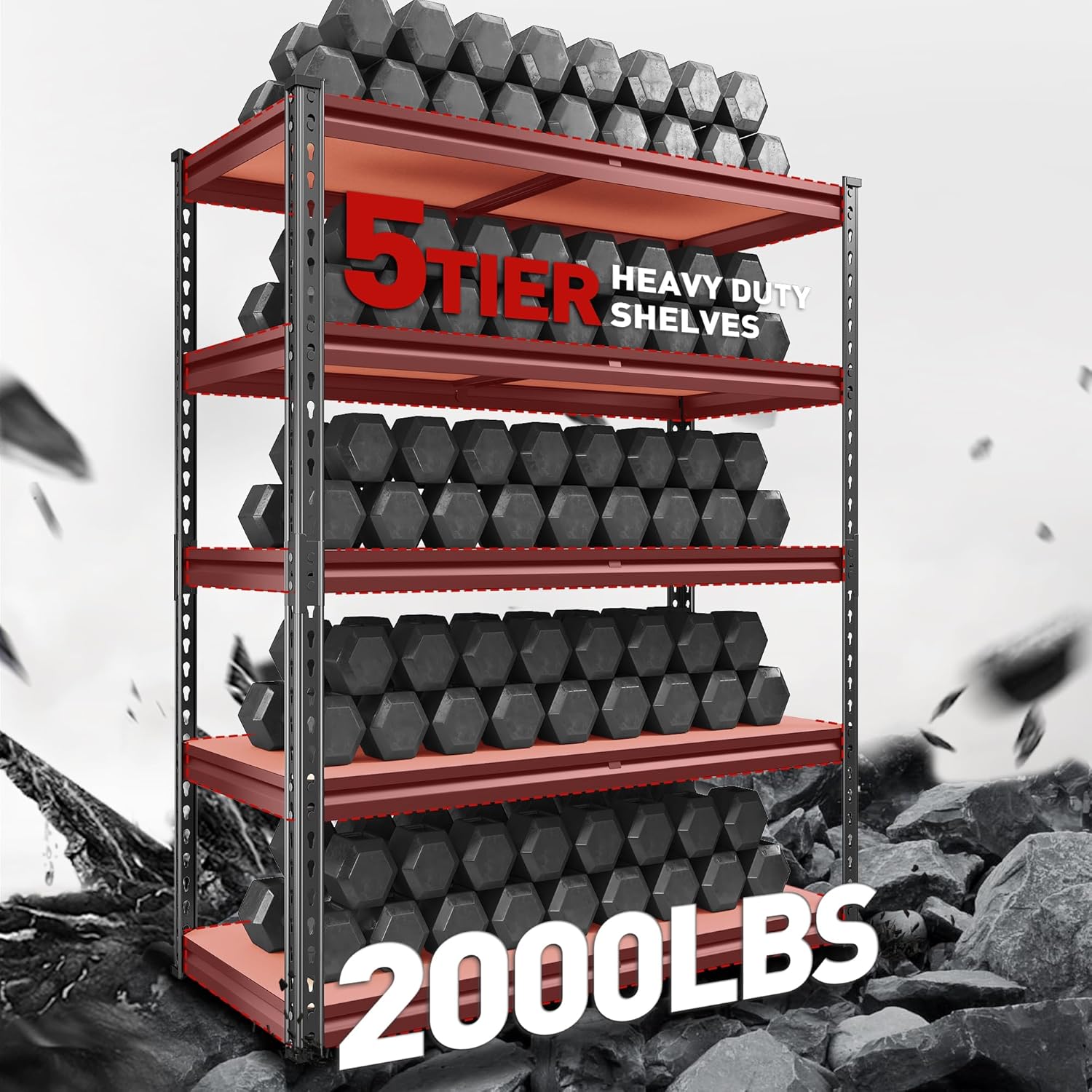
Modern storage systems are expected to do far more than hold inventory. They must support fast receiving, accurate picking, safe handling, and continuous movement across shifts. In that environment, heavy duty racks are not optional infrastructure; they are the structural backbone that makes storage performance predictable. When facilities scale product variety and order volume at the same time, racks become essential because they turn limited floor space into organized, load-ready capacity.
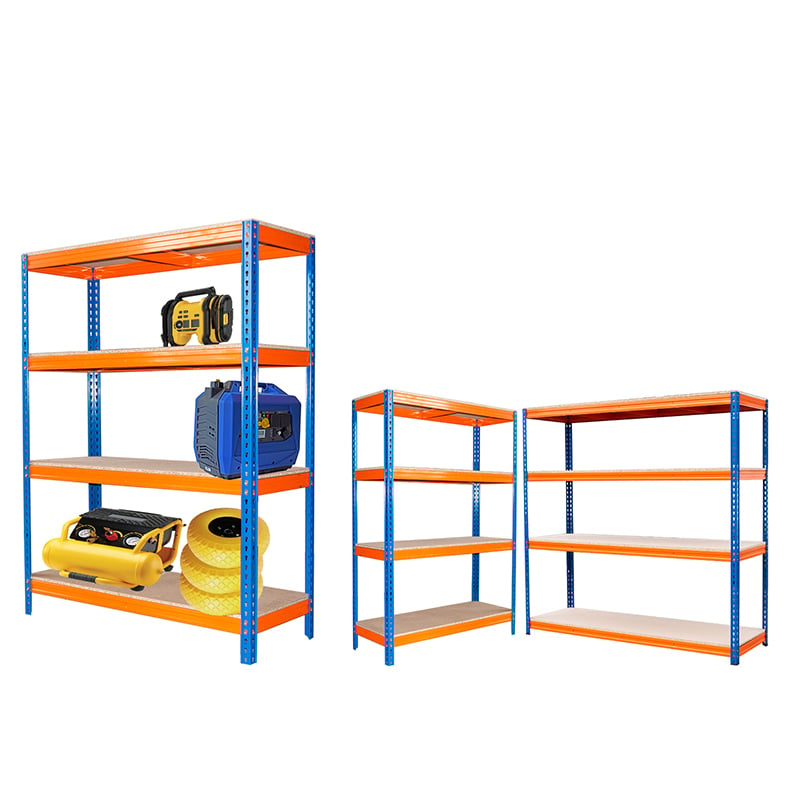
The core reason heavy duty racks matter in modern operations is simple: without reliable racks, every other storage process becomes slower, riskier, and more expensive. Layout planning, labor efficiency, inventory visibility, and safety compliance all depend on how well racks are specified and deployed. For B2B and industrial users, racks are essential not because they look organized, but because they directly influence uptime, throughput, and long-term cost control.
Operational Pressure Makes Heavy Duty Racks a Necessity
Rising throughput demands require stable storage structure
Most modern facilities operate under tighter service windows than they did a few years ago. Receiving cycles are faster, replenishment is more frequent, and outbound accuracy standards are stricter. Under these conditions, heavy duty racks provide dependable structure so teams can locate, store, and retrieve goods without constant rehandling. Well-designed racks reduce confusion at the aisle level and create consistent storage logic across shifts.
When throughput rises, weak storage setups fail first at touchpoints where goods are moved repeatedly. Heavy duty racks absorb that operational stress by keeping load positions stable and accessible. Instead of creating temporary floor stacks that block movement, racks preserve flow paths for people and equipment. That is one of the key reasons racks are essential in modern storage systems rather than a secondary add-on.
Higher SKU complexity needs disciplined slotting and access
Industrial businesses now manage a wider mix of product dimensions, packaging types, and turnover patterns. This complexity can quickly overwhelm storage zones that lack structural order. Heavy duty racks create defined vertical and horizontal locations, which supports logical slotting by velocity, size, or handling method. As SKU count grows, racks keep the storage model usable instead of chaotic.
Operational discipline also depends on visibility. With properly arranged racks, teams can identify open locations, validate replenishment needs, and reduce misplaced stock. That improves inventory confidence at the point of use, not just in reports. In modern systems, racks are essential because they connect physical storage reality with day-to-day execution.
Heavy Duty Racks Deliver Direct Business Value
Space utilization improves without sacrificing safety
Floor expansion is expensive, but unused vertical volume is often available inside existing facilities. Heavy duty racks unlock that vertical capacity while maintaining controlled load placement. This allows operations to increase storage density without defaulting to crowded floor stacking. In practical terms, racks help businesses delay capital expansion by improving the productivity of current space.
Safety remains central when density increases. Heavy duty racks are designed to handle substantial loads in repeatable positions, which lowers the chance of unstable stacking and accidental collapse. Facilities that invest in engineered racks can support denser storage while keeping handling behavior more consistent. That balance between capacity and safety explains why racks are essential in modern storage planning.
Cost control becomes more predictable over time
Storage costs are not limited to equipment purchase. They include labor time, handling errors, damage events, and disruption from poor layout decisions. Durable racks reduce hidden cost drivers by organizing flow and minimizing unnecessary touches. Over months and years, those effects are often more valuable than short-term savings from lighter storage alternatives.
Decision-makers evaluating long-term value usually focus on lifecycle outcomes: maintenance stability, adaptability, and reliability under changing demand. In that context, racks built for industrial loads provide a practical foundation for sustained performance. Modern storage systems rely on predictable structure, and heavy duty racks are one of the most effective ways to secure that predictability.
Heavy Duty Racks Strengthen Process Quality Across the Facility
Load distribution and product protection improve handling outcomes
In high-activity environments, load stability is directly tied to product integrity. Heavy duty racks support controlled weight distribution so stored items remain stable between movements. That reduces deformation, tipping risk, and pressure-related damage that can occur with unmanaged stacking. For many operations, fewer damage incidents quickly justify investment in stronger racks.
Product protection also depends on how frequently items must be moved to access adjacent stock. With well-structured racks, access paths are clearer and retrieval is more targeted, so teams disturb fewer units during picking. Less unnecessary movement means less exposure to impact and handling mistakes. This is another reason racks are essential: they improve storage quality while supporting speed.
Workflow consistency supports labor efficiency and training
Labor efficiency improves when storage locations follow stable, repeatable logic. Heavy duty racks create permanent reference points for receiving, put-away, replenishment, and pick tasks. New operators can learn faster because rack zones are structured and easier to interpret. Experienced teams also benefit because racks reduce the cognitive load of finding and validating stock.
Consistency is especially valuable in multi-shift facilities where handoffs can introduce errors. When racks are mapped clearly, each shift inherits the same physical logic and can maintain performance standards. This reduces rework and supports better schedule adherence. In modern storage systems, racks are essential because they make process quality less dependent on individual memory and more dependent on system design.
Heavy Duty Racks Enable Adaptability and Risk Control
Scalable layouts support growth and changing inventory profiles
Business growth rarely follows a perfectly linear path. Demand spikes, seasonal patterns, and changing product mixes can all force rapid layout adjustments. Heavy duty racks provide modular structure that can be reconfigured by bay, level, or zone to align with new requirements. This flexibility helps operations respond faster without redesigning the entire facility.
Adaptability also matters during strategic shifts such as new service models or expanded fulfillment windows. Racks that support multi-layer organization make it easier to separate fast movers, reserve stock, and special handling categories. Instead of rebuilding from scratch, teams can evolve storage logic within existing racks. That responsiveness is a major reason racks remain essential in modern storage systems.
Compliance, audit readiness, and operational resilience improve
Industrial facilities are increasingly expected to document safe practices and consistent inventory control. Heavy duty racks support clearer zoning, safer load placement, and better physical accountability for stored goods. During audits or internal reviews, organized racks make it easier to demonstrate that storage methods are controlled rather than improvised. This reduces compliance friction and supports governance goals.
Resilience is equally important. Disruptions such as labor shortages, peak season surges, or schedule compression expose weak infrastructure quickly. Facilities with stable racks can absorb pressure with less operational volatility because the storage foundation remains reliable. In practical business terms, racks are essential because they help protect service continuity when conditions become less predictable.
FAQ
Why are heavy duty racks more important now than in traditional storage models?
Modern operations run faster, hold more SKU variation, and face tighter service expectations, so storage errors have bigger consequences. Heavy duty racks provide the structural reliability needed for high-frequency handling and dense organization. Compared with traditional loose storage practices, racks create better control over space, safety, and movement. That is why racks are now a core requirement rather than a secondary upgrade.
Can heavy duty racks reduce total operating cost even with higher upfront investment?
Yes, because total cost is driven by long-term performance, not purchase price alone. Heavy duty racks lower hidden losses related to damage, inefficient travel, rehandling, and disorganized replenishment. When racks support stable workflow and better slotting, labor hours are used more effectively. Over time, those gains often produce stronger financial outcomes than low-cost storage setups.
Are heavy duty racks suitable for facilities with changing product dimensions?
They are suitable when configured with flexibility in mind. Many rack layouts can be adjusted to accommodate changing carton sizes, mixed load profiles, and revised storage zones. This allows operations to keep using existing racks as inventory characteristics evolve. In dynamic environments, adaptable racks are essential for maintaining order without constant infrastructure replacement.
What is the biggest risk of operating without properly designed racks?
The biggest risk is compounded operational instability. Without dependable racks, space becomes harder to manage, handling errors increase, and safety exposure rises under pressure. Those issues affect service reliability, inventory confidence, and labor productivity at the same time. Modern storage systems depend on predictable physical structure, and racks are the element that secures it.
Table of Contents
- Operational Pressure Makes Heavy Duty Racks a Necessity
- Heavy Duty Racks Deliver Direct Business Value
- Heavy Duty Racks Strengthen Process Quality Across the Facility
- Heavy Duty Racks Enable Adaptability and Risk Control
-
FAQ
- Why are heavy duty racks more important now than in traditional storage models?
- Can heavy duty racks reduce total operating cost even with higher upfront investment?
- Are heavy duty racks suitable for facilities with changing product dimensions?
- What is the biggest risk of operating without properly designed racks?

