 EN
EN

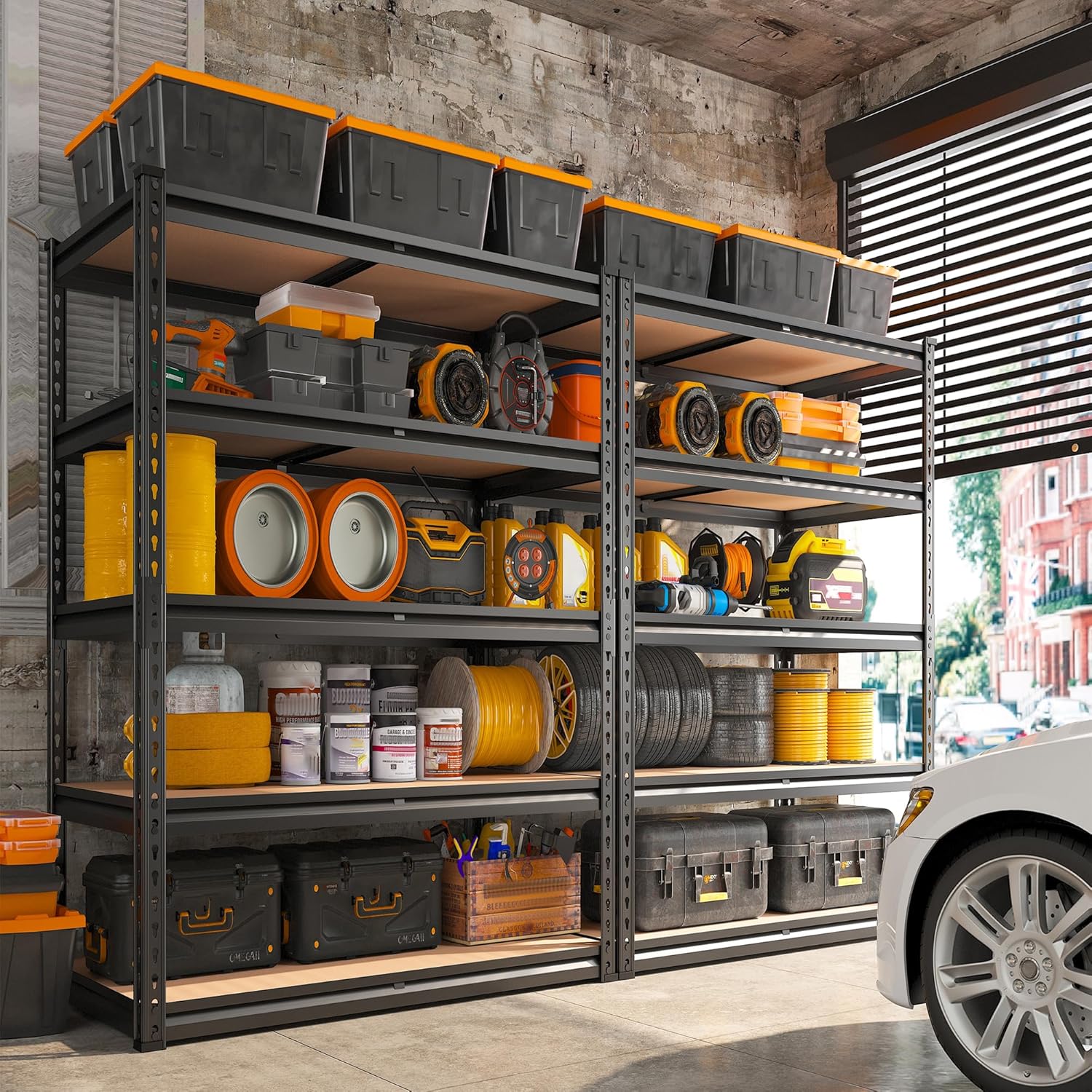
Choosing industrial racks is not only about storage capacity. The right racks directly shape picking speed, replenishment flow, labor safety, and inventory accuracy across the warehouse. If your layout, load profile, and handling method do not match your racks, even a large facility can feel crowded, slow, and expensive to run. Efficient warehouse management starts when racks are selected as part of an operating system, not as standalone equipment.
A practical way to choose racks is to move from workflow to structure: first define what must move quickly, what can be stored deeply, and what requires frequent access; then match those needs to rack geometry, load rating, and aisle design. This approach avoids common mistakes such as buying racks with the wrong depth, selecting shelf levels that cannot support carton turnover, or installing racks that reduce forklift productivity. The outcome is a warehouse where racks support throughput, not friction.
Define Operational Requirements Before Selecting Racks
Map inventory behavior and handling patterns
Start by classifying inventory by movement frequency, unit size, and replenishment rhythm. Fast-moving SKUs need racks that support short travel paths and fast face access, while slower items can use denser rack zones. When managers skip this step, they often choose racks based on available floor area alone, which creates downstream bottlenecks in order processing. Good warehouse planning treats racks as process infrastructure tied to demand variability.
You also need to map how goods enter and leave storage positions. Pallet in, case out, and piece-picking each place different demands on racks. If operators repeatedly break pallets in congested aisles, the issue is usually not labor discipline but rack configuration. Aligning racks with handling patterns reduces touches, reduces congestion, and improves cycle-time stability.
Set clear performance targets for storage zones
Before purchasing racks, define measurable targets such as picks per hour, replenishment time, and storage utilization. These targets help you decide where selective access matters more than maximum density. Without performance targets, teams tend to overemphasize cubic capacity and underemphasize flow quality, which is why some new racks still fail to improve efficiency. Decision clarity comes from linking rack choices to operating KPIs.
It is also useful to separate reserve storage from forward picking in the design phase. Reserve areas can use racks focused on depth and load endurance, while pick faces need visibility and ergonomic reach. When both roles are mixed in one rack layout, travel distance increases and replenishment interrupts picking. Purpose-based zoning ensures racks support each task at the right pace.
Match Racks to Load Characteristics and Space Constraints
Confirm load weight, dimensions, and stability requirements
Industrial racks must be selected against real load conditions, not average assumptions. Unit weight, pallet condition, carton overhang, and point loading all influence whether racks remain safe and reliable over time. Overlooking these factors leads to shelf deformation, beam stress, and preventable maintenance costs. Accurate load profiling protects both people and productivity.
Dimension compatibility is equally critical. The depth and width of racks should support stable placement without excessive overhang that interferes with adjacent lanes. If your warehouse handles variable package sizes, adjustable racks can prevent repeated rework as SKU mix changes. Flexible racks reduce disruption when inventory profiles shift seasonally.
Design aisle width and vertical clearance around equipment
Racks do not operate in isolation from material handling equipment. Forklift turning radius, lift height, mast clearance, and operator sightlines must all be considered when setting aisle width and rack height. A dense rack plan that ignores truck movement may increase theoretical capacity but lower real throughput. Efficient layouts balance racks and vehicle movement as one system.
Vertical planning matters as much as floor planning. Ceiling obstructions, lighting positions, and sprinkler clearances can limit how high racks can safely extend. Warehouses that maximize vertical cube with properly specified racks often improve storage efficiency without expanding footprint. The key is to convert available height into usable positions without compromising access and compliance.
Choose Rack Configurations That Improve Daily Throughput
Select access logic based on order profile
The best racks for efficiency are the ones that match your order profile. High-SKU, low-quantity operations usually require racks that support direct access and quick location confirmation. Batch-oriented operations may prioritize denser racks where replenishment can be planned in larger waves. Throughput improves when rack access logic reflects order reality, not generic design templates.
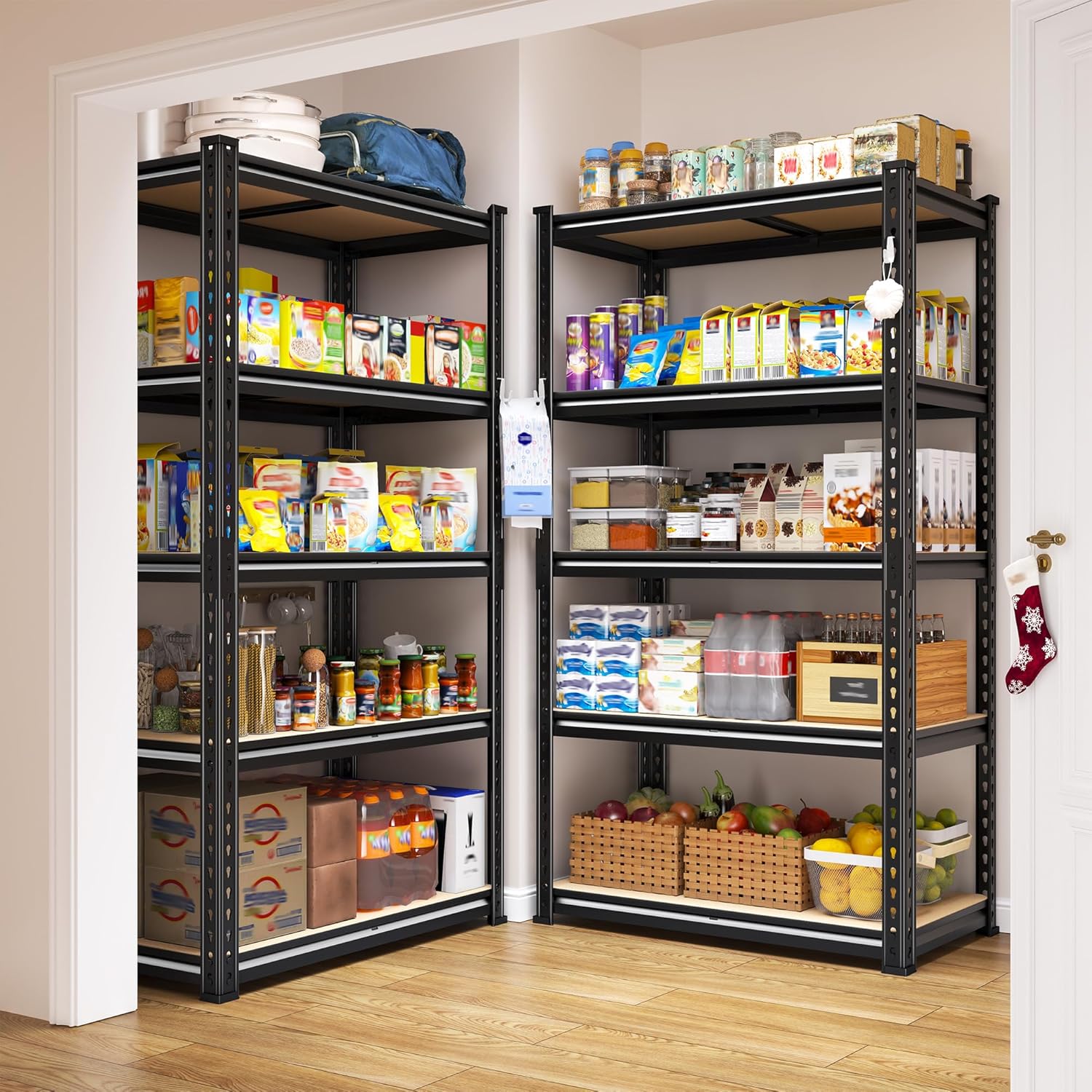
For many facilities, combining multiple rack zones delivers better results than forcing one universal format. Fast-pick areas can use racks with easy front access, while bulk areas use racks designed for high load concentration. This hybrid model allows each process to run at appropriate speed. Warehouse efficiency increases when racks are assigned by function, not by convenience.
Balance density, accessibility, and replenishment effort
Every rack decision is a trade-off between density and accessibility. Very dense racks can reduce floor consumption, but they may increase retrieval time and replenishment complexity. Highly accessible racks accelerate picking but can leave unused cube if not dimensioned well. The right answer depends on labor cost, service level commitments, and inventory turnover patterns.
During evaluation, review how often staff will replenish each rack face and how far they must travel to do it. A layout that looks efficient on paper can fail when replenishment is frequent and fragmented. Well-chosen racks reduce total touches per order and maintain flow consistency during peak periods. That consistency is central to reliable warehouse management.
When adjustable modular storage is needed, many teams evaluate racks that allow shelf reconfiguration without major downtime. This helps operations adapt quickly to new packaging formats and changing SKU velocity. Adaptability is often a stronger long-term advantage than maximum initial density.
Evaluate Safety, Durability, and Lifecycle Efficiency
Prioritize structural integrity and operational safety
Efficient warehouse management is impossible when racks create safety risk. Beam engagement, upright protection, anchoring quality, and impact resistance should be verified before final selection. Minor collisions are common in active facilities, so racks must tolerate routine operational stress. Strong structural margins reduce downtime and protect inventory continuity.
Safety also depends on how clearly racks support visual management. Position labels, load signage, and unobstructed inspection lines help operators use racks correctly. If rack levels are hard to read or awkward to access, error rates usually rise. Good racks improve both physical safety and execution discipline.
Calculate total cost of ownership, not purchase price only
Lower upfront cost does not always mean better value. Racks should be evaluated across installation effort, expected maintenance, reconfiguration flexibility, and service life under actual loading cycles. A slightly higher-cost rack system may deliver better ROI if it lowers picking delay and damage incidents. Lifecycle thinking keeps rack decisions aligned with operational economics.
Plan for growth when specifying racks. If projected SKU count or order volume will increase, choose racks that can scale by bay extension or level adjustment with minimal interruption. Future-ready racks prevent costly redesign after only a short operating period. In industrial settings, scalability is a major part of efficiency, not an optional feature.
Implement and Validate Rack Performance After Installation
Commission racks with process-based testing
After installation, test racks under real operating scenarios before declaring the project complete. Run inbound put-away, replenishment, and peak-hour picking trials to detect choke points early. Some issues appear only when racks are used at full rhythm with live traffic. Structured commissioning ensures racks perform in practice, not only in design drawings.
Include supervisors, forklift operators, and inventory controllers in validation. Their feedback often reveals rack-level friction that planners miss, such as difficult pallet alignment or blind approach angles. Small adjustments to rack spacing or level assignment can produce major gains in throughput. Continuous tuning is part of choosing racks effectively.
Track metrics and refine rack strategy continuously
Warehouse conditions evolve, so rack strategy should evolve too. Monitor pick rate, replenishment frequency, travel distance, and location accuracy by zone to see whether racks are still aligned with demand. When SKU velocity changes, re-slotting within existing racks can restore flow without major capital spend. Data-guided refinement keeps storage efficient over time.
Set a periodic review cycle for rack condition and utilization. Regular audits identify overloaded levels, underused bays, and aisle conflicts before they become chronic issues. Well-managed racks remain a performance asset for years because decisions are updated as operations change. That is the practical path to efficient warehouse management through better rack selection.
FAQ
How do I know whether current racks are limiting warehouse efficiency?
Look for recurring signals such as frequent aisle congestion, repeated replenishment interruptions, high travel time per order, and rising pick errors in specific zones. When these patterns persist despite training, the issue often sits in rack layout or access logic. Reviewing rack fit against SKU movement and equipment paths usually reveals the root cause quickly.
Are adjustable racks better than fixed racks for industrial warehouses?
Adjustable racks are often better when SKU dimensions and turnover profiles change across seasons or customer programs. Fixed racks can still be effective in stable operations with consistent packaging and predictable load patterns. The decision should be based on expected change frequency, reconfiguration cost, and downtime tolerance.
What is the biggest mistake companies make when selecting racks?
The most common mistake is choosing racks by capacity alone while ignoring process flow. Dense storage can look efficient in a static plan but reduce real productivity if access becomes slow or replenishment becomes disruptive. Effective rack selection balances capacity, accessibility, safety, and labor flow from the beginning.
How often should industrial racks be reviewed after installation?
A formal review every quarter is common in active facilities, with additional checks after major SKU mix or volume changes. Regular inspections should cover structural condition, load compliance, and utilization balance across rack zones. Frequent review keeps racks aligned with operating reality and prevents gradual performance decline.

