 EN
EN

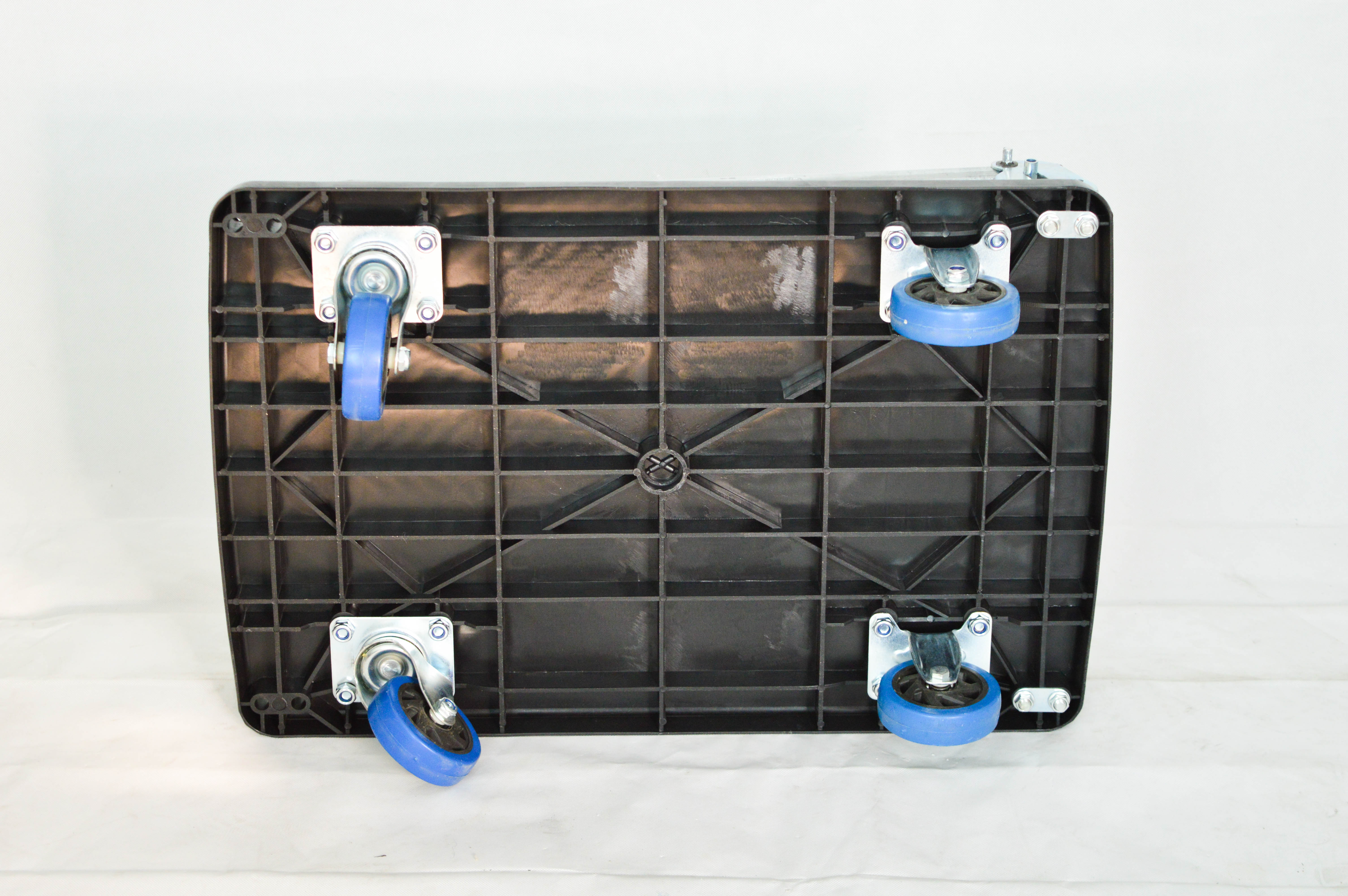
When investing in a heavy duty hand truck 300kg capacity model for industrial or commercial use, understanding the required safety certifications is not optional—it is a critical compliance and risk management necessity. Safety certifications validate that the equipment meets recognized standards for structural integrity, load capacity accuracy, material quality, and operational safety. For businesses operating in warehouses, logistics centers, manufacturing facilities, or retail environments, using certified equipment protects workers from injury, reduces liability exposure, and ensures adherence to occupational health and safety regulations. The certifications required for a heavy duty hand truck 300kg unit vary depending on geographic region, industry sector, and intended application, but certain baseline standards apply universally across professional environments.
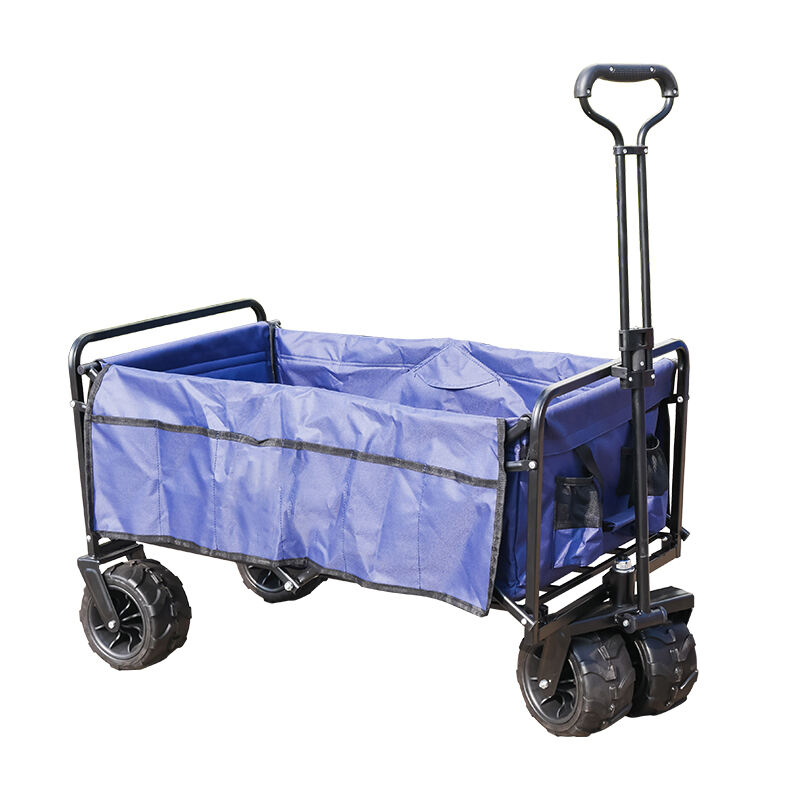
The specific safety certifications required for a heavy duty hand truck 300kg model depend on several factors including the region where the equipment will be used, the industry regulations governing that sector, and whether the hand truck incorporates powered components or remains purely manual. In European markets, CE marking is typically mandatory, indicating conformity with EU safety, health, and environmental protection standards. In North America, compliance with OSHA guidelines and ANSI standards is essential, while many businesses also seek products that meet or exceed ISO certification requirements for quality management and safety assurance. Understanding which certifications apply to your operational context helps ensure legal compliance, workplace safety, and optimal equipment performance throughout the service life of the hand truck.
Understanding Core Safety Certification Categories for Industrial Hand Trucks
Regional Regulatory Frameworks and Their Impact
Safety certification requirements for a heavy duty hand truck 300kg capacity are primarily determined by regional regulatory frameworks that govern workplace equipment standards. In the European Union, the Machinery Directive mandates that all industrial handling equipment, including heavy duty hand trucks, must carry CE marking to demonstrate compliance with essential health and safety requirements. This certification process involves rigorous testing of load capacity, structural stability, material strength, and ergonomic design. Manufacturers must provide technical documentation proving that the heavy duty hand truck 300kg model has undergone conformity assessment procedures and meets all applicable harmonized standards before the product can be legally sold or used within EU member states.
North American markets operate under different regulatory structures, with the Occupational Safety and Health Administration setting workplace safety standards and the American National Standards Institute publishing voluntary consensus standards that have become industry benchmarks. While OSHA does not certify individual products, it requires employers to ensure that all material handling equipment meets recognized safety standards and is appropriate for its intended use. A compliant heavy duty hand truck 300kg unit in North America typically adheres to ANSI MH29.1 standards, which specify requirements for design, construction, testing, and performance of industrial hand trucks. These standards address critical safety factors including load capacity rating, stability testing, wheel and axle strength, handle design, and warning label requirements.
International Standards and Cross-Border Compliance
For organizations operating across multiple jurisdictions or sourcing equipment internationally, understanding ISO certification becomes essential. The International Organization for Standardization provides globally recognized standards that facilitate trade and ensure consistent quality and safety benchmarks. A heavy duty hand truck 300kg model manufactured according to ISO 9001 quality management standards demonstrates that the producer maintains systematic processes for design, manufacturing, testing, and continuous improvement. While ISO 9001 itself does not specifically certify product safety, it establishes the management framework that supports consistent production of equipment meeting declared specifications and safety requirements.
ISO 14001 environmental management certification, though not directly related to operational safety, indicates that the manufacturer follows responsible environmental practices throughout the production lifecycle of the heavy duty hand truck 300kg. This can include responsible material sourcing, reduced hazardous substance use, and proper waste management. For organizations with corporate sustainability mandates or those operating in environmentally regulated industries, choosing equipment from ISO 14001 certified manufacturers aligns procurement decisions with broader organizational values. Additionally, ISO 45001 certification for occupational health and safety management systems indicates that the manufacturer prioritizes worker safety throughout their operations, which often correlates with higher attention to product safety features in the equipment they produce.
Mandatory Load Capacity and Structural Integrity Certifications
Static and Dynamic Load Testing Requirements
One of the most critical certification requirements for any heavy duty hand truck 300kg model involves verified load capacity testing. Regulatory standards require that rated capacity is not simply a theoretical calculation but is validated through rigorous physical testing under both static and dynamic conditions. Static load testing measures the structural integrity of the hand truck when loaded to its maximum rated capacity while stationary, ensuring that the frame, platform, wheels, axles, and handle assembly can safely support 300 kilograms without deformation, failure, or safety compromise. This testing must account for load distribution patterns, as concentrated loads in specific areas may create stress points different from evenly distributed weight.
Dynamic load testing evaluates how the heavy duty hand truck 300kg performs under realistic operational conditions, including movement across various surface types, turning maneuvers, ramp navigation, and sudden stops. This testing protocol is essential because forces experienced during actual use often exceed the static weight of the load due to momentum, vibration, and impact forces. Certification bodies require that hand trucks maintain structural integrity and operational safety when subjected to loads at or near maximum capacity while being pushed, pulled, and maneuvered through typical workplace environments. Test results must demonstrate that critical components including welds, fasteners, wheel bearings, and frame joints remain secure and functional throughout simulated service conditions.
Material Quality and Manufacturing Standards
Safety certifications for a heavy duty hand truck 300kg unit also encompass the quality and suitability of materials used in construction. Standards typically specify minimum material grades for structural components, requiring use of steel or aluminum alloys with documented tensile strength, yield strength, and fatigue resistance properties. Certification bodies verify that materials meet these specifications through material composition testing and mechanical property validation. For example, frame tubing may be required to meet specific ASTM or EN standards for structural steel, ensuring consistent material performance across production batches and adequate safety margins above rated working loads.
Welding quality represents another critical certification focus area for heavy duty hand truck 300kg models, as weld failures represent a primary cause of catastrophic equipment failure under load. Certified equipment must demonstrate that welding procedures follow recognized standards such as AWS D1.1 for structural welding of steel or equivalent international standards. This includes requirements for welder qualification, welding procedure specifications, appropriate filler materials, and post-weld inspection protocols. Many certification schemes require non-destructive testing of critical welds, including visual inspection, dye penetrant testing, or ultrasonic examination to detect subsurface defects that could propagate under cyclic loading conditions typical of hand truck service.
Ergonomic Safety and User Protection Certifications
Handle Design and Force Requirements
Modern safety certification standards for heavy duty hand truck 300kg equipment extend beyond structural integrity to encompass ergonomic design factors that protect operators from injury during normal use. Handle design receives particular scrutiny, with certification requirements specifying acceptable ranges for handle height, grip diameter, grip surface texture, and required pushing or pulling forces. These parameters are established based on ergonomic research demonstrating that improper handle design contributes to musculoskeletal disorders, particularly affecting the back, shoulders, and upper extremities of workers who regularly use material handling equipment.
Certification testing measures the force required to initiate movement of a loaded heavy duty hand truck 300kg unit across level surfaces and up inclines of various grades. Standards typically establish maximum acceptable force thresholds to ensure that operators can safely maneuver loaded equipment without excessive physical strain. For example, EN 1929-1 establishes force measurement protocols for wheeled equipment, while ANSI standards provide guidance on acceptable pushing and pulling forces for material handling tasks. Manufacturers seeking certification must design wheel systems, bearings, and overall equipment geometry to minimize required operating forces while maintaining stability and control. This often involves specification of large-diameter wheels with quality bearings, appropriate wheel materials for different floor surfaces, and geometric design that optimizes force distribution.
Stability and Tip-Over Prevention
Tip-over prevention represents a critical safety concern addressed through certification requirements for heavy duty hand truck 300kg models. Standards mandate stability testing under various loading configurations and operational scenarios, including tilted surfaces, uneven floors, and turning maneuvers. Certification protocols require measurement of the equipment's center of gravity under maximum load conditions and verification that the stability triangle or footprint provides adequate resistance to tipping in all anticipated use scenarios. For vertical hand trucks, this includes testing stability when tilted backward for transport, while platform-style hand trucks must demonstrate stability during cornering and on inclined surfaces.
Many certification schemes require inclusion of specific design features that enhance stability and reduce tip-over risk for heavy duty hand truck 300kg equipment. These may include minimum wheelbase dimensions relative to handle height, requirements for stabilizing legs or supports in specific designs, and specifications for wheel track width on platform models. Additionally, standards often mandate clear labeling indicating proper loading practices, maximum load height limits, and warnings against exceeding rated capacity or using equipment on excessively sloped surfaces. The certification process verifies that these warnings are prominently displayed, durable, and comply with standardized safety communication formats including appropriate signal words, hazard descriptions, and consequence statements.
Industry-Specific Certification Requirements and Applications
Food Industry and Hygienic Design Standards
When a heavy duty hand truck 300kg unit will be deployed in food processing, pharmaceutical manufacturing, or other hygienic environments, additional specialized certifications may be required beyond general industrial safety standards. These industries operate under strict contamination control requirements that affect material handling equipment specifications. Hygienic design certifications verify that equipment construction eliminates crevices, sharp corners, and hollow spaces where bacteria, moisture, or contaminants could accumulate. Materials must be non-porous, corrosion-resistant, and compatible with regular cleaning and sanitization protocols using approved chemical agents.
For food industry applications, a heavy duty hand truck 300kg model may need to comply with FDA regulations for food contact surfaces if it will transport unwrapped food products, or with USDA guidelines for meat and poultry facilities. In European markets, compliance with EU Regulation 1935/2004 on materials and articles intended to come into contact with food may be necessary. These regulations restrict materials that could transfer harmful substances to food and require that equipment can be effectively cleaned and maintained in sanitary condition. Certifications such as NSF/ANSI 2 for food equipment or 3-A Sanitary Standards provide third-party verification that design and materials meet hygienic requirements appropriate for food industry use.
Hazardous Environment Classifications and Approvals
Operations in potentially explosive atmospheres, chemical processing facilities, or other hazardous environments may require that heavy duty hand truck 300kg equipment meets specialized safety certifications addressing ignition source control. ATEX certification in Europe or equivalent approvals in other jurisdictions verify that equipment design eliminates potential ignition sources including sparking from metal-to-metal contact, static electricity accumulation, or friction heating. For hand trucks used in these environments, this may involve specification of non-sparking wheels, conductive materials to prevent static buildup, and specialized bearings that prevent overheating.
These specialized certifications significantly impact material selection and design approaches for heavy duty hand truck 300kg models intended for hazardous locations. Wheels may be constructed from specialized polymer compounds or feature conductive pathways to dissipate static charges. Frame materials might include aluminum alloys or stainless steel rather than standard carbon steel to eliminate sparking potential. All metallic components that could potentially contact each other during operation require careful engineering to prevent impact sparking. The certification process involves detailed design review, material verification, and testing under simulated hazardous atmosphere conditions to verify that the equipment does not present ignition risks when properly used according to manufacturer specifications and zone classifications.
Documentation, Marking, and Compliance Verification
Required Documentation and Conformity Declarations
Proper safety certification of a heavy duty hand truck 300kg unit requires comprehensive documentation that accompanies the equipment throughout its service life. Manufacturers must provide a Declaration of Conformity stating that the product complies with all applicable safety directives and standards. This legal document identifies the specific regulations and standards to which conformity is declared, provides manufacturer identification and contact information, and includes signature by an authorized representative accepting responsibility for the declaration. For equipment used in regulated industries or high-risk applications, procurement specifications should require provision of this documentation as evidence of compliant design and manufacturing.
Beyond the Declaration of Conformity, complete certification documentation for a heavy duty hand truck 300kg model should include detailed technical files containing design drawings, material specifications, test reports from recognized laboratories, risk assessment documentation, and quality control procedures. User manuals must provide clear instructions for safe operation, maintenance requirements, inspection procedures, and specific warnings about foreseeable misuse scenarios. These documents serve multiple important functions including enabling proper equipment use by operators, supporting workplace safety training programs, providing evidence of due diligence in safety compliance, and facilitating regulatory inspections or audits of workplace safety practices.
Product Marking and Traceability Requirements
Visible product marking represents an essential component of safety certification for heavy duty hand truck 300kg equipment. Certification standards require permanent, legible marking affixed to the equipment displaying critical information including manufacturer identification, model designation, serial number, manufacturing date, rated load capacity, and applicable certification marks such as CE marking in Europe. These markings must be located in readily visible positions, constructed to withstand environmental exposure and cleaning procedures throughout the equipment's service life, and formatted according to standardized requirements for size, content, and presentation.
The serial number marking provides essential traceability linking each individual heavy duty hand truck 300kg unit to manufacturing records, quality control test results, and material batch information. This traceability supports several important safety functions including recall management if design defects are later discovered, warranty administration, maintenance history tracking, and incident investigation following workplace accidents. Organizations operating under quality management systems such as ISO 9001 or operating in regulated industries typically maintain equipment registers documenting all material handling equipment by serial number, along with records of periodic inspections, maintenance activities, and any modifications or repairs performed. This systematic approach to equipment management ensures that certified equipment remains in compliant condition throughout its operational life and that any safety-relevant issues are promptly identified and addressed.
FAQ
What is the difference between CE marking and ANSI certification for heavy duty hand trucks?
CE marking is a mandatory conformity marking for products sold in the European Economic Area, indicating that a heavy duty hand truck 300kg model meets EU safety, health, and environmental protection requirements. It is a legal requirement for market access in Europe and is self-declared by the manufacturer based on conformity assessment procedures. ANSI certification refers to compliance with voluntary consensus standards developed by the American National Standards Institute, particularly ANSI MH29.1 for industrial hand trucks. While not legally mandatory in North America, ANSI compliance represents industry best practices and is often required by corporate procurement policies, insurance providers, or OSHA compliance programs. The fundamental difference is that CE marking is a regulatory requirement for European markets while ANSI represents voluntary but widely recognized standards in North America.
How often should certified heavy duty hand trucks be inspected to maintain compliance?
While initial safety certification verifies that a heavy duty hand truck 300kg unit meets applicable standards at the time of manufacture, ongoing compliance requires regular inspection and maintenance throughout the equipment's service life. Most workplace safety regulations and manufacturer recommendations specify that material handling equipment should undergo formal inspection at least annually by qualified personnel, with documented results maintained in equipment records. However, more frequent inspection is typically necessary based on usage intensity, operating environment, and observed equipment condition. Daily or pre-shift visual inspections by operators should check for obvious damage, loose components, wheel condition, and proper operation of moving parts. Any equipment showing signs of structural damage, excessive wear, or functional impairment should be removed from service immediately until proper repairs are completed and documented.
Can a heavy duty hand truck lose its safety certification during use?
While the original manufacturing certification remains valid as evidence that equipment was properly designed and constructed, the practical safety compliance of a heavy duty hand truck 300kg unit can be compromised during use through damage, wear, improper modifications, or inadequate maintenance. Equipment that has been structurally damaged, had load capacity exceeded, been improperly repaired, or modified from original specifications may no longer meet the safety standards upon which certification was based. Employers have legal responsibility to ensure that material handling equipment remains safe for use regardless of initial certification, which requires implementation of inspection, maintenance, and retirement protocols that remove unsafe equipment from service. Unauthorized modifications, such as welding additional features or altering structural components, can invalidate manufacturer warranties and potentially create liability issues if the modified equipment is involved in a workplace accident.
Are there specific certifications required for heavy duty hand trucks used outdoors or in extreme temperatures?
Heavy duty hand truck 300kg models intended for outdoor use or extreme temperature environments may require additional testing and certification beyond standard indoor equipment specifications. Outdoor applications expose equipment to weather conditions including moisture, temperature extremes, UV radiation, and corrosive elements that can accelerate material degradation and affect component performance. While there is no universal separate certification specifically for outdoor use, manufacturers may test and certify equipment to expanded temperature ranges, provide corrosion-resistant materials and finishes, and specify environmental exposure ratings. For extreme cold environments such as cold storage facilities or outdoor winter operations, wheel materials, bearing lubricants, and structural materials must be verified to maintain proper function at low temperatures without becoming brittle or losing performance characteristics. Similarly, high-temperature applications may require specialized materials, heat-resistant wheels, and temperature rating documentation to ensure safe operation.
Table of Contents
- Understanding Core Safety Certification Categories for Industrial Hand Trucks
- Mandatory Load Capacity and Structural Integrity Certifications
- Ergonomic Safety and User Protection Certifications
- Industry-Specific Certification Requirements and Applications
- Documentation, Marking, and Compliance Verification
-
FAQ
- What is the difference between CE marking and ANSI certification for heavy duty hand trucks?
- How often should certified heavy duty hand trucks be inspected to maintain compliance?
- Can a heavy duty hand truck lose its safety certification during use?
- Are there specific certifications required for heavy duty hand trucks used outdoors or in extreme temperatures?

