 EN
EN


Selecting the right metal work table for sale requires careful evaluation of multiple factors that directly impact functionality, durability, and long-term value in professional environments. Whether outfitting an industrial workshop, automotive repair facility, manufacturing plant, or assembly operation, the metal work table serves as a foundational asset where productivity and safety converge. Understanding which specifications and features align with operational demands prevents costly mistakes and ensures the investment delivers measurable returns through enhanced workflow efficiency and sustained performance under rigorous use conditions.
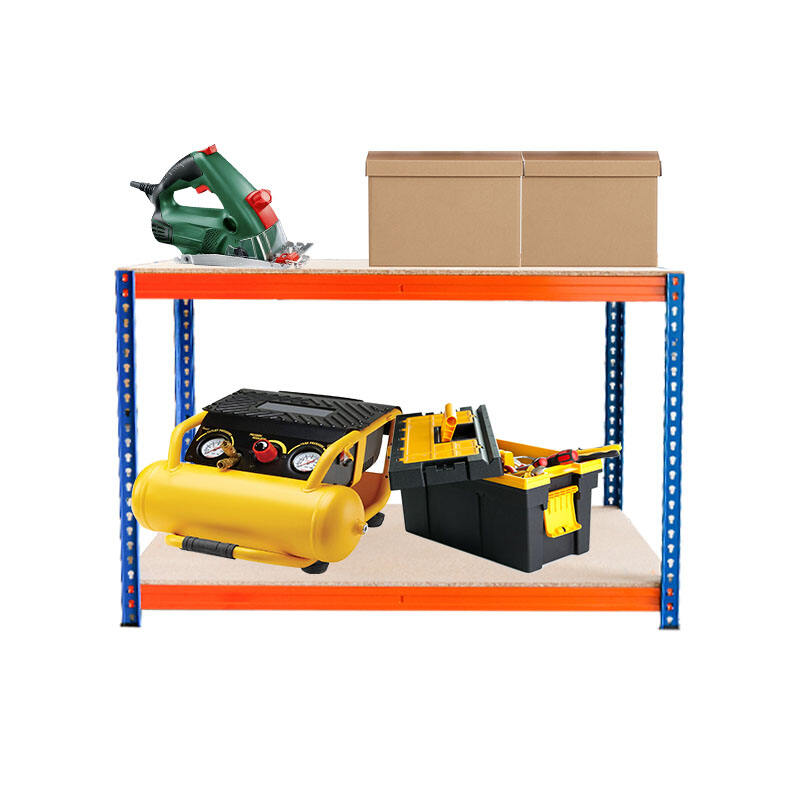
The decision to purchase a metal work table for sale extends beyond basic dimensions and price points. Professional buyers must assess structural integrity, surface characteristics, load-bearing capacity, ergonomic design, and compatibility with specific work processes. These considerations become particularly critical in environments where heavy tools, precision assembly tasks, or continuous operational cycles place sustained demands on the workstation. A systematic approach to evaluating these factors enables procurement teams to identify solutions that balance immediate budgetary constraints with lifecycle cost considerations, ensuring the selected metal work table for sale meets both current requirements and anticipated future needs as operations evolve.
Structural Design and Frame Construction Quality
Material Grade and Steel Composition
The foundation of any reliable metal work table for sale begins with the grade and composition of steel used in its frame construction. Commercial-grade metal work tables typically utilize cold-rolled steel or heavy-gauge steel tubing, with thickness measurements ranging from 14-gauge to 12-gauge for standard applications and heavier gauges for industrial-duty models. The steel composition directly influences corrosion resistance, weld integrity, and the table's ability to maintain structural stability under continuous loading cycles. Buyers should verify whether the frame incorporates high-carbon steel for enhanced strength or stainless steel alloys for environments requiring superior corrosion protection, such as food processing facilities or chemical laboratories.
Frame geometry plays an equally important role in determining performance characteristics. Tubular steel construction with reinforced corner bracing provides superior torsional rigidity compared to simple angle-iron frameworks. When evaluating a metal work table for sale, examine how vertical supports connect to horizontal members—fully welded joints offer greater strength than bolted connections, though bolted designs may provide modularity advantages for reconfiguration. The spacing between leg supports affects lateral stability, with closer spacing reducing flex and vibration during heavy work operations. Professional-grade tables often incorporate cross-bracing or H-frame designs that distribute loads more effectively across the entire structure.
Weight Capacity and Load Distribution
Static weight capacity represents the maximum load a metal work table for sale can support when materials rest evenly across the work surface. Industrial applications typically require capacities ranging from 500 pounds for light assembly work to 3,000 pounds or more for heavy fabrication and machining tasks. However, understanding dynamic load capacity proves equally important, as this specification accounts for impact forces generated when dropping tools or positioning heavy components onto the surface. A table rated for 1,000 pounds static capacity might only safely handle 600-700 pounds under dynamic loading conditions, making this distinction critical for operations involving frequent material handling.
Load distribution characteristics determine how effectively the metal work table for sale transfers weight from the work surface through the frame to the floor. Tables with insufficient lateral bracing may experience concentrated stress points that accelerate structural fatigue, even when total load remains within rated capacity. Evaluate whether the design incorporates reinforcement ribs or support channels beneath the work surface, as these elements prevent sagging in the center span and maintain surface flatness over extended service periods. For applications involving heavy concentrated loads such as vises, presses, or mounted equipment, verify that the frame design includes localized reinforcement zones or the capability to add supplementary support structures.
Welding Quality and Joint Integrity
Welding craftsmanship directly impacts the longevity and reliability of any metal work table for sale, yet this factor often receives insufficient attention during procurement. High-quality tables feature continuous MIG or TIG welds with consistent penetration depth and smooth bead appearance, indicating proper heat control and filler material selection. Poor welding practices manifest as incomplete fusion, porosity, or excessive spatter—defects that create stress concentration points where cracks initiate under cyclic loading. Inspect critical joints where legs meet the frame and where cross-bracing attaches, as these locations experience the highest stress during normal use.
Professional manufacturers of metal work table for sale options conduct post-weld stress relief processes that reduce internal tensions within the frame structure. This treatment proves particularly important for tables subjected to vibration or impact loading, as residual stresses from welding can combine with operational stresses to precipitate premature failure. Some premium models undergo additional processes such as frame straightening after welding to correct any distortion caused by thermal cycling. When comparing suppliers, inquire about quality control procedures including weld inspection protocols, as these practices indicate a manufacturer's commitment to delivering durable products that perform reliably throughout their intended service life.
Work Surface Specifications and Performance Characteristics
Surface Material Selection
The work surface material of a metal work table for sale profoundly influences its suitability for specific applications. Steel tops ranging from 14-gauge to 7-gauge thickness provide excellent durability for general metalworking, fabrication, and assembly tasks. Thicker gauge steel resists denting and deformation from heavy tools or dropped components, while maintaining a rigid surface for precision work. Some industrial models incorporate laminated steel construction with multiple layers bonded together, delivering enhanced vibration dampening properties beneficial for operations involving grinding, drilling, or impact tools that generate sustained mechanical oscillations.
Alternative surface materials address specialized requirements that standard steel cannot fulfill. Stainless steel tops offer superior corrosion resistance for pharmaceutical, food processing, or marine applications where exposure to moisture, chemicals, or sanitizing agents occurs regularly. Wood-composite surfaces, though less common on metal work tables, provide a softer landing for delicate components and absorb some vibration, making them suitable for electronics assembly or instrument maintenance. Buyers should match surface material properties to the chemical exposure, temperature ranges, and mechanical stresses characteristic of their specific operational environment when selecting a metal work table for sale.
Surface Finish and Treatment
Surface finishing processes applied to a metal work table for sale significantly affect both functional performance and maintenance requirements. Powder-coated finishes provide robust protection against scratching, chemical exposure, and corrosion while offering aesthetic appeal and ease of cleaning. The powder coating process electrostatically bonds polymer particles to the steel surface, then cures them under heat to create a durable, uniform layer. This finish proves particularly effective in environments where the table contacts oils, solvents, or coolants regularly, as the sealed surface prevents these substances from penetrating to the underlying metal.
Alternative surface treatments include galvanization, which applies a zinc coating that sacrificially corrodes to protect the steel substrate, and industrial paint systems that offer customizable colors for facility organization schemes. Some metal work table for sale options feature bare steel tops that allow welding directly on the surface without damaging protective coatings—an essential capability for fabrication shops where the table serves as a ground plate for welding operations. Textured finishes such as diamond plate or embossed patterns enhance grip for materials placed on the surface and reduce glare under overhead lighting, though these features may complicate cleaning in environments where debris accumulation occurs.
Dimensional Accuracy and Flatness Tolerance
Surface flatness specifications determine whether a metal work table for sale can support precision work such as layout, inspection, or assembly of components with tight tolerance requirements. Industrial-grade tables typically maintain flatness within 0.030 inches across the entire surface, while precision models achieve tolerances of 0.010 inches or tighter. These specifications prove critical when using the table as a reference surface for measurement, alignment, or quality control activities. Even in less precision-critical applications, excessive surface deviation causes parts to rock or shift during processing, reducing work quality and creating safety hazards.
The manufacturing process employed to produce the work surface influences achievable flatness tolerances. Stamped steel tops formed from single sheets generally exhibit better flatness than welded assemblies, which may experience some distortion during fabrication. Premium metal work table for sale offerings incorporate post-manufacturing flattening operations using hydraulic presses or roller leveling equipment to correct any deviation introduced during welding or finishing. When evaluating tables for applications requiring surface precision, request flatness certification documentation or specify maximum allowable deviation in procurement specifications to ensure the delivered product meets operational requirements.
Ergonomic Considerations and User-Focused Design Elements
Height Adjustment and Operator Comfort
Work surface height profoundly impacts operator comfort, productivity, and long-term musculoskeletal health, making height specification a critical factor when sourcing a metal work table for sale. Standard fixed-height tables typically measure 34 to 36 inches, a dimension suitable for average adult users performing light to moderate assembly tasks. However, operations involving heavy lifting benefit from lower heights around 30 to 32 inches, which reduce the vertical distance operators must raise materials. Conversely, precision work requiring sustained visual focus performs better at heights of 36 to 38 inches, minimizing neck and back strain during detailed tasks.
Adjustable-height metal work table for sale models provide versatility for facilities with multiple users or varied task requirements. Mechanical adjustment systems using hand cranks or pneumatic assist mechanisms allow height changes ranging from 28 to 42 inches, accommodating operators of different statures and enabling optimal positioning for diverse work activities. Electric height adjustment systems offer effortless repositioning at the touch of a button, though they command premium pricing and require electrical infrastructure. When evaluating adjustability features, consider adjustment range, ease of operation, locking mechanism reliability, and whether the adjustment system maintains full load capacity across the entire height range.
Accessibility and Clearance Dimensions
Underbench clearance specifications determine how effectively operators can position themselves relative to the work surface and influence the metal work table for sale suitability for different task types. Tables designed for seated work typically provide knee clearance of at least 24 inches depth and 27 inches width, allowing comfortable leg positioning beneath the work surface. Standing work applications require less clearance but benefit from recessed lower shelves or support structures that permit operators to step close to the table edge, reducing reaching distances and improving leverage for manual operations.
Footprint dimensions and aisle space requirements affect facility layout efficiency and compliance with safety regulations. A metal work table for sale measuring 72 inches long by 36 inches deep occupies substantial floor area and requires additional clearance around its perimeter for safe operation and egress. Factor in space for operators to move around the table, position material handling equipment, and maintain clear pathways for emergency evacuation when planning table placement. Modular designs with removable sections or tables featuring casters for repositioning provide layout flexibility that proves valuable in facilities where production configurations change frequently or floor space faces competing demands.
Integrated Storage and Tool Organization
Storage integration transforms a basic metal work table for sale into a comprehensive workstation solution that enhances productivity by positioning tools and materials within immediate reach. Lower shelves constructed from the same gauge steel as the frame provide robust storage for heavy items such as tool cases, raw materials, or finished goods awaiting transfer. Shelf spacing between 12 and 16 inches vertical clearance accommodates most storage containers while maintaining efficient use of vertical space. Some designs incorporate adjustable shelving with multiple height positions, allowing users to customize storage configuration as needs evolve.
Drawer systems, pegboard backing, and integrated power strips represent value-added features that differentiate premium metal work table for sale offerings from basic models. Locking drawers provide secure storage for precision instruments, measurement tools, or small components prone to loss. Pegboard panels mounted to the table rear or sides organize frequently used hand tools, keeping them visible and accessible while freeing work surface area for active tasks. Built-in electrical outlets and USB charging ports eliminate extension cord clutter and support power tool operation or electronic device charging directly at the workstation, streamlining workflow and reducing setup time for equipment-intensive processes.
Mobility Features and Installation Considerations
Caster Design and Load Rating
Mobile metal work table for sale configurations equipped with industrial casters provide operational flexibility for facilities requiring periodic workstation reconfiguration or temporary work zones. Heavy-duty casters must support the combined weight of the table structure, work surface load, and dynamic forces generated during movement across uneven floors. Industrial-grade phenolic or polyurethane casters rated for 300 to 500 pounds per wheel prove suitable for most applications, with swivel casters on two corners enabling tight turning radius and fixed casters on opposite corners maintaining directional stability during straight-line movement.
Locking mechanisms represent a critical safety feature on mobile metal work table for sale units, as unintended movement during work operations creates serious hazard potential. Dual-locking casters that simultaneously brake rotation and swivel function provide superior stability compared to rotation-only locks, preventing both rolling and pivoting movements when engaged. Foot-operated locks allow hands-free engagement and disengagement, a convenience feature that operators appreciate when maneuvering loaded tables. Verify that caster mounting plates weld or bolt securely to the table frame with adequate reinforcement to prevent fatigue failure at these high-stress connection points.
Floor Protection and Stability Enhancement
Stationary metal work table for sale installations require appropriate floor contact solutions that distribute weight evenly while protecting floor surfaces from damage. Adjustable leveling feet compensate for uneven floor conditions, allowing operators to achieve stable positioning even on concrete slabs with significant surface deviation. Quality leveling feet incorporate large diameter base pads, typically 2 to 3 inches across, that spread load over adequate area to prevent localized floor crushing on softer surfaces such as epoxy coatings or tile installations. Locking nuts secure adjustment positions, preventing gradual settling that necessitates frequent releveling.
Rubber or plastic foot caps serve dual purposes: protecting both the table legs from corrosion caused by floor moisture and shielding the floor from scratching or marking during minor table repositioning. In facilities with expensive specialty flooring such as ESD-rated surfaces or decorative concrete, these protective elements prevent costly floor damage while maintaining proper grounding paths where required. Some metal work table for sale models designed for permanent installation include provisions for anchor bolt mounting, securing the table to floor-embedded fasteners that prevent tipping or movement under extreme lateral loading conditions encountered in high-energy work applications.
Assembly Requirements and Installation Complexity
Assembly complexity varies significantly among metal work table for sale offerings, influencing both initial setup time and long-term maintenance accessibility. Fully welded tables ship as complete units requiring no assembly beyond attaching accessories such as shelves or drawers, providing immediate operational readiness but complicating transportation through narrow doorways or into upper-floor locations. Bolt-together designs require assembly but offer advantages including simplified shipping, easier replacement of damaged components, and the ability to disassemble for relocation or reconfiguration as facility needs change.
Clear assembly documentation and logical component labeling distinguish quality manufacturers from budget suppliers when sourcing a metal work table for sale requiring field assembly. Comprehensive instructions with detailed diagrams, part identification systems, and sequential assembly steps minimize setup time and reduce error potential that compromises structural integrity. Verify that all necessary hardware ships with the table, including appropriate fasteners, washers, and any specialized tools required for assembly. Some suppliers offer installation services or provide assembly videos that guide users through the process, particularly valuable for large or complex workstation configurations that benefit from professional setup expertise.
Application-Specific Customization and Specialized Features
Industry-Specific Configuration Options
Different industrial sectors impose unique requirements on metal work table for sale specifications, driving demand for specialized configurations tailored to particular applications. Electronics manufacturing and assembly operations benefit from ESD-rated work surfaces incorporating conductive or dissipative materials that safely drain static charges, protecting sensitive components from electrostatic discharge damage. These specialized tables typically include grounding provisions such as integrated ground studs or conductive work surface mats bonded to facility ground systems, along with resistance testing ports enabling verification that ESD protection remains functional over time.
Automotive repair and maintenance facilities require metal work table for sale models with enhanced chemical resistance to withstand exposure to gasoline, brake fluid, transmission fluid, and aggressive cleaning solvents encountered daily. Reinforced work surfaces capable of supporting engine blocks, transmissions, or other heavy automotive components demand load capacities exceeding 2,000 pounds with localized reinforcement for mounted equipment such as parts washers or valve grinding machines. Integrated fluid containment lips around work surface perimeters prevent spills from cascading onto floors, simplifying cleanup and reducing slip hazard potential in these often fast-paced environments.
Integrated Equipment Mounting Provisions
Many professional applications require securing equipment directly to the work surface, making mounting provisions an important consideration when selecting a metal work table for sale. Pre-drilled mounting holes in standardized patterns accommodate bench vises, grinders, drill presses, and other stationary tools without requiring custom fabrication. T-slot tracks routed into work surfaces provide infinite positioning flexibility for hold-down clamps, fixtures, or modular accessories, particularly valuable in prototype development or custom fabrication environments where work processes frequently change.
Electrical infrastructure integration elevates basic metal work table for sale offerings into comprehensive workstation solutions. Overhead lighting bars illuminate work surfaces without creating harsh shadows, critical for detailed assembly or inspection tasks. Built-in power distribution strips with multiple outlets eliminate extension cord proliferation, while integrated cable management channels route power and data cables neatly beneath or behind work surfaces. Some advanced models incorporate compressed air quick-disconnect fittings, vacuum ports, or coolant supply lines, transforming the table into a complete service point for pneumatic tools, dust extraction systems, or machining operations requiring continuous lubrication.
Modular Expansion Capabilities
Facilities anticipating future growth or evolving operational requirements benefit from selecting metal work table for sale products designed for modular expansion. Standardized connection interfaces allow multiple tables to join seamlessly, creating extended work surfaces for large component assembly or team collaboration zones. Removable end panels and compatible height specifications enable tables from the same product family to align perfectly, presenting as unified workstations rather than cobbled-together furniture arrays that compromise both functionality and appearance.
Accessory compatibility represents another dimension of modularity that extends the useful life and adaptability of a metal work table for sale investment. Monitor arms, task lighting, power distribution modules, drawer banks, and overhead storage units that attach through standardized mounting patterns allow workstation capability enhancement without replacing the base table structure. This upgrade path proves particularly valuable for operations where budget constraints prevent immediate purchase of fully equipped workstations, enabling incremental capability addition as financial resources permit while avoiding the disruption and waste associated with wholesale furniture replacement.
Cost Analysis and Value Assessment Methodology
Initial Purchase Price Versus Lifecycle Cost
Purchase price represents only one component of the total cost equation when evaluating a metal work table for sale, yet budget constraints often force excessive focus on this single metric at the expense of long-term value considerations. A table priced 30 percent below competing models may deliver poor value if inferior materials or construction quality necessitate replacement within three years instead of lasting a decade or longer. Calculate the annualized cost by dividing total purchase price by expected service life to reveal the true cost picture—a $500 table lasting five years costs $100 annually, while a $800 table serving ten years costs only $80 per year despite its higher initial price.
Maintenance and repair costs constitute significant lifecycle expense components often overlooked during initial procurement. Metal work table for sale products constructed with replaceable components such as bolt-on legs, interchangeable work surfaces, or modular shelving enable economical repair when specific elements wear or sustain damage, avoiding wholesale table replacement. Tables featuring powder-coated finishes resist corrosion and maintain appearance with minimal maintenance compared to painted surfaces requiring periodic refinishing. Factor these ongoing cost considerations into procurement decisions to identify solutions delivering optimal value across their full service life rather than simply selecting the lowest-priced option that may prove expensive through shortened lifespan or excessive maintenance requirements.
Productivity Impact and Operational Efficiency
The productivity enhancement delivered by properly specified metal work table for sale solutions generates value that often exceeds the purchase cost difference between basic and premium models. A table incorporating ergonomic height adjustment reduces operator fatigue, potentially increasing productive work time by 15 to 30 minutes per shift through reduced break frequency and sustained focus capability. Integrated storage keeping tools within arm's reach eliminates time wasted walking to tool cribs or searching for misplaced items—savings that accumulate substantially across multiple operators and extended timeframes.
Work quality improvements represent another productivity dimension influenced by table selection. Stable, vibration-resistant metal work table for sale configurations enable precision work that might prove impossible on lightweight or poorly braced alternatives, reducing rework, scrap rates, and quality control rejection frequencies. While quantifying these benefits requires facility-specific analysis, the potential value from improved output quality, increased throughput, and reduced operator strain typically justifies investing in properly specified equipment rather than compromising on critical features to achieve marginal cost savings that undermine operational performance.
Warranty Coverage and Supplier Support
Warranty terms reveal manufacturer confidence in product quality and provide financial protection against premature failure when selecting a metal work table for sale. Comprehensive warranties covering structural defects, weld failure, and finish degradation for periods of three to ten years indicate robust construction and quality materials, while limited 90-day or one-year warranties suggest manufacturers expect higher failure rates or use lower-grade components. Review warranty terms carefully to understand what circumstances void coverage, what remedy the manufacturer provides (repair, replacement, or refund), and whether warranty service requires returning the table to the manufacturer or provides on-site resolution.
Supplier support capabilities influence the total ownership experience beyond warranty coverage. Responsive customer service teams that answer technical questions, provide replacement parts, or troubleshoot issues add significant value compared to suppliers offering no post-sale support. When sourcing a metal work table for sale through distributors rather than directly from manufacturers, verify that the distribution channel provides adequate support including parts availability, warranty administration, and technical guidance. Established suppliers with comprehensive parts inventories enable quick resolution of issues, minimizing downtime and maintaining operational continuity when problems occur, while budget suppliers lacking support infrastructure may leave buyers without recourse when difficulties arise.
FAQ
What is the typical lifespan of an industrial metal work table for sale?
Industrial metal work tables constructed from heavy-gauge steel with proper welding and quality finishes typically deliver 10 to 20 years of service life in moderate-use environments, with some premium models lasting 25 years or longer. Service life depends on load conditions, maintenance practices, and environmental exposure, with tables in corrosive atmospheres or subjected to extreme abuse experiencing shorter lifespans. Regular maintenance including surface cleaning, retightening of bolted connections, and protective coating touch-up where needed extends usable life significantly. Tables in light-duty applications such as office technical workstations may function effectively for 30 years or more, while those in heavy fabrication environments subjected to welding spatter, grinding debris, and impact loading may require replacement after 5 to 10 years depending on construction quality.
Can a metal work table for sale support a mounted bench vise without additional reinforcement?
Whether a metal work table for sale can support a bench vise without supplementary reinforcement depends on both the table's structural design and the vise size. Most industrial-grade tables with work surfaces of 12-gauge steel or heavier and properly braced frames accommodate small to medium vises weighing 30 to 60 pounds when mounted near a leg location where the frame provides maximum support. Larger vises exceeding 75 pounds or applications involving heavy clamping forces may require localized reinforcement such as steel plate doubling beneath the mounting area or additional cross-bracing supporting that section of the work surface. Manufacturers typically specify maximum point-load capacities indicating concentrated weight limits at specific locations; compare vise weight and expected loading against these specifications to determine whether reinforcement proves necessary for your specific application.
How does work surface thickness affect the performance of a metal work table for sale?
Work surface thickness directly influences load-bearing capacity, deflection resistance, and suitability for various work processes when evaluating a metal work table for sale. Thicker surfaces ranging from 10-gauge to 7-gauge steel provide superior rigidity, reducing flex and vibration during heavy work while better resisting denting from dropped tools or impact forces. Thin surfaces of 16-gauge or 18-gauge steel prove adequate for light assembly work or electronics tasks but may deflect noticeably under heavy loads or create unstable work surfaces for precision activities. Surface thickness also affects heat dissipation characteristics relevant in welding applications, with thicker steel absorbing and distributing heat more effectively, reducing localized overheating that can warp thin materials. For general industrial use, 12-gauge or 14-gauge surfaces offer an optimal balance of strength, cost, and performance across diverse applications.
What maintenance requirements should be expected for a metal work table for sale?
Maintenance requirements for a metal work table for sale remain minimal when quality construction and appropriate finishes are selected for the application environment. Regular cleaning to remove metal shavings, oils, chemicals, and debris prevents corrosion initiation and maintains a safe work surface, typically requiring only periodic wiping with appropriate cleaning agents compatible with the surface finish. Powder-coated finishes should be inspected quarterly for chips or scratches that expose underlying metal, with damaged areas receiving touch-up coating to prevent rust formation. Bolted connections require annual inspection and retightening as needed to maintain structural rigidity, while leveling feet may need periodic adjustment to compensate for floor settling or shifting. Tables with moving components such as height adjustment mechanisms, drawers, or casters benefit from semi-annual lubrication of pivot points and bearing surfaces to ensure smooth operation and prevent premature wear, though these tasks require minimal time and technical skill.
Table of Contents
- Structural Design and Frame Construction Quality
- Work Surface Specifications and Performance Characteristics
- Ergonomic Considerations and User-Focused Design Elements
- Mobility Features and Installation Considerations
- Application-Specific Customization and Specialized Features
- Cost Analysis and Value Assessment Methodology
-
FAQ
- What is the typical lifespan of an industrial metal work table for sale?
- Can a metal work table for sale support a mounted bench vise without additional reinforcement?
- How does work surface thickness affect the performance of a metal work table for sale?
- What maintenance requirements should be expected for a metal work table for sale?

