 EN
EN


Yes, boltless shelving can be stable enough for high-density logistics, but only when configuration, load profile, and operating discipline are matched correctly. In fast-moving facilities, stability is not just a structural issue, it is an operational issue tied to beam engagement, floor condition, bay depth, load distribution, and traffic around every aisle. Many teams underestimate how much performance they can get from boltless shelving when it is engineered for real pallet turnover, mixed-SKU handling, and continuous replenishment. The key is to evaluate boltless shelving as a system rather than a simple rack frame.
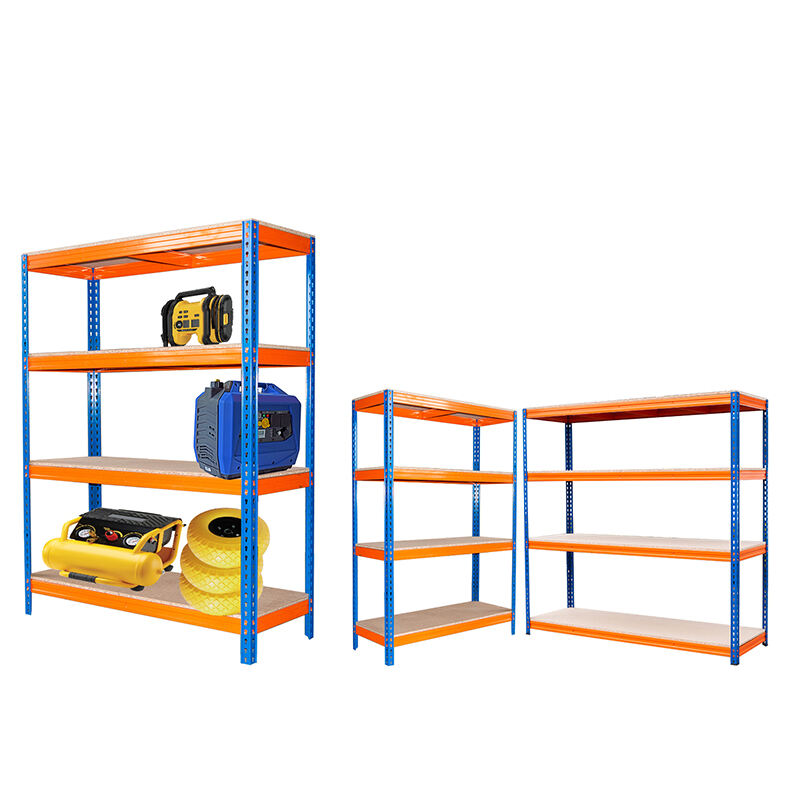
For logistics managers, the right question is not whether boltless shelving is universally stable, but whether a specific boltless shelving layout can remain stable under your exact cycle counts, pick density, and replenishment rhythm. High-density environments create repetitive side loads, frequent shelf contact, and uneven replenishment patterns that expose weak design choices quickly. When boltless shelving is selected with proper deck type, upright gauge, bay bracing, and disciplined loading rules, it can deliver reliable stability with the flexibility that modern warehouses need.
Direct stability verdict for high-density operations
Structural stability is achievable under defined conditions
In industrial practice, boltless shelving performs well when each bay is built within its rated load range and the frame geometry is appropriate for the handling method. A narrow, tall bay carrying dense cartons behaves differently from a wider bay carrying lighter, high-cube goods. Stability depends on the relationship between height, depth, and shelf elevation, not just material thickness. That is why boltless shelving should be assessed against real load moments instead of only advertised capacity figures.
For high-density logistics, dynamic behavior matters as much as static load ratings. Forklift proximity, cart impact, and rapid manual picking create micro-vibrations that accumulate over months. Well-designed boltless shelving resists this through secure beam-to-upright locking, correct shelf span, and sufficient lateral support in aisle runs. Facilities that treat boltless shelving as an engineered storage asset consistently report better long-term alignment and fewer corrective interventions.
Where stability usually fails in practice
Most instability incidents linked to boltless shelving come from implementation gaps rather than the concept itself. Common failure patterns include overloading top tiers, placing high-center-of-gravity cartons above shoulder height, and running uneven loads across adjacent bays. Floor irregularities can also create hidden rocking that gets worse under repeated picking traffic. These are controllable variables when boltless shelving is installed with proper leveling and verified by routine inspection.
Another frequent issue is ad hoc reconfiguration without rechecking load paths. Teams often move shelf levels to fit changing SKU dimensions, then continue using old loading behavior. In high-density zones, this can shift stress into fewer contact points and reduce effective rigidity. Boltless shelving remains dependable when reconfiguration is accompanied by updated load limits, bay labeling, and supervisor checks during the first weeks after change.
Engineering factors that determine whether boltless shelving remains stable
Frame geometry, deck selection, and connection integrity
The first stability driver is geometry: upright height, bay depth, and shelf spacing must match the unit load shape. Deeper bays improve resistance to forward tipping, while balanced shelf elevations reduce overturning moments during picks. Decking type also influences behavior because deflection affects how load pressure transfers into beams. In high-density settings, boltless shelving with appropriate deck stiffness offers more predictable stability under frequent touchpoints.
Connection integrity is equally critical. Even in boltless shelving systems, secure engagement at each beam seat is non-negotiable because joint looseness amplifies sway under repetitive motion. Installation quality determines whether designed tolerances are actually achieved on site. Teams that validate every connector after assembly and again after initial loading typically see stronger performance from boltless shelving over time.
Load distribution, center of gravity, and bay interaction
High-density logistics rarely produces perfect load symmetry, so shelf plans must account for asymmetry from the beginning. Heavy-fast movers should sit lower and closer to upright lines to keep the center of gravity controlled during rapid picks. Spreading dense inventory across neighboring bays reduces concentrated stress and limits progressive sway. This is where boltless shelving can be highly effective because tier heights can be tuned to the product mix.
Bay interaction also matters in long aisles. A single overloaded section can influence adjacent units through shared movement patterns from handling traffic. Operators should treat each run of boltless shelving as a connected structure for planning and audits, not as isolated frames. Consistent loading logic across the run gives boltless shelving a much better stability profile in peak periods.
Operational practices that keep boltless shelving stable during peak throughput
Installation discipline and commissioning checks
A stable outcome starts before stock arrives. Boltless shelving should be leveled against floor variation, aligned vertically, and checked for full beam seating before handover. Commissioning should include a phased loading test that reflects actual SKU density rather than a generic static test. This process confirms whether boltless shelving performs as expected under your real operating rhythm.
After commissioning, early-life monitoring is valuable because first-month behavior reveals hidden setup errors. Supervisors can check for connector migration, visible sway, or deck deflection at defined intervals. Catching small deviations early prevents larger structural drift later. In high-density operations, this discipline turns boltless shelving from a flexible concept into a controlled, repeatable storage platform.
Daily handling rules and maintenance rhythm
Stability is preserved by routine handling standards. Teams should avoid point-loading shelf edges, dragging heavy cartons across deck lips, or placing dense replenishment loads on upper tiers during rush windows. Clear zone rules help operators use boltless shelving consistently across shifts. Simple visual load markers can reduce accidental misuse without slowing productivity.
Maintenance should be light but regular. Monthly checks for upright plumb, beam seating, and localized deformation are usually enough in disciplined facilities. Any damaged components should be isolated and replaced immediately to prevent chain effects. When supported by this maintenance rhythm, boltless shelving can sustain high-density workflows without frequent disruption.
Business fit: when boltless shelving is the right stability choice
Best-fit logistics scenarios for stable performance
Boltless shelving is especially well suited to operations with high SKU variety, medium unit loads, and frequent slotting changes. These environments need adaptable shelf heights but still require stable storage behavior under constant movement. With correct configuration, boltless shelving supports this balance better than rigid layouts that are harder to adjust. That flexibility can protect throughput when demand patterns shift quickly.
Distribution centers handling cartons, components, and mixed-case inventory often gain practical stability benefits from boltless shelving because bay tuning is straightforward and rework time is low. This reduces downtime during re-profiling cycles and keeps dense zones usable. For teams evaluating options, boltless shelving can be reviewed as a reference configuration for industrial use cases.
Limits, exceptions, and decision boundaries
No storage system is universal, and boltless shelving has boundaries. Extremely heavy unit loads, severe impact exposure, or uncontrolled handling behavior can push the system beyond its stable operating window. In those cases, simply increasing shelf count does not solve the root issue. Decision-makers should define load classes, handling intensity, and growth expectations before finalizing boltless shelving layouts.
A practical decision rule is to align boltless shelving with measured operational discipline. Where facilities can enforce loading standards, conduct inspections, and manage reconfiguration properly, stability outcomes are strong. Where processes are inconsistent, instability risk rises regardless of hardware. The question is not only whether boltless shelving is stable enough, but whether the operation is managed well enough to keep it stable.
FAQ
Is boltless shelving safe for continuous daily picking in dense aisles?
Yes, boltless shelving is typically safe for continuous daily picking when bay geometry, load limits, and installation quality are aligned with the actual workflow. Stability improves when heavy items stay on lower tiers and loads are distributed evenly. Frequent visual checks also help maintain dependable performance.
Can boltless shelving handle changing SKU sizes without losing stability?
Boltless shelving is designed for adjustability, so changing shelf heights for different SKU dimensions is a core advantage. Stability is preserved when each reconfiguration is followed by a quick load-path review and updated load guidance for operators. Problems usually come from unplanned changes, not from the boltless shelving design itself.
What is the most common reason boltless shelving becomes unstable?
The most common reason is operational misuse, especially uneven loading and overloading upper tiers. Floor leveling issues and incomplete beam engagement are also frequent causes. In most cases, boltless shelving instability can be corrected through better setup validation and tighter handling rules.
How often should boltless shelving be inspected in high-density logistics?
A monthly inspection cadence is a practical baseline for most high-density sites, with additional checks after major reconfiguration or peak-season stress. The inspection should focus on upright alignment, beam lock condition, and local deformation. This routine keeps boltless shelving reliable and reduces the chance of progressive stability loss.

