 EN
EN

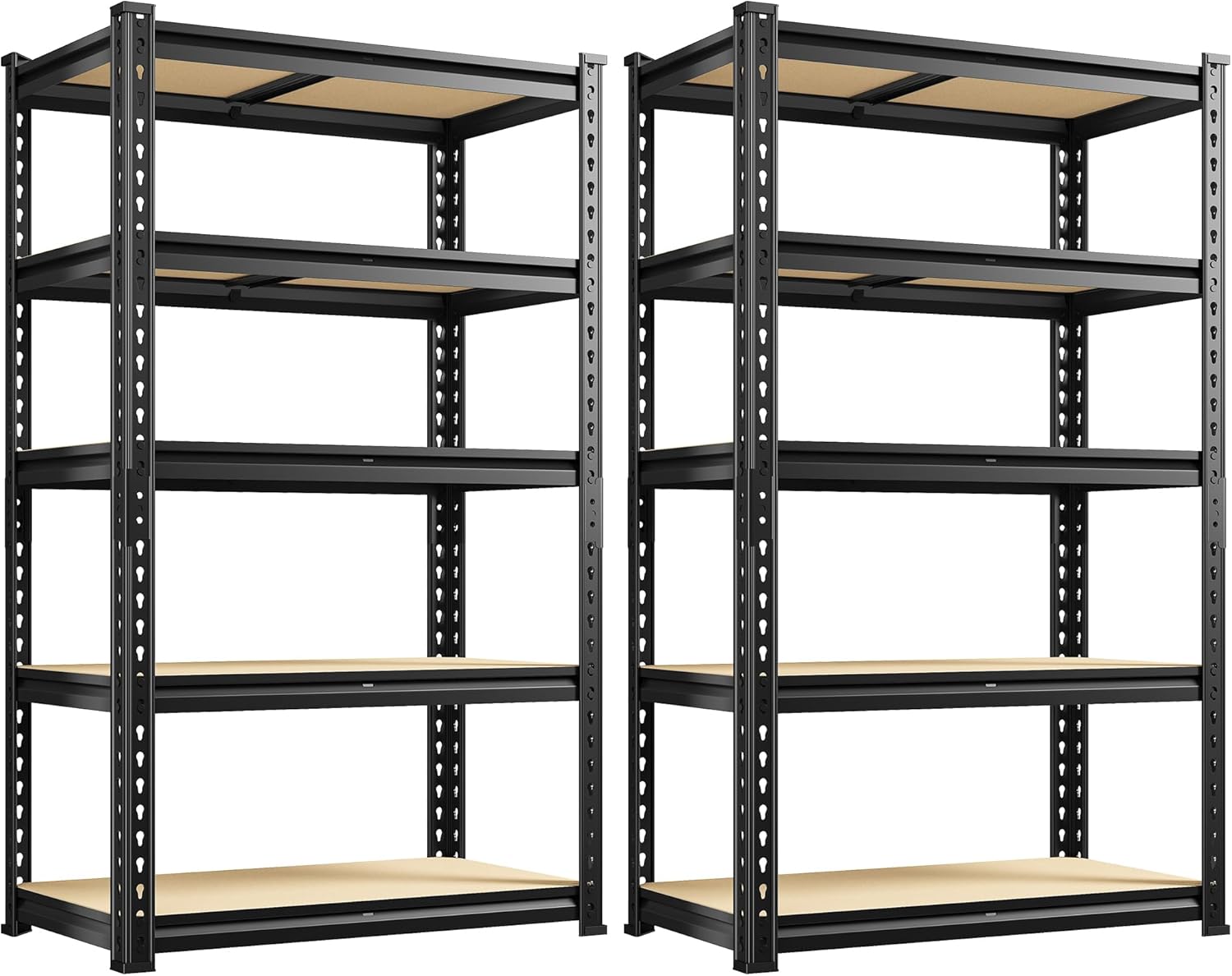
Selecting the right shelf manufacturer is one of the most critical decisions for businesses planning wholesale projects. Whether you're outfitting warehouses, retail environments, or distribution centers, the quality and reliability of your shelving infrastructure directly impact operational efficiency, safety, and long-term costs. A poor choice in your shelf manufacturer can lead to structural failures, safety hazards, frequent replacement cycles, and damaged business relationships with your customers. The stakes are too high to settle for mediocre suppliers or make hasty decisions based solely on price.
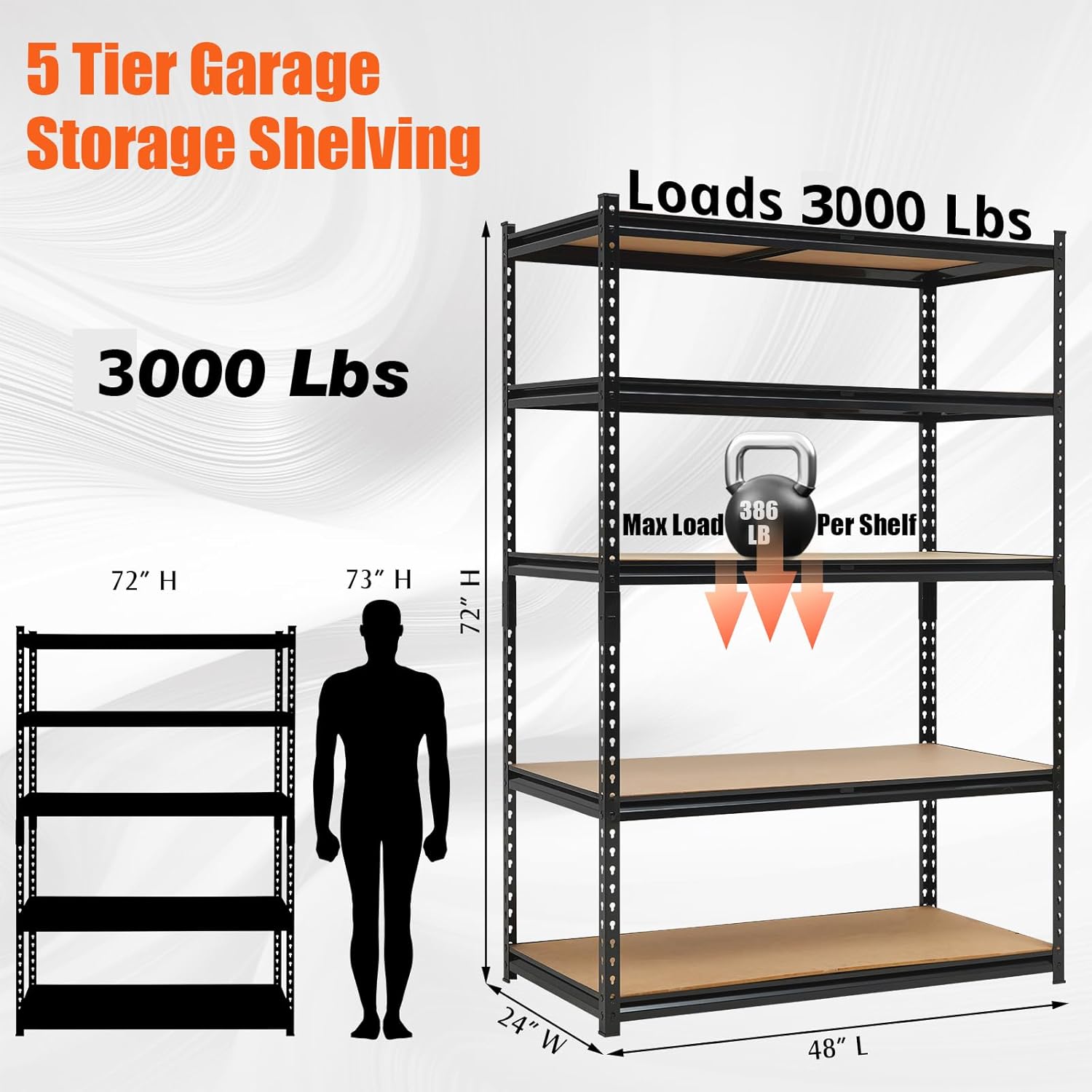
Finding a dependable shelf manufacturer requires careful evaluation of multiple factors beyond cost. You need to assess manufacturing capabilities, quality control systems, material sourcing practices, design expertise, delivery reliability, and customer support infrastructure. This comprehensive guide walks you through the essential criteria for evaluating a shelf manufacturer, helping you identify suppliers who can consistently deliver products that meet your project specifications, safety standards, and timeline requirements. Understanding these selection factors will empower you to build a long-term partnership with a shelf manufacturer that truly understands your business needs.
Understanding Your Shelf Manufacturer Requirements
Defining Project Specifications and Load Capacity Needs
Before contacting any shelf manufacturer, you must precisely define your wholesale project requirements. Different applications demand different specifications—retail display shelving operates under completely different load parameters than industrial warehouse racking. Your shelf manufacturer needs to understand whether you require light-duty, medium-duty, or heavy-duty configurations. Load capacity requirements directly influence material selection, design architecture, and manufacturing processes that the shelf manufacturer must employ. A competent shelf manufacturer will ask detailed questions about your intended use, expected product weights, environmental conditions, and spatial constraints before recommending solutions.
Calculate the maximum load requirements for each shelf level in your project. Your shelf manufacturer should provide clear documentation of load ratings, safety factors, and compliance certifications. The shelf manufacturer you choose must be transparent about how their designs handle real-world conditions, including dynamic loads, temperature fluctuations, and moisture exposure. Request detailed specifications from the shelf manufacturer that outline material thickness, reinforcement patterns, and engineering calculations supporting their load claims.
Assessing Design Flexibility and Customization Capacity
Wholesale projects rarely use standard, off-the-shelf configurations. Your ideal shelf manufacturer must offer meaningful customization options to match your specific spatial requirements, aesthetic preferences, and operational workflows. Evaluate whether your chosen shelf manufacturer maintains in-house design capabilities or relies on external engineering resources. The shelf manufacturer's design team should understand modular assembly principles, ergonomic considerations, and space optimization techniques that maximize your storage density while maintaining worker safety and accessibility.
Strong shelf manufacturers invest in CAD design systems, 3D modeling capabilities, and virtual layout planning tools. Before committing to a shelf manufacturer, request design samples or virtual renderings of your proposed configuration. Ask whether the shelf manufacturer provides value engineering services to optimize costs without compromising functionality. A responsive shelf manufacturer will collaborate with you through multiple design iterations until the solution perfectly aligns with your operational requirements and space constraints.
Evaluating Shelf Manufacturer Quality and Compliance Standards
Material Quality and Manufacturing Standards
The shelf manufacturer's material sourcing practices directly determine product longevity and safety performance. Investigate where your shelf manufacturer sources raw materials and what quality control procedures they implement during material receipt. A reliable shelf manufacturer maintains material certifications, performs incoming inspections, and maintains detailed traceability records for every batch they process. Ask your shelf manufacturer for documentation of material certifications, mill reports, and third-party testing results that verify material composition and mechanical properties.
Manufacturing quality varies dramatically between shelf manufacturer facilities. Tour the shelf manufacturer's production facility to observe their welding procedures, surface treatment processes, and assembly protocols firsthand. A professional shelf manufacturer maintains organized workstations, documented standard operating procedures, and consistent quality monitoring throughout their production workflow. The shelf manufacturer should demonstrate systematic processes for dimensional verification, structural inspection, and surface finishing. Request information about the shelf manufacturer's quality management certifications, such as ISO 9001, which indicate commitment to standardized manufacturing excellence.
Safety Certifications and Industry Compliance
Your shelf manufacturer must understand and comply with relevant industry standards and safety regulations. Different applications require different certifications—industrial storage systems may require compliance with standards like ANSI/RMI MH16.1, while retail display shelving might require adherence to FPA or other retail-specific standards. Verify that your shelf manufacturer's products carry appropriate certifications for your industry and geographic market. A competent shelf manufacturer maintains current knowledge of evolving safety standards and updates their designs accordingly to maintain compliance.
Ask your shelf manufacturer to provide proof of third-party testing, load validation reports, and safety certifications issued by recognized testing laboratories. The shelf manufacturer should clearly identify which standards their products meet and provide comprehensive documentation supporting compliance claims. Request certificate of compliance documentation and engineering certifications signed by licensed professionals. A transparent shelf manufacturer will never hesitate to share complete compliance documentation and explain how their design processes ensure ongoing adherence to applicable standards.
Assessing Shelf Manufacturer Reliability and Service Capabilities
Production Capacity and Delivery Performance
Wholesale projects typically involve substantial quantities and strict delivery timelines. Evaluate whether your shelf manufacturer maintains sufficient production capacity to handle your project volume without compromising quality or extending delivery schedules. Ask the shelf manufacturer about their typical lead times, capacity utilization rates, and whether they maintain inventory buffers for critical components. A reliable shelf manufacturer should provide realistic delivery estimates backed by documented production schedules and inventory management systems.
Request references from previous wholesale customers and ask specifically about delivery reliability and quality consistency. Contact the shelf manufacturer's past clients to learn whether this supplier consistently meets deadlines and maintains quality across multiple production runs. A professional shelf manufacturer maintains relationships with logistics partners and coordinates seamlessly with freight companies to ensure products arrive in perfect condition on schedule. Inquire about the shelf manufacturer's contingency plans for supply chain disruptions or unexpected production challenges that might affect your delivery timeline.
Technical Support and Installation Assistance
Superior shelf manufacturers extend support well beyond order fulfillment. Determine whether your shelf manufacturer provides installation guidance, assembly documentation, and on-site technical support for complex projects. A customer-focused shelf manufacturer develops comprehensive assembly manuals with clear illustrations, video tutorials, and troubleshooting resources. The shelf manufacturer should maintain responsive technical support staff who can address questions, resolve issues, and provide guidance throughout your installation process.
Ask your shelf manufacturer whether they offer on-site installation services, training programs for your assembly team, or consulting support for optimizing shelf configuration. A proactive shelf manufacturer may provide load testing services, safety inspections, or maintenance recommendations to maximize your product's functional lifespan. Evaluate the shelf manufacturer's warranty provisions, repair services, and replacement policies. Understanding these support mechanisms ensures you maintain reliable performance throughout your product lifecycle and can quickly resolve any unexpected issues that arise during installation or operation.
Making Your Final Shelf Manufacturer Selection
Conducting Price Analysis and Value Comparison
Never select a shelf manufacturer based purely on lowest price. Instead, conduct comprehensive cost-of-ownership analysis that accounts for material quality, durability, compliance requirements, delivery reliability, and support services. Compare total project costs across multiple shelf manufacturer candidates rather than focusing narrowly on unit pricing. A budget-focused shelf manufacturer might offer lower per-unit costs but provide inferior materials or inadequate support services that generate costly problems later. Calculate the true value by factoring delivery costs, installation services, warranty coverage, and potential rework expenses into your comparison.
Request detailed quotes from your top three shelf manufacturer candidates that clearly itemize all costs and specify exactly what services and support are included. Verify that each shelf manufacturer's quote reflects identical specifications and requirements to ensure fair comparison. Ask whether your shelf manufacturer offers volume discounts for large wholesale orders or flexible payment terms that improve your cash flow management. A professional shelf manufacturer provides transparent, itemized pricing with no hidden fees or surprise charges later in the process.
Building Long-Term Partnership Relationships
The best shelf manufacturer selections result in enduring partnerships that support your evolving business needs. Choose a shelf manufacturer who demonstrates genuine interest in understanding your business, invests time in consultative conversations, and shows commitment to your project success. Evaluate communication responsiveness, willingness to adapt to your preferences, and transparency in addressing concerns. A quality shelf manufacturer maintains organized communication channels, designates account managers for wholesale customers, and provides regular progress updates throughout your project.
Consider whether your selected shelf manufacturer invests in continuous improvement, stays current with industry innovations, and demonstrates capability for future growth alongside your business. A forward-thinking shelf manufacturer develops new products, implements advanced manufacturing technologies, and maintains flexibility to accommodate your changing requirements. Establish clear expectations about ongoing communication, quality monitoring, and issue resolution protocols. Starting your partnership on these collaborative foundations positions you for consistent success across multiple projects with a shelf manufacturer who truly understands and prioritizes your business success.
FAQ
What certifications should I verify from a shelf manufacturer?
Your shelf manufacturer should hold ISO 9001 quality management certification as a baseline. Beyond that, verify compliance with industry-specific standards like ANSI/RMI MH16.1 for storage systems, FPA standards for retail shelving, or local building codes applicable to your region. Request third-party load testing certifications and engineering reports signed by licensed professionals. A reputable shelf manufacturer maintains current documentation of all relevant certifications and gladly shares this information to verify their legitimacy and expertise.
How do I evaluate a shelf manufacturer's production quality?
Visit the shelf manufacturer's facility whenever possible to observe their actual manufacturing processes, equipment maintenance practices, and quality control procedures. Request samples or photos of recent projects, inspect welding quality and surface finishing personally, and ask detailed questions about their inspection procedures. Contact the shelf manufacturer's previous customers for feedback on product quality consistency across multiple orders. A confident shelf manufacturer welcomes facility tours and provides transparent access to verify their manufacturing excellence claims.
What lead times should I expect from a quality shelf manufacturer?
Lead times vary based on complexity, customization requirements, and current capacity. Standard shelf manufacturer lead times typically range from 4-12 weeks depending on configuration complexity and order volume. Communicate your specific project timeline early to your shelf manufacturer and verify they can accommodate your deadline. A professional shelf manufacturer provides realistic estimates backed by documented capacity analysis rather than making optimistic promises they cannot deliver, ensuring your wholesale project launches on schedule with properly manufactured shelving solutions.

