 EN
EN

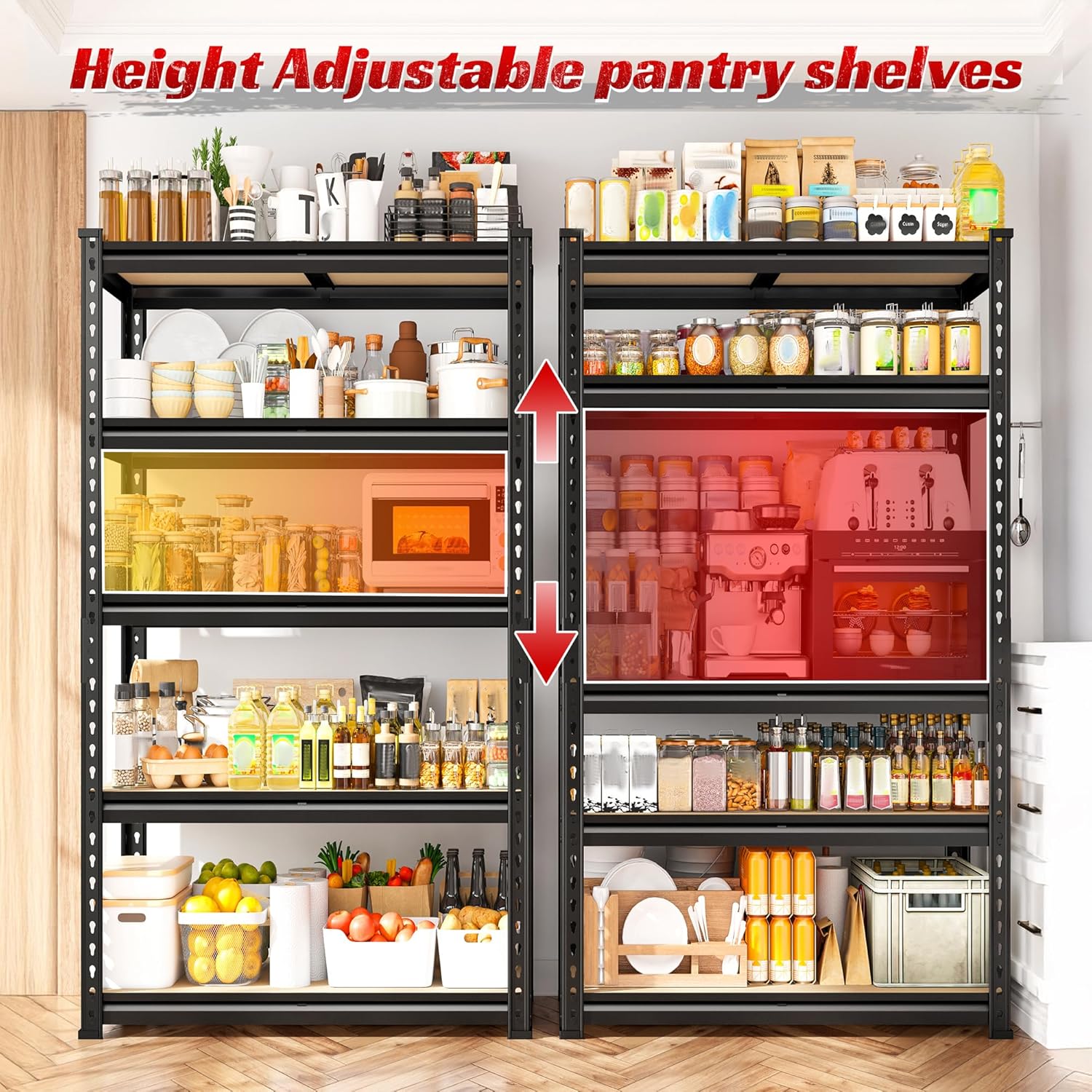
Effective inventory management depends on how well your storage system is organized. When businesses implement proper racks, they unlock significant improvements in how quickly items can be located, retrieved, and restocked. Well-designed racks transform chaotic warehouse floors into streamlined operations where every product has a designated location and retrieval time drops dramatically. The difference between reactive inventory scrambling and proactive, organized stock management often comes down to investing in the right racks for your specific business needs.
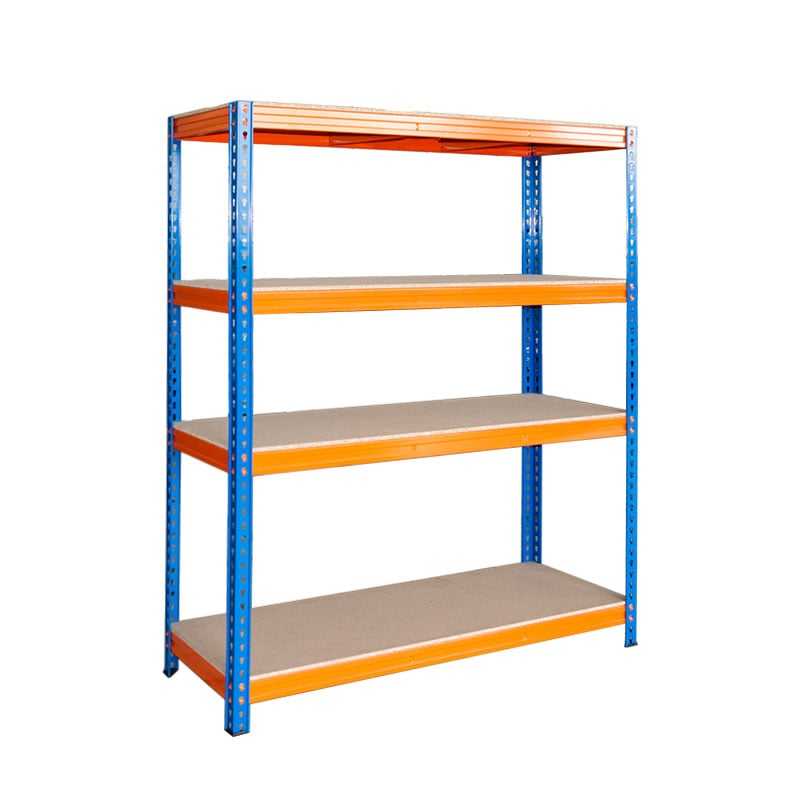
Modern warehouses and storage facilities recognize that racks are not just metal structures—they are strategic assets that directly impact profitability, employee productivity, and customer satisfaction. By choosing the right type of racks and implementing them thoughtfully, organizations can reduce labor costs, minimize inventory errors, and increase operational efficiency. This article explores how proper racks revolutionize inventory organization and accessibility, enabling businesses to operate with precision and confidence.
The Core Role of Racks in Space Optimization
Maximizing Vertical Storage Capacity
One of the most immediate benefits of installing quality racks is the ability to use vertical space efficiently. Rather than spreading inventory across a wide floor footprint, strategic racks allow businesses to build upward, effectively multiplying usable storage area without expanding the physical warehouse. Tall racks with multiple tiers can hold the same inventory volume as a sprawling, single-level storage arrangement, but in a fraction of the footprint. This vertical approach becomes especially valuable in urban or high-rent locations where every square foot carries significant cost implications.
Creating Clear Access Pathways
Proper racks installation creates defined pathways and organization zones that make navigation intuitive for warehouse staff. When racks are arranged systematically with adequate spacing, workers can move through the facility safely and efficiently, reducing time spent searching for items. This structured layout also minimizes accidents, improves safety compliance, and allows forklifts and pallet jacks to operate smoothly. Additionally, well-organized racks reduce bottlenecks during peak picking periods, enabling faster order fulfillment without congestion.
Accessibility and Retrieval Speed Enhancement
Reducing Item Location Time
When inventory is scattered or stored haphazardly, locating items becomes a time-consuming guessing game that frustrates staff and delays orders. Quality racks enable businesses to implement logical categorization systems where every product category occupies a specific area, and every racks section is labeled and easily identifiable. This systematic approach means pickers can locate items in seconds rather than minutes, dramatically speeding up order fulfillment cycles. Modern warehouse management systems often integrate with racks configurations, allowing staff to use handheld devices to navigate directly to the correct racks location with pinpoint accuracy.
Supporting Faster Picking and Packing Operations
Accessibility improvements from proper racks directly translate to faster picking and packing workflows. When items are stored at ergonomic heights on well-designed racks, workers spend less time climbing, bending, or reaching awkwardly. This reduces physical strain, decreases picking errors, and accelerates the entire fulfillment process. Some businesses report 30 to 40 percent improvements in picking speed after transitioning to optimized racks systems. Faster picking means more orders shipped daily, improved customer satisfaction, and measurable bottom-line benefits that justify the initial investment in proper racks.
Operational Benefits and Inventory Accuracy
Minimizing Inventory Discrepancies
Disorganized storage environments breed inventory inaccuracies where items become lost, misplaced, or impossible to count accurately. Implementing systematic racks immediately reduces these errors because every item has a specific assigned location within the racks framework. Inventory audits become straightforward when staff can physically verify stock counts against racks locations methodically and quickly. This accuracy improvement reduces write-offs from lost items, prevents overstocking of slow-moving products, and ensures that stock counts in your system match physical inventory. Many businesses discover that improved inventory accuracy alone pays back the cost of proper racks within a few months through reduced shrinkage and better purchasing decisions.
Supporting Scalability and Growth
As businesses grow, inventory volumes expand, and organizational chaos can derail operations if the storage infrastructure cannot scale. Properly designed racks provide a flexible foundation that grows with your business needs. Modular racks systems can be expanded, reconfigured, or adjusted as product mix changes and inventory demands evolve. This scalability means your storage investment remains relevant and functional through multiple stages of business growth. Additionally, a racks-based system creates a repeatable, systematized approach to organization that maintains consistency and efficiency even as headcount and inventory volume increase significantly.
Reducing Labor Costs and Training Time
Streamlined operations powered by logical racks organization reduce labor hours required to manage inventory. New employees can onboard faster because the system is intuitive and organized, requiring less training time to reach productivity. Experienced staff become more efficient with less wasted motion and mental effort searching for items. Lower labor intensity means fewer hours needed for the same inventory management tasks, directly reducing payroll costs. When you combine faster picking speeds, fewer errors requiring correction, and reduced training overhead, the labor cost savings from proper racks become substantial and measurable.
FAQ
What types of racks are best for different inventory items?
Different items require different racks configurations based on weight, size, and accessibility frequency. Heavy items benefit from robust pallet racks designed to support significant loads safely. Smaller parts work well with bin racks or shelving units that maximize vertical space for numerous smaller items. Fragile products may require specialized racks with padding or containment features to prevent damage. The best choice depends on your specific inventory profile, and consulting with a racks specialist helps ensure you select systems that optimize both safety and accessibility for your particular products.
How do racks improve safety in warehouse operations?
Properly installed racks contribute significantly to workplace safety by keeping items organized, securing loads at appropriate heights, and creating clear pathways for personnel movement. Well-designed racks prevent items from toppling unexpectedly and reduce hazards from clutter or disorganization. When racks are anchored correctly and items are stacked according to weight limits, the risk of accidents drops substantially. Additionally, organized racks systems reduce the physical strain on workers by placing frequently accessed items at ergonomic heights, which decreases repetitive stress injuries and improves long-term employee well-being.
Can existing warehouses retrofit with new racks systems?
Most existing warehouses can successfully implement new racks systems through careful planning and phased installation approaches. Assessing floor strength, ceiling height, and layout constraints helps determine which racks options are feasible. Many businesses install new racks section by section while maintaining operations, or during planned downtime windows. Professional racks installers can work within existing spatial constraints to maximize the benefits of proper organization. While retrofit projects require planning and investment, the operational improvements and efficiency gains from transitioning to systematic racks make the effort worthwhile for most warehouses.

