 EN
EN

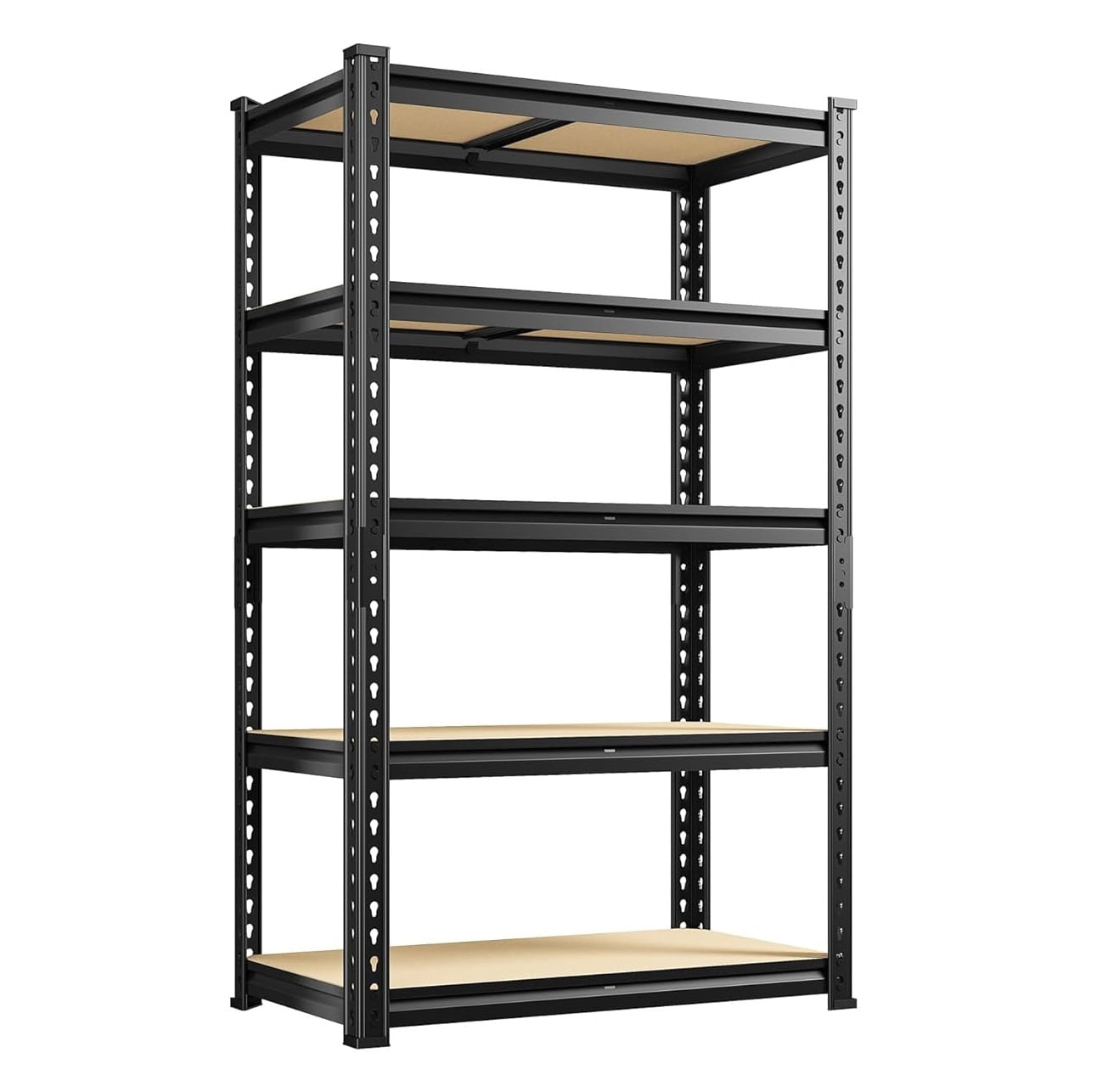
Quality consistency is the foundation of trust in any manufacturing operation, and a professional shelf factory understands this fundamental principle. When customers purchase shelving solutions, they expect every unit to meet the same performance standards, durability specifications, and aesthetic requirements. A reputable shelf factory achieves this level of consistency through systematic approaches to design, production, and quality assurance that extend far beyond basic manufacturing. The commitment to consistent product quality separates leading shelf factory operations from less rigorous competitors and directly impacts customer satisfaction, return rates, and long-term brand reputation.
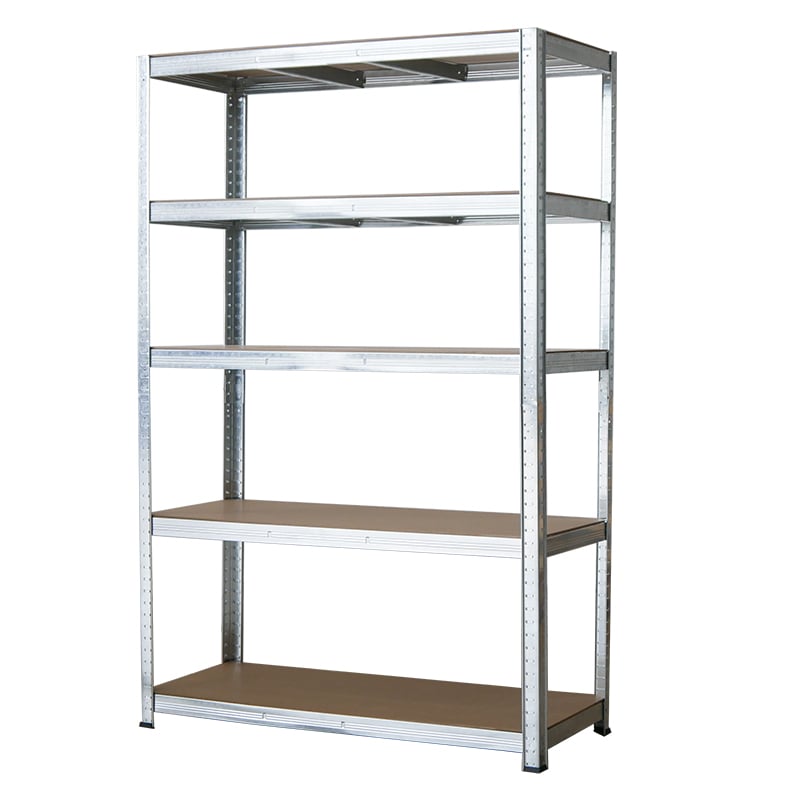
A shelf factory that guarantees consistent product quality relies on interconnected systems spanning material selection, manufacturing protocols, inspection checkpoints, and continuous improvement cycles. Modern shelf factory operations integrate advanced testing equipment, trained quality personnel, and data-driven monitoring to detect and prevent defects before products reach customers. This comprehensive approach to quality management transforms potential inconsistencies into predictable, reliable outcomes that build customer confidence and support sustainable business growth in competitive markets.
Raw Material Sourcing and Verification
Establishing Supply Chain Standards
Every shelf factory recognizes that consistent product quality begins with consistent input materials. A professional shelf factory establishes clear material specifications and works with pre-qualified suppliers who understand and commit to precise standards. Steel composition, gauge thickness, coating specifications, and dimensional tolerances must all be documented and verified before materials enter the production floor. When a shelf factory implements supplier scorecards and periodic audits, the organization creates accountability across the supply chain. This proactive approach prevents the introduction of substandard materials that could compromise the entire production batch.
Incoming Quality Inspection Protocols
Upon arrival at the facility, a professional shelf factory conducts systematic incoming inspections to verify that materials meet specifications. Quality teams test metal hardness, measure coating thickness on galvanized or painted components, verify dimensions using calibrated instruments, and inspect for surface defects. A shelf factory that maintains these rigorous inspection standards at the receiving dock prevents defective materials from entering production systems. Documentation of all incoming material test results creates a traceable record that supports quality accountability and helps identify patterns if problems emerge later.
Manufacturing Process Control and Standardization
Standardized Production Procedures
A shelf factory that guarantees consistent product quality implements detailed standard operating procedures for every production stage. Each workstation follows documented processes for cutting, welding, bending, assembly, coating, and finishing. When a shelf factory provides workers with clear instructions, visual work standards, and training on proper techniques, individual operators produce parts that meet specifications consistently. The shelf factory monitors adherence to these procedures through supervisor oversight and periodic audits. This standardization reduces human error and ensures that each shelf unit reflects the same quality design intent regardless of which team member performed the work.
Equipment Calibration and Maintenance
Manufacturing machinery is only as reliable as its maintenance schedule and calibration frequency. A professional shelf factory implements preventive maintenance programs that keep cutting equipment, welding machines, coating systems, and assembly fixtures operating within specifications. Calibration verification occurs at intervals appropriate to each tool's function and wear characteristics. A shelf factory that takes this approach to equipment management prevents drift in dimensional accuracy and coating quality that could accumulate across many production runs. Regular maintenance logs provide visibility into equipment performance and support predictive maintenance strategies that reduce unexpected downtime.
Quality Testing and Final Inspection Systems
Comprehensive Product Testing Protocols
A shelf factory that guarantees consistent product quality implements multi-stage testing procedures before products are released to customers. Load testing verifies that shelves meet weight capacity specifications under both concentrated and distributed loads. Surface finish testing checks for coating adhesion, thickness, and protection against corrosion. Dimensional verification ensures that shelf units fit within specified tolerances for assembly and installation. A shelf factory may also conduct environmental testing to confirm performance in temperature and humidity extremes relevant to customer applications. This comprehensive testing approach identifies defects and ensures that only products meeting full specifications leave the facility.
Statistical Process Control and Data Analysis
Modern shelf factory operations increasingly adopt statistical process control methods to monitor production trends and identify quality issues before they affect large quantities. By tracking key measurements over time, a shelf factory can detect gradual drift or unexpected variation in processes. Control charts and trend analysis help quality teams distinguish between normal variation and signals that require investigation. A shelf factory that uses data to drive decisions can make targeted adjustments to processes, equipment, or materials before widespread quality problems develop. This proactive data-driven approach transforms quality assurance from reactive problem-solving into predictive quality management.
Workforce Training and Quality Culture
Comprehensive Employee Training Programs
A shelf factory that achieves consistent product quality invests in thorough training programs that equip every team member with the knowledge and skills necessary to perform their role correctly. New employees receive detailed instruction on quality standards, proper techniques, safety requirements, and the importance of consistent output. A shelf factory that conducts ongoing refresher training and skill development keeps the workforce current with best practices and new equipment capabilities. When employees understand how their individual work contributes to overall quality outcomes, they take ownership of consistency and become quality advocates rather than merely following instructions.
Quality Incentives and Accountability Systems
A professional shelf factory establishes accountability systems that emphasize quality performance. Performance metrics linking individual and team contributions to quality outcomes create transparency and encourage attention to detail. A shelf factory that recognizes quality achievements and addresses quality lapses demonstrates commitment to continuous improvement. These systems work most effectively when employees understand that quality consistency directly benefits customers and sustains the business long-term. When a shelf factory builds quality consciousness into organizational culture, consistent product quality becomes a shared value rather than an imposed requirement.
Continuous Improvement and Customer Feedback Integration
Systematic Defect Analysis and Root Cause Investigation
A shelf factory that maintains consistent product quality establishes formal processes for analyzing any defects that reach customers or are discovered during internal inspection. Root cause investigation goes beyond identifying what went wrong to understand why it happened. A shelf factory documents these investigations and implements corrective actions to prevent recurrence. By treating quality incidents as learning opportunities rather than isolated problems, a shelf factory builds organizational knowledge that strengthens future quality performance. This systematic approach transforms occasional failures into opportunities for process improvement that benefits all subsequent production.
Customer Feedback Loops and Iterative Enhancement
A professional shelf factory actively solicits and analyzes customer feedback regarding product performance, durability, and satisfaction. Information about how customers use products and any quality issues they encounter provides invaluable insight for product refinement. A shelf factory that closes the loop by communicating how customer feedback influenced product improvements strengthens customer relationships while enhancing quality. This iterative cycle of feedback, analysis, and enhancement ensures that a shelf factory's commitment to consistent product quality evolves with customer needs and market conditions.
FAQ
What role does material selection play in a shelf factory's quality consistency?
Material selection is fundamental to consistent product quality at any shelf factory. A shelf factory that sources materials from pre-qualified suppliers with verified specifications ensures that every production batch begins with inputs meeting exact standards. Steel composition, gauge, and coating characteristics directly influence final product performance, durability, and appearance. When a shelf factory prioritizes material consistency through rigorous incoming inspection, the organization eliminates a major source of variation that could otherwise compromise quality across entire production runs.
How does a shelf factory prevent quality drift in long-term production?
A shelf factory prevents quality drift through systematic equipment maintenance, calibration verification, and statistical process monitoring. As machinery operates over extended periods, gradual wear can cause dimensional accuracy and finish quality to drift away from specifications. A shelf factory that follows preventive maintenance schedules and recalibrates equipment at appropriate intervals maintains production consistency. By tracking key measurements over time and analyzing trends, a shelf factory can detect drift early and make adjustments before products exceed tolerance limits. This proactive approach sustains quality consistency across months and years of continuous production.
Why is employee training critical to a shelf factory's quality performance?
Employee training directly impacts the quality decisions and work practices that occur daily at a shelf factory. Workers who understand quality standards, proper techniques, and the importance of their individual contributions are more likely to produce consistent, high-quality output. A shelf factory that invests in comprehensive training and ongoing skill development creates a workforce capable of executing complex manufacturing tasks with precision. When employees take pride in quality and understand how their work affects customers, quality consistency becomes an organizational strength rather than a management burden.

