
 EN
EN
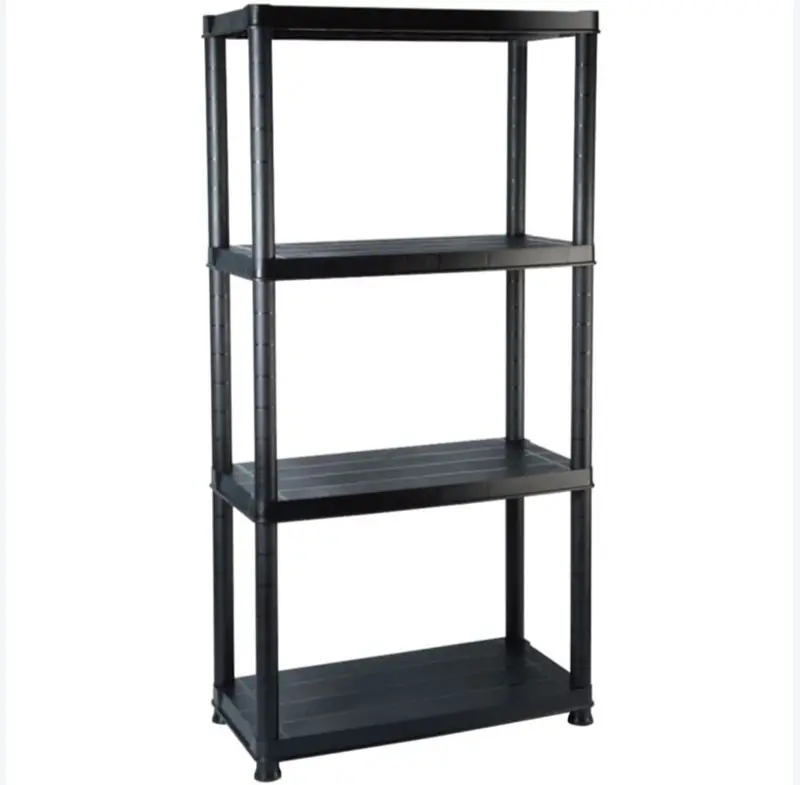
Съвременните решения за съхранение се развиха значително през последното десетилетие, като тежкотоварни полици от пластмаса се превърнаха в предпочитания избор както за индустриални съоръжения, така и за жилищни приложения. Тази революционна технология за съхранение комбинира издръжливостта на традиционните метални рафтове с гъвкавостта и устойчивостта към корозия, които може да осигури само напредналата полимерна инженерия. За разлика от конвенционалните системи за съхранение, които се разрушават с времето, днешните тежкотоварни полици от пластмаса са проектирани да издържат на екстремни условия, запазвайки структурната си цялостност в продължение на десетилетия. Преходът към решения за съхранение въз основа на полимери представлява повече от просто моден тренд; това е фундаментална трансформация в начина, по който подхождаме към организационната ефективност и оптимизацията на пространството.
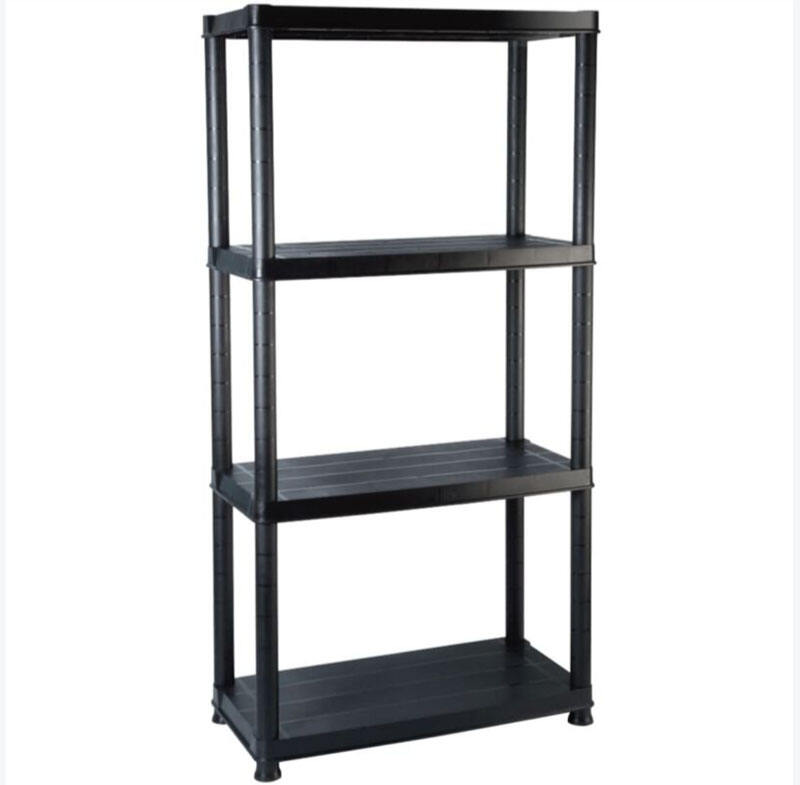
Инженерно майсторство в полимерните системи за съхранение
Напреднала композиция на материала и структурен дизайн
Основата на най-добрите пластмасови рафтове е сложното им инженерство. Подобни системи за съхранение са изградени от полиетилен и полипропилен с висока плътност, които включват молекулярно подсилване, което увеличава издръжливостта, без да нарушава гъвкавостта. Тези материали се подлагат на специални процеси за обработка, които увеличават тяхната устойчивост на химическо излагане, температурни колебания и UV разграждане. Резултатът е решение за съхранение, което запазва структурните си свойства при широк спектър от условия на околната среда, което го прави идеално за всичко, от складови приложения до системи за организация на гаража.
Производствената прецизност играе решаваща роля при определянето на характеристиките на пластмасовите рафтове. Разширените техники за инжекционно формоване гарантират постоянна дебелина на стената и оптимално разпределение на напрежението между всеки компонент на рафтовете. Свързаните конструктивни характеристики създават безпроблемни връзки между вертикалните опори и хоризонталните платформи, като премахват слабите точки, които обикновено се срещат в традиционните системи за метални рафтове. Този инженерен подход води до съхранение на съоръжения, които могат да поддържат значителни тежести, като същевременно остават изключително леки и лесни за сглобяване.
Грузоподемност и експлоатационни характеристики
Съвременните пластмасови рафтове за тежки предмети са проектирани да отговарят на строгите индустриални стандарти, като капацитета на отделните рафтове често надвишава 200 паунда на ниво. Дизайнът на разпределената натоварване гарантира, че теглото се прехвърля равномерно през вертикалната опорна структура, предотвратявайки концентрирани точки на напрежение, които могат да доведат до повреда. Тези характеристики правят пластмасовите рафтове подходящи за съхранение на всичко - от автомобилни части и промишлени принадлежности до домакински предмети и сезонно оборудване. Способността за поддържане на структурната цялост при условия на непрекъснато натоварване отличава тези системи от по-леките алтернативи.
Протоколите за изпитване на пластмасови рафтове от най-висока качество включват задълбочен стрес анализ и изпитване на умора при различни сценарии на натоварване. Производителите подлагат своите продукти на тестове за ускорено стареене, които симулират години на употреба при екстремни условия, като така се гарантира дългосрочната надеждност. Резултатите постоянно показват, че правилно проектираните пластмасови рафтове могат да надминат традиционните материали по отношение на дълготрайността и изискванията за поддръжка, което ги прави рентабилна инвестиция както за търговски, така и за жилищни приложения.
Многоструни приложения в различни индустрии
Промишлени и търговски решения за съхранение
Промишленият сектор бързо прие тежкотоварни полици от пластмаса поради изключителната си устойчивост на корозивни среди и въздействие на химикали. Производствените предприятия, фармацевтичните компании и хранително-вкусовите заводи извличат полза от складови системи, които не ръждясват, не се корозират и не замърсяват чувствителни материали. Непроницаемата повърхност на пластмасовите рафтове предотвратява размножаването на бактерии и улеснява почистването и дезинфекцирането, отговаряйки на строгите изисквания за хигиена в тези индустрии. Освен това електрическите изолационни свойства на пластмасата правят тези рафтови системи по-безопасни в среди, където присъства електрическо оборудване.
Операциите в складовете установиха, че пластмасовите рафтове предлагат значителни предимства по отношение на управлението на наличностите и защитата на продуктите. Гладките повърхности предотвратяват закачането на опаковани стоки, докато устойчивостта към химикали осигурява, че случайни проливи няма да повредят складовата инфраструктура. Лекотата на пластмасовите рафтове позволява по-лесна реорганизация на складовите разположения, като дава възможност на обектите бързо да се адаптират към променящите се изисквания за наличности, без да се изискват тежки товаро-преместващи машини или продължителни прекъсвания.
Системи за организация в жилищни помещения и гаражи
Собствениците на жилища все по-често осъзнават предимствата от използването на здрави пластмасови рафтове в гаражи, мазета и технически помещения. Тези решения за съхранение се отличават в среди, където влажността, температурните колебания и случайният контакт с химикали са чести проблеми. За разлика от металните аналогови продукти, които могат да ръждясват, или дървените рафтове, които могат да се деформират и разрушават, пластмасовите системи запазват външния си вид и функционалността си независимо от околните условия. Лесният процес на сглобяване означава, че собствениците могат да инсталират пълни системи за съхранение без професионална помощ или специализирани инструменти.
Естетическата привлекателност на съвременните пластмасови рафтове се подобри значително, като производителите предлагат модули, които допълват тенденциите в дизайна на съвременния дом. Чисти линии, неутрални цветове и професионални повърхности правят тези системи за съхранение подходящи за видими зони като изб, перарни и домашни работилници. Възможността лесно да се почистват и поддържат пластмасовите рафтове гарантира, че помещенията за съхранение в дома остават привлекателни и функционални в продължение на дълги периоди.
Предимства при инсталиране и конфигуриране
Сглобяване без инструменти и модулно проектиране
Един от най-убедителните предимства на тежките пластмасови рафтове е опростеният процес на инсталиране, който премахва необходимостта от специализирани инструменти или хардуер. Прецизните съединителни системи позволяват компонентите лесно и сигурно да се закачат един към друг, създавайки стабилни структури за съхранение за минути, а не за часове. Този подход за сглобяване без инструменти намалява разходите за инсталиране и прави възможно за потребителите да преустройват системите си за съхранение според променящите се нужди. Модулният дизайн означава, че допълнителни нива, удължения или аксесоари могат да бъдат интегрирани безпроблемно в съществуващите инсталации.
Стандартизираните интерфейси за връзка между различни производители са създали екосистема от съвместими компоненти и аксесоари. Потребителите могат да комбинират рафтове, допълнителни компоненти и специализирани аксесоари, за да създадат персонализирани решения за съхранение, отговарящи на конкретни изисквания. Тази съвместимост удължава полезния живот на инвестициите, като позволява бъдещо разширяване и модификация без необходимостта от пълна подмяна на системата.
Оптимизиране на пространството и гъвкавост
Ефективното използване на пространството става от решаващо значение както в търговски, така и в жилищни среди, където квадратният метър се оценява високо. Тежките пластмасови рафтове максимизират вертикалния капацитет за съхранение, като запазват минимален отпечатък, което позволява на потребителите да съхраняват повече предмети на по-малко подово пространство. Възможността за регулиране на височината на рафтовете позволява съхранение на предмети с различни размери – от малки компоненти до обемисто оборудване. Тази гъвкавост прави пластмасовите рафтове особено ценни в динамични среди, където изискванията за съхранение често се променят.
Портативността на единиците за пластмасови рафтове осигурява допълнителна гъвкавост, която фиксираните системи за съхранение не могат да предложат. Единиците могат да бъдат демонтирани, преместени и сглобени отново без щети или загуба на структурна цялост. Тази възможност се оказва особено полезна за бизнеси, които преместват обектите си, или за собственици на жилища, които често се местят. Инвестицията в качествени пластмасови рафтове продължава да осигурява стойност в множество локации и приложения.
Предимства на обслужването и продължителността
Химическа устойчивост и екологична продължителност
Вродената химическа устойчивост на тежкотоварните пластмасови рафтове премахва много от предизвикателствата по поддръжката, свързани с традиционните материали за съхранение. Въздействието на почистващи препарати, автомобилни течности, торове и други потенциално корозивни вещества няма да повреди или разгради правилно формулираните пластмасови рафтове. Тази устойчивост важи и при екстремни pH условия, което прави тези системи за съхранение подходящи за лаборатории, зони за съхранение на химикали и промишлени приложения, където рутинно се работи с агресивни химикали.
Факторите от околната среда, които унищожават традиционните материали за рафтове, имат минимално въздействие върху системите от висококачествени пластмаси. Промените в температурата, колебанията на влажността и ултравиолетовото излагане се компенсират чрез напреднали съставки на материала и стабилизиращи добавки. Размерната стабилност на пластмасовите рафтове осигурява плътни връзки и нивелирани рафтове, дори след години на въздействие на околната среда. Тази издръжливост води директно до намалени разходи за подмяна и минимални изисквания за поддръжка.
Протоколи за чистене и санитизация
Поддържането на хигиенни условия в складовите помещения става лесно с рафтове от пластмаса, които издържат на агресивни методи за почистване. Непроницаемите повърхности предотвратяват натрупването на мръсотия, мазнини и бактерии, като позволяват пълно дезинфекциране с помощта на почистващи препарати с промишлена сила. Обектите за хранене, здравни заведения и фармацевтични складове извличат полза от складови системи, които могат напълно да се стерилизират, без да води до деградация или повреда на рафтовата конструкция.
Гладката текстура на повърхността на пластмасовите рафтове елиминира процепите и съединенията, където обикновено се натрупват замърсители при други складови системи. Редовното почистване се свежда до просто протирване на повърхностите с подходящи почистващи средства, последвано от дезинфекция при нужда. Тази лесна поддръжка намалява разходите за труд, като осигурява спазване на регулаторните изисквания за чистота и хигиена в търговски приложения.
Стойност за парите и връщаемост на инвестицията
Първоначални инвестиции срещу дългосрочна стойност
Въпреки че първоначалната покупна цена на висококачествените тежкотоварни пластмасови рафтове може да изглежда по-висока в сравнение с основните метални алтернативи, общата стойност на притежаване ясно благоприятства пластмасовите системи през целия им експлоатационен срок. Отпадането на разходите за поддръжка, разходите за подмяна поради корозия или повреди, както и намаленото време за инсталиране създават значителни икономически предимства. Професионални организации, които са анализирали разходите за системи за съхранение, последователно доказват, че пластмасовите рафтове осигуряват по-висока стойност, когато се оценяват в рамките на типичния живот на оборудването.
Характеристиките за издръжливост на качествените пластмасови рафтове означават, че тези системи често надживяват металните си аналогове със значителна маржа. Липсата на ръжда, корозия и структурно разрушаване гарантира, че инвестицията в складиране продължава да осигурява пълна функционалност в продължение на десетилетия. Тази дълготрайност прави пластмасовите рафтове особено привлекателни за дългосрочни инсталации, където трябва да се минимизират разходите за подмяна и простоюването.
Оперативна ефективност и подобрена производителност
Експлоатационните предимства на тежките пластмасови рафтове отиват далеч зад рамките на обема за съхранение и включват подобрена ефективност на работния процес и производителност. Леката конструкция улеснява управлението на складовите запаси, докато чистият външен вид поддържа професионални стандарти в видимите зони за съхранение. Възможността бързо да се преустройват компоновките за съхранение подпомага принципите на икономично производство и гъвкавите бизнес практики, които изискват гъвкава инфраструктура.
Съображенията за безопасността на служителите също допринасят за икономичността на системите за рафтове от пластмаса. Липсата на остри ръбове, трески или неравни повърхности намалява риска от наранявания на работното място, свързани с взаимодействието със складови системи. Свойствата за електрическа изолация осигуряват допълнителни граници на безопасност в среди, където присъства електрическо оборудване, което потенциално може да намали разходите за застраховка и отговорността.
Често задавани въпроси
Каква товароносимост мога да очаквам от тежкотоварни пластмасови рафтове
Висококачествените тежкотоварни пластмасови рафтове обикновено издържат 150–300 паунда на рафт, в зависимост от конкретния дизайн и състав на материала. Товароносимостта при разпределен товар на цялата единица често надвишава 1000 паунда, когато системата е правилно сглобена и закрепена. Винаги проверявайте спецификациите на производителя за вашето конкретно приложение и имайте предвид динамичните натоварвания, ако предметите ще се местят често върху рафтовете и от тях.
Как се сравняват пластмасовите рафтове с металните по отношение на издръжливостта
Премиум полици от пластмаса често служат по-дълго от металните аналогове в предизвикателни среди поради устойчивостта си към корозия, химически въздействия и щети от влага. Въпреки че металните рафтове могат да имат по-голяма товароносимост на кратко разстояние, пластмасовите системи запазват структурната си цялост по-дълго и изискват значително по-малко поддръжка през целия си експлоатационен живот. Изборът зависи от конкретните изисквания за натоварване и околните условия.
Могат ли тежкотоварни пластмасови рафтове да се използват в среди с екстремни температури
Системите за качествени рафтове от пластмаса са проектирани да функционират ефективно в температурни диапазони от -20° F до 140° F, което ги прави подходящи за повечето търговски и жилищни приложения. Някои специализирани формулировки могат да издържат още по-екстремни температури. Характеристиките за топлинно разширение са проектирани така, че да компенсират промените в температурата, без да се компрометира структурната цялост или стабилността на връзките.
Наистина ли монтажът е без инструменти и колко стабилни са връзките
Съвременните тежкотоварни пластмасови рафтове използват прецизно проектирани съединения с накрайници, които осигуряват здрави конструкции без нужда от инструменти или фурнитура. Тези съединения преминават през обширни тестове, за да се гарантира, че запазват силата на хващане с течение на времето и при многократни цикли на натоварване. Получените конструкции обикновено са толкова стабилни, колкото и традиционните болтови съединения, като в същото време предлагат значително по-голямо удобство при монтажа и преустройството.
Съдържание
- Инженерно майсторство в полимерните системи за съхранение
- Многоструни приложения в различни индустрии
- Предимства при инсталиране и конфигуриране
- Предимства на обслужването и продължителността
- Стойност за парите и връщаемост на инвестицията
-
Често задавани въпроси
- Каква товароносимост мога да очаквам от тежкотоварни пластмасови рафтове
- Как се сравняват пластмасовите рафтове с металните по отношение на издръжливостта
- Могат ли тежкотоварни пластмасови рафтове да се използват в среди с екстремни температури
- Наистина ли монтажът е без инструменти и колко стабилни са връзките

