
 EN
EN
 AR
AR
 BG
BG
 HR
HR
 CS
CS
 DA
DA
 NL
NL
 FI
FI
 FR
FR
 DE
DE
 HI
HI
 IT
IT
 JA
JA
 KO
KO
 NO
NO
 PL
PL
 PT
PT
 RO
RO
 RU
RU
 ES
ES
 SV
SV
 TL
TL
 IW
IW
 ID
ID
 LV
LV
 LT
LT
 SR
SR
 SK
SK
 VI
VI
 ET
ET
 HU
HU
 TH
TH
 TR
TR
 AF
AF
 MS
MS
 LO
LO
 LA
LA
 MR
MR

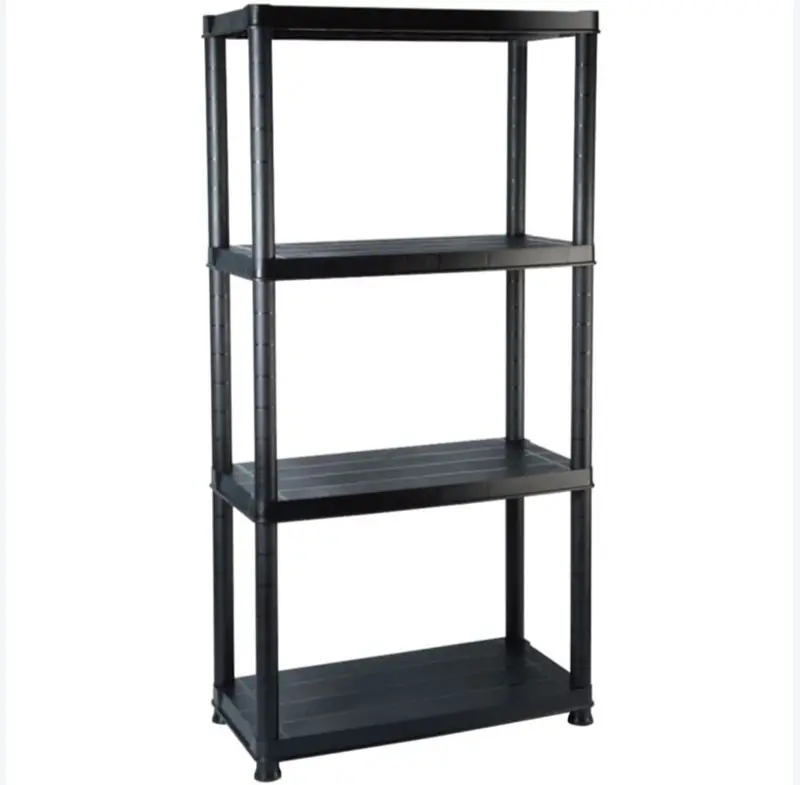
Modern storage challenges demand robust solutions that can withstand daily use while maintaining organizational efficiency. Heavy duty plastic shelving has emerged as a superior alternative to traditional metal and wood storage systems, offering unmatched durability and versatility for residential and commercial applications. These advanced storage solutions provide exceptional load-bearing capacity while remaining lightweight and easy to assemble, making them ideal for garages, pantries, basements, and warehouse environments.
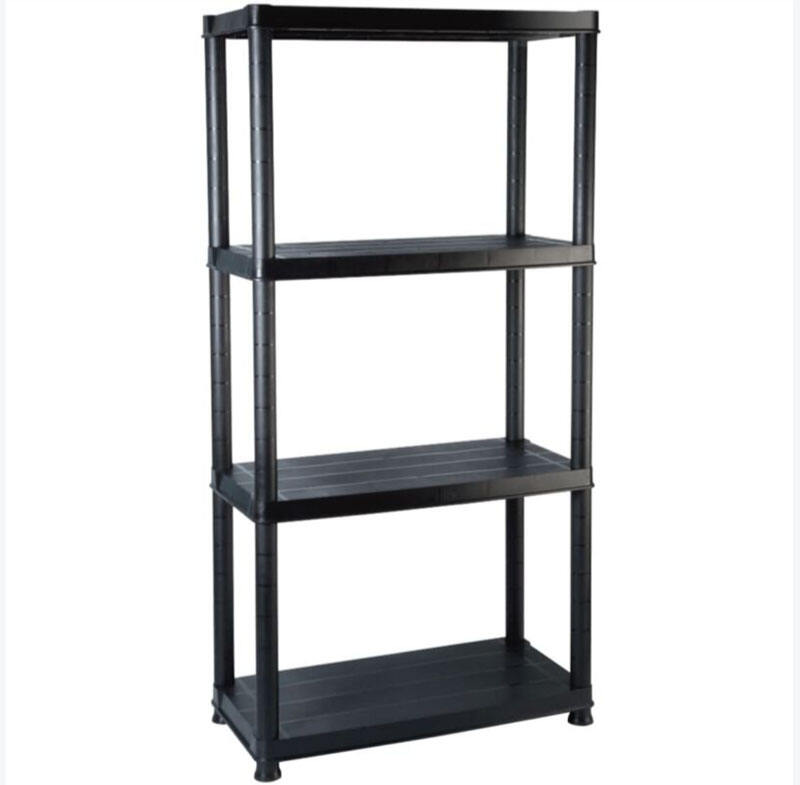
Advanced Materials and Construction Benefits
Superior Polymer Engineering
The foundation of exceptional heavy duty plastic shelving lies in advanced polymer engineering that delivers remarkable strength-to-weight ratios. High-density polyethylene and reinforced polypropylene materials create shelving units capable of supporting substantial loads while resisting environmental stressors. These materials undergo specialized molding processes that enhance structural integrity and eliminate weak points common in traditional shelving systems.
Advanced polymer compositions include UV stabilizers that prevent degradation from sunlight exposure, making these shelving units suitable for both indoor and outdoor applications. The molecular structure of these materials provides natural resistance to temperature fluctuations, ensuring dimensional stability across various climate conditions. This engineering excellence translates to shelving systems that maintain their structural properties for decades without warping, cracking, or deteriorating.
Corrosion Resistance and Longevity
Unlike metal alternatives that succumb to rust and corrosion, plastic shelving maintains its appearance and functionality regardless of humidity levels or exposure to moisture. This resistance proves particularly valuable in garage environments where temperature variations and seasonal moisture can quickly compromise metal storage systems. The non-porous surface of quality plastic shelving prevents the absorption of liquids and odors, maintaining a clean and professional appearance throughout years of use.
Chemical resistance represents another significant advantage, as plastic shelving withstands exposure to cleaning products, automotive fluids, and household chemicals without staining or degradation. This durability extends the operational lifespan far beyond traditional materials while reducing long-term replacement and maintenance costs. The inherent stability of engineered plastics ensures that shelving units retain their load-bearing capacity and structural integrity throughout their extended service life.
Versatile Applications and Configuration Options
Multi-Environment Adaptability
The versatility of heavy duty plastic shelving makes it suitable for diverse storage applications across residential and commercial settings. Garage workshops benefit from the oil and chemical resistance, while pantry installations appreciate the food-safe materials and easy cleaning capabilities. Basement storage areas utilize the moisture resistance properties, and utility rooms rely on the durability against temperature fluctuations and humidity changes.
Professional environments including warehouses, retail storage, and office supply areas leverage the clean appearance and reliable performance of plastic shelving systems. The lightweight nature facilitates easy reconfiguration as storage needs evolve, while the modular design accommodates various space constraints and organizational requirements. This adaptability ensures maximum return on investment across multiple applications and changing storage demands.
Customizable Storage Solutions
Modern heavy duty plastic shelving systems offer extensive customization options that accommodate specific storage requirements and spatial constraints. Adjustable shelf heights enable optimization for various item sizes, from small components to large containers, maximizing storage efficiency within available space. Modular components allow expansion of existing systems or reconfiguration as organizational needs change.
Additional accessories including dividers, bins, and specialized attachments enhance functionality while maintaining system integrity. These customization options ensure that shelving systems grow and adapt alongside changing storage requirements, providing long-term value and versatility. The standardized connection systems facilitate easy modification without requiring tools or specialized knowledge, empowering users to optimize their storage solutions continuously.
Installation and Maintenance Advantages
Tool-Free Assembly Process
The assembly process for quality plastic shelving systems prioritizes user convenience through innovative snap-together designs that eliminate the need for tools or hardware. Precision-engineered connection points ensure secure assembly while allowing for quick disassembly and reconfiguration when necessary. This approach reduces installation time significantly compared to metal shelving that requires bolts, screws, and specialized tools.
Clear assembly instructions and intuitive design elements guide users through the installation process, making professional-quality storage accessible to individuals regardless of technical expertise. The lightweight components facilitate easy handling during assembly, reducing physical strain and allowing single-person installation in most cases. This convenience factor proves particularly valuable when installing shelving in confined spaces or areas with limited access.
Minimal Maintenance Requirements
The low-maintenance nature of heavy duty plastic shelving represents a significant operational advantage over alternative materials. The smooth, non-porous surfaces resist dust accumulation and clean easily with standard household cleaners, maintaining a professional appearance with minimal effort. Unlike metal shelving that requires periodic inspection for rust and corrosion, plastic systems maintain their integrity without regular maintenance interventions.
The absence of moving parts, hinges, or mechanical components eliminates wear points that require lubrication or adjustment over time. This reliability reduces long-term operational costs while ensuring consistent performance throughout the shelving system's extended service life. Regular cleaning represents the primary maintenance requirement, making these systems ideal for busy households and commercial environments where maintenance resources are limited.
Load Capacity and Performance Specifications
Engineering Load Ratings
Professional-grade plastic shelving systems undergo rigorous testing to establish precise load capacity ratings that ensure safe operation under various conditions. These specifications typically range from 150 to 400 pounds per shelf, depending on construction design and materials used. The distributed load capacity often exceeds point-load ratings, making these systems suitable for storing multiple smaller items or several medium-weight containers per shelf level.
Load testing procedures simulate real-world conditions including dynamic loading, temperature variations, and long-term stress scenarios to validate published capacity ratings. This comprehensive testing ensures that shelving systems perform reliably under normal use conditions while providing appropriate safety margins for unexpected load conditions. Understanding these specifications enables users to maximize storage capacity while maintaining safe operating parameters.
Structural Performance Factors
The performance characteristics of heavy duty plastic shelving extend beyond simple weight capacity to include factors such as deflection resistance, impact tolerance, and long-term creep resistance. Advanced engineering analysis ensures that shelving systems maintain their geometry under load, preventing sagging that could compromise stored items or system stability. Impact resistance testing validates the ability to withstand accidental collisions without structural damage or failure.
Temperature performance specifications define operational ranges that encompass typical residential and commercial environments, ensuring consistent load capacity across varying conditions. The molecular structure of quality plastic materials provides natural flexibility that absorbs stress concentrations, reducing the likelihood of catastrophic failure modes common in brittle materials. This performance reliability contributes to the long-term value proposition of plastic shelving investments.
Cost-Effectiveness and Value Analysis
Initial Investment Considerations
The initial cost of heavy duty plastic shelving often compares favorably with metal alternatives when considering the total system requirements including assembly hardware, tools, and installation accessories. The all-inclusive nature of plastic shelving systems eliminates hidden costs associated with bolts, brackets, and assembly tools required for metal systems. Additionally, the reduced installation time translates to lower labor costs in commercial applications or time savings for residential users.
When evaluating cost-effectiveness, the extended service life and minimal maintenance requirements of plastic shelving provide significant long-term value advantages. The absence of rust, corrosion, and mechanical wear reduces replacement frequency and maintenance costs over the operational lifespan. These factors combine to create a total cost of ownership that often proves superior to seemingly less expensive alternatives that require ongoing maintenance and earlier replacement.
Long-Term Return on Investment
The return on investment for quality plastic shelving systems extends beyond direct cost savings to include improved organizational efficiency and reduced time spent on maintenance activities. The reliability and consistency of these systems reduce the risk of storage failures that could damage stored items or disrupt operations. This reliability factor proves particularly valuable in commercial environments where storage system failures can impact productivity and profitability.
The modular nature of plastic shelving systems enables incremental expansion and reconfiguration as needs evolve, protecting the initial investment while accommodating growth. This flexibility prevents the need for complete system replacement when storage requirements change, extending the effective lifespan and improving return on investment. The combination of durability, adaptability, and low maintenance creates a compelling value proposition for both residential and commercial applications.
Environmental Impact and Sustainability
Eco-Friendly Material Properties
Modern heavy duty plastic shelving utilizes recyclable materials that support sustainable practices and environmental responsibility. Many manufacturers incorporate recycled content into their products while ensuring that the shelving systems themselves remain fully recyclable at the end of their extended service life. This circular approach to material utilization reduces environmental impact while supporting waste reduction initiatives.
The manufacturing processes for quality plastic shelving often consume less energy than metal production while generating fewer emissions and waste byproducts. The lightweight nature of plastic materials reduces transportation energy requirements throughout the supply chain, from manufacturing to end-user delivery. These environmental advantages align with growing corporate and consumer emphasis on sustainable product choices and responsible resource utilization.
Lifecycle Environmental Benefits
The extended operational lifespan of plastic shelving systems reduces the frequency of replacement and associated environmental impacts of manufacturing, transportation, and disposal. The durability and resistance to environmental degradation ensure that these systems continue providing value for decades without requiring replacement or significant maintenance interventions that consume additional resources.
The chemical stability of quality plastic materials prevents the release of corrosion byproducts or coating materials that can impact indoor air quality or environmental health. This stability maintains a clean, safe storage environment while avoiding the environmental concerns associated with metal corrosion and protective coating degradation. The combination of longevity and environmental stability makes plastic shelving an responsible choice for environmentally conscious consumers and organizations.
FAQ
What weight capacity can I expect from heavy duty plastic shelving systems?
Quality heavy duty plastic shelving typically supports between 150 to 400 pounds per shelf when properly assembled and loaded according to manufacturer specifications. The exact capacity depends on shelf dimensions, material thickness, and support structure design. Distributed loads across the entire shelf surface generally allow for higher total weights than concentrated point loads, making these systems suitable for storing multiple containers or numerous smaller items safely.
How does plastic shelving compare to metal alternatives in terms of durability?
Heavy duty plastic shelving offers superior resistance to corrosion, moisture, and chemical exposure compared to metal alternatives, while maintaining comparable load-bearing capacity. Unlike metal shelving that can rust, corrode, or require protective coatings, plastic systems maintain their structural integrity and appearance throughout decades of use without maintenance. The impact resistance and flexibility of engineered plastics often exceed that of metal systems, providing better performance in environments with potential for accidental impacts.
Can heavy duty plastic shelving be used in outdoor environments?
Many heavy duty plastic shelving systems include UV stabilizers and weather-resistant formulations that enable outdoor use in covered or partially exposed locations. However, direct sunlight exposure and extreme weather conditions may affect performance and longevity depending on the specific materials and additives used. For optimal outdoor performance, select shelving systems specifically rated for exterior use and consider providing protection from direct sunlight and extreme weather conditions.
What maintenance is required to keep plastic shelving in optimal condition?
Heavy duty plastic shelving requires minimal maintenance, typically involving periodic cleaning with mild soap and water to remove dust and debris. The non-porous surface resists staining and odor absorption, making cleaning simple and effective. Unlike metal shelving, plastic systems do not require rust prevention treatments, lubrication of moving parts, or tightening of mechanical fasteners, significantly reducing long-term maintenance requirements and associated costs.